Photo: Wikipedia
Quality of Life in Unalaska, AK
A high quality of life with strong walkability, manageable living costs, healthy neighborhood signals, and solid amenity access.
What does Quality of Life tell us?
Quality of Life blends cost of living, nearby amenities, socioeconomic signals, and neighborhood character. City-level scores represent the whole municipality; individual neighborhoods can differ.
What does this tell us?
Quality of Life blends cost of living, nearby amenities, socioeconomic signals, and neighborhood character. City-level scores represent the whole municipality; individual neighborhoods can differ.
Cost of Living
69% above national average
The Real Cost of Living in Unalaska, AK for 2026
| Tier | Individual | Family (4) |
|---|---|---|
| Survival | $33k | $61k |
| Comfortable | $87k | $128k |
| Luxury | $139k+ | $216k+ |
| Elite (Top 5%) | $164k+ | $254k+ |
89%
The Area Signal
A metric tracking the socioeconomic signals of the area.


Hobbies
Explore the areaGroceries
3 within 10 miles
Gas
0 within 10 miles
Hospital
0 within 20 miles
Airport
Unalaska Heliport
Post Office
USPS — Unalaska, AK
Critical Amenities
Quality-of-Life Analysis
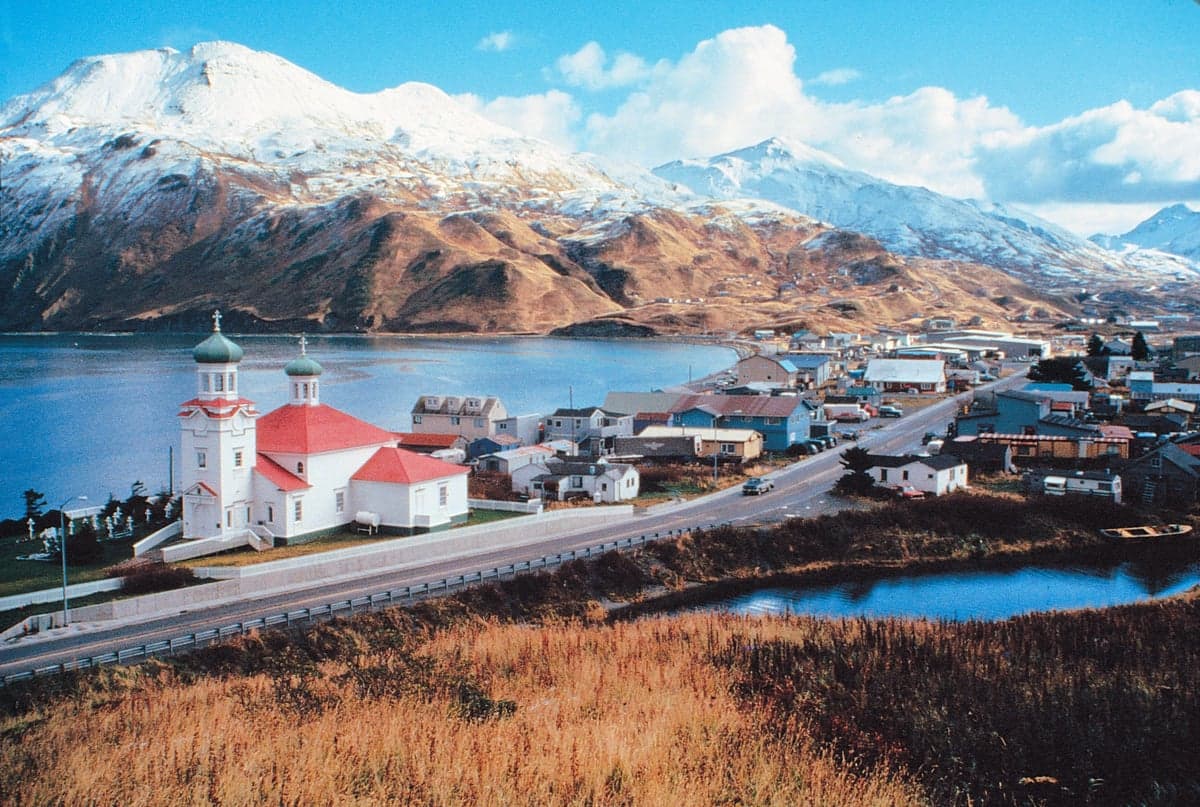
Unalaska, Alaska, presents a unique quality-of-life profile shaped by its remote Aleutian Islands location and a robust commercial fishing economy. The population is a blend of long-term Aleut (Unangax̂) residents, transient seafood industry workers, and federal employees supporting the Port of Dutch Harbor, one of the nation's busiest fishing ports. This mix creates a community that is simultaneously affluent by Alaska standards—driven by high-paying fishing and maritime jobs—and marked by the transient, hard-working ethos of a frontier resource town.
Cost of living and housing affordability in Unalaska
Unalaska's cost of living index stands at 169, meaning everyday expenses are 69% higher than the national average. This elevated figure is driven almost entirely by the logistics of supplying a remote island community: groceries, utilities, and fuel are all significantly marked up. Housing is the most acute pressure point. The median home value is $448,700, and the median rent is $2,040 per month. While these figures are high, they are somewhat tempered by the fact that many workers in the fishing industry receive subsidized or employer-provided housing during peak seasons. Compared to Anchorage (COL index ~130) or the Alaska state average, Unalaska is substantially more expensive, but it remains more affordable than many remote oil-field towns like Prudhoe Bay. The average commute is a short 19.5 minutes, a direct result of the island's compact geography—most residents live within a few miles of the port and downtown core, reducing transportation costs that plague other rural areas.
Schools, amenities, and daily life on the island
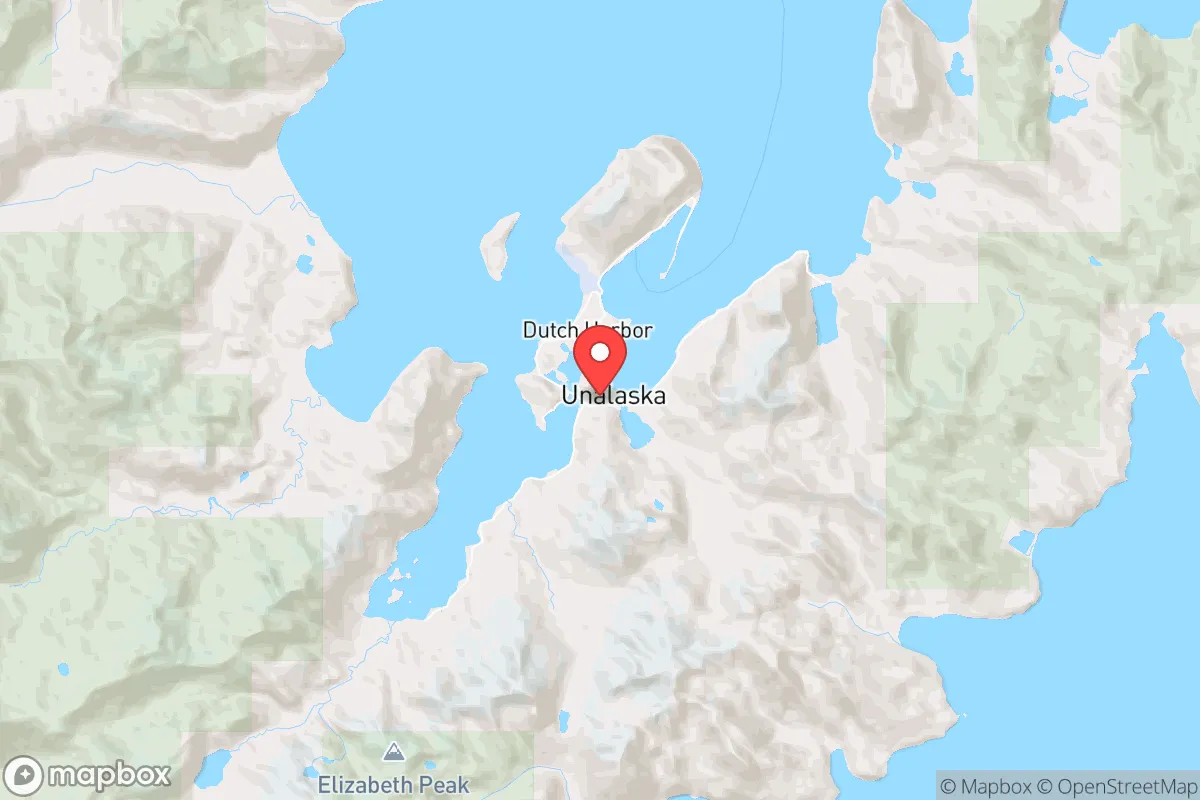
Daily life in Unalaska is defined by self-sufficiency and a tight-knit community rhythm. The Unalaska City School District serves roughly 300 students across one elementary, one middle, and one high school, with a student-teacher ratio near 15:1. The district offers strong special education and vocational programs tied to local maritime industries. Amenities are limited but functional: a single grocery store (Safeway), a hardware store, a library, a small hospital (Iliuliuk Family & Health Services), and a handful of restaurants and bars. There is no movie theater or shopping mall; entertainment revolves around outdoor recreation—hiking on Ballyhoo Mountain, kayaking in Iliuliuk Bay, and fishing for halibut and salmon. The island's weather is notoriously harsh, with over 250 days of rain or snow annually and frequent high winds, which can make daily errands a challenge. Internet access is available but slower and more expensive than in urban areas, with fiber-optic service limited to the main town core.
Who thrives in Unalaska? This environment suits individuals who are financially motivated by high wages in fishing, seafood processing, or federal maritime jobs, and who are comfortable with isolation and a limited social calendar. Families with young children may find the small school system and outdoor lifestyle appealing, but the lack of pediatric specialists, extracurricular variety, and cultural institutions can be a drawback. Retirees and those seeking a quiet, nature-focused life may appreciate the low crime rate and strong community bonds, but the high cost of living and harsh climate are significant barriers. Ultimately, Unalaska rewards resilience and a clear purpose—whether that purpose is a lucrative fishing season, a federal career, or a deep connection to the Unangax̂ heritage of the Aleutian Islands.

Crime in Unalaska, AK
Lower crime rates than 91% of comparable U.S. locations.
Violent CrimeViolent Crime Analysis
Property CrimeProperty Crime Analysis
Crime Analysis
Unalaska, Alaska, presents an unusual safety profile for a remote fishing port: its violent crime rate of 112.4 per 100,000 residents is roughly one-third the national average, while its property crime rate of 89.9 per 100,000 is dramatically lower—nearly 80% below the U.S. average. This makes Unalaska one of the safest communities in Alaska by the numbers, though the nature of its crime differs sharply from urban centers. The town’s isolation, small year-round population of roughly 4,300, and heavy industrial fishing economy shape both the risks and the policing realities residents face.
Crime in context
Unalaska’s violent crime rate is 74% lower than the national average and significantly below Alaska’s statewide rate of roughly 800 per 100,000, which is among the highest in the nation. Homicides are extremely rare; the vast majority of violent incidents involve simple assault, often alcohol-related. Property crime is even more anomalous—the rate is nearly 90% below the national average—reflecting a community where most homes and vehicles are left unlocked and theft is uncommon. This stands in stark contrast to larger Alaska cities like Anchorage or Fairbanks, where property crime rates exceed 3,000 per 100,000. Readers concerned about progressive criminal justice policies should note that Unalaska operates under Alaska state law, not a liberal urban DA’s office; the local district attorney for the Third Judicial District is appointed by the state and prosecutes cases without the leniency often seen in large metro areas.
What residents experience
Daily life in Unalaska involves minimal fear of street crime or burglary. The most common public safety issues are alcohol-fueled disturbances during the winter months and occasional conflicts among transient fishing crews. The Unalaska Department of Public Safety, which serves as both police and fire, maintains a visible presence with roughly 12 sworn officers. Because the island has no road connection to the mainland, suspects cannot easily flee, and the jail in nearby Dutch Harbor holds offenders until state troopers can transport them. Residents report feeling safe walking at any hour, though the town’s remote location means emergency response times can be slower than in urban areas. The biggest safety concern for most families is not crime but the harsh environment—weather-related accidents and workplace injuries in the fishing industry are far more common than criminal victimization.
Neighborhood-level crime data is limited due to Unalaska’s small size, but the most concentrated activity occurs around the Spit and the docks, where transient workers and bars cluster. Residential areas like the hillside neighborhoods above town and the newer subdivisions near the airport see virtually no property crime. The Ballyhoo Road area, home to many seafood processing workers, experiences slightly higher rates of disorderly conduct and minor theft. Overall, Unalaska’s crime patterns are driven by its transient workforce and alcohol availability, not by the systemic issues of poverty or gang activity that plague larger cities. For those seeking a safe, tight-knit community far from progressive urban justice systems, Unalaska offers a statistically compelling alternative.
* Values derived from national, state, county, city and local statistics and may differ in a specific area. Last updated: 2026-04-19T19:40:13.000Z
Narrative content on this page is AI-generated and may contain mistakes. Verify any details that matter before acting on them.
ReloMaps may earn a commission from affiliate links at no extra cost to you.

