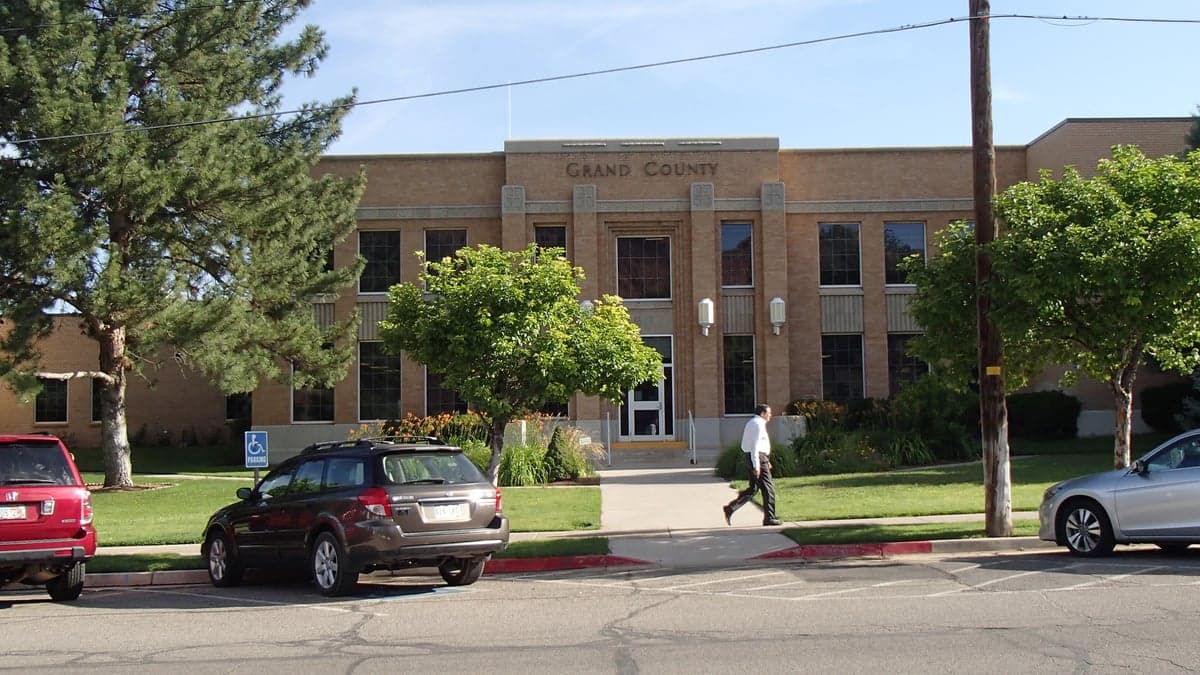
Photo: Wikipedia
Personal Sovereignty in Grand County
Viable for self-reliance. Generally workable, though some barriers may limit total independence.
What does Personal Sovereignty tell us?
Personal Sovereignty measures your capacity for self-reliance and independence with minimal government friction. Higher scores mean fewer barriers between you and the way you want to live... but it assumes you have the space you need and good neighbors.
What does this tell us?
Personal Sovereignty measures your capacity for self-reliance and independence with minimal government friction. Higher scores mean fewer barriers between you and the way you want to live... but it assumes you have the space you need and good neighbors.
State Policy
Energy independence: Self-sufficient (80% of energy produced in-state)
Personal Liberty
Homesteading

Personal Liberty Analysis
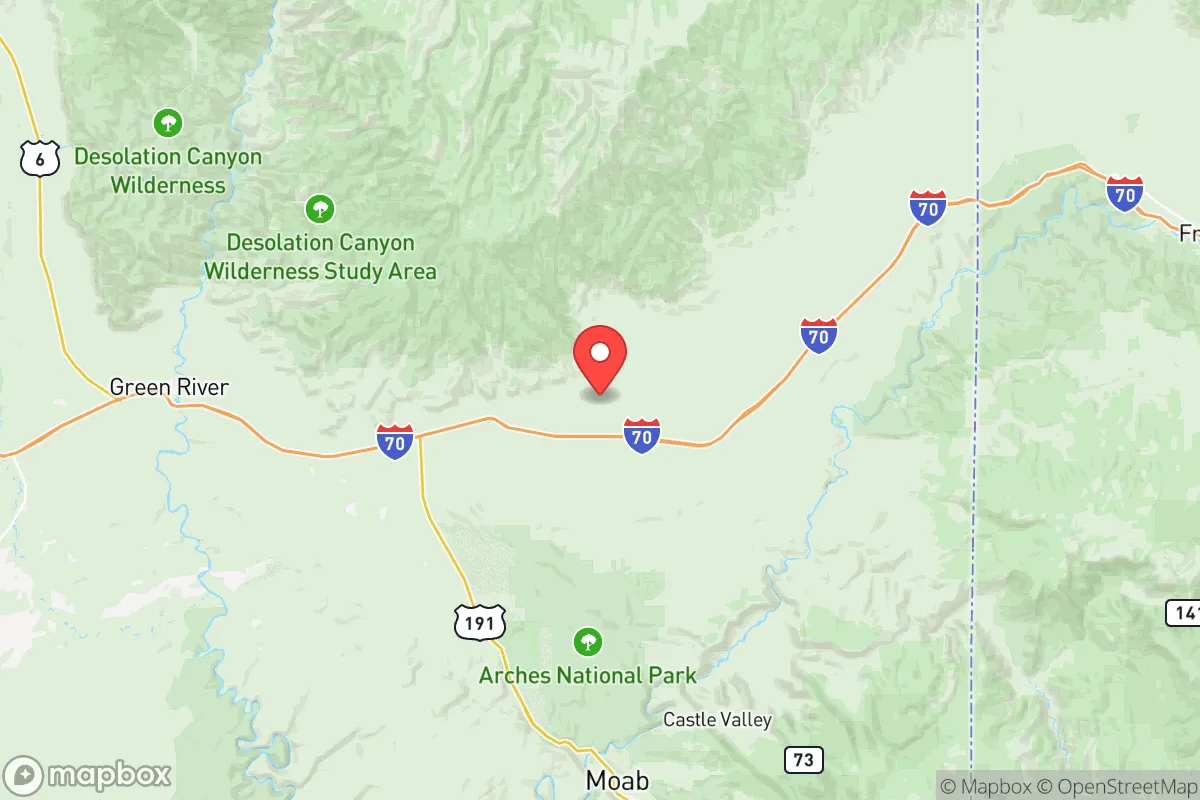
Grand County, Utah, offers one of the strongest personal sovereignty environments in the Intermountain West, particularly for those who view government overreach as a growing threat to individual freedoms. The county’s rural character, low population density, and deep-rooted Western independence culture create a legal and social atmosphere where self-reliance is not just tolerated but expected. For conservative-leaning individuals and families—especially those with a survivalist or prepper mindset—Grand County represents a strategic retreat from the encroaching regulatory state found in urban corridors like Salt Lake City or Denver, though the specific level of autonomy varies significantly between the county seat of Moab and the more remote outlying communities like Castle Valley, Thompson Springs, and Cisco.
Tax burden and regulatory posture: How Grand County compares to state and national norms
Utah’s overall tax climate is among the most favorable in the nation for personal sovereignty, and Grand County benefits from this state-level framework. There is no state property tax; instead, property taxes are levied locally, and Grand County’s rates are moderate—roughly 0.6% of assessed value, well below the national average. The state income tax is a flat 4.55%, and there is no inheritance or estate tax, which matters for families looking to pass land or assets to the next generation without government interference. However, the regulatory posture within Grand County is not uniform. Moab, as the tourism hub, has more zoning restrictions, building codes, and short-term rental regulations than the rest of the county. In contrast, Castle Valley and Thompson Springs have minimal local government presence, with county-level enforcement that is generally hands-off for private land use. For those seeking to minimize regulatory friction, the unincorporated areas east of Moab toward the Colorado border offer the most freedom from permitting delays and land-use bureaucracy. The county commission has historically resisted state-level mandates on land use, particularly those that would infringe on private property rights, making Grand County a relative haven compared to more progressive Utah counties like Summit or Salt Lake.
Self-defense and gun law specifics: What the Second Amendment landscape looks like on the ground
Utah is a constitutional carry state, meaning no permit is required to carry a concealed firearm for anyone 21 or older who can legally possess a gun. Grand County law enforcement, particularly the Sheriff’s Office, is known for a strong pro-Second Amendment stance. Moab has a few gun-friendly retailers and a local shooting range, but the real advantage lies in the vast public lands surrounding the county—over 70% of Grand County is federal land managed by the BLM and Forest Service, where target shooting is generally allowed with reasonable safety precautions. For preppers, this means you can train and practice without the range fees and restrictions common in urban areas. There are no county-level magazine capacity bans, no firearm registration requirements, and no waiting periods beyond the federal background check. The state’s “stand your ground” law is robust, and Grand County juries have historically been sympathetic to self-defense claims. Cisco and Green River (just north of the county line) are particularly known for a culture where personal firearm ownership is assumed, not questioned. The only practical limitation is that carrying in federal buildings or national parks requires compliance with federal law, but the surrounding BLM land offers near-unrestricted access for lawful gun owners.
Self-reliance and homesteading viability: Lot sizes, zoning, and off-grid feasibility across Grand County
Grand County is one of the most viable places in Utah for off-grid living, but the feasibility depends heavily on location. Castle Valley allows for larger lot sizes—typically 2.5 to 5 acres—and has fewer building code restrictions than Moab. Many residents in Castle Valley rely on solar power, rainwater catchment, and septic systems without county interference. Thompson Springs, a ghost town turned homesteader enclave, offers even more freedom: lots can be purchased for under $10,000, and the county has no zoning ordinance for that area, meaning you can build without permits for structures under 200 square feet. Cisco, though technically in Grand County, is essentially a lawless stretch of desert where off-grid living is the norm, not the exception. The county’s general plan explicitly supports “rural lifestyles” and “self-sufficient living” in its unincorporated areas, which is rare language for a government document. Water rights are the primary constraint—Grand County averages only 9 inches of precipitation annually, so rainwater catchment systems must be sized accordingly, and drilling a well can cost $15,000–$30,000. But for those willing to invest in infrastructure, the county does not impose the kind of “livability codes” or occupancy standards found in more regulated jurisdictions. The county’s stance is essentially: if you own the land and can sustain yourself, the government will stay out of your way.
Personal liberties: Parental rights, medical autonomy, speech, and property protections
Utah has some of the strongest parental rights laws in the country, and Grand County’s school district—though small—has resisted the kind of progressive curriculum mandates seen in larger districts. The state’s “Parents’ Bill of Rights” gives legal standing to challenge school policies that infringe on parental authority, and Grand County’s conservative school board has been receptive to such concerns. Medical autonomy is more nuanced: Utah does not have a state-level vaccine mandate for adults, and Grand County’s healthcare system—centered around Moab Regional Hospital—has not enforced the kind of treatment restrictions seen in blue states during public health emergencies. However, the state does require certain childhood vaccines for school attendance, though philosophical exemptions are available. Free speech is broadly protected, with no county-level hate speech ordinances or content-based restrictions on public expression. Property rights are the crown jewel of Grand County’s sovereignty profile: the county has a strong “right to farm” ordinance that protects agricultural uses from nuisance lawsuits, and there is no county-level rent control or landlord licensing scheme. Moab does have a short-term rental cap, but this does not affect owner-occupied properties or long-term homesteads. For those concerned about federal overreach, Grand County has a formal “county supremacy” resolution on the books, declaring that the county will not enforce federal laws it deems unconstitutional—a symbolic but meaningful stance for preppers watching the erosion of state sovereignty nationwide.
Overall, Grand County offers a level of personal sovereignty that is increasingly rare in the United States, particularly for those willing to live outside the Moab city limits. The combination of constitutional carry, minimal zoning in outlying areas, strong parental rights, and a county government that actively resists federal overreach places Grand County in the top tier of Western counties for individual autonomy. While no location is perfect—water scarcity and federal land dominance are real constraints—the county’s legal and cultural environment provides a solid foundation for a self-reliant, freedom-oriented lifestyle that compares favorably to neighboring counties like San Juan or Emery, and far exceeds what is available in the regulatory-heavy Front Range of Colorado or the Wasatch Front of Utah.

* Values derived from national, state, county, city and local statistics and may differ in a specific area. Last updated: 2026-06-05T03:25:14.000Z
Narrative content on this page is AI-generated and may contain mistakes. Verify any details that matter before acting on them.
ReloMaps may earn a commission from affiliate links at no extra cost to you.

