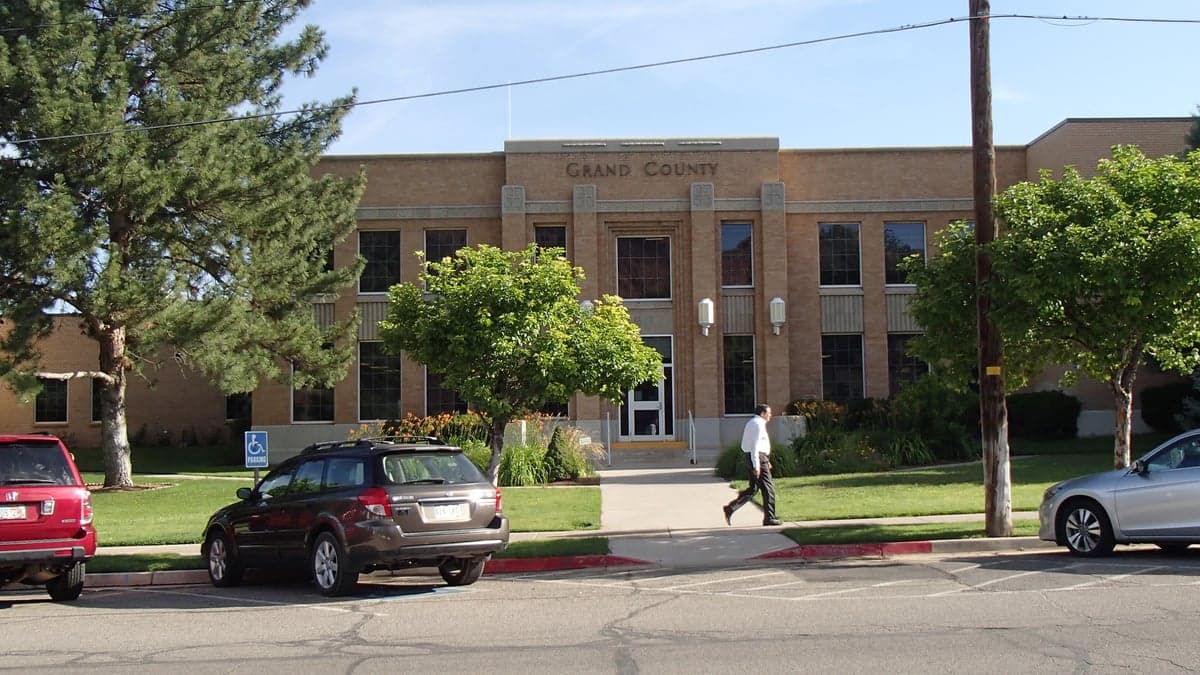
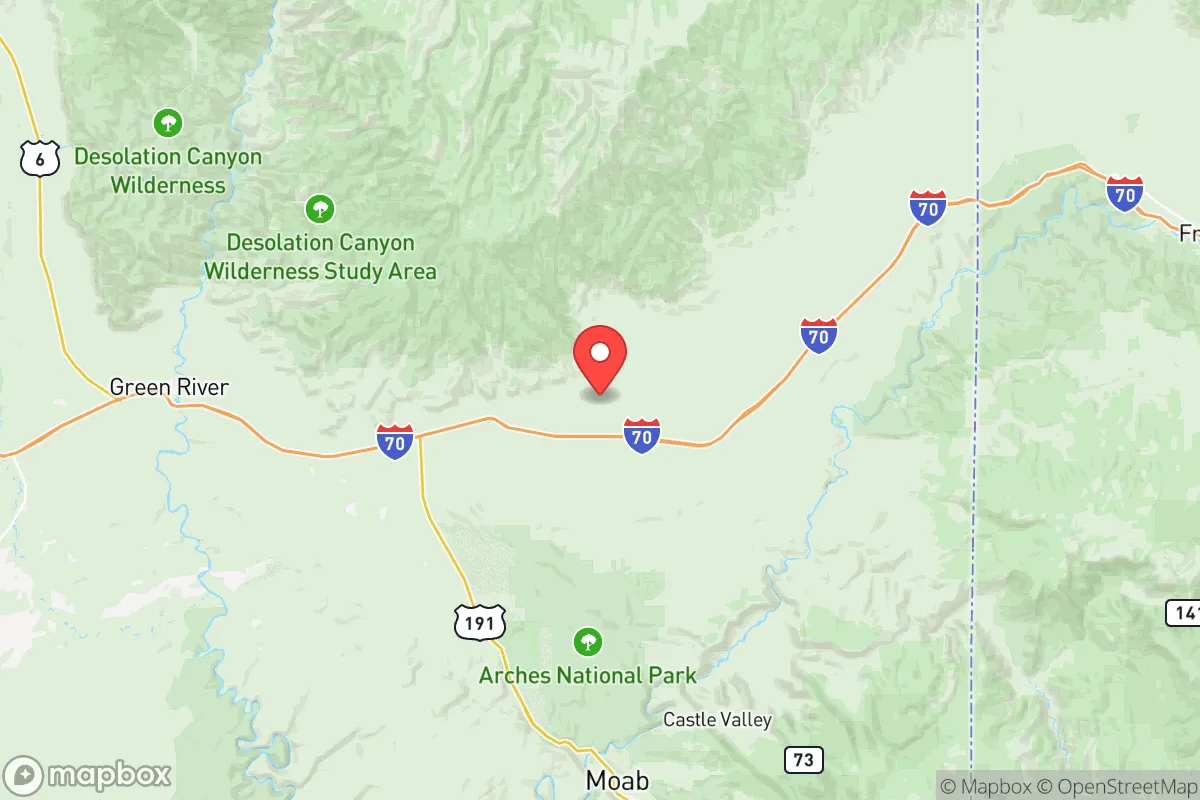
Photo: Wikipedia
Find The Best Places To Live in Grand County
PRO TIP! You can paste a Zillow or Redfin link to get info on that property.
Best Places to Live in Grand County
Cities & Towns in Grand County
Cities in Grand County
What It's Like Living in Grand County, UT
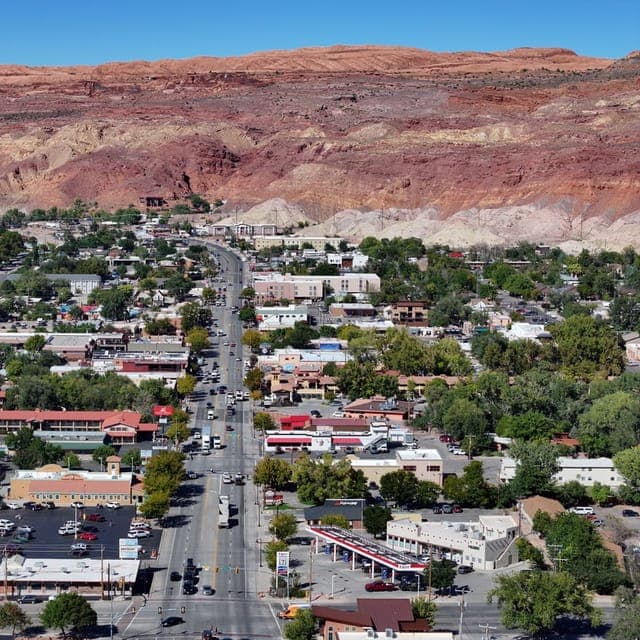
Living in Grand County, Utah means trading urban anonymity for a life where the red-rock horizon dominates your daily view and everyone at the Moab Diner knows the high school basketball coach by name. The county is essentially Moab and its surrounding unincorporated pockets—Castle Valley, Spanish Valley, and the remote stretches along the Colorado River—so your experience here is defined by how much solitude you want versus how close you need to be to a grocery store. It’s a place for people who genuinely love the outdoors more than they love a mall, and who don’t mind that the nearest Target is a three-hour drive away in Grand Junction, Colorado.
The Daily Rhythm in Moab and Beyond
For most residents, the day starts early. The sun rises fast over the La Sal Mountains, and by 7 AM, the trails in the Sand Flats Recreation Area are already filling with mountain bikers and trail runners. The average commute here is just under 22 minutes—short by national standards—but that’s partly because many people live in Spanish Valley or along the Kane Creek corridor and work in Moab proper. If you’re a local, you probably work in tourism, hospitality, or for a federal land management agency like the Bureau of Land Management or the National Park Service. The median household income sits at $62,521, which is below the state average, and that number reflects the reality that many jobs here are seasonal or service-based. You’ll find a mix of young adventure guides, mid-career remote workers who moved here for the lifestyle, and retirees who cashed out of coastal housing markets to buy a home in Castle Valley for under $500,000—though that’s getting harder, with the median home value now at $480,900 and the cost of living index at 121, well above the national average.
Weekends are for recreation. Locals hike the Hidden Valley Trail before the tourists arrive, float the Colorado River in a drift boat, or drive 20 minutes to the Poison Spider Mesa trail system for a day of four-wheeling. Shopping is practical: City Market and the local Ace Hardware cover most needs, and the Moab Farmers Market (May through October) is where you grab fresh produce and chat with neighbors. Dining out means a rotation of the Moab Brewery for burgers and local beer, the Sunset Grill for special-occasion steak dinners with a view, and the Jailhouse Café for breakfast burritos that fuel a day on the trail. There’s no movie theater, no bowling alley, and no chain department store—so if that sounds limiting, Grand County probably isn’t for you.
Sports, Community, and the Schoolyard Hub
High school sports are a genuine community anchor here. Grand County High School’s football and basketball games draw crowds that fill the bleachers on Friday nights, and the rivalry with San Juan High School in Blanding is the kind of thing people talk about all week. The school system itself is small—just a few elementary schools, one middle school, and one high school—so teachers know students by name, and parent involvement is high. For a county of 9,697 people with a median age of 39.6, the schools function as a social hub as much as an educational one. There’s no college or university in the county, though many local high school graduates go on to Utah State University in Logan or the College of Eastern Utah in Price.
Beyond school sports, the community rallies around events like the Moab Music Festival in late summer, which brings chamber music and bluegrass to outdoor venues along the river, and the Easter Jeep Safari, which swells the town’s population by tens of thousands for a week of off-roading. That event is a love-it-or-hate-it affair: locals appreciate the economic boost but dread the traffic and crowds. The annual Moab Folk Festival in November is a quieter, more local affair, with performances at the Star Hall auditorium.
What Works, What Grates, and Who Thrives Here
The pros are obvious: world-class national parks (Arches and Canyonlands are in your backyard), endless outdoor recreation, a tight-knit community where people actually know each other, and a pace of life that feels deliberate rather than rushed. The violent crime rate is 217.9 per 100,000, which is slightly above the national average but largely concentrated in tourist-season incidents like theft from vehicles and occasional bar fights on Main Street. Most residents feel safe walking alone at night, especially in the residential neighborhoods of Spanish Valley.
The cons are real and worth weighing. Housing is expensive relative to local wages, and the inventory of homes under $400,000 is vanishingly small. Rentals are scarce and often priced for short-term vacation stays, making it hard for young families and service workers to find a place to live. Summers are brutally hot—June through August regularly hit 100°F—and the tourist season means Main Street is gridlocked with Jeeps and rental RVs from March through October. Healthcare is limited: the Moab Regional Hospital handles emergencies and basic care, but specialists require a drive to Grand Junction or Salt Lake City. And if you’re not an outdoor enthusiast, there’s not much else to do—no concerts, no pro sports, no nightlife beyond a few bars like the Woody’s Tavern pool tables.
The kind of person who fits in here is someone who values solitude and scenery over convenience and variety. Remote workers with a solid internet connection (Starlink is common in the outlying areas) do well. Retirees who want to hike and bike in their 60s and 70s thrive. Families who want their kids to grow up climbing rocks and rafting rivers instead of playing video games find it idyllic. But if you need a Costco, a movie theater, or a job that pays more than $50,000 a year without a long commute, you’ll likely feel the squeeze. Grand County is a trade-off—and for the people who stay, it’s one they make willingly.

* Values derived from national, state, county, city and local statistics and may differ in a specific area. Last updated: 2026-06-05T03:25:14.000Z
Narrative content on this page is AI-generated and may contain mistakes. Verify any details that matter before acting on them.
ReloMaps may earn a commission from affiliate links at no extra cost to you.

