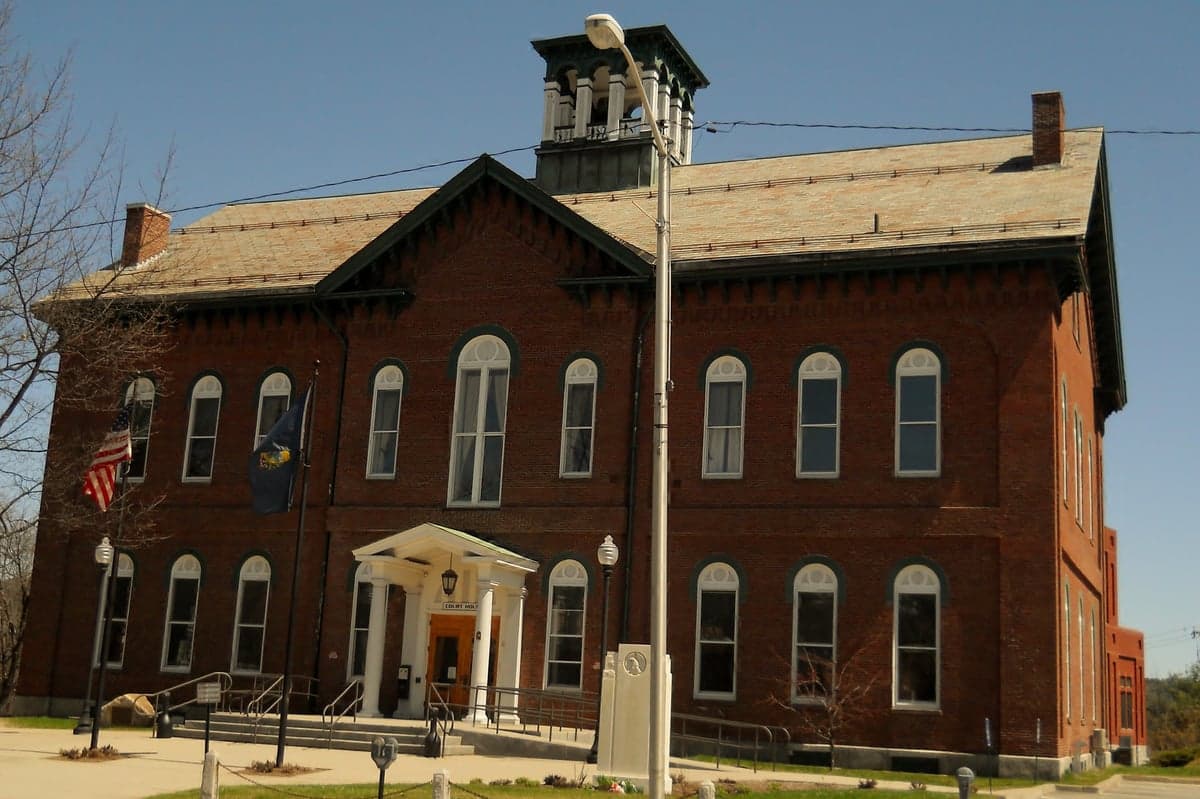
Photo: Wikipedia
Personal Sovereignty in Caledonia County
Moderate friction. Expect trade-offs in some aspect of personal liberty and independence.
What does Personal Sovereignty tell us?
Personal Sovereignty measures your capacity for self-reliance and independence with minimal government friction. Higher scores mean fewer barriers between you and the way you want to live... but it assumes you have the space you need and good neighbors.
What does this tell us?
Personal Sovereignty measures your capacity for self-reliance and independence with minimal government friction. Higher scores mean fewer barriers between you and the way you want to live... but it assumes you have the space you need and good neighbors.
State Policy
Energy independence: Importer (15% of energy produced in-state)
Personal Liberty
Homesteading

Personal Liberty Analysis
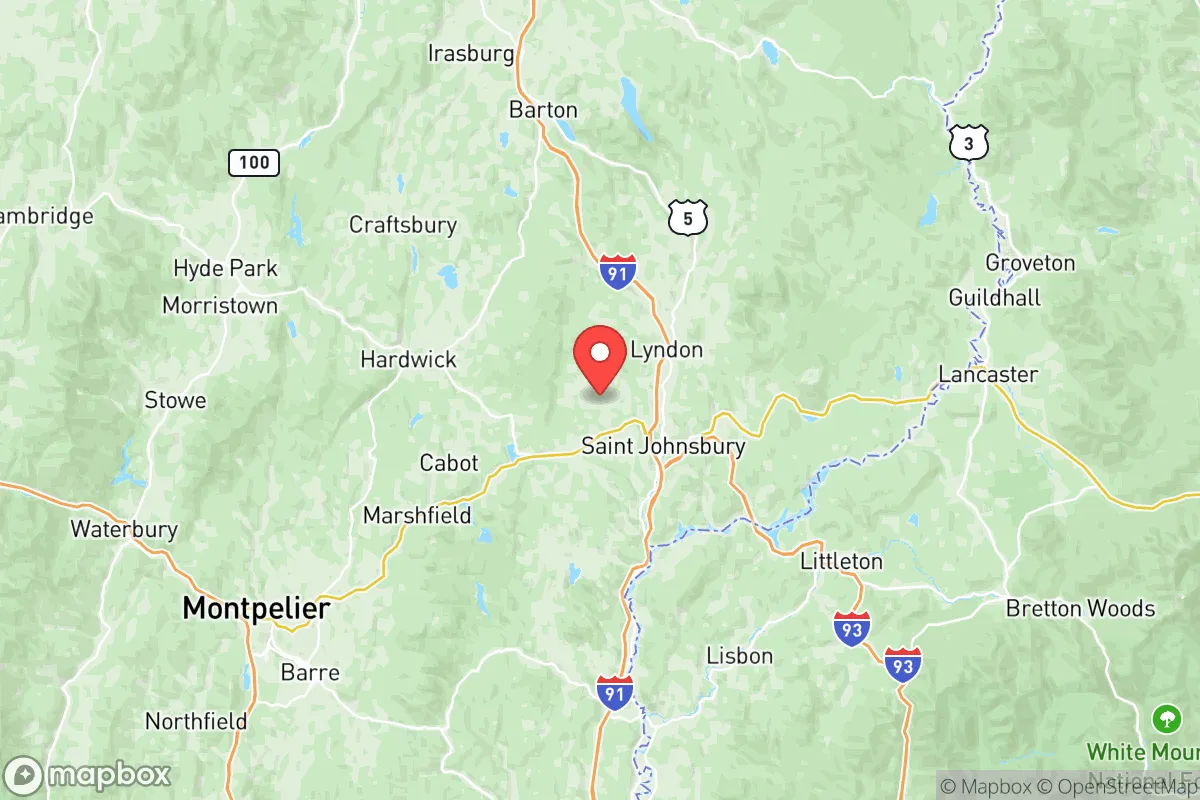
Caledonia County offers a mixed autonomy environment where Vermont’s progressive state-level overreach is tempered by local geography and a stubborn rural culture that values self-reliance. St. Johnsbury and Lyndonville function as the population centers, but the real advantage lies in the outlying towns like Burke, Danville, and Barnet, where enforcement of state mandates is lax and a frontier mentality persists. The county provides a practical middle ground for those seeking personal sovereignty — far more forgiving than Chittenden County, yet not as permissive as states like New Hampshire, which sits a short drive east.
How Vermont’s tax and regulatory climate actually plays out in rural Caledonia County
Vermont carries a reputation for high taxes and strict land-use rules, and Caledonia County is not exempt from state income taxes that top out at 8.75% or property tax rates that average around 1.8% of assessed value. The real wildcard is Act 250, the state’s sprawling land-use law that can trip up any development project over one acre. That said, local enforcement in towns like Danville and Barnet is far more pragmatic than in Burlington or Montpelier. Zoning officers in these communities understand that a man’s property is his castle, and they tend to look the other way on minor structures and home-based businesses. The regulatory posture is best described as state-level drag with local leniency. You still have to file the paperwork and pay the taxes, but the day-to-day attitude in Caledonia County is one of “don’t ask, don’t tell” when it comes to low-impact homesteading. The property tax burden remains a real concern, but it buys a school system that is functional and a county government that stays out of your face.
Self-defense realities and gun law specifics for Caledonia County residents
Vermont is a constitutional carry state — no permit required to carry a concealed firearm — and that right is exercised openly across Caledonia County. St. Johnsbury and Lyndonville have functional gun shops and a culture where firearms are treated as tools, not politics. However, the state legislature has been chipping away at this freedom with measures like Act 69 (2018), which raised the purchase age to 21 and banned bump stocks, and a 2023 law prohibiting firearms in hospitals and certain public buildings. Magazine capacity remains unrestricted as of 2026, but the political winds in Montpelier blow toward further restrictions. The practical reality in Caledonia County is that Sheriff’s deputies in Burke and Danville are known to be pro-2A and will not enforce laws they deem unconstitutional. A survivalist would be wise to keep a low profile at the state level — avoid running afoul of the game warden or the health department — but the local law enforcement posture is about as respectful of the Second Amendment as you will find in New England. The border with New Hampshire, just 20 minutes from Lyndonville, provides an escape valve if Vermont’s gun laws ever cross the line.
Self-reliance and homesteading viability: lot sizes, zoning, and off-grid feasibility
This is where Caledonia County shines. Barnet, Danville, and Burke have large rural parcels — often 5 to 50 acres — available at prices that would cause an aneurysm in southern Vermont or the Burlington suburbs. Many of these properties lack town water and sewer, meaning you are expected to drill a well and install a septic system. Town zoning in these areas is minimal; you can build a primary residence without a permit in certain unincorporated pockets, and accessory structures rarely require anything beyond a courtesy call to the town clerk. Off-grid feasibility is high: solar arrays are common, woodlot access is abundant, and the county sees enough sun and geothermal potential to keep a modest home running year-round. Hardwick, on the county’s southern edge, has a strong agricultural tradition and a farmers’ market culture that supports self-sufficient food production. The catch is winter. Caledonia County gets serious snow and cold, so any off-grid plan needs a robust heating system — think wood stoves and passive solar design. The state health department will require a permit for an alternative wastewater system, but reliable contractors in the region know how to work within the rules without imposing the full weight of state bureaucracy. For a prepper looking to grow food, harvest timber, and run a homestead on solar, Caledonia County offers some of the best land-to-regulatory-burden ratios in the Northeast.
Personal liberties: parental rights, medical autonomy, speech, and property protections
Vermont’s progressive stance on education and health care creates friction for conservative families. Public schools in St. Johnsbury and Lyndonville are competent but follow state curriculum mandates that may not align with traditional values. Home-schooling is legal and relatively straightforward — a simple notice to the local superintendent is required, and there is no testing mandate as of 2026 — making it a viable option for parents who want full control. The Burke and Danville districts are small enough that school boards tend to be responsive to parental concerns, and local teachers often have deep community ties. Medical autonomy is a mixed bag: Vermont has universal state-run health care and vaccine mandates for school enrollment (with a philosophical exemption that has been under attack but survived court challenges as of early 2026). Rural doctors in Caledonia County are more likely to respect patient choice, but Montpelier pushes hard on vaccine passports and reporting requirements. Speech is protected under the First Amendment, and the county’s cultural conservatism means you can voice your views without social retaliation — unlike in parts of Chittenden County. Property rights are the strongest constitutional protection here, but Act 250 remains a sword of Damocles for any development. The bottom line on personal liberties: you have more room to operate in Caledonia County than anywhere else in Vermont except the Northeast Kingdom’s wilder corners, but the state’s footprint is never fully gone.
Relative to other parts of the country, Caledonia County delivers a hard-won independence that few northeastern regions can match. It is not a free

* Values derived from national, state, county, city and local statistics and may differ in a specific area. Last updated: 2026-06-01T15:15:49.000Z
Narrative content on this page is AI-generated and may contain mistakes. Verify any details that matter before acting on them.
ReloMaps may earn a commission from affiliate links at no extra cost to you.

