Photo: Wikipedia
Quality of Life in Caledonia County
A livable area that tracks near national norms for affordability, walkability, and neighborhood health.
What does Quality of Life tell us?
Quality of Life measures an area by evaluating factors like cost of living, nearby amenities, country club access, airport proximity, socioeconomic signals and neighborhood character. For large states, this is a general average — quality of life can vary dramatically between metro areas, suburbs, and rural communities within the same state.
What does this tell us?
Quality of Life measures an area by evaluating factors like cost of living, nearby amenities, country club access, airport proximity, socioeconomic signals and neighborhood character. For large states, this is a general average — quality of life can vary dramatically between metro areas, suburbs, and rural communities within the same state.
Cost of Living
23% below national average
107%
The Real Cost of Living in Caledonia County for 2026
| Tier | Individual | Family (4) |
|---|---|---|
| Survival | $14k | $27k |
| Comfortable | $42k | $62k |
| Luxury | $115k+ | $179k+ |
| Elite (Top 5%) | $136k+ | $211k+ |
Quality-of-Life Analysis
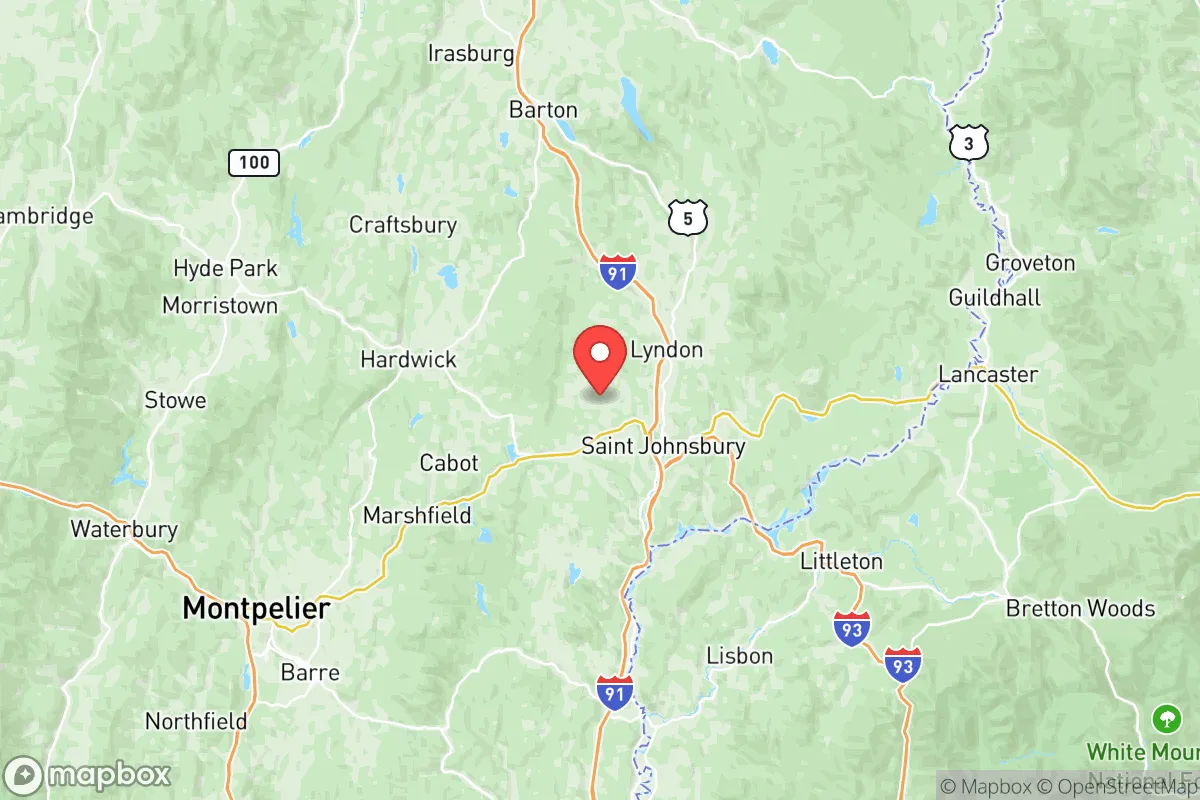
Caledonia County in northeastern Vermont offers a distinct quality-of-life spectrum that ranges from the county seat of St. Johnsbury — a historic railroad town with a walkable downtown and small-city amenities — to deeply rural hamlets like Peacham and Barnet where dirt roads and century farms define daily life. The county’s overall cost-of-living index of 77 (100 equals the U.S. average) and a median home value of $215,900 make it one of the more affordable corners of Vermont, attracting a mix of remote workers, outdoor enthusiasts, and families seeking a quieter pace. The average commute of about 24 minutes reflects the county’s compact geography, where most residents work within the county or commute short distances to neighboring Caledonia towns or even to New Hampshire’s North Country.
Largest town(s) & population centers
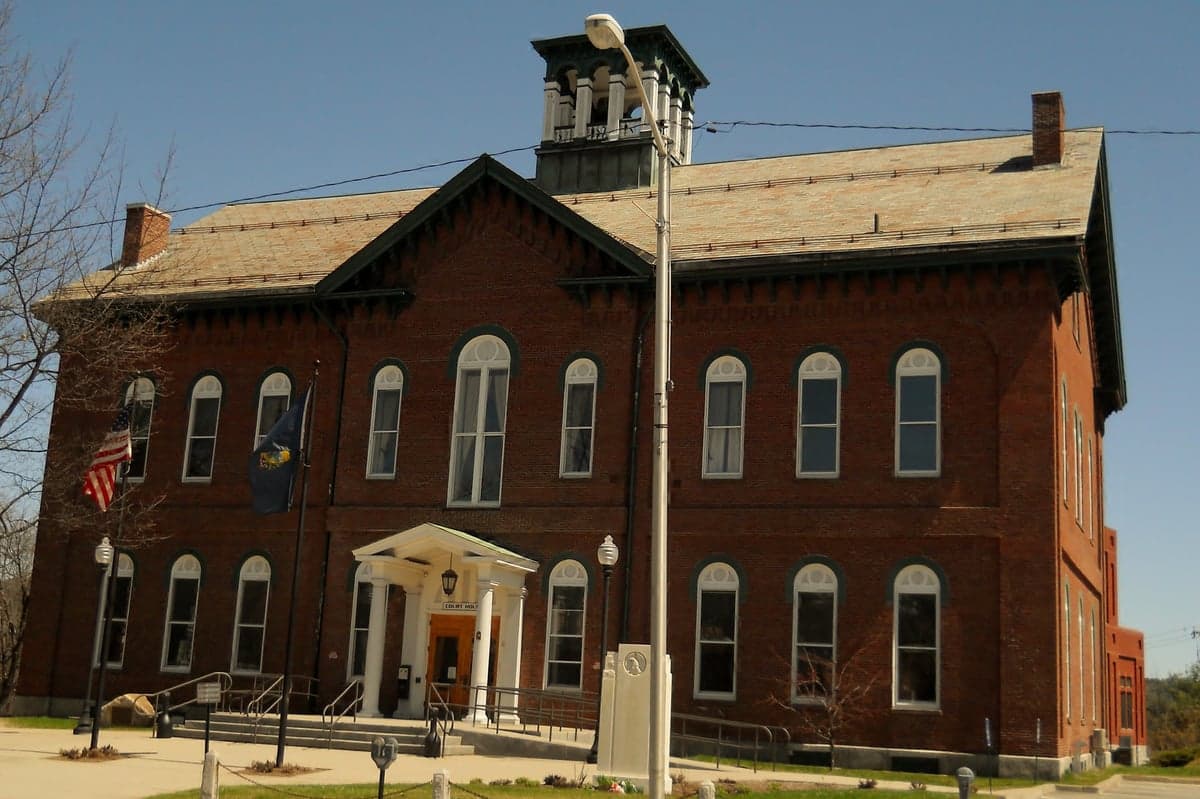
St. Johnsbury is the county’s commercial and cultural hub, with roughly 7,600 residents. Daily life centers around the historic downtown on Railroad Street, home to the St. Johnsbury Athenaeum (one of the oldest continuously operating libraries in the U.S.), the Fairbanks Museum & Planetarium, and a number of locally owned cafes and shops. The town hosts the Caledonia County Courthouse, Northeastern Vermont Regional Hospital, and major employers such as Littleton Coin Company (online headquarters) and Lyndon State College (now part of Vermont State University Lyndon). Housing here spans Victorian-era homes on tree-lined streets to newer subdivisions, with median home prices slightly above the county average. Lyndonville (pop. about 5,900) is the second-largest population center, centered on the Lyndon State campus and the historic Darling Inn. The village offers a compact commercial strip along Route 5, with grocery stores, banks, and a brewery. Both St. Johnsbury and Lyndonville offer public schools, a regional hospital, and retail anchors like the St. Johnsbury Walmart and Lyndonville’s Price Chopper.
Smaller towns & rural pockets
Beyond the two principal towns, Caledonia County’s character shifts dramatically. Barnet (pop. ~1,700) spreads across rolling hills and the Connecticut River valley, with scattered villages like Barnet Center and East Barnet. It’s a classic Vermont farming town with a strong sense of isolation — residents often commute to St. Johnsbury or Littleton, NH for work. Peacham (pop. ~730) is a high-elevation town known for its four-season views and active conservation community; it has no traffic light and only a general store. Danville (pop. ~2,300) offers a small but walkable village green with a library, post office, and a well-regarded K–8 school. Further north, Sheffield (pop. ~700) and Wheelock (pop. ~800) are among the most sparsely populated, with vast tracts of forest and seasonal road access. These smaller towns lack supermarkets and full-time retail; residents rely on trips to St. Johnsbury or Lyndonville for groceries and services. The trade-off is deep quiet, dark skies, and access to state parks like Groton State Forest and Victory Basin Wildlife Management Area.
Cost & lifestyle range
The cost-of-living spread across Caledonia County mirrors the rural-to-urban gradient. At the higher end, St. Johnsbury and Lyndonville see median home values around $225,000–$240,000, with monthly rents averaging $904 (county median). These towns offer more rental units and condos, plus walkable amenities. At the lower end, towns like Barnet, Peacham, and Sheffield have median home values below $200,000, with some older farmhouses available under $150,000. However, those lower prices come with higher heating costs (many homes use oil or wood) and longer drives to employers, schools, and healthcare. Rentals in rural areas are scarce; most housing is owner-occupied. Utilities in all parts of the county run above average due to harsh winters, but the overall COL index of 77 remains a major draw for buyers priced out of southern Vermont or the Burlington area.
Who thrives in Caledonia County? Self-sufficient individuals and families comfortable with winter driving, wood stoves, and a slower social pace do best. Remote workers with stable internet (fiber is available in St. Johnsbury and Lyndonville, but spotty in deeper rural areas) appreciate the low housing costs. Outdoor enthusiasts — hikers, skiers (nearby Burke Mountain is 15 minutes from Lyndonville), and anglers — find the county’s rivers and forests a year-round playground. Retirees seeking a quiet, affordable community often gravitate to Danville or Peacham. Those who need urban amenities, diverse dining, or public transit will find the county challenging; the nearest major airport (Burlington) is 1.5 hours away. For its blend of affordability, natural beauty, and small-town grit, Caledonia County remains a niche choice for those who value space and seasonality over convenience.

Crime in Caledonia County
Generally safer than 71% of comparable U.S. locations.
Violent CrimeViolent Crime Analysis
Property CrimeProperty Crime Analysis
Crime Analysis
Caledonia County, Vermont, presents a mixed safety profile where property crime rates exceed state averages while violent crime remains below national benchmarks. With a violent crime rate of 216.1 per 100,000 residents and a property crime rate of 1,434.7 per 100,000, the county’s overall risk is shaped by its rural character, small-town policing, and the judicial philosophy of the local prosecutor’s office. The county seat of St. Johnsbury and the village of Lyndonville experience the highest concentration of reported incidents, while smaller communities like Danville and Barnet generally report lower crime volumes.
Crime in context
Caledonia County’s violent crime rate of 216.1 per 100,000 is roughly 40% lower than the national average of about 380 per 100,000, but it is elevated compared to Vermont’s statewide rate of approximately 170 per 100,000. This means a resident’s chance of being a victim of violent crime is notably higher in Caledonia than in most other Vermont counties. The property crime rate of 1,434.7 per 100,000 sits about 15% above the Vermont average of roughly 1,250 per 100,000, though still well below the national figure of around 1,950 per 100,000. The disparity between violent and property crime rates is typical for a rural New England county, but the elevated numbers relative to the state warrant attention, particularly in St. Johnsbury, where the majority of thefts and burglaries are reported.
What residents experience
Residents in Caledonia County most frequently encounter property crimes such as larceny, vehicle break-ins, and vandalism, especially in the downtown areas of St. Johnsbury and near the Lyndon State College campus in Lyndonville. Drug-related offenses, particularly opioid and methamphetamine possession, are a persistent undercurrent that drives both property crime and occasional violent incidents. The local justice system, overseen by the Caledonia County State’s Attorney’s Office, operates within Vermont’s broader progressive criminal justice framework. This approach, which emphasizes diversion programs and reduced incarceration for non-violent offenders, has drawn criticism from residents who feel it leads to repeat property crimes and a revolving-door effect for offenders. In St. Johnsbury, for example, business owners have reported frustration with the lack of consequences for serial shoplifters and trespassers, a pattern that mirrors concerns in other liberal-leaning jurisdictions across the state.
Neighborhood-level variation
Crime in Caledonia County is not evenly distributed. The most concentrated risk is in St. Johnsbury, particularly along Railroad Street and the area around the intersection of U.S. Route 2 and Route 5, where bars, social services, and low-income housing cluster. Lyndonville, while generally safer than St. Johnsbury, sees elevated theft and disorderly conduct near the college and the commercial strip along Route 5. In contrast, the towns of Danville, Barnet, and Peacham report very low crime rates, with many years passing without a single violent incident. These communities benefit from strong social cohesion, limited commercial activity, and a population that is both older and more stable. For those seeking the safest environment within the county, these smaller towns offer a dramatically lower risk profile than the more urbanized areas around St. Johnsbury and Lyndonville.
* Values derived from national, state, county, city and local statistics and may differ in a specific area. Last updated: 2026-06-01T15:15:49.000Z
Narrative content on this page is AI-generated and may contain mistakes. Verify any details that matter before acting on them.
ReloMaps may earn a commission from affiliate links at no extra cost to you.

