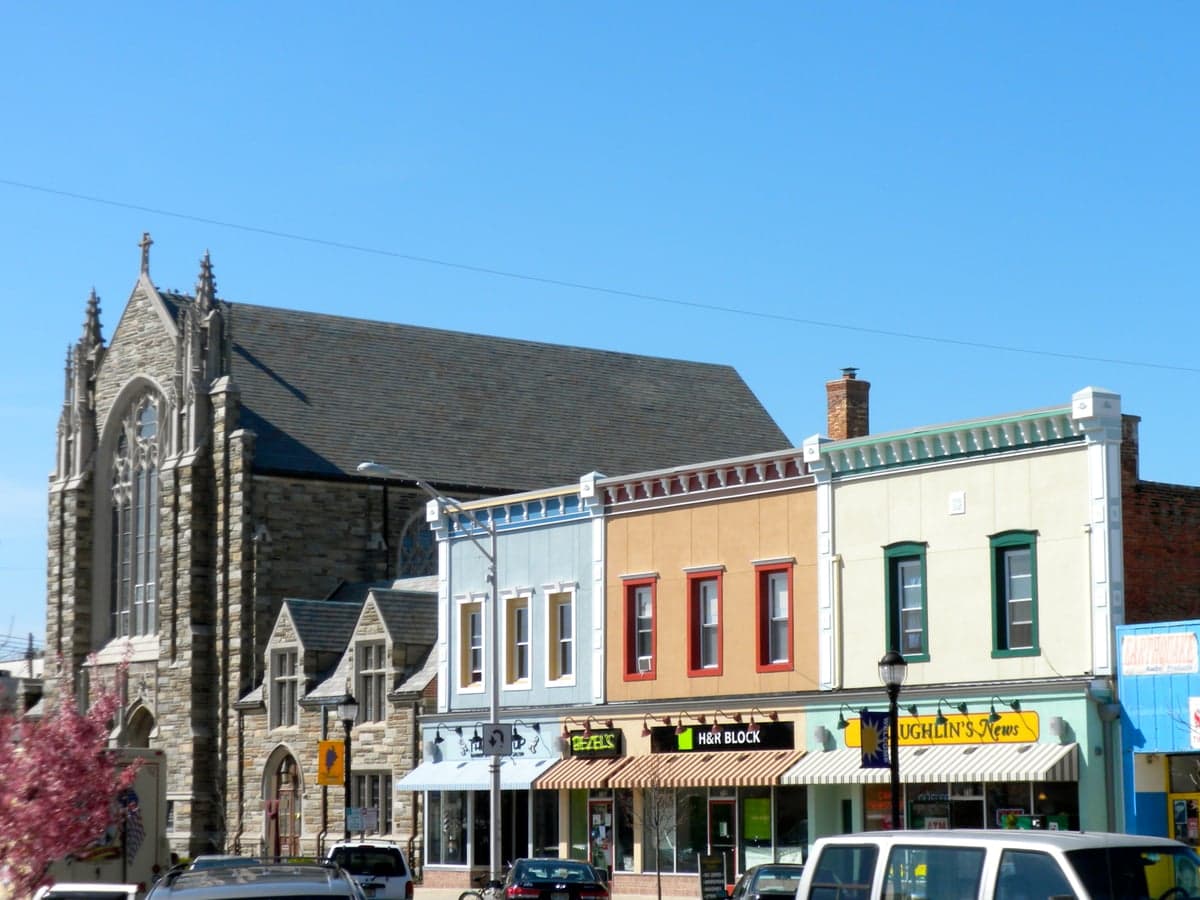
Photo: Wikipedia
Quality of Life in Vineland, NJ
A high quality of life with strong walkability, manageable living costs, healthy neighborhood signals, and solid amenity access.
What does Quality of Life tell us?
Quality of Life blends cost of living, nearby amenities, socioeconomic signals, and neighborhood character. City-level scores represent the whole municipality; individual neighborhoods can differ.
What does this tell us?
Quality of Life blends cost of living, nearby amenities, socioeconomic signals, and neighborhood character. City-level scores represent the whole municipality; individual neighborhoods can differ.
Cost of Living
7% below national average
The Real Cost of Living in Vineland, NJ for 2026
| Tier | Individual | Family (4) |
|---|---|---|
| Survival | $19k | $36k |
| Comfortable | $42k | $62k |
| Luxury | $119k+ | $184k+ |
| Elite (Top 5%) | $142k+ | $220k+ |
106%
The Area Signal
A metric tracking the socioeconomic signals of the area.
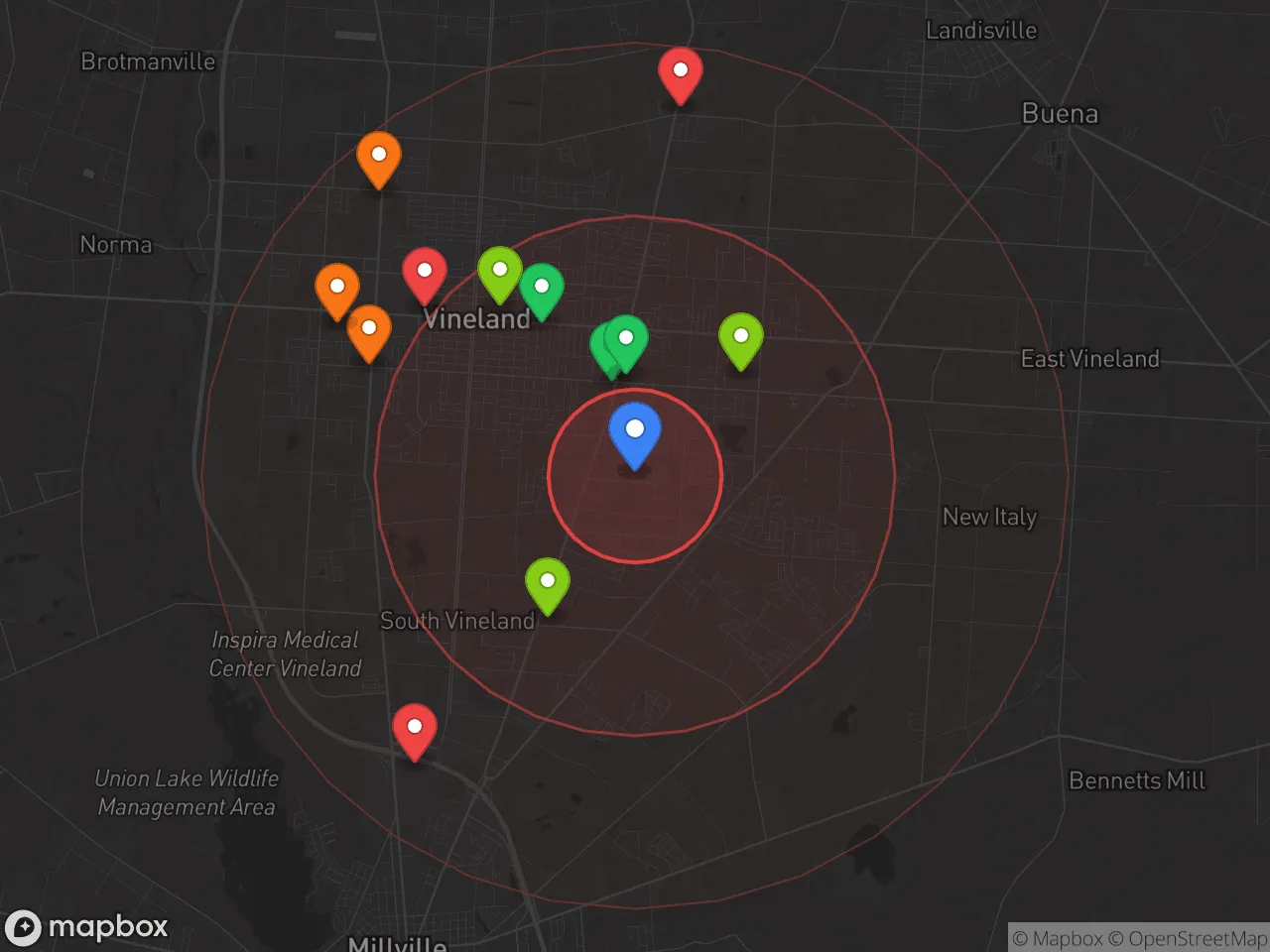
Hobbies
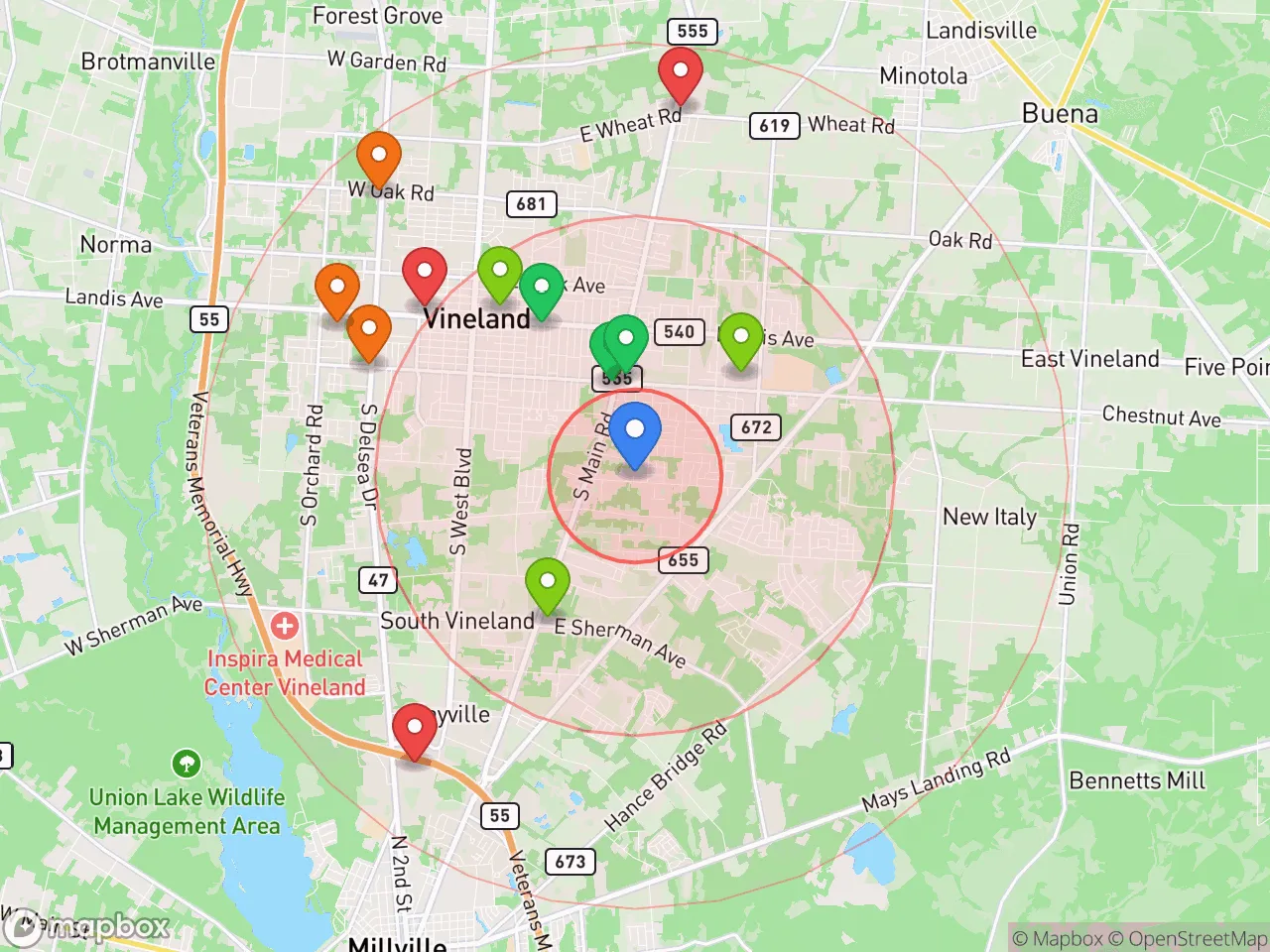
Explore the areaGroceries
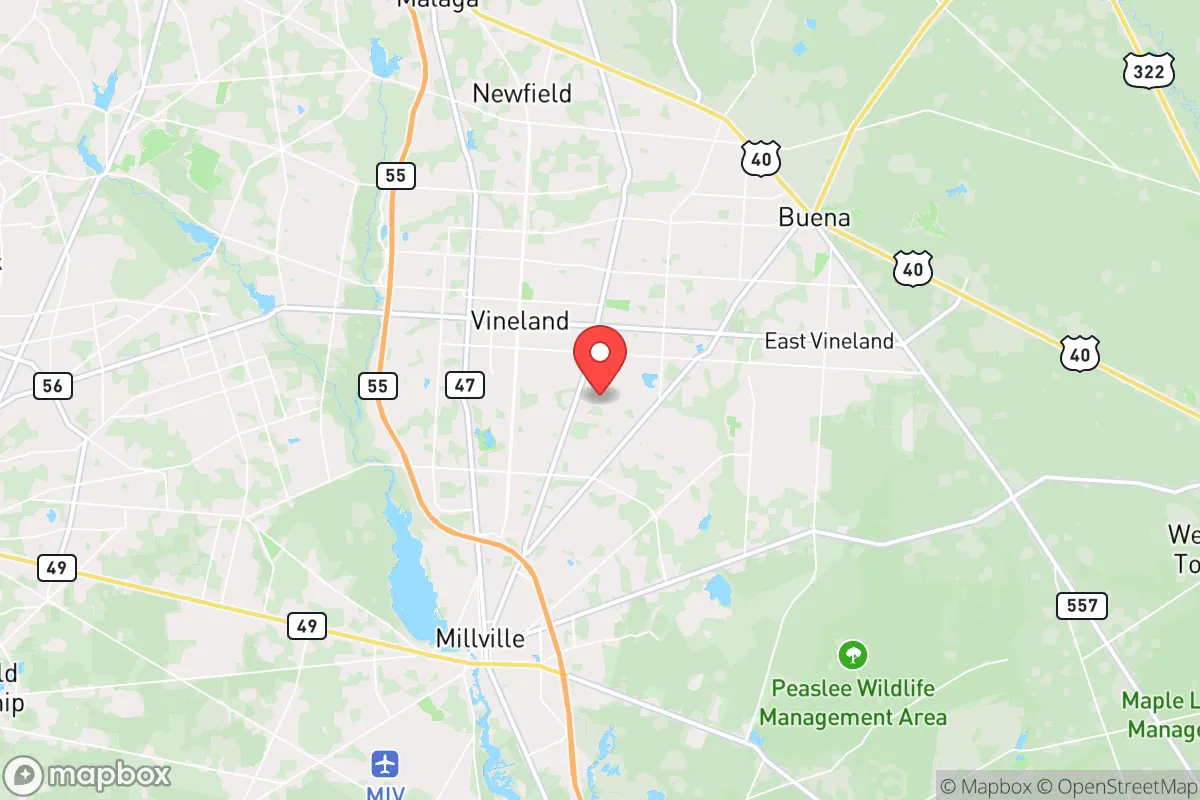
7 within 10 miles
Gas
17 within 10 miles
Hospital
6 within 20 miles
Airport
PHL — Philadelphia International
Post Office
USPS — Vineland, NJ
Critical Amenities
Quality-of-Life Analysis
Vineland, New Jersey, presents a quality-of-life profile that is notably more affordable than much of the Garden State, with a cost-of-living index of 93 (7% below the U.S. average) that attracts a mix of working-class families, first-time homebuyers, and retirees seeking value. The city’s median home value of $218,200 and median rent of $1,207 stand in stark contrast to the sky-high prices of Philadelphia’s Main Line suburbs or the Jersey Shore, making it a pragmatic choice for those who prioritize square footage and lower monthly expenses over proximity to coastal glamour. While Vineland is not an affluent enclave—its median household income trails state averages—it offers a stable, middle-class lifestyle rooted in agriculture and manufacturing, with a growing population of Hispanic and immigrant communities that shape its cultural fabric.
How housing costs and affordability compare to nearby cities
Vineland’s housing market is a clear outlier in South Jersey. The median home value of $218,200 is roughly half that of nearby Cherry Hill ($450,000+) and significantly below the New Jersey statewide median of over $400,000. Renters also benefit: the median rent of $1,207 is about 30% cheaper than comparable units in Atlantic City or Vineland’s neighbor, Millville. The average commute of 24 minutes is manageable for workers heading to employers like the Inspira Health Network or local glass and food-processing plants, though longer drives to Philadelphia (45–60 minutes) are common for higher-paying jobs. Property taxes in Cumberland County are high by national standards (around 2.5% of assessed value), but the lower home prices keep annual tax bills below $5,500 for most buyers—far less than the $10,000+ seen in North Jersey suburbs. For renters, the trade-off is a limited stock of newer luxury apartments; most units are older single-family homes or small complexes.
What daily life is like for families: schools, amenities, and local rhythm
Daily life in Vineland revolves around its strong community institutions and a slower pace than the Philadelphia metro. The Vineland Public Schools district serves roughly 9,000 students, with Veterans Memorial Intermediate School and Vineland High School offering vocational and STEM programs, though overall test scores lag state averages. For recreation, the city’s Landis Park and Vineland Municipal Golf Course provide green space, while the Cumberland Mall and downtown’s Landis MarketPlace anchor retail and dining. The area’s agricultural heritage is visible in roadside farm stands and the annual Vineland Harvest Festival. Commuters appreciate the NJ Transit 313 bus to Philadelphia and the nearby Atlantic City Rail Line at the Vineland station. Healthcare is accessible via Inspira Medical Center Vineland, a 365-bed facility that is the region’s largest employer. The rhythm is distinctly suburban—strip malls, chain restaurants, and a strong presence of churches and community centers—with nightlife limited to a handful of bars and the Landis Theater for live performances.
Vineland is best suited for budget-conscious families, retirees on fixed incomes, and workers in healthcare, manufacturing, or agriculture who value affordability over urban amenities. The city’s low cost of living and short commute make it a practical base for those employed locally, while remote workers or Philadelphia commuters will find the trade-off of lower housing costs against a longer drive acceptable. Those seeking vibrant nightlife, top-tier schools, or coastal scenery should look elsewhere, but for a stable, family-oriented community with a strong sense of place and room to breathe, Vineland delivers a solid return on investment.

Crime in Vineland, NJ
Crime rates similar to the national median for U.S. locations.
Violent CrimeViolent Crime Analysis
Property CrimeProperty Crime Analysis
Crime Analysis
Vineland, New Jersey, presents a crime picture that demands careful consideration from potential residents. With a violent crime rate of 394 incidents per 100,000 residents and a property crime rate of 2,244 per 100,000, the city's safety metrics significantly exceed both state and national averages. These figures place Vineland in a category where proactive safety awareness and neighborhood selection are not optional but essential for daily life.
Crime in context
To understand Vineland's safety landscape, it is crucial to compare its rates to broader benchmarks. The national violent crime rate in recent years has hovered around 380 per 100,000, meaning Vineland's 394 per 100,000 is slightly above that mark. However, New Jersey as a whole is one of the safest states in the nation, with a statewide violent crime rate often below 220 per 100,000. This means Vineland's violent crime rate is nearly double the New Jersey average. The property crime rate of 2,244 per 100,000 also exceeds the national average of roughly 1,950 per 100,000 and is significantly higher than the New Jersey average of approximately 1,200 per 100,000. These disparities are not minor statistical blips; they reflect a real and elevated risk environment compared to the rest of the state.
What residents experience
The raw numbers translate into tangible concerns for those living in Vineland. The elevated violent crime rate means residents face a higher-than-average likelihood of encountering incidents like aggravated assault, robbery, and, less frequently, homicide. Property crime is the more pervasive issue, with theft, burglary, and motor vehicle theft being common occurrences that affect daily routines and property values. A significant contributing factor to these elevated rates is the legal and prosecutorial environment in Cumberland County. The area operates within New Jersey's broader progressive judicial framework, which often prioritizes diversion programs, reduced bail, and shorter sentences over incarceration. While intended to reduce recidivism, this approach can result in repeat offenders cycling back onto Vineland's streets more quickly, undermining public safety and diminishing the sense of justice for victims. Residents frequently report that this revolving-door dynamic erodes trust in the system and creates a persistent undercurrent of unease.
Neighborhood-level variation
Safety in Vineland is not uniform across its 69 square miles. The city's layout, a mix of older urban core and sprawling suburban developments, creates distinct pockets of risk. Areas near the downtown corridor and along major commercial arteries like Landis Avenue and Delsea Drive tend to concentrate higher crime activity, particularly property offenses and drug-related incidents. In contrast, quieter residential neighborhoods on the city's outskirts—such as those near the Millville border or in the more rural sections east of Route 55—often report lower incident rates. Prospective residents should prioritize visiting specific blocks at different times of day and consulting local police department crime maps, as a street-by-street variance can be dramatic. The safest approach is to target neighborhoods with strong homeowners' associations, active neighborhood watch programs, and a visible police presence, as these factors provide the best counterbalance to the city's systemic challenges.
* Values derived from national, state, county, city and local statistics and may differ in a specific area. Last updated: 2026-04-29T21:12:45.000Z
Narrative content on this page is AI-generated and may contain mistakes. Verify any details that matter before acting on them.
ReloMaps may earn a commission from affiliate links at no extra cost to you.

