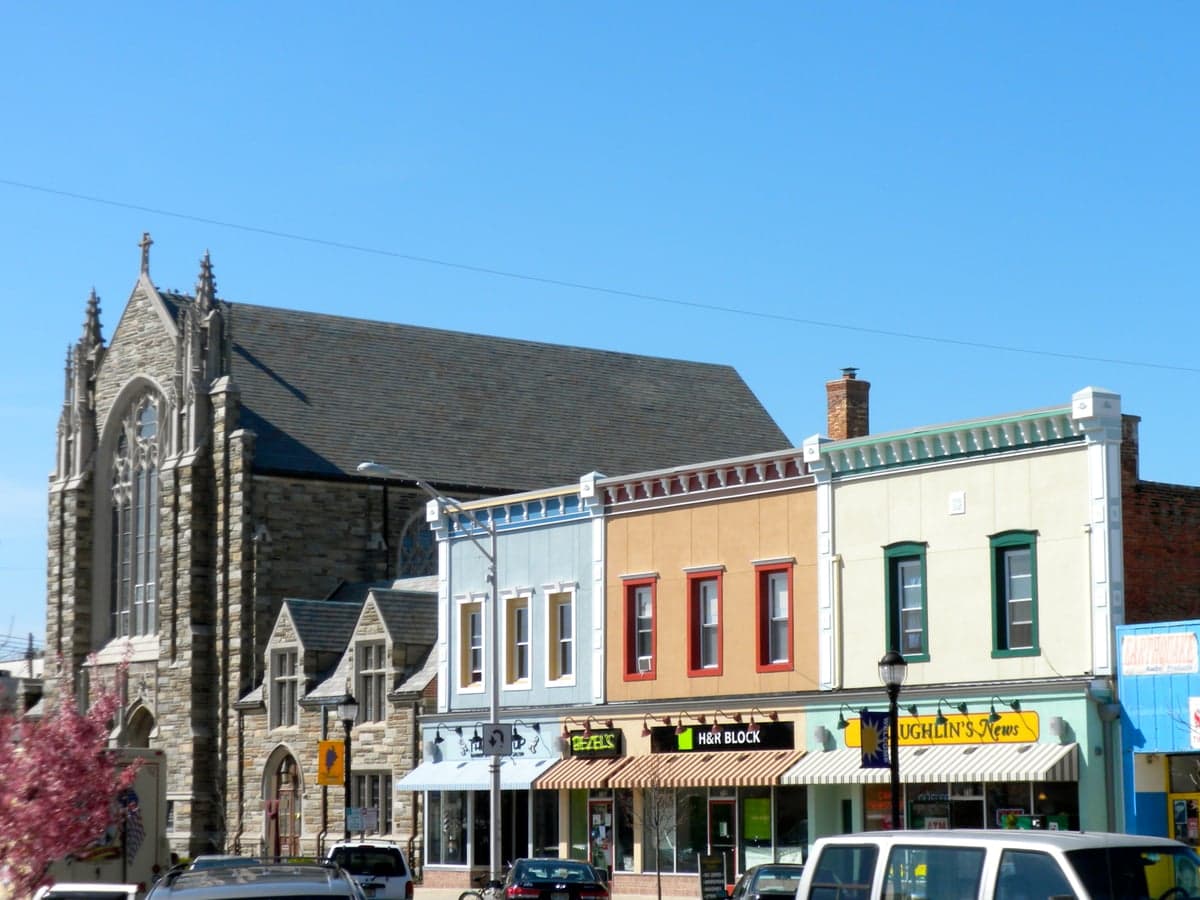
Photo: Wikipedia
Strategic Assessment of Vineland, NJ
Multiple tactical vulnerabilities. Population density, target proximity, or disaster risk are likely compounding. A retreat property and exit planning is required.
What does the Strategic Assessment tell us?
Our Strategic Assessment grades tactical survivability of an area. Major population centers, military targets, fallout zones, natural disasters, and border exposure all drive risk — lower exposure means a more defensible position in a crisis.
This is heavily inspired by Joel Skousen's Strategic Relocation book. Highly recommended you checkout the book ($)What does this tell us?
Our Strategic Assessment grades tactical survivability of an area. Major population centers, military targets, fallout zones, natural disasters, and border exposure all drive risk — lower exposure means a more defensible position in a crisis.
This is heavily inspired by Joel Skousen's Strategic Relocation book. Highly recommended you checkout the book ($)Strategic Pillars

Key Distances
Regional Safe Places
Below is our recommended "safe zones" in New Jersey and the surrounding area based on our strategic heuristics. For most people, it's unrealistic to live in a “safe zone” full-time due to work, family or other personal reasons. They tend to be more rural. However, many of these areas are perfect for second homes and retreat properties that double as a vacation home or even a short-term rental.
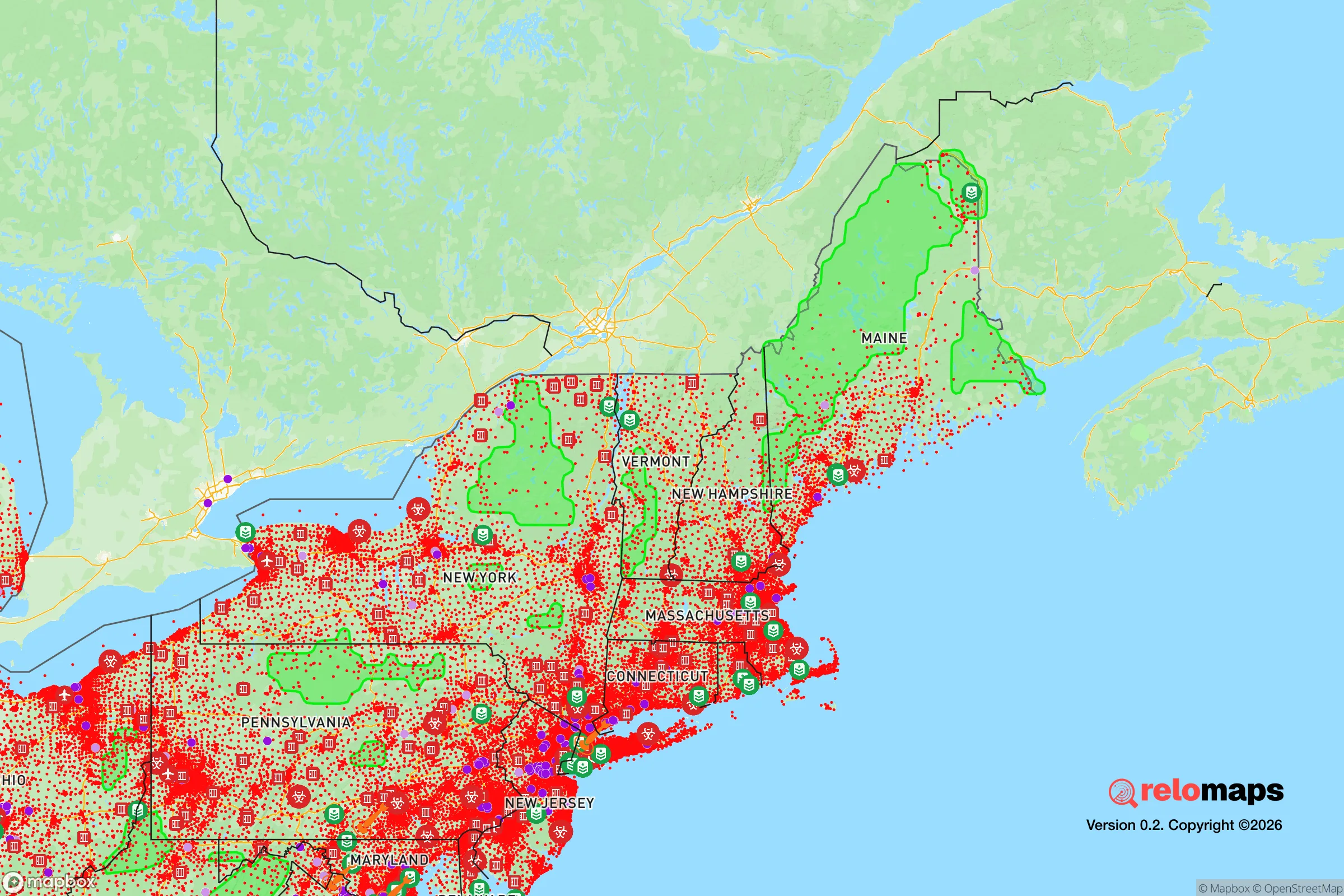
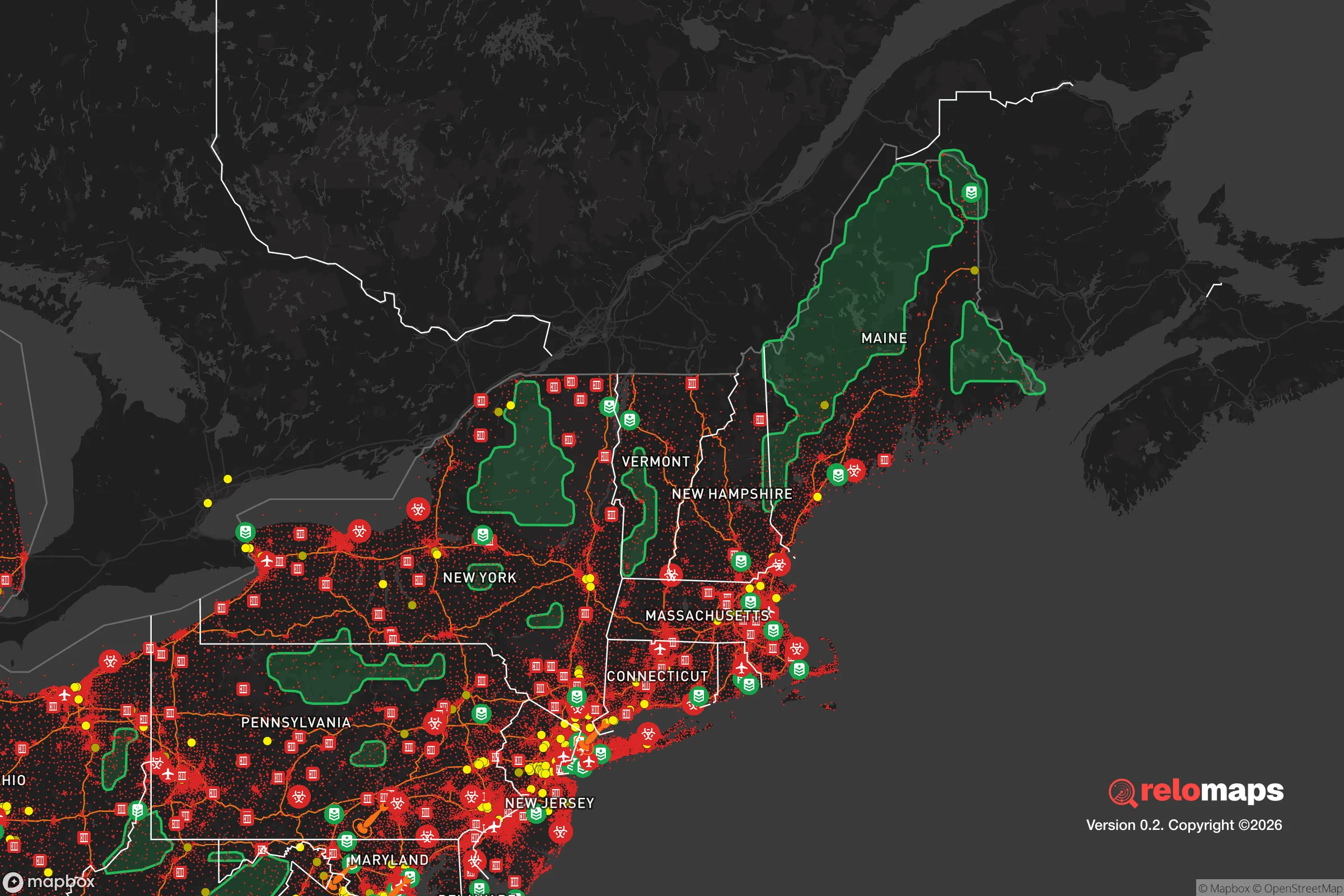


Important Note: For informational purposes only. This does not mean nothing bad ever happens in the green zones. Please use common sense. This is based on public data and modeled with AI. We tried to take a conservative approach but mistakes happen. We update this regularly as new information becomes available.
Solar Generator Recommendations
Backup power matters more here than in safer locations. We've picked three solar generators across budgets and capacity tiers — start with the budget unit if you only need a few essentials, or step up if you want to run a fridge and HVAC for days at a time.

Jackery Portable Power Station Explorer 300
Budget OptionPower on the Go: Weighing only 11 lbs, it's convenient to set up and store with book-sized foldable solar panels

BLUETTI Portable Power Station AC180
Designed for both indoor and outdoor scenarios, AC180 is highly capable as it has a robost capacity and continuous output power.

EF ECOFLOW DELTA Pro Ultra Power Station
Upgraded PickEcoFlow DELTA Pro Ultra is a whole-home energy system designed to grow with your family. Integrated with the Smart Home Panel 2, it scales to meet your evolving energy needs — keeping your home powered, intelligent, and secure through every stage of life.
We earn a commission, at no additional cost to you.
Strategic Assessment Analysis
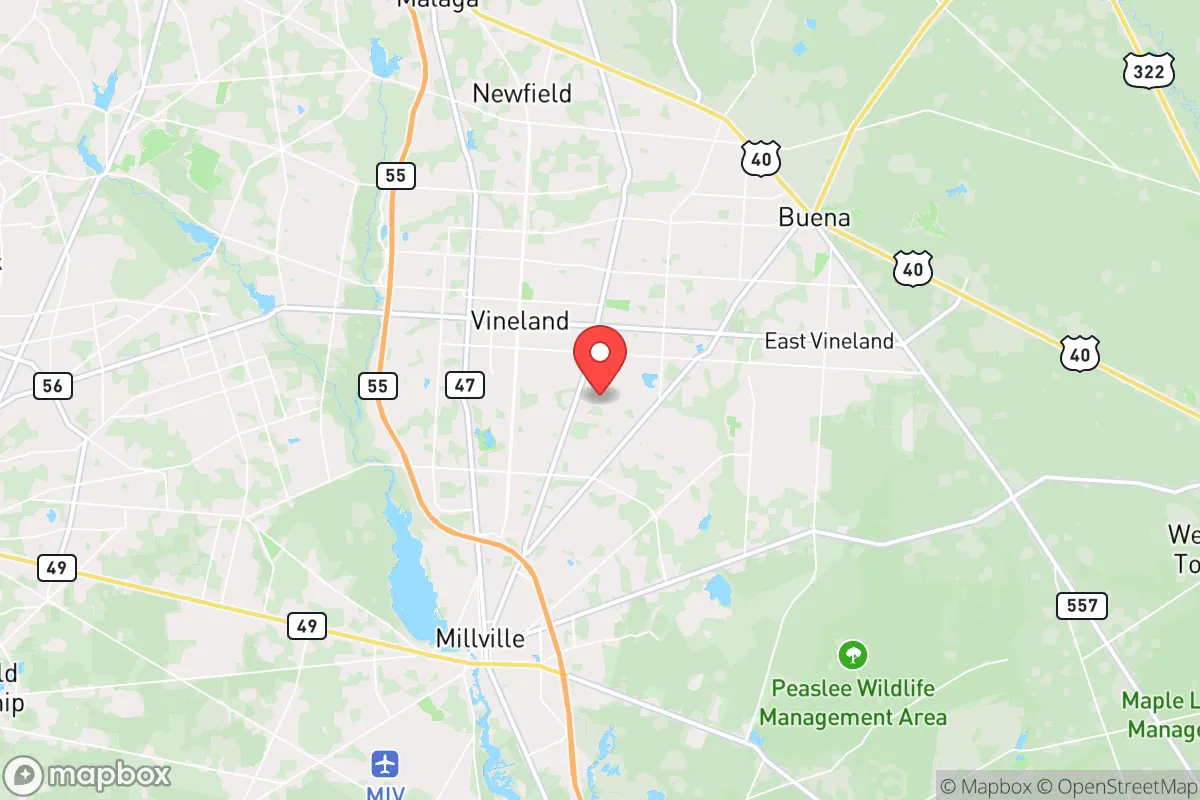
Vineland, New Jersey, sits in a curious strategic pocket—close enough to major metropolitan areas to be useful, but far enough to avoid the worst of their collapse scenarios. This city of roughly 60,000 in Cumberland County offers a blend of agricultural self-sufficiency, geographic insulation, and infrastructure that makes it a serious contender for a relocation-minded prepper. Its position in the southern part of the state, away from the dense corridor between New York and Philadelphia, provides a buffer that many other East Coast locations simply cannot match.
Geographic position and natural advantages for long-term survival
Vineland’s location in the Pine Barrens region is its single greatest strategic asset. The area sits atop the Kirkwood-Cohansey aquifer, one of the most productive freshwater sources on the Eastern Seaboard. This means that even in a prolonged drought or infrastructure failure, groundwater access is reliable and relatively shallow—typically 20 to 50 feet down. The surrounding landscape is flat, sandy, and forested, which limits the spread of wildfires compared to dense pine stands elsewhere, and the lack of major geological fault lines eliminates earthquake risk. The city is roughly 35 miles from the Atlantic coast, putting it outside the worst storm surge zones for hurricanes, though inland flooding from heavy rain remains a concern. The agricultural history of the region is not just a talking point; Cumberland County is one of New Jersey’s top producers of fruits and vegetables, meaning local food supply chains are robust and decentralized. For a relocator, this translates to a higher likelihood of barter networks and community gardens surviving a breakdown of national distribution.
Risks, exposures, and proximity to fallout-relevant landmarks
The most significant downside is Vineland’s proximity to several high-value targets. It lies roughly 45 miles from the Philadelphia Naval Yard and 60 miles from the Delaware River refineries, both of which are plausible targets in a major conflict. The city is also within 100 miles of the Salem and Hope Creek nuclear plants in southern New Jersey, and about 120 miles from the Indian Point facility in New York (though that plant is decommissioned, the spent fuel remains on site). In a worst-case scenario involving nuclear detonations or accidents, Vineland would likely see fallout within 12 to 24 hours depending on wind patterns. However, the prevailing winds in this region are from the west and northwest, which would push contamination toward the Atlantic rather than inland. The city itself has no major military bases, no large-scale chemical plants, and no major transportation hubs that would make it a primary target. The real risk is not a direct hit but the secondary effects: refugees fleeing Philadelphia and Atlantic City, supply chain collapse, and potential civil unrest in the immediate aftermath. Vineland’s population is relatively stable and not densely packed, which reduces the likelihood of rapid disease spread or resource riots compared to urban centers.
Practical resilience for a relocator: food, water, energy, and defensibility
For a prepper or survivalist, Vineland offers several concrete advantages. Water is the strongest asset: the shallow aquifer means a hand pump or solar-powered well can provide a family’s needs indefinitely, and the region’s average annual rainfall of 45 inches ensures surface water is plentiful for non-potable uses. Food production is viable year-round due to a growing season that runs from April to October, and the sandy soil, while poor in nutrients, is easy to work and amend with compost. Local farms like those in the Vineland Produce Auction network can be tapped for seeds, tools, and knowledge. Energy independence is achievable but requires upfront investment: the area gets about 200 sunny days per year, making solar panels a solid choice, and wood-burning stoves are common in rural homes due to the abundance of oak and pine in the surrounding forests. Defensibility is moderate. The city itself is spread out with a mix of suburban and rural parcels, meaning a relocator can find a property with good sightlines and limited access points. The nearby Pine Barrens offer deep cover for retreat if needed, but they also harbor ticks, mosquitoes, and the occasional black bear—nuisances, not threats. The biggest practical concern is the lack of a strong local prepper community; Cumberland County is not known for a robust survivalist culture, so newcomers may need to build their own networks from scratch. That said, the agricultural base means many locals already have skills in canning, animal husbandry, and mechanical repair, which are invaluable in a grid-down scenario.
The overall strategic picture for Vineland is one of moderate risk paired with high resilience. It is not a bunker location—it is too close to major population centers and potential fallout zones to be considered a safe haven in a full-scale collapse. But for a relocator who wants to stay within a few hours of the Northeast’s economic hubs while maintaining a defensible, self-sufficient property, it is one of the better options in New Jersey. The key is to treat it as a base of operations rather than a final redoubt. Stockpile water filtration gear, invest in solar and battery storage, and establish relationships with local farmers before any crisis hits. The area’s greatest strength is its ability to sustain a family through a medium-term disruption—months to a year—without requiring a complete off-grid lifestyle. For those willing to put in the work, Vineland offers a realistic middle ground between urban vulnerability and remote isolation.

* Values derived from national, state, county, city and local statistics and may differ in a specific area. Last updated: 2026-04-29T21:12:45.000Z
Narrative content on this page is AI-generated and may contain mistakes. Verify any details that matter before acting on them.
ReloMaps may earn a commission from affiliate links at no extra cost to you.

