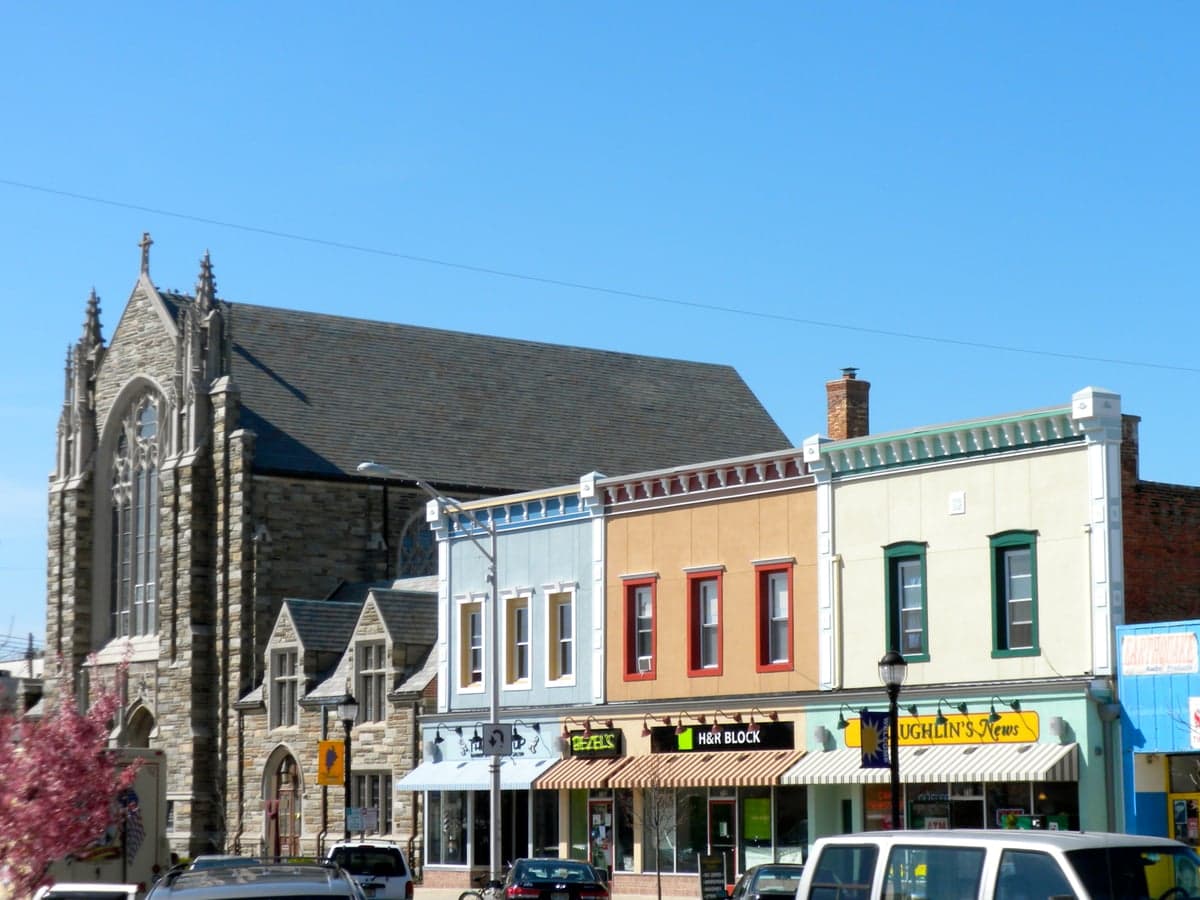
Photo: Wikipedia
Political ClimatePolitical Climate in Vineland, NJ
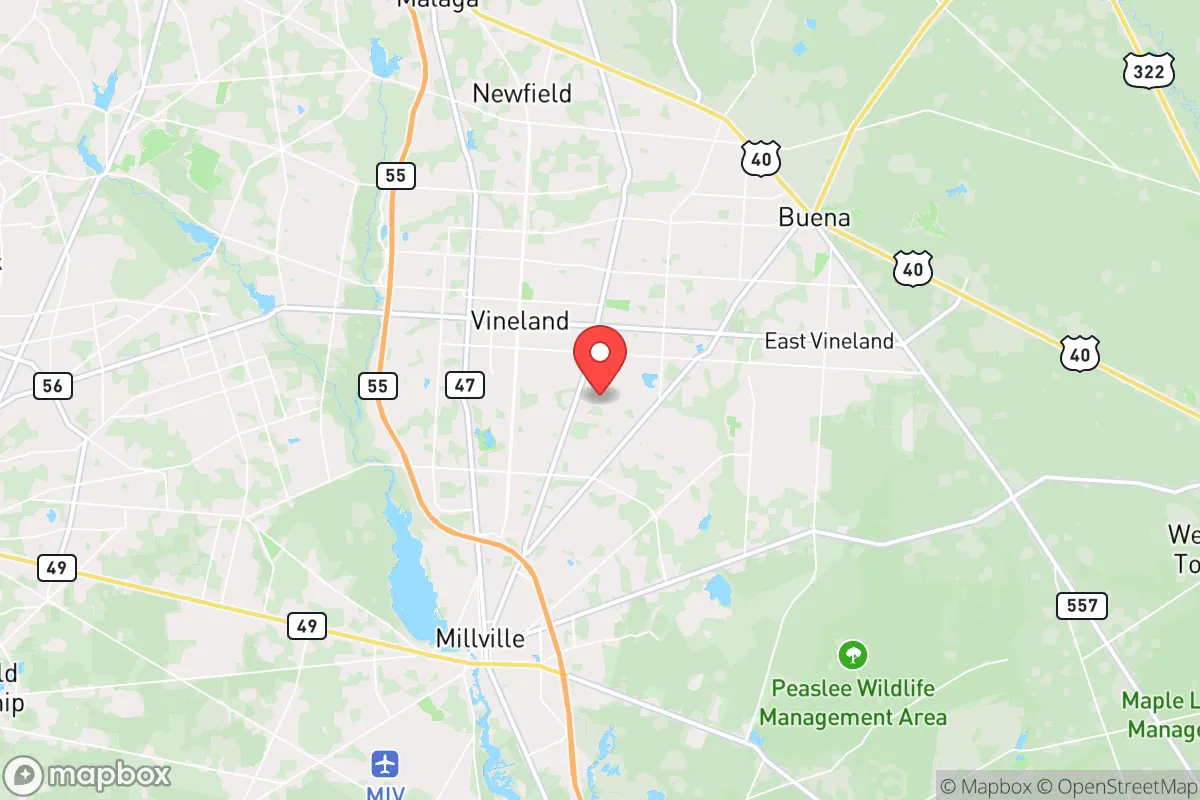
District shown is the primary district for this city’s centroid. Cities may span multiple districts.
Local Political AnalysisPolitical Analysis of Vineland, NJ
Vineland, New Jersey, sits in a bit of a political tug-of-war, but the ground here still leans reliably conservative, with a Cook PVI of R+5. That means the area votes about five points more Republican than the national average, which is a solid red flag in a state that’s otherwise gone deep blue in recent presidential elections. The city itself has a long history of blue-collar independence and a strong sense of local control, but you can feel the shift happening—more progressive ideas creeping in from the coasts and from Trenton, and it’s got a lot of us longtime residents watching our backs. The trajectory isn’t a hard turn left, but it’s a slow drift, and if you value personal freedoms and limited government, you’ll want to keep an eye on how things shake out over the next few years.
How it compares
Vineland is a conservative island in a sea of blue. Drive 20 minutes east to Atlantic City, and you’re in a place that’s voted reliably Democratic for decades, with all the big-government spending and social programs that come with it. Head north to Glassboro or Camden County, and you’ll find even more progressive strongholds, where property taxes are sky-high and local ordinances feel like they’re written by people who don’t trust you to run your own life. In contrast, Vineland’s surrounding Cumberland County is more mixed, but the city itself holds its ground. The R+5 rating puts it in the same league as places like Millville and Bridgeton, but Vineland is the largest population center, so it’s where the political battles really play out. You won’t see the same kind of aggressive zoning or mask mandates here that you’d find in, say, Cherry Hill or Princeton—at least not yet.
What this means for residents
For folks who live here, the political climate means you’ve got more breathing room than in most of New Jersey. The local government tends to be more hands-off on things like business regulations and property rights, which is a big deal if you’re a small business owner or just want to fix up your house without a dozen permits. But the pressure is real: state-level mandates from Trenton—like the recent push for electric vehicle mandates and stricter gun laws—are a constant threat to that local autonomy. You’ll see it in the school board meetings, where debates over curriculum and parental rights are getting louder. The conservative majority here means those fights are usually won, but it’s a grind. If you’re moving here for the lower taxes and the sense of personal responsibility, you’ll find it, but you’ll also need to stay engaged to keep it that way.
Cultural and policy distinctions
One thing that sets Vineland apart is its strong agricultural roots—this is farm country, and that brings a practical, no-nonsense attitude to politics. People here don’t have much patience for abstract ideology; they care about what works. You’ll see that in the local zoning laws, which are more lenient than in suburban New Jersey, and in the general resistance to overreach from the state. The city has a notable Italian-American and Hispanic population, and that mix tends to lean socially conservative on issues like family values and religious freedom. There’s also a growing libertarian streak, especially among younger residents who are tired of the two-party system but still want lower taxes and fewer regulations. The long-term outlook? If the progressive wave keeps washing over the rest of the state, Vineland could become a redoubt for folks who want to live their lives without the government breathing down their necks. But it’s going to take vigilance—and a willingness to vote like it matters.

State Political ClimatePolitical Climate in New Jersey
State Political AnalysisPolitical Environment in the State
New Jersey has long been a reliably blue state in presidential elections, but its political climate is far more nuanced than a simple partisan label suggests. The state has voted Democratic in every presidential election since 1992, but the margin has tightened in recent cycles, with Joe Biden winning by about 16 points in 2020 compared to Hillary Clinton’s 14-point margin in 2016. However, beneath the surface, a deep urban-suburban-rural divide, combined with a growing conservative backlash against progressive policies, is reshaping the landscape. The 2021 gubernatorial race saw Republican Jack Ciattarelli come within 3 points of unseating incumbent Phil Murphy, a sign that the state’s leftward drift may be hitting a ceiling.
Urban vs. rural divide
The political map of New Jersey is a patchwork of stark contrasts. The urban core—Newark, Jersey City, Paterson, and Camden—drives the state’s Democratic dominance, powered by dense populations, strong union ties, and a heavy reliance on public-sector jobs. These cities consistently deliver 70-80% of their votes to Democrats. In contrast, the rural and exurban counties of Sussex, Warren, and Hunterdon are reliably Republican, often voting 60-65% for GOP candidates. The real battleground is the suburbs, particularly in Bergen, Morris, and Monmouth counties. These areas have been trending leftward since the 1990s, driven by professional-class voters who prioritize social issues and environmental concerns. However, the 2021 gubernatorial race saw a notable shift: Ocean County voted for Ciattarelli by a 2-to-1 margin, while Middlesex County—once a Democratic stronghold—narrowly went for Murphy, signaling that the suburban drift may be slowing or even reversing in some areas.
Policy environment
New Jersey’s policy environment is a textbook example of progressive governance, which many conservatives view as overreach. The state has the highest property taxes in the nation, averaging over $9,000 per year, and a progressive income tax that tops out at 10.75% for earners over $1 million. The regulatory posture is heavy: the state has some of the strictest environmental rules in the country, a $15 minimum wage, and a paid family leave program that mandates up to 12 weeks off. Education policy is dominated by the teachers’ union, with per-pupil spending exceeding $25,000—among the highest nationally—yet outcomes in urban districts like Newark and Camden remain poor. Healthcare is heavily regulated, with the state running its own health insurance exchange under the Affordable Care Act. Election laws are among the most liberal: no-excuse mail-in voting, automatic voter registration, and same-day registration are all in place. For a conservative, this environment feels like a constant tax-and-regulate machine, with little room for individual choice or local control.
Trajectory & freedom
Over the past decade, New Jersey has moved decisively toward less personal freedom, particularly in areas conservatives care about. The state passed a red flag law in 2018, allowing courts to temporarily seize firearms from individuals deemed a threat, and in 2022 it banned the carrying of firearms in “sensitive places” like parks and public transit. Parental rights have been eroded: the state’s LGBTQ+ inclusive curriculum law (2019) mandates teaching about gender identity and sexual orientation from kindergarten, and the “Parents Bill of Rights” proposed in 2022 was defeated. On medical autonomy, the state expanded abortion access in 2022, codifying the right up to viability and allowing advanced practice nurses to perform the procedure. Property rights are constrained by strict land-use regulations and a powerful state planning commission. The tax burden continues to rise, with the 2023 budget including a new 2.5% surcharge on corporate income over $10 million. The only bright spot for conservatives is the state’s school choice program, which offers limited vouchers for low-income students in failing districts, but it remains small compared to the overall system.
Civil unrest & political movements
New Jersey has seen its share of political flashpoints. The Black Lives Matter protests in 2020 were large and widespread, particularly in Newark and Trenton, but they were largely peaceful compared to other states. The “Defund the Police” movement gained traction in Jersey City, where the city council cut the police budget by $1.5 million in 2020, though it was later restored. On the right, the “Reopen NJ” protests in 2020 drew thousands to the Statehouse in Trenton, opposing Governor Murphy’s strict COVID-19 lockdowns, which were among the longest in the nation. Immigration politics are a hot-button issue: New Jersey is a sanctuary state, with a 2018 executive order limiting cooperation with ICE, and Paterson and Newark have explicitly declared themselves sanctuary cities. Election integrity has been a persistent concern for conservatives, especially after the 2020 election, when the state’s universal mail-in voting system led to widespread reports of ballot harvesting and irregularities, though no major fraud was proven. A new resident would notice the constant tension between the progressive urban agenda and the more traditional values of the suburbs and rural areas.
Projection
Looking ahead 5-10 years, New Jersey’s political trajectory is likely to remain blue, but the margin could narrow further. The state is experiencing a slow but steady out-migration of residents to lower-tax states like Florida, Texas, and North Carolina, which tends to drain the tax base and reduce the Democratic vote share. However, the state is also attracting immigrants and young professionals to its urban centers, which could offset some losses. The 2025 gubernatorial election will be a key test: if a Republican can win, it would signal a major shift. The suburban counties like Bergen and Morris are likely to remain competitive, but the rural counties are becoming more conservative, while the urban cores are solidifying their progressive identity. A new resident moving in now should expect to see continued battles over taxes, education, and gun rights, with the state government likely to push further left on social issues while struggling to contain the fiscal pressures of high spending and a shrinking tax base.
For a conservative considering a move to New Jersey, the bottom line is this: you’ll be living in a state where your vote for president is effectively irrelevant, but your local vote matters a great deal. The state’s high taxes and heavy regulation are a constant burden, but the quality of life—good schools in the suburbs, proximity to New York and Philadelphia, and natural beauty—can be worth it if you can afford it. The political climate is adversarial, but not hostile; you’ll find plenty of like-minded neighbors in places like Hunterdon County or Sussex County, and the state’s conservative movement is organized and vocal. Just be prepared to fight for your rights every step of the way.
* Values derived from national, state, county, city and local statistics and may differ in a specific area. Last updated: 2026-04-29T21:12:45.000Z
Narrative content on this page is AI-generated and may contain mistakes. Verify any details that matter before acting on them.
ReloMaps may earn a commission from affiliate links at no extra cost to you.

