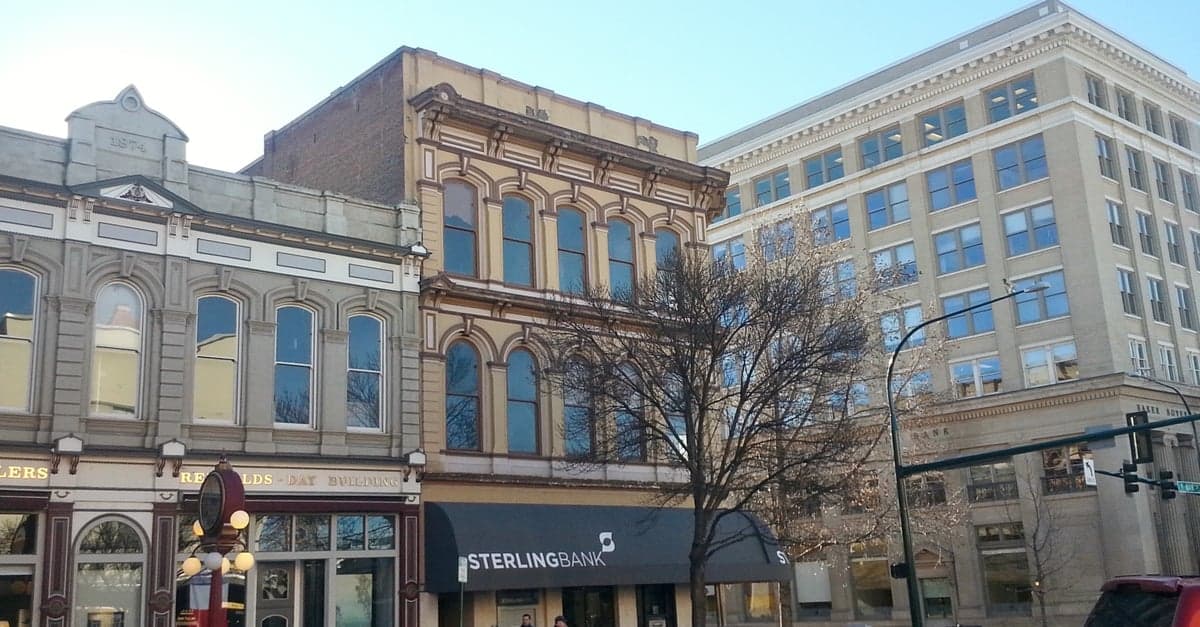
Photo: Wikipedia
Quality of Life in Walla Walla, WA
A high quality of life with strong walkability, manageable living costs, healthy neighborhood signals, and solid amenity access.
What does Quality of Life tell us?
Quality of Life blends cost of living, nearby amenities, socioeconomic signals, and neighborhood character. City-level scores represent the whole municipality; individual neighborhoods can differ.
What does this tell us?
Quality of Life blends cost of living, nearby amenities, socioeconomic signals, and neighborhood character. City-level scores represent the whole municipality; individual neighborhoods can differ.
Cost of Living
11% above national average
The Real Cost of Living in Walla Walla, WA for 2026
| Tier | Individual | Family (4) |
|---|---|---|
| Survival | $19k | $35k |
| Comfortable | $69k | $102k |
| Luxury | $118k+ | $183k+ |
| Elite (Top 5%) | $140k+ | $217k+ |
64%
The Area Signal
A metric tracking the socioeconomic signals of the area.


Hobbies
Explore the areaGroceries
5 within 10 miles
Gas
0 within 10 miles
Hospital
3 within 20 miles
Airport
PDX — Portland International
Post Office
USPS — Walla Walla, WA
Critical Amenities
Quality-of-Life Analysis
Walla Walla presents a quality of life defined by its status as a regional economic and cultural hub in southeastern Washington, attracting a mix of college faculty, healthcare professionals, and agricultural entrepreneurs. With a cost of living index of 111 (11% above the national average), the area is more affordable than Seattle (index ~149) but pricier than nearby Tri-Cities (index ~98). The population skews toward educated professionals and retirees drawn to the valley's wineries and mild climate, creating a community that values both intellectual engagement and outdoor recreation.
Cost of living, housing affordability, and how Walla Walla compares to nearby cities
Housing in Walla Walla is the primary driver of its above-average cost of living, though it remains accessible compared to Washington's major metros. The median home value of $356,600 is roughly half of Seattle's median and about 15% higher than in Kennewick or Pasco. Renters find relative value, with a median rent of $1,176—well below the state average of $1,500 and significantly cheaper than Spokane's $1,350. The average commute of just 12.7 minutes is a standout advantage, among the shortest in the state for a city of its size, reducing transportation costs and freeing time for family or leisure. While groceries and utilities run slightly above national norms, the combination of lower housing costs and minimal commuting expenses makes Walla Walla a practical choice for remote workers and local professionals alike.
What daily life is like for families: schools, amenities, and community rhythm
Daily life in Walla Walla centers on a walkable downtown core and a strong sense of community anchored by Whitman College and Walla Walla University. The Walla Walla Public Schools district serves roughly 5,800 students and includes Walla Walla High School, which offers Advanced Placement and dual-credit programs through the local community college. For families, the city provides ample recreational amenities: Pioneer Park features a historic carousel, a pond, and sports fields, while the Mill Creek Trail network offers paved paths for biking and walking. The area's 120+ wineries define the social calendar, with events like the Feast Walla Walla food and wine festival drawing residents and visitors. Healthcare is robust, anchored by Providence St. Mary Medical Center, a 134-bed facility that serves as a regional trauma center. The rhythm of life is notably slower than the Seattle metro, with most errands achievable within a 15-minute drive and a downtown that remains active but uncrowded.
Who thrives here? Walla Walla suits families seeking a safe, mid-sized community with strong schools and short commutes, as well as retirees and wine enthusiasts drawn to the valley's agricultural lifestyle. Remote workers and professionals in healthcare, education, or viticulture will find the affordability and amenities align well with their needs. Those accustomed to 24-hour urban energy or extensive public transit may find the pace too quiet, but for anyone prioritizing community connection, outdoor access, and financial breathing room, Walla Walla delivers a compelling balance.

Crime in Walla Walla, WA
Crime rates similar to the national median for U.S. locations.
Violent CrimeViolent Crime Analysis
Property CrimeProperty Crime Analysis
Crime Analysis
Walla Walla, Washington, reports a violent crime rate of 381.6 per 100,000 residents and a property crime rate of 1,626.8 per 100,000, placing it above national averages for both categories. These figures reflect a community where safety concerns are present, particularly when compared to the safest small cities in the Pacific Northwest. The city's location in a largely rural county, combined with its role as a regional hub, creates a crime profile that warrants careful consideration for potential residents.
Crime in context
Walla Walla's violent crime rate of 381.6 per 100,000 is roughly 10% higher than the national average of approximately 380 per 100,000, and significantly above Washington state's average of about 340 per 100,000. Property crime, at 1,626.8 per 100,000, is about 15% higher than the national average of roughly 1,400 per 100,000 and well above the state average of approximately 1,500 per 100,000. These rates place Walla Walla in a middle tier among Washington cities of similar size, though notably higher than nearby communities like College Place (which reports lower rates due to its smaller population and different demographic profile). The city's crime index is elevated compared to the safest 25% of U.S. cities, indicating that residents face a moderate but measurable risk of victimization.
What residents experience
Property crimes—particularly theft, burglary, and vehicle break-ins—are the most common offenses reported in Walla Walla, consistent with statewide trends. Violent crimes, including assault and robbery, occur less frequently but are concentrated in specific areas and times. The presence of a progressive judicial philosophy in Walla Walla County's courts, including a focus on rehabilitation over incarceration for non-violent offenders, has been cited by local law enforcement as a factor in higher recidivism rates and a perception of leniency. This approach, while intended to reduce long-term incarceration, can lead to more offenders cycling through the system and back onto the streets, directly impacting public safety. Residents in neighborhoods near the downtown core and along major corridors like Isaacs Avenue report more frequent encounters with property crime and disorder, while outlying residential areas and newer subdivisions tend to see lower incident rates.
Neighborhood-level variation is notable: the historic district and areas around Whitman College generally report lower crime due to higher property values, active neighborhood watches, and better street lighting. In contrast, the eastern and southern edges of the city, including parts of the "Alder" and "Pleasant" street corridors, experience higher rates of both property and violent crime. The city's police department has implemented community policing initiatives and increased patrols in high-crime zones, but resource constraints limit the impact. For those considering relocation, focusing on neighborhoods west of 9th Avenue and north of Rose Street typically offers a safer environment, while areas near the city's industrial zones and along the railroad tracks warrant more caution. Overall, Walla Walla presents a moderate safety profile where proactive measures—such as home security systems, vehicle locking, and awareness of surroundings—are advisable for all residents.
* Values derived from national, state, county, city and local statistics and may differ in a specific area. Last updated: 2026-04-19T05:54:00.000Z
Narrative content on this page is AI-generated and may contain mistakes. Verify any details that matter before acting on them.
ReloMaps may earn a commission from affiliate links at no extra cost to you.

