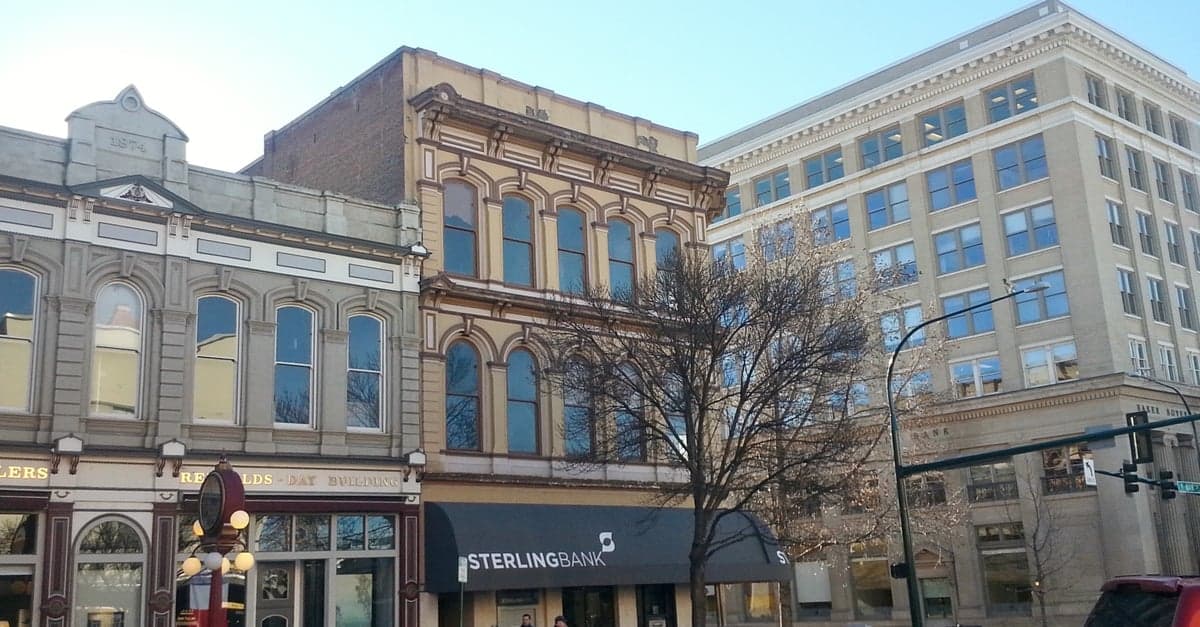
Photo: Wikipedia
Political ClimatePolitical Climate in Walla Walla, WA
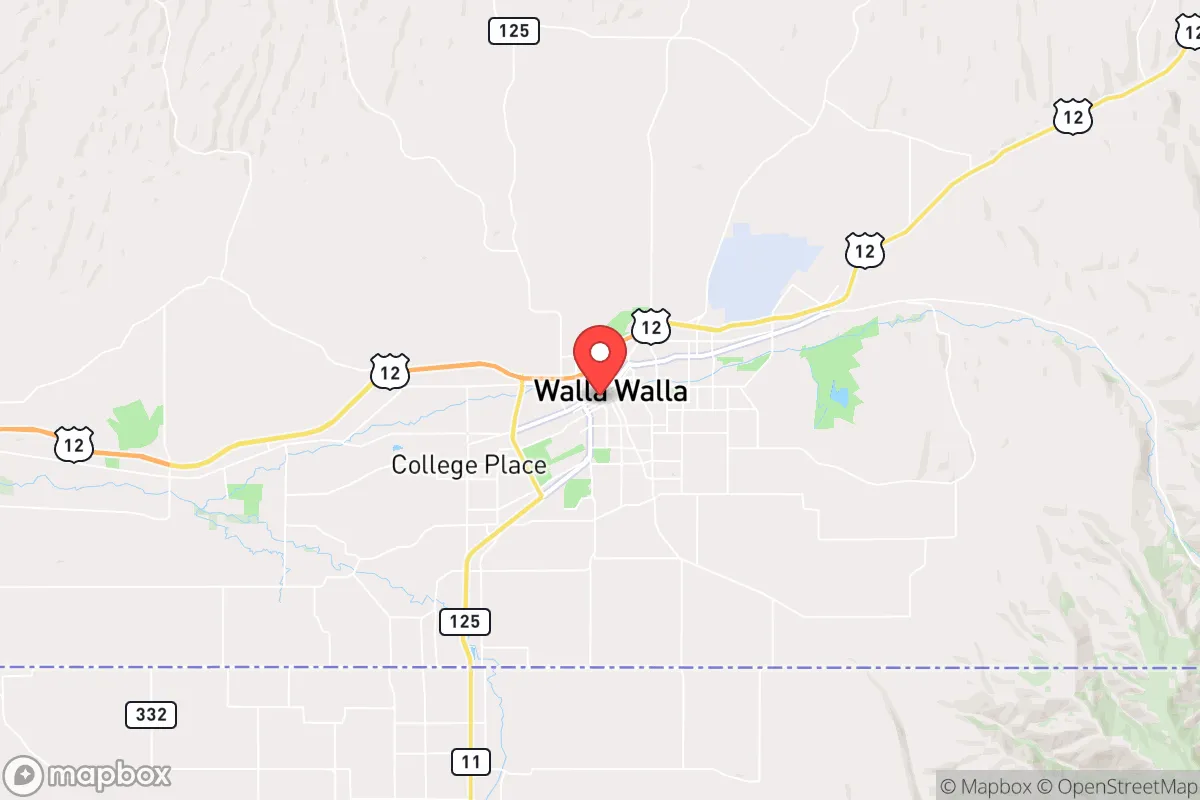
District shown is the primary district for this city’s centroid. Cities may span multiple districts.
Local Political AnalysisPolitical Analysis of Walla Walla, WA
Walla Walla’s political climate has long been a quiet, steady red in a state that’s gone deep blue, and that’s something a lot of us who’ve lived here for a while take pride in. The Cook PVI for the area sits at R+5, which means it leans Republican by a solid five points over the national average, and that’s held true for years. But I’ll be honest—there’s a shift happening, and it’s not one that sits well with folks who value personal freedom and local control. The old Walla Walla, where neighbors minded their own business and the government stayed out of your backyard, is starting to feel the pressure from the west side of the state, and that’s got a lot of us watching closely.
How it compares
If you drive just 40 miles west to the Tri-Cities—Kennewick, Pasco, Richland—you’ll find a similar conservative vibe, maybe even a bit stronger, with those areas voting red by double digits in recent cycles. But head east toward Pullman or Moscow, Idaho, and you’re in college-town territory that leans left, though Idaho itself is reliably conservative. The real contrast is with Seattle and King County, which dominate state politics and push policies that often feel like they’re written for people who’ve never set foot east of the Cascades. Walla Walla sits in a bit of a bubble: we’re conservative, but we’re also a small city with a growing wine industry and a liberal arts college, Whitman, which brings in a younger, more progressive crowd. That mix creates a tension you don’t see in, say, Dayton or Waitsburg, the smaller towns just north of us that vote red by huge margins. For a long-time resident, it’s a reminder that our way of life here—low taxes, minimal regulation, and a “live and let live” attitude—isn’t guaranteed to last if the progressive wave keeps creeping in from the coast.
What this means for residents
For those of us who’ve been here a while, the political climate means we’re constantly fighting to keep government overreach out of our daily lives. Property taxes have crept up in recent years, and there’s always talk about new zoning rules or environmental mandates that sound good in Olympia but land hard on local farmers and small business owners. The shift toward progressive ideology is concerning because it often comes with more red tape—things like stricter building codes, higher minimum wages, or even talk of rent control, which would hit our tight housing market hard. On the ground, it means you have to be more careful about who you vote for locally, because county commissioners and city council members have a huge say in whether we keep that independent, hands-off feel or start sliding toward the kind of bureaucracy that chokes out the small-town character. Most folks I know just want to be left alone to run their farms, their shops, or their lives without a bunch of new rules from people who don’t live here.
Culturally, Walla Walla still holds onto some distinct policy distinctions that set it apart from the rest of Washington. We’re a Second Amendment-friendly area, with most people owning guns for hunting or protection, and there’s a strong resistance to any state-level gun control measures that get pushed through. The local economy is rooted in agriculture—wheat, wine grapes, onions—and that means a practical, no-nonsense approach to land use and water rights that clashes with environmental groups from the west side. You’ll also notice a strong sense of community self-reliance here; people help each other out without waiting for a government program. Looking ahead, I’d say the near future is a holding pattern—we’ll keep voting red locally, but the long-term threat is that state mandates keep piling on, slowly eroding the freedoms that make this place worth living in. If you’re thinking of moving here, just know that the political vibe is still solidly conservative, but you’ll need to stay engaged to keep it that way.

State Political ClimatePolitical Climate in Washington
State Political AnalysisPolitical Environment in the State
Washington state leans solidly Democratic at the statewide level, but that blue veneer hides a deep and growing urban-rural chasm. Over the past 20 years, the state has shifted from a purple swing state to a reliably blue one, driven almost entirely by the explosive growth of the Seattle metro area and its surrounding suburbs. In 2024, Kamala Harris won the state by roughly 19 points, but that margin is almost entirely a product of King County (Seattle) and a handful of other urban counties; the rest of the state voted red, often by wide margins. For a conservative considering a move here, the reality is that you’re not moving to a blue state—you’re moving to a state where a few densely populated counties dictate the political direction for everyone else.
Urban vs. rural divide
The political map of Washington is a tale of two states. The I-5 corridor from Seattle south to Olympia and north to Everett is a Democratic stronghold, with King County alone casting nearly a third of all votes in the state. Seattle, Bellevue, and Redmond are the engine of the state’s progressive politics, with city councils and county commissions pushing policies on housing, homelessness, and policing that often make national headlines. Just 30 miles east, the Cascade foothills and central Washington tell a completely different story. Yakima, Spokane, and the Tri-Cities (Kennewick, Pasco, Richland) are reliably conservative, with Spokane County flipping from blue to red in recent cycles as suburban voters shifted right. Even within the Seattle metro, there are pockets of resistance: places like Sammamish and Issaquah have shown more moderate leanings, while the exurbs of Snohomish County (like Lake Stevens and Arlington) are increasingly competitive. The divide isn’t just about cities versus farms—it’s about a state where the political center of gravity is firmly in the urban core, and the rural majority feels increasingly powerless.
Policy environment
Washington’s policy environment is a textbook example of progressive governance with a heavy hand. There is no state income tax, which sounds great on paper, but the state makes up for it with some of the highest sales taxes in the nation (state rate of 6.5%, but local add-ons push it to 10% or more in Seattle and Tacoma). Property taxes are moderate but rising, especially in fast-growing counties like Clark and Snohomish. The regulatory posture is aggressive: the state has a strict cap-and-trade program (the Climate Commitment Act) that drives up gas prices and energy costs, and a long-term care payroll tax (the WA Cares Fund) that took effect in 2023, deducting 0.58% from every paycheck with no opt-out for most workers. Education policy is dominated by the teachers’ unions, with a fully funded public school system that ranks well nationally but has seen growing parental frustration over curriculum transparency and COVID-era school closures. Healthcare is heavily regulated, with a state-run insurance exchange and some of the nation’s strictest abortion and gender-affirming care protections. Election laws are among the most liberal: universal mail-in voting, same-day registration, and no voter ID requirement at the polls. For a conservative, the policy environment feels like a slow, steady squeeze on personal choice and economic freedom, masked by the absence of an income tax.
Trajectory & freedom
Washington is clearly trending toward less personal freedom, not more, especially for those who value gun rights, parental rights, and medical autonomy. In 2023, the legislature passed a ban on the sale of many semi-automatic firearms (HB 1240) and a 10-day waiting period for all gun purchases, along with a requirement for a safety training course. Magazine capacity is capped at 10 rounds. These laws were passed without a statewide referendum and are currently being challenged in court, but they represent a clear trajectory. On parental rights, the state has enshrined “gender-affirming care” as a protected right for minors, overriding parental consent in some cases, and schools are not required to notify parents if a child changes their name or pronouns. The state’s “shield laws” protect providers of abortion and gender-transition procedures from out-of-state legal action, effectively making Washington a sanctuary for those seeking to bypass other states’ laws. Property rights are under pressure from the state’s Growth Management Act, which limits development in rural areas and drives up housing costs. The overall trend is unmistakable: the state government is expanding its reach into areas that conservatives believe should be left to families, local communities, and individual choice.
Civil unrest & political movements
Washington has a long history of visible political activism, and the past five years have been particularly intense. Seattle’s Capitol Hill Autonomous Zone (CHAZ) in 2020 was a national flashpoint, with protesters occupying several city blocks for weeks, leading to a significant backlash that helped flip some suburban precincts in the 2021 city council elections. The state is also home to a well-organized conservative movement, particularly in eastern Washington, where groups like the Washington State Republican Party and local “Moms for Liberty” chapters have been active in school board races and county commission elections. Immigration politics are a major fault line: Washington is a “sanctuary state” by law (since 2019), meaning local law enforcement cannot cooperate with federal immigration authorities in most cases. This has led to tensions in agricultural communities like Yakima and the Tri-Cities, where the farm economy relies on immigrant labor but many residents are frustrated with the lack of border enforcement. Election integrity is a recurring concern among conservatives, given the state’s mail-in voting system and the lack of voter ID requirements. While there have been no major scandals, the system’s opacity fuels ongoing distrust. A new resident will notice the political divide in everyday life—Seattle’s street protests and graffiti versus the quiet, church-going communities of Spokane and the Palouse.
Projection
Over the next 5-10 years, Washington is likely to become even more polarized and more progressive at the state level. The Seattle metro area continues to grow, driven by tech jobs from Amazon, Microsoft, and a growing biotech sector, while rural counties are either stagnant or losing population. This demographic shift means the Democratic majority in the state legislature will likely hold or expand, even as the state’s electoral college votes remain safely blue. However, there are countercurrents: the cost of living in Seattle is driving some families to more affordable areas like Spokane and Vancouver, which could shift those counties further right. The state’s cap-and-trade program and high energy costs may also push some businesses and residents to consider Idaho or Texas. For a conservative moving in now, the realistic expectation is that state-level policies will continue to trend left on guns, taxes, and social issues, but local control in conservative counties will remain strong. The key is to choose your location carefully—a move to Spokane or the Tri-Cities offers a very different political experience than a move to Seattle or Olympia.
Bottom line: Washington is a beautiful state with a strong economy, but it’s also a state where your personal freedoms—especially your Second Amendment rights, your parental authority, and your ability to keep more of your paycheck—are under constant political pressure. If you’re a conservative, you can still find a good life here, but you’ll need to be strategic about where you live and prepared to fight for your values at the local level. The state’s trajectory is clear, and it’s not heading in a direction that favors limited government or individual liberty.
* Values derived from national, state, county, city and local statistics and may differ in a specific area. Last updated: 2026-04-19T05:54:00.000Z
Narrative content on this page is AI-generated and may contain mistakes. Verify any details that matter before acting on them.
ReloMaps may earn a commission from affiliate links at no extra cost to you.

