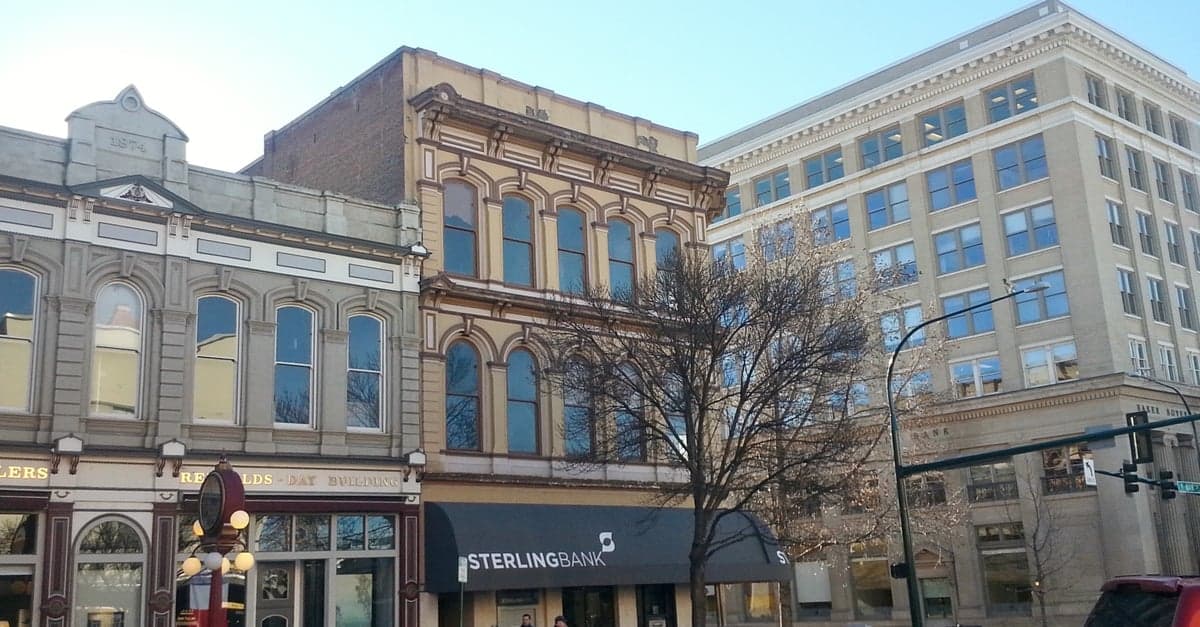
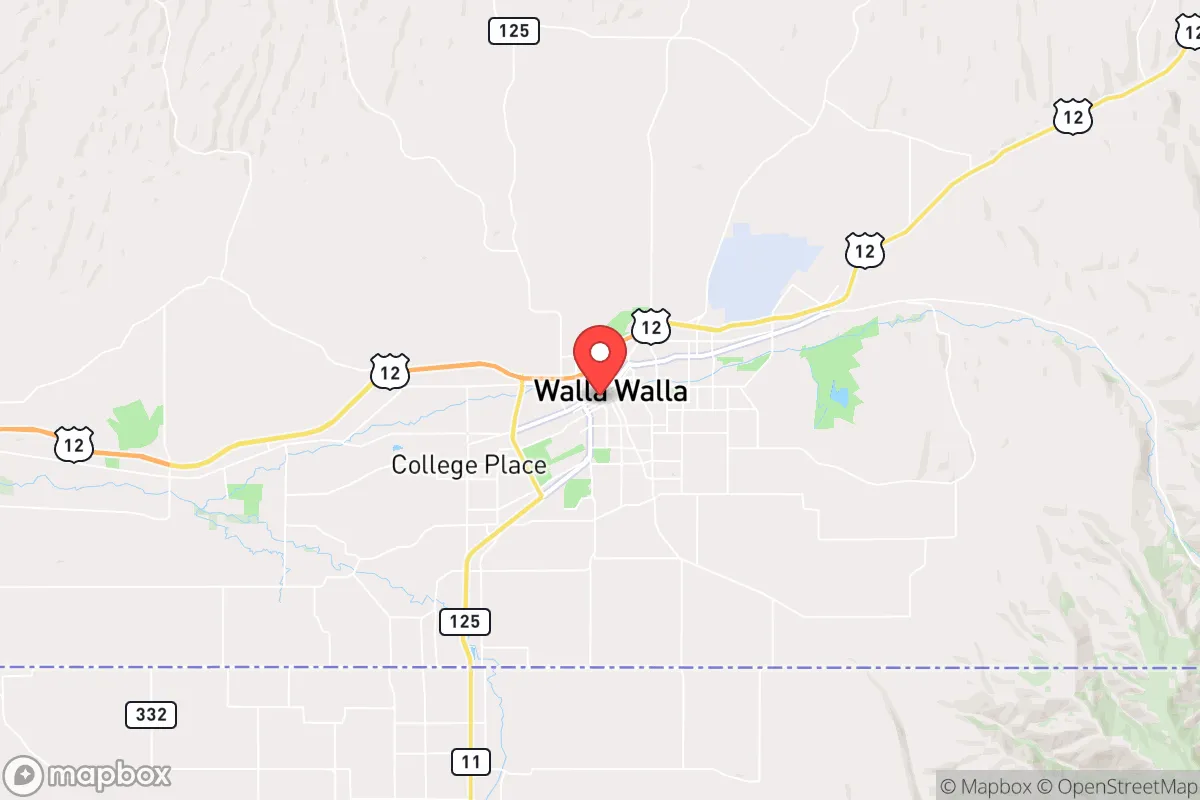
Photo: Wikipedia
Strategic Assessment of Walla Walla, WA
Workable tactical position. Some exposure to population density or targets, but generally defensible in a crisis.
What does the Strategic Assessment tell us?
Our Strategic Assessment grades tactical survivability of an area. Major population centers, military targets, fallout zones, natural disasters, and border exposure all drive risk — lower exposure means a more defensible position in a crisis.
This is heavily inspired by Joel Skousen's Strategic Relocation book. Highly recommended you checkout the book ($)What does this tell us?
Our Strategic Assessment grades tactical survivability of an area. Major population centers, military targets, fallout zones, natural disasters, and border exposure all drive risk — lower exposure means a more defensible position in a crisis.
This is heavily inspired by Joel Skousen's Strategic Relocation book. Highly recommended you checkout the book ($)Strategic Pillars

Key Distances
Regional Safe Places
Below is our recommended "safe zones" in Washington and the surrounding area based on our strategic heuristics. For most people, it's unrealistic to live in a “safe zone” full-time due to work, family or other personal reasons. They tend to be more rural. However, many of these areas are perfect for second homes and retreat properties that double as a vacation home or even a short-term rental.
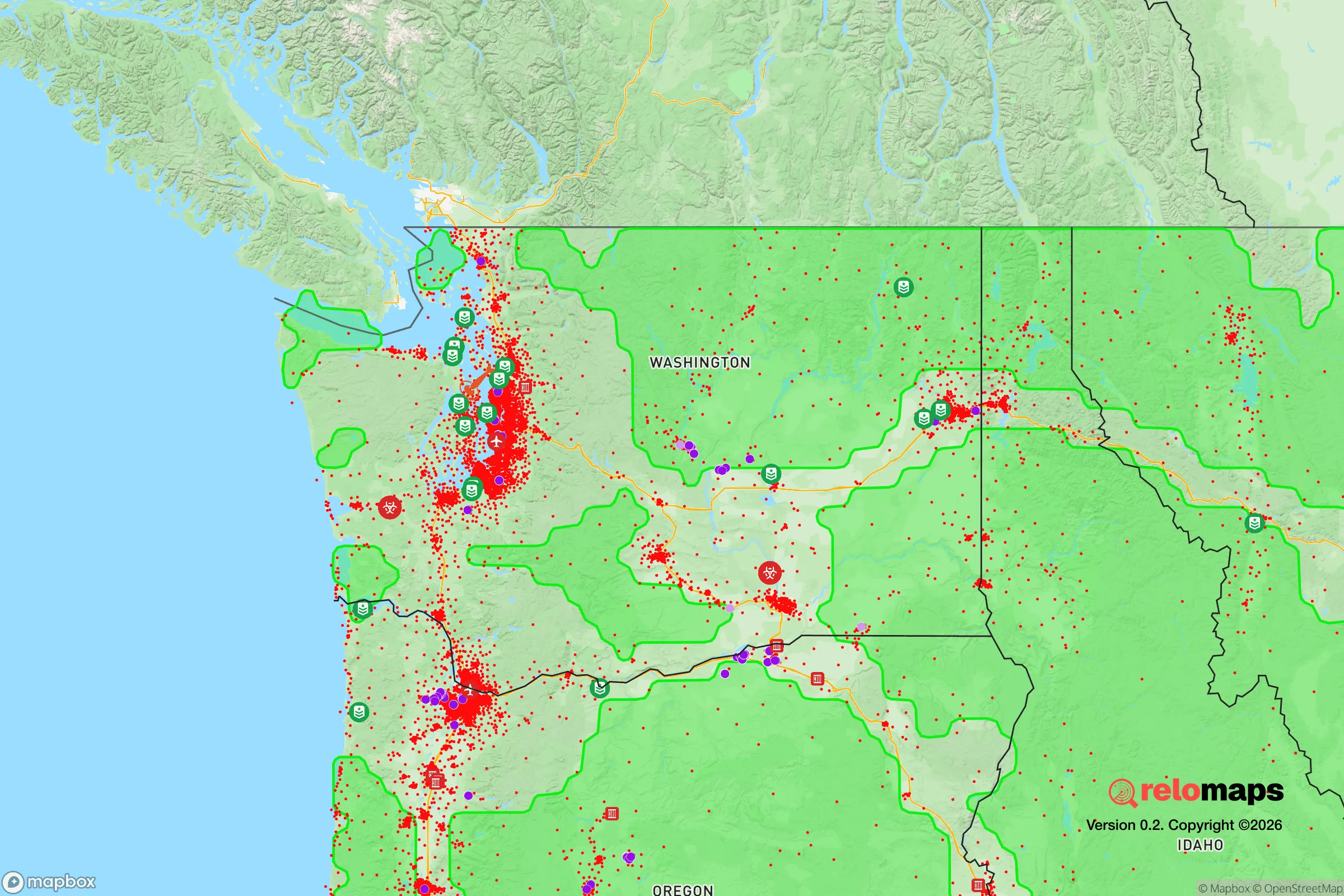
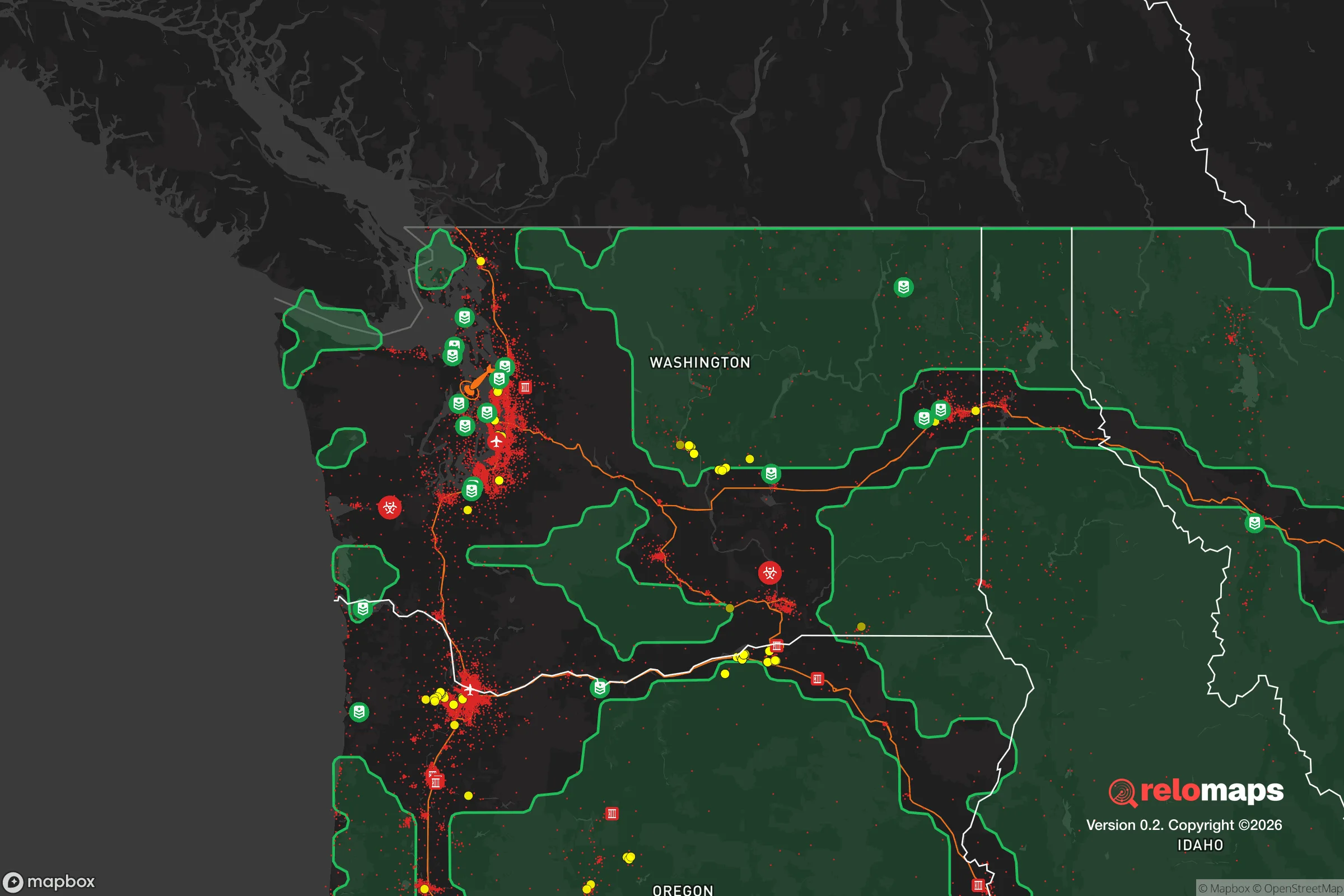


Important Note: For informational purposes only. This does not mean nothing bad ever happens in the green zones. Please use common sense. This is based on public data and modeled with AI. We tried to take a conservative approach but mistakes happen. We update this regularly as new information becomes available.
Solar Generator Recommendations
Backup power matters more here than in safer locations. We've picked three solar generators across budgets and capacity tiers — start with the budget unit if you only need a few essentials, or step up if you want to run a fridge and HVAC for days at a time.

Jackery Portable Power Station Explorer 300
Budget OptionPower on the Go: Weighing only 11 lbs, it's convenient to set up and store with book-sized foldable solar panels

BLUETTI Portable Power Station AC180
Designed for both indoor and outdoor scenarios, AC180 is highly capable as it has a robost capacity and continuous output power.

EF ECOFLOW DELTA Pro Ultra Power Station
Upgraded PickEcoFlow DELTA Pro Ultra is a whole-home energy system designed to grow with your family. Integrated with the Smart Home Panel 2, it scales to meet your evolving energy needs — keeping your home powered, intelligent, and secure through every stage of life.
We earn a commission, at no additional cost to you.
Strategic Assessment Analysis
Walla Walla, Washington, offers a compelling mix of strategic depth and practical resilience for those looking to step back from the chaos of major metropolitan areas. Located in the southeastern corner of the state, it sits far from the seismic and political fault lines of the I-5 corridor, yet remains connected enough for supply runs or medical evacuations. The area’s agricultural backbone, low population density, and relative isolation from primary target zones make it a strong candidate for a long-term relocation base, provided you understand its specific vulnerabilities and plan accordingly.
Geographic position and natural advantages for long-term security
Walla Walla’s geography is its first line of defense. The city lies in a broad valley at the foothills of the Blue Mountains, roughly 150 miles from Portland, 250 miles from Seattle, and 40 miles from the Tri-Cities. This distance from major population centers is a double-edged sword—it reduces your exposure to civil unrest and fallout from a high-value strike, but it also means you’re far from centralized emergency services. The surrounding terrain is a mix of rolling wheat fields, vineyards, and forested hills, offering multiple escape routes into the Umatilla National Forest or the Blue Mountains if things go sideways. The Walla Walla River and Mill Creek provide reliable freshwater sources, and the region’s volcanic soil supports robust agriculture—wheat, apples, onions, and wine grapes are the mainstays. For a prepper, this means local food production is a reality, not a fantasy. The climate is semi-arid, with hot summers and cold winters, which reduces mold and pest issues compared to the wetter western side of the state. Snowfall is manageable, and the area rarely sees the kind of catastrophic weather events that plague the coast or the Cascades.
Risks, exposures, and proximity to fallout-relevant landmarks
No location is perfect, and Walla Walla has its share of strategic liabilities. The most obvious is the Hanford Site, a decommissioned nuclear production facility about 50 miles northwest. While Hanford is no longer active, it still holds massive amounts of radioactive waste in underground tanks. A major earthquake or a deliberate attack on the site could release contamination that drifts southeast toward Walla Walla depending on wind patterns. That’s a low-probability but high-consequence risk you need to factor into your planning. Additionally, the Tri-Cities (Richland, Kennewick, Pasco) are home to the Pacific Northwest National Laboratory and a significant population center—about 300,000 people. In a collapse scenario, that’s a potential source of refugee flow or resource competition. Walla Walla itself has a small airport (ALW) that could become a chokepoint for evacuation or a target for looters. The city’s proximity to the Oregon border (less than 10 miles) is a plus for legal flexibility, but it also means you’re near the Umatilla Chemical Depot, which stores aging chemical weapons. The depot is in the process of destruction, but the risk isn’t zero. On the plus side, Walla Walla is far from major military bases, naval ports, and critical infrastructure like the Boeing plants or the Port of Seattle, making it a low-priority target in a conflict scenario.
Practical resilience for a relocator: food, water, energy, and defensibility
For a family or individual serious about self-sufficiency, Walla Walla’s practical assets are strong. The local food system is robust—you can buy directly from farms, join a CSA, or grow your own in the fertile soil. Water is accessible via wells in rural areas, and the city’s municipal supply comes from the Walla Walla River and deep aquifers, though drought years can stress the system. If you’re on city water, you’ll want a backup storage plan. Energy is a mixed bag: the grid is served by Pacific Power, which relies on hydro, coal, and natural gas. Solar potential is excellent—the region gets over 200 sunny days per year—so a off-grid solar setup with battery storage is feasible. Wood heating is also viable given the nearby forests. Defensibility is where Walla Walla shines. The valley is surrounded by hills and mountains, creating natural chokepoints on the main roads (US-12 and WA-125). A small group could monitor or block access from the north and west. The city itself is compact (population around 35,000), so it’s walkable or bikeable in a pinch. Rural properties outside town offer even more security—think acreage with a creek, a well, and a clear line of sight. The local sheriff’s office is active, and the community has a strong agricultural culture that values self-reliance. That said, the area is not a libertarian paradise—Washington state has strict gun laws (magazine bans, waiting periods, and an assault weapon ban passed in 2023), so stock up before you move or consider a property just over the border in Oregon, where laws are more permissive.
Overall, Walla Walla presents a solid strategic option for those looking to weather the storm without going completely off-grid. Its isolation from major targets, agricultural self-sufficiency, and defensible terrain outweigh the risks from Hanford and the Tri-Cities, provided you have a plan for those contingencies. The biggest challenge is the political environment—Washington’s state government is increasingly hostile to conservative values and firearm ownership, so you’ll need to navigate that carefully. If you can secure a rural property with your own water and power, and build a network of like-minded neighbors, Walla Walla gives you a fighting chance to maintain your independence when the system starts to crack. It’s not a bunker, but it’s a damn good place to dig in.

* Values derived from national, state, county, city and local statistics and may differ in a specific area. Last updated: 2026-04-19T05:54:00.000Z
Narrative content on this page is AI-generated and may contain mistakes. Verify any details that matter before acting on them.
ReloMaps may earn a commission from affiliate links at no extra cost to you.

