Photo: Wikipedia
Quality of Life in Washington, UT
Above-average quality of iife. The area offers a reasonable cost of living, decent mobility, and a mix of neighborhood amenities.
What does Quality of Life tell us?
Quality of Life blends cost of living, nearby amenities, socioeconomic signals, and neighborhood character. City-level scores represent the whole municipality; individual neighborhoods can differ.
What does this tell us?
Quality of Life blends cost of living, nearby amenities, socioeconomic signals, and neighborhood character. City-level scores represent the whole municipality; individual neighborhoods can differ.
Cost of Living
54% above national average
The Real Cost of Living in Washington, UT for 2026
| Tier | Individual | Family (4) |
|---|---|---|
| Survival | $25k | $47k |
| Comfortable | $99k | $146k |
| Luxury | $170k+ | $263k+ |
| Elite (Top 5%) | $224k+ | $346k+ |
64%
The Area Signal
A metric tracking the socioeconomic signals of the area.
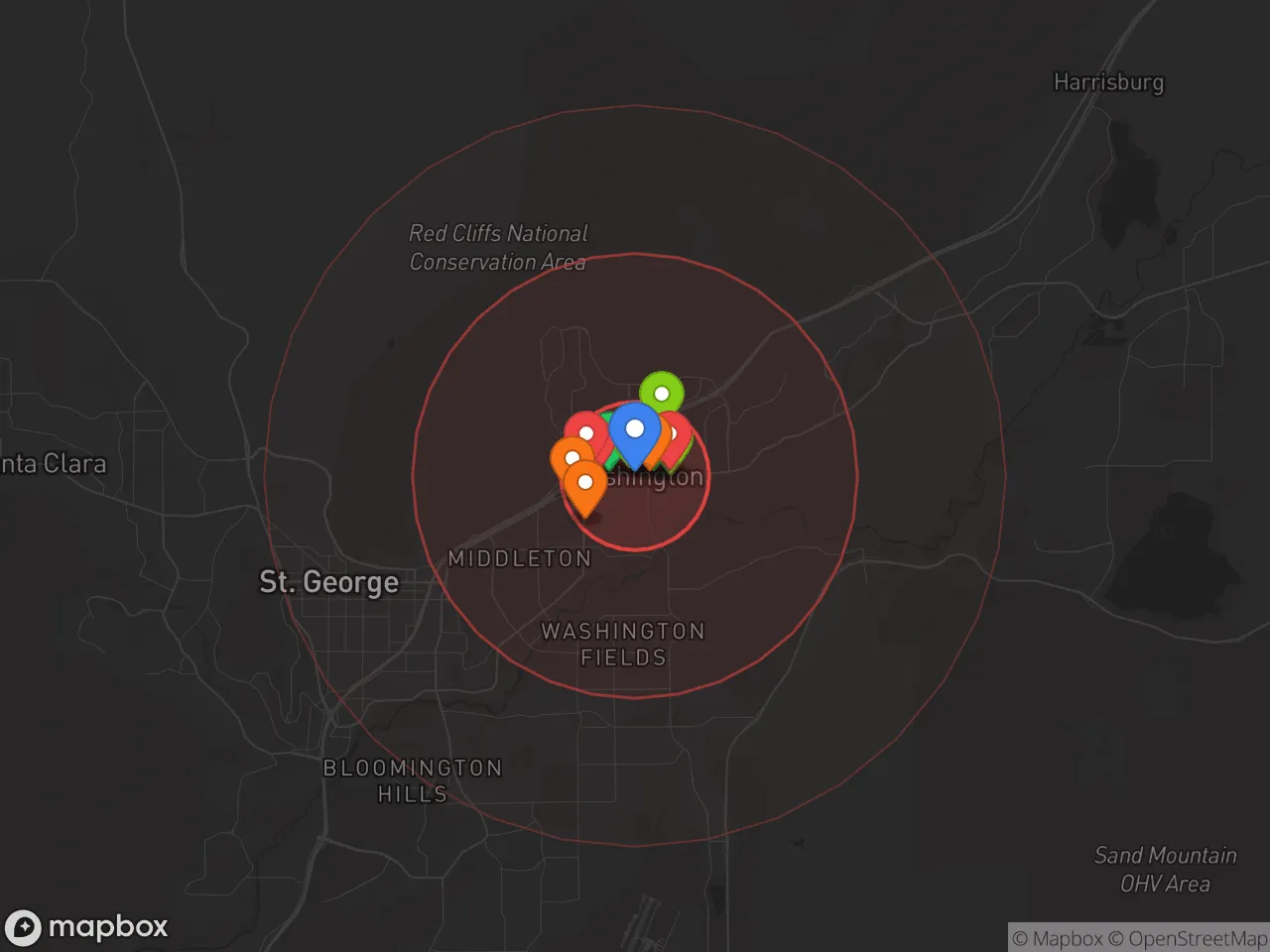
Hobbies
Explore the areaGroceries
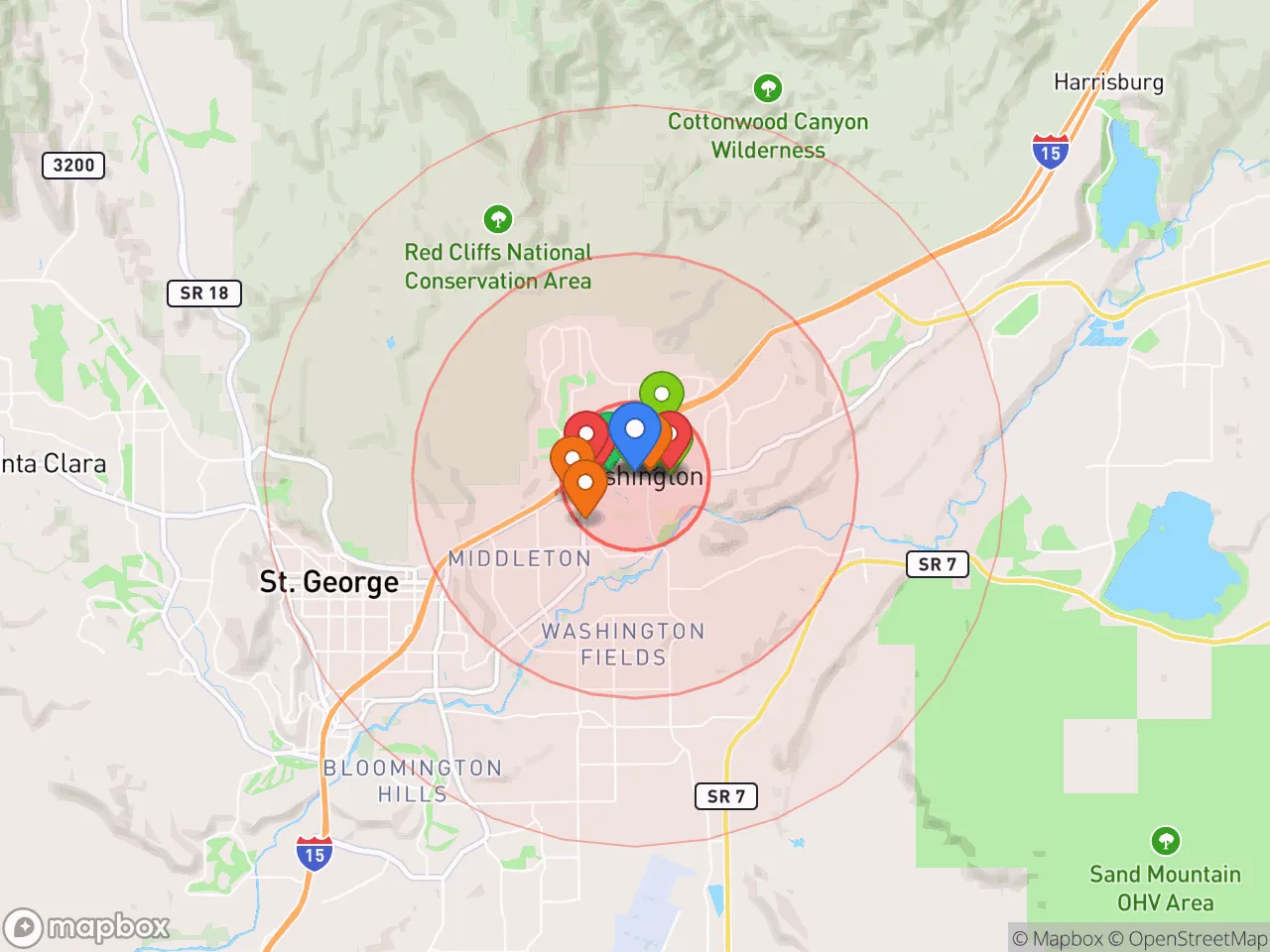
6 within 10 miles
Gas
20 within 10 miles
Hospital
3 within 20 miles
Airport
LAS — North Las Vegas
Post Office
USPS — Washington, UT
Critical Amenities
Quality-of-Life Analysis
Washington, Utah, presents a quality of life defined by affluence and rapid growth, attracting a demographic mix of retirees, young families, and remote workers drawn to the red-rock landscape and a lower cost of living than neighboring St. George. With a cost of living index of 154 (100 = US average), the area is significantly more expensive than the national norm but remains a relative bargain compared to coastal hubs like Los Angeles or Denver, which often exceed index values of 170. The typical resident is a homeowner in a master-planned community, often employed in healthcare, construction, or professional services, and values outdoor recreation and a slower pace of life over urban nightlife.
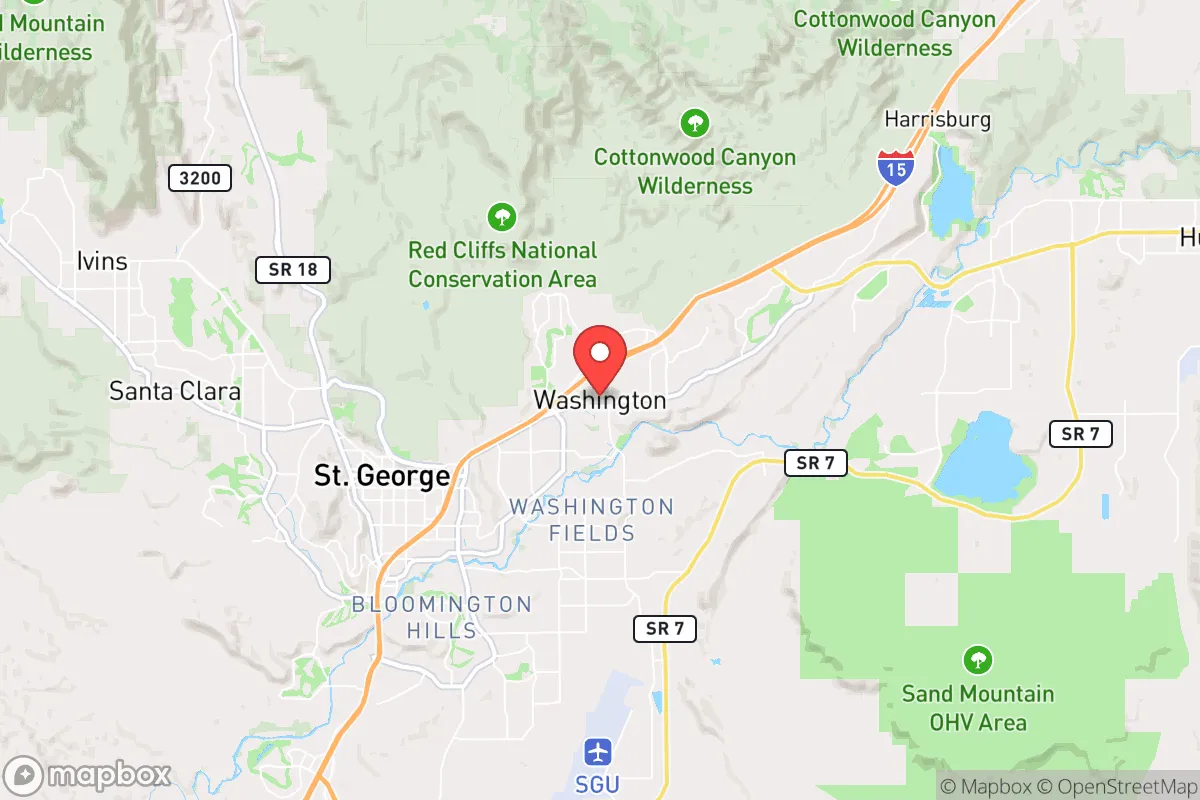
Cost of living, housing affordability, and how Washington compares to St. George
Washington’s housing market is the primary driver of its elevated cost of living, with a median home value of $511,100 and a median rent of $1,581 per month. This places it roughly 10-15% cheaper than St. George proper, where median home values hover around $560,000, but still well above the national median of roughly $350,000. For context, a household earning the local median income of about $75,000 would spend approximately 30% of gross income on a mortgage at current rates, meeting the federal affordability threshold but leaving little room for discretionary spending. Renters face a tighter squeeze: the median rent consumes 25% of the area’s median household income, which is manageable but rising as new apartment complexes command $1,700+ for two-bedroom units. Compared to nearby Hurricane (median home value $440,000) or Ivins ($480,000), Washington offers a middle ground—newer subdivisions with HOA amenities but higher price tags than older, less manicured neighborhoods.
Amenities, schools, and what daily life is like for families and retirees
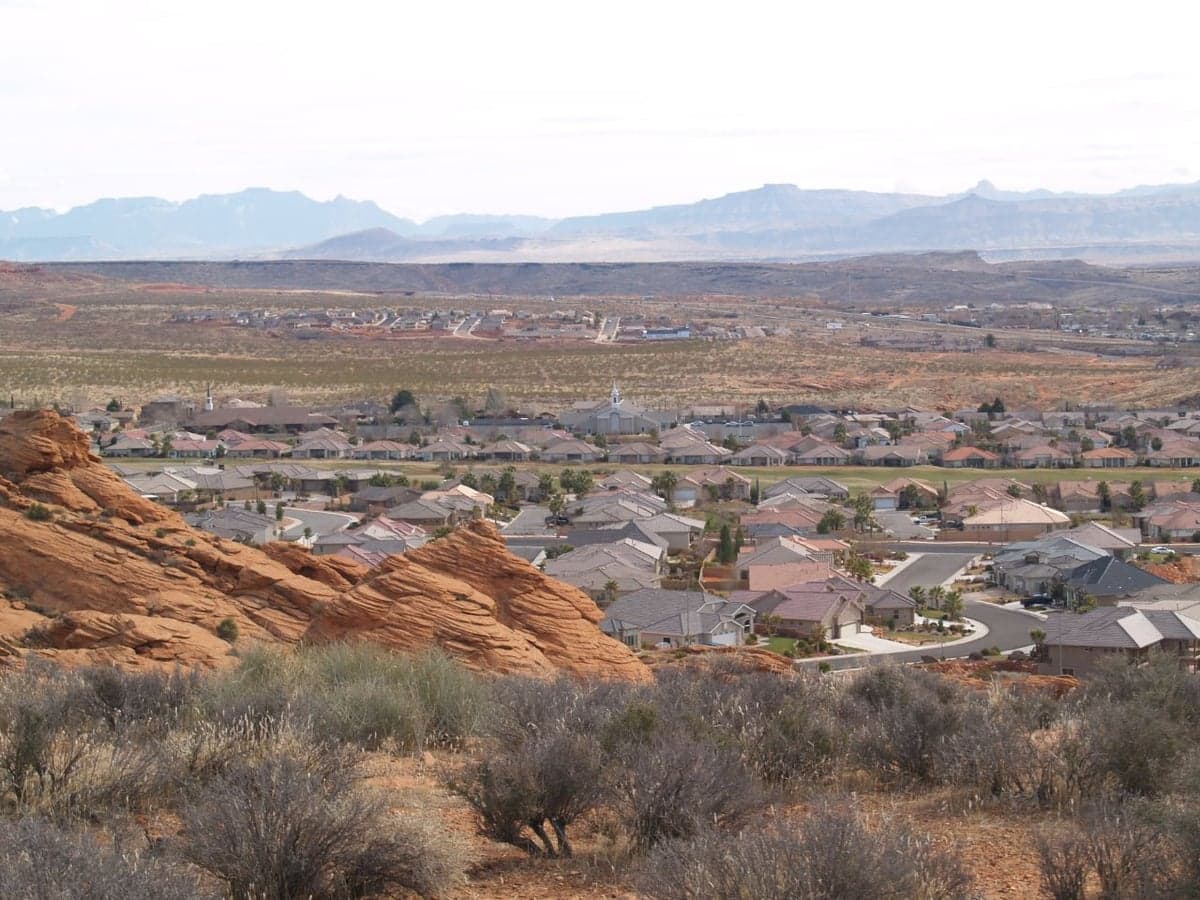
Daily life in Washington revolves around its master-planned communities, such as the sprawling Washington Fields area, which features walking trails, community pools, and proximity to the Red Cliffs Desert Reserve. The Washington County School District serves the area, with Washington Elementary and Snow Canyon High School both rated above state averages on standardized tests, though class sizes can exceed 30 students in growing grades. For shopping and dining, residents drive 10 minutes to St. George’s Red Cliffs Mall or the Costco-anchored shopping center on 700 South, while local options include the small Washington Town Square with a grocery store and a handful of chain restaurants. Outdoor amenities dominate: the Red Cliffs National Conservation Area offers hiking and mountain biking trails within a 5-minute drive, and the Sand Hollow State Park reservoir is 15 minutes away for boating and fishing. The rhythm is quiet and car-dependent—most errands require a vehicle, and evening entertainment is limited to local parks, church activities, or drives to St. George for dining and events.
This quality of life best suits those who prioritize space, nature, and a predictable routine over urban energy. Retirees appreciate the mild winters (average January highs of 55°F) and proximity to the St. George Regional Hospital, while families benefit from low crime rates (violent crime is roughly half the national average) and a strong sense of community in HOA-managed neighborhoods. Remote workers and professionals should note that high-speed internet is widely available via TDS Telecom and Xfinity, but the area lacks a robust job market outside of healthcare and construction—commuting to St. George or Las Vegas (120 miles west) is common for higher-paying roles. Those seeking walkability, cultural diversity, or nightlife will find Washington too quiet; for everyone else, it offers a clean, safe, and scenic base in the heart of Utah’s Dixie.

Crime in Washington, UT
Lower crime rates than 79% of comparable U.S. locations.
Violent CrimeViolent Crime Analysis
Property CrimeProperty Crime Analysis
Crime Analysis
Washington, Utah, reports a violent crime rate of 109.4 per 100,000 residents and a property crime rate of 792.8 per 100,000, positioning it as a relatively safe community compared to national averages. These figures place the city well below the U.S. violent crime benchmark of roughly 380 per 100,000, though property crime rates are closer to the national median. The overall safety picture is positive, but residents should remain aware of local trends and the broader regional context.
Crime in context
Washington’s violent crime rate is 71% lower than the national average, making it one of the safer municipalities in Washington County. Property crime, while higher than violent crime, still falls below the national rate of approximately 1,950 per 100,000. However, the city sits within a large metro area anchored by St. George, which has experienced population growth that can strain local law enforcement resources. Readers should note that Utah’s justice system, particularly in Washington County, has generally maintained a conservative approach to prosecution and sentencing, which correlates with the lower crime figures. In contrast, large metro areas with liberal and progressive judges and district attorneys—who often prioritize offender rehabilitation over incarceration—tend to see higher recidivism and more criminals on the street, negatively impacting public safety. Washington benefits from being outside such jurisdictions, contributing to its favorable crime statistics.
What residents experience
Daily life in Washington is characterized by low fear of violent crime, with incidents like assault or robbery being rare. Property crime, including theft and vehicle break-ins, is the more common concern, particularly in areas near major roads or tourist corridors. The city’s police department emphasizes community policing and rapid response, which helps maintain a sense of security. Residents report feeling safe walking at night in most neighborhoods, though they advise locking vehicles and securing outdoor items. The proximity to St. George means that some property crime may originate from transient populations, but the overall impact on quality of life remains minimal.
Neighborhood-level variation exists, with newer master-planned communities like Desert Color and Washington Fields experiencing lower crime rates than older sections near I-15. Gated subdivisions and HOAs with private security further reduce risks in those areas. For the most current block-level data, prospective residents should consult the Washington City Police Department’s annual report or local crime mapping tools, as trends can shift with ongoing development. Overall, Washington offers a strong safety profile, especially when compared to larger, more progressive metro areas where lenient justice policies often lead to higher crime rates and greater public concern.
* Values derived from national, state, county, city and local statistics and may differ in a specific area. Last updated: 2026-05-03T20:37:54.000Z
Narrative content on this page is AI-generated and may contain mistakes. Verify any details that matter before acting on them.
ReloMaps may earn a commission from affiliate links at no extra cost to you.

