
Photo: Wikipedia
Strategic Assessment of Waukegan, IL
Multiple tactical vulnerabilities. Population density, target proximity, or disaster risk are likely compounding. A retreat property and exit planning is required.
What does the Strategic Assessment tell us?
Our Strategic Assessment grades tactical survivability of an area. Major population centers, military targets, fallout zones, natural disasters, and border exposure all drive risk — lower exposure means a more defensible position in a crisis.
This is heavily inspired by Joel Skousen's Strategic Relocation book. Highly recommended you checkout the book ($)What does this tell us?
Our Strategic Assessment grades tactical survivability of an area. Major population centers, military targets, fallout zones, natural disasters, and border exposure all drive risk — lower exposure means a more defensible position in a crisis.
This is heavily inspired by Joel Skousen's Strategic Relocation book. Highly recommended you checkout the book ($)Strategic Pillars

Key Distances
Regional Safe Places
Below is our recommended "safe zones" in Illinois and the surrounding area based on our strategic heuristics. For most people, it's unrealistic to live in a “safe zone” full-time due to work, family or other personal reasons. They tend to be more rural. However, many of these areas are perfect for second homes and retreat properties that double as a vacation home or even a short-term rental.
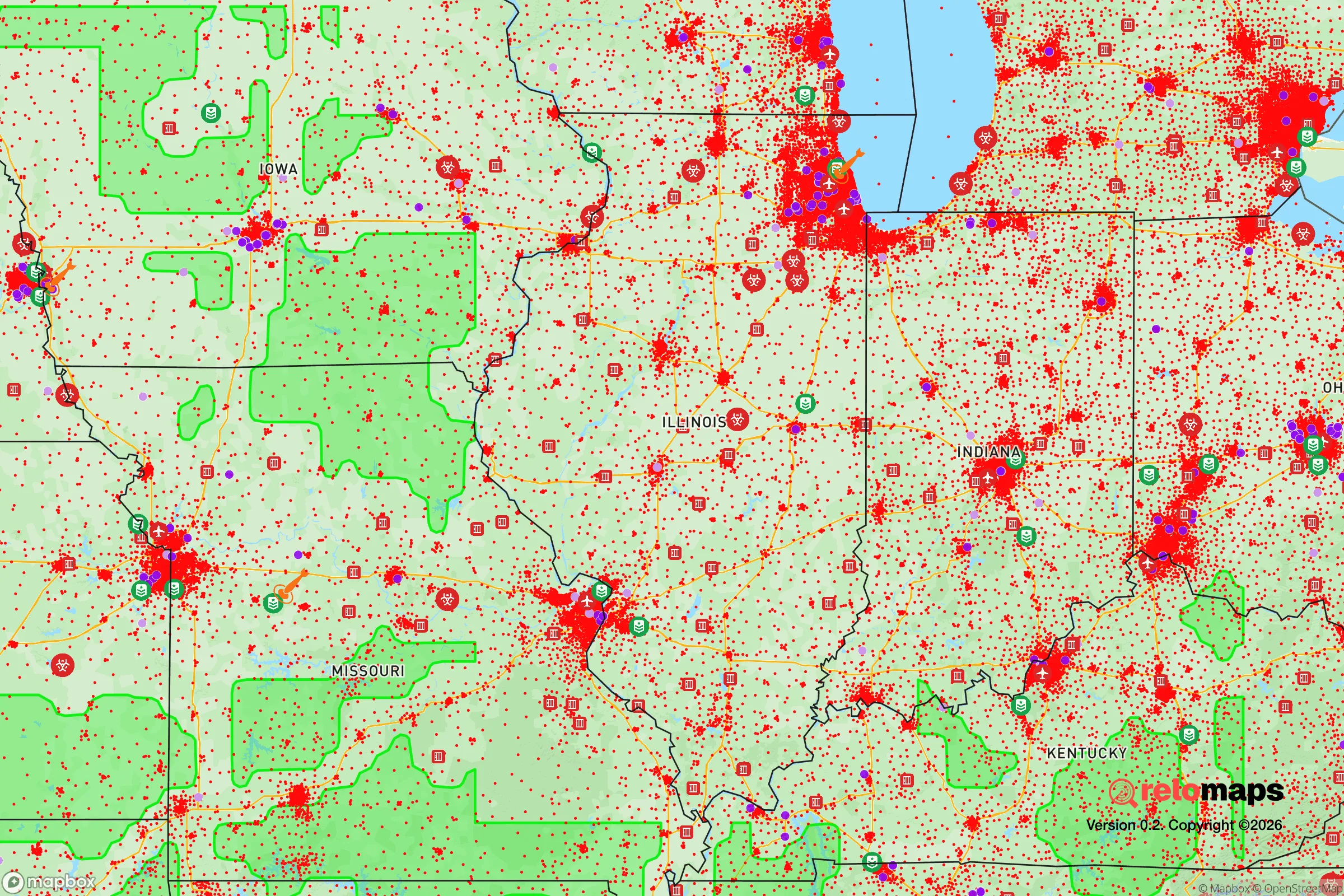
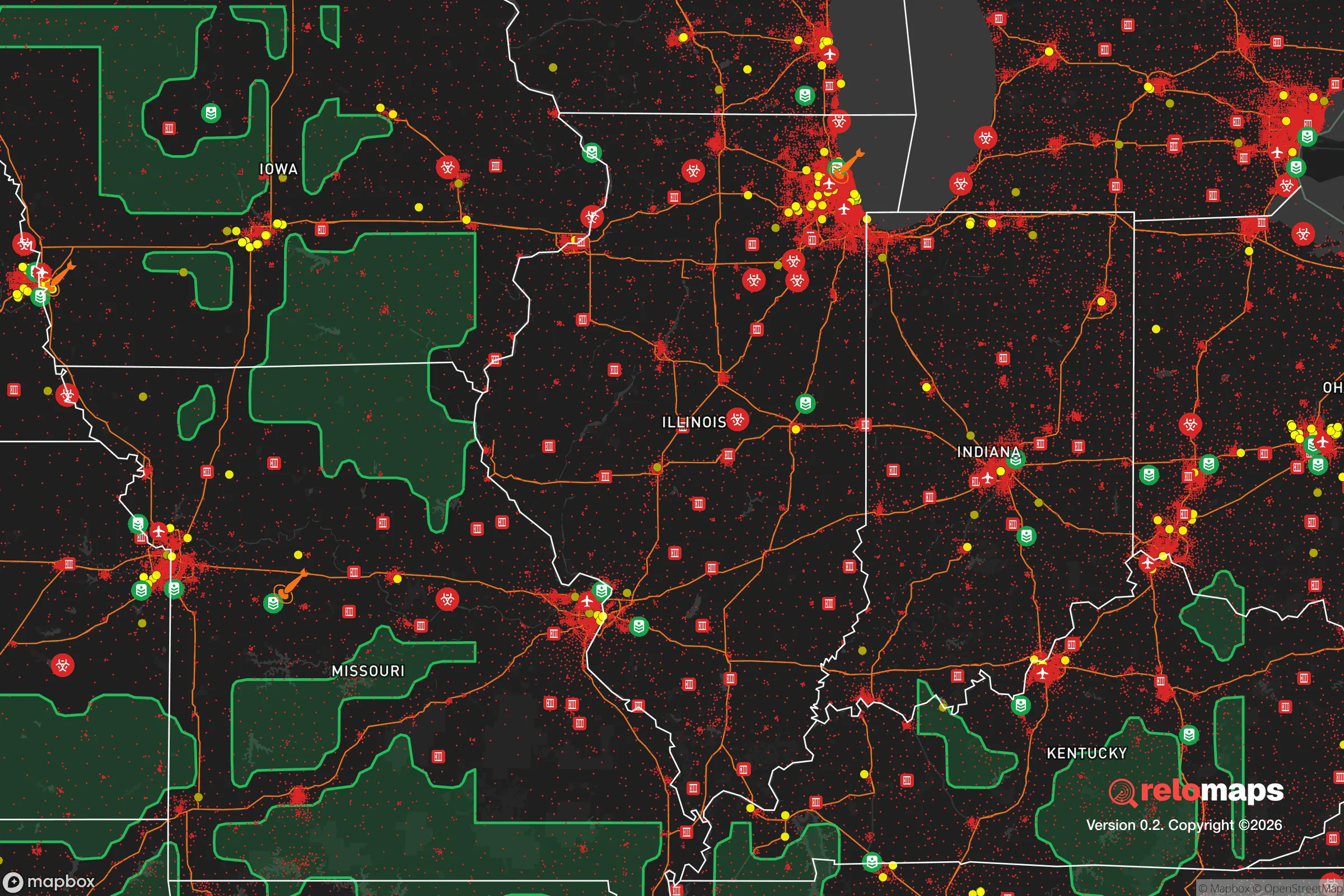


Important Note: For informational purposes only. This does not mean nothing bad ever happens in the green zones. Please use common sense. This is based on public data and modeled with AI. We tried to take a conservative approach but mistakes happen. We update this regularly as new information becomes available.
Solar Generator Recommendations
Backup power matters more here than in safer locations. We've picked three solar generators across budgets and capacity tiers — start with the budget unit if you only need a few essentials, or step up if you want to run a fridge and HVAC for days at a time.

Jackery Portable Power Station Explorer 300
Budget OptionPower on the Go: Weighing only 11 lbs, it's convenient to set up and store with book-sized foldable solar panels

BLUETTI Portable Power Station AC180
Designed for both indoor and outdoor scenarios, AC180 is highly capable as it has a robost capacity and continuous output power.

EF ECOFLOW DELTA Pro Ultra Power Station
Upgraded PickEcoFlow DELTA Pro Ultra is a whole-home energy system designed to grow with your family. Integrated with the Smart Home Panel 2, it scales to meet your evolving energy needs — keeping your home powered, intelligent, and secure through every stage of life.
We earn a commission, at no additional cost to you.
Strategic Assessment Analysis
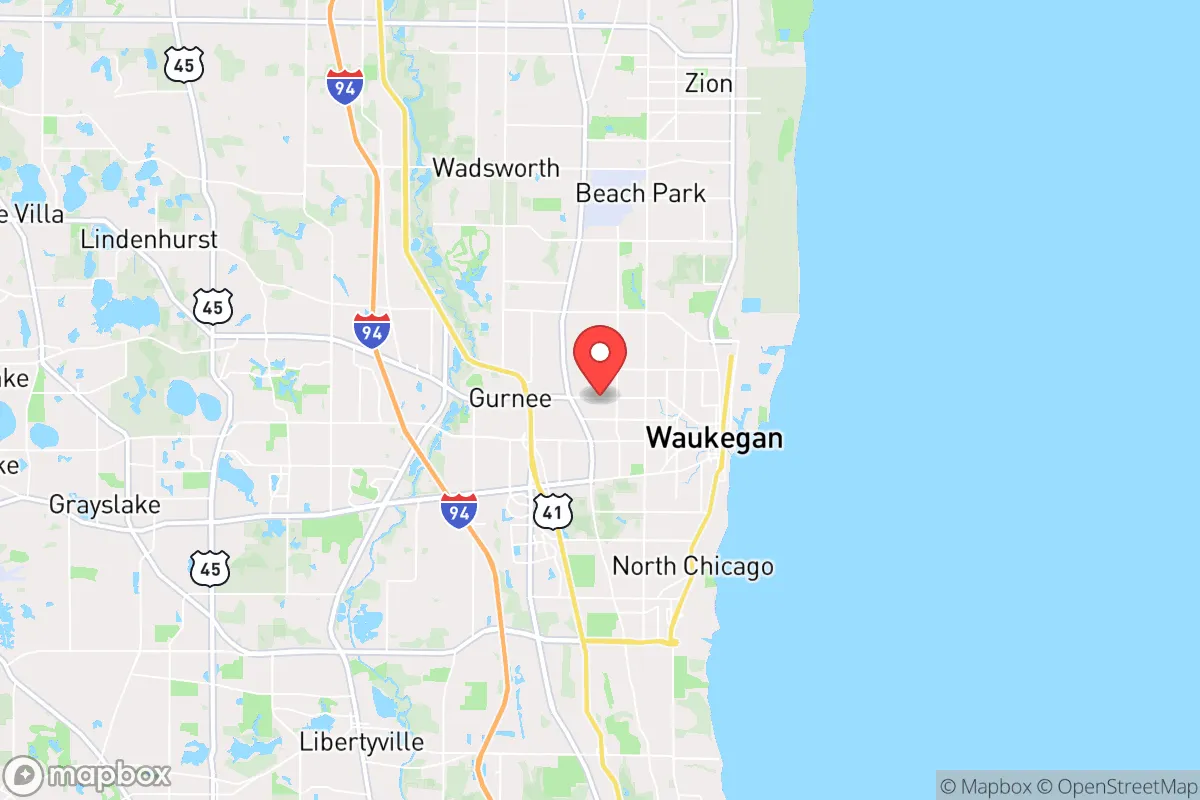
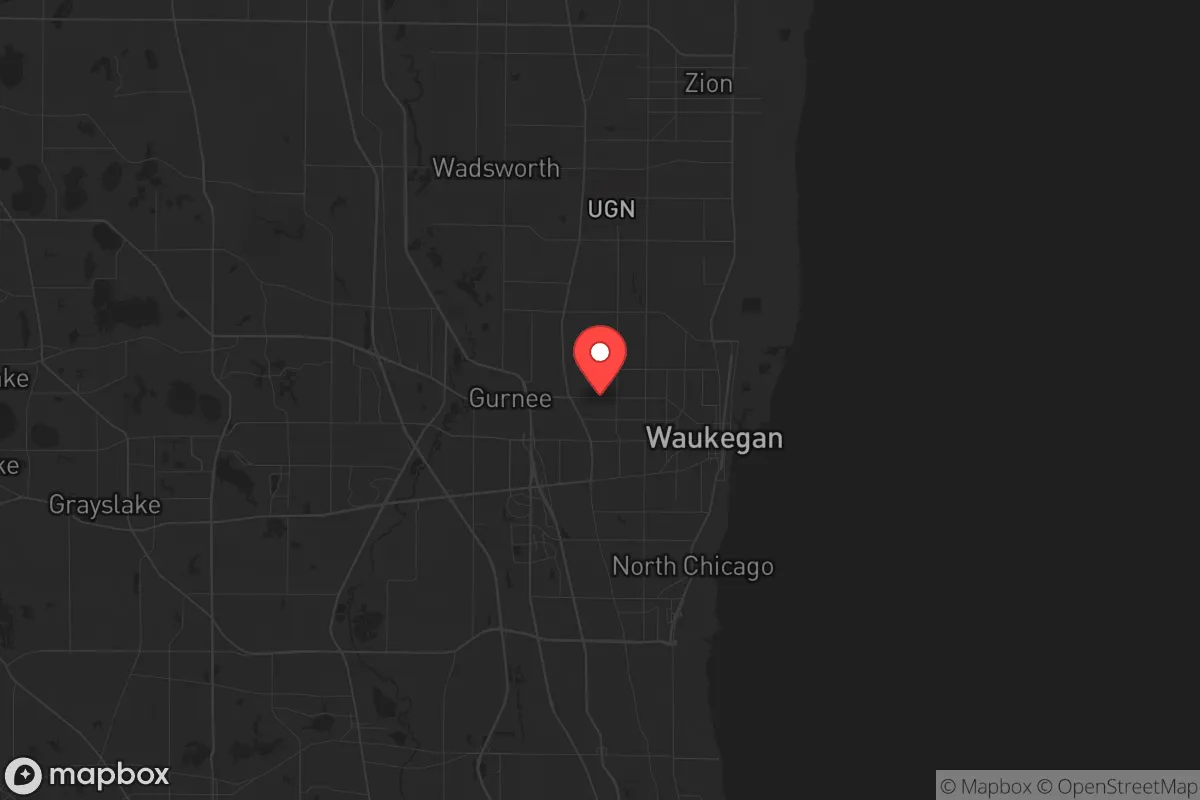
Waukegan, Illinois, sits on the western shore of Lake Michigan roughly 40 miles north of Chicago, a location that offers a mixed strategic picture for the prepper or survivalist. Its proximity to a major metropolitan area is a double-edged sword—providing access to resources and supply chains in normal times, but also placing it within the blast and fallout zones of a potential Chicago-area target. For a conservative-leaning relocator concerned with civic unrest, mass casualty events, and long-term resilience, Waukegan’s advantages lie in its access to fresh water and its position as a secondary hub, while its risks center on population density, industrial exposure, and the inevitable chaos of a major city collapse.
Geographic position and natural advantages for long-term survival
Waukegan sits directly on Lake Michigan, giving residents an almost unlimited supply of fresh water—a critical asset in any grid-down or contamination scenario. The lake is the single most reliable water source in the region, and with proper filtration (Berkey, Sawyer, or DIY sand filters), a household can secure drinking water indefinitely. The city itself is built on a series of bluffs and ravines, offering some natural defensibility and drainage advantages over flat, flood-prone areas further inland. The surrounding Lake County is a mix of suburban development, forest preserves, and agricultural land, meaning a relocator can find semi-rural pockets within a 15-minute drive—places like Wadsworth, Gurnee, or the Chain O'Lakes area—that offer more space for gardening, livestock, and retreat. The climate is four-season, with cold winters that naturally limit outdoor activity and reduce the threat of vector-borne disease, but also demand serious preparation for heating and food storage. The lake effect can dump heavy snow, which can be both a barrier to movement and a source of meltwater. For a prepper, the key takeaway is that Waukegan’s location gives you direct access to the largest freshwater body in the Midwest, a buffer of state and county forest preserves, and the ability to tap into a regional food system via the many farms in surrounding McHenry and Kenosha counties.
Risks, exposures, and proximity to fallout-relevant landmarks
The biggest liability for Waukegan is its proximity to Chicago and the industrial corridor along Lake Michigan’s southern shore. In a major conflict or terrorist event, Chicago is a high-value target—its financial district, O'Hare Airport, and infrastructure hubs would be primary. Waukegan is roughly 40 miles north, which places it outside the immediate blast radius of a conventional or small nuclear device, but well within the fallout plume if prevailing winds blow north. The city itself hosts the Waukegan Generating Station, a coal and natural gas plant, and the AbbVie pharmaceutical campus, both of which could be secondary targets or sources of hazardous material release. The nearby Great Lakes Naval Base in North Chicago is a military installation that could become a staging area or target in a conflict, drawing unwanted attention. Additionally, the city has a population of about 87,000, with a density that makes it hard to bug out quickly if roads clog. The major evacuation routes—I-94, US-41, and IL-120—are prone to gridlock during any crisis, as seen during the 2020 unrest when Chicago suburbs saw panic buying and road closures. For a survivalist, the risk profile is moderate: you’re not in the kill zone, but you’re close enough to be affected by fallout, refugee flows, and supply chain collapse. Fallout shelter preparation is non-negotiable here, and a bug-out location further north or west (Wisconsin or rural Illinois) should be part of any serious plan.
Practical resilience for a relocator: food, water, energy, and defensibility
For a single individual or family looking to set up a resilient household in Waukegan, the practical steps are straightforward but require upfront investment. Water is the easiest win: Lake Michigan is right there, but you need a plan for extraction and purification. A hand pump or 12-volt pump with a hose can draw from the lake, but access points are limited to public beaches and parks—private lakefront property is expensive and rare. A better bet is a rainwater catchment system on a house with a metal roof, plus a 55-gallon drum or two for storage. Food resilience is moderate: the area has several grocery chains (Jewel-Osco, Aldi, Mariano's) and a growing network of farmers' markets in the summer, but winter limits local produce. A backyard garden is viable from May to October, and community garden plots exist in places like the Waukegan Community Garden. For long-term storage, a basement or root cellar is common in older homes, and the cold winters allow for natural refrigeration. Energy resilience is a weak point: the grid is reliable in normal times but vulnerable to storms and cyberattacks. Solar panels with battery storage (a 5-10 kW system) are feasible, but the region’s cloudy winters reduce output—a backup generator running on propane or natural gas is more practical. Defensibility is mixed: Waukegan has a higher crime rate than the national average, with property crime being the main concern. In a collapse scenario, the city’s density and proximity to Chicago mean you’d likely see looting and refugee movement. A home on a cul-de-sac or in a neighborhood with natural chokepoints (ravines, limited road access) is preferable. OPSEC (operational security) is critical—don’t advertise your supplies, and build relationships with neighbors who share your mindset. The local gun culture is present but not as pronounced as in rural Illinois; Lake County has a mix of urban and suburban attitudes, so concealed carry is legal with a license, but expect some social friction if you’re open about preparedness.
Overall, Waukegan offers a strategic position for a prepper who wants lake access and proximity to Chicago’s resources without being in the city itself, but it demands serious preparation for the risks that come with that proximity. The water advantage is real and hard to overstate—few places in the Midwest give you such direct access to a massive, unfrozen freshwater source. But the trade-offs are significant: you’re in a moderate-density area with industrial targets nearby, a major city to the south, and a military base to the north. For a conservative relocator concerned with the state of the country, Waukegan is a viable base of operations if you have a bug-out plan for the worst-case scenarios and a solid home setup for the everyday ones. It’s not a retreat—it’s a forward operating base with good logistics and a serious water supply. If you’re willing to put in the work on security, storage, and community building, it can work. If you’re looking for a remote, off-grid homestead, look further north or west. This is a place for the prepared, not the naive.

* Values derived from national, state, county, city and local statistics and may differ in a specific area. Last updated: 2026-04-29T21:23:45.000Z
Narrative content on this page is AI-generated and may contain mistakes. Verify any details that matter before acting on them.
ReloMaps may earn a commission from affiliate links at no extra cost to you.

