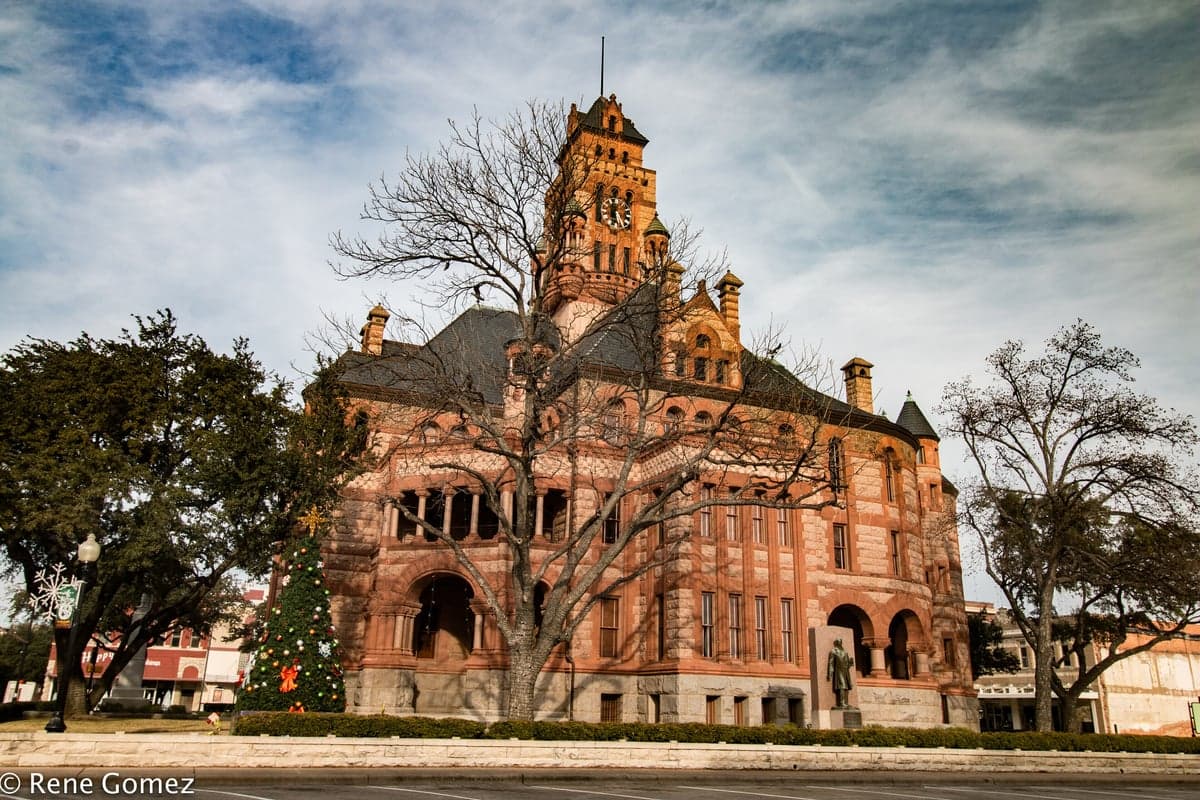
Photo: Wikipedia
Quality of Life in Waxahachie, TX
A high quality of life with strong walkability, manageable living costs, healthy neighborhood signals, and solid amenity access.
What does Quality of Life tell us?
Quality of Life blends cost of living, nearby amenities, socioeconomic signals, and neighborhood character. City-level scores represent the whole municipality; individual neighborhoods can differ.
What does this tell us?
Quality of Life blends cost of living, nearby amenities, socioeconomic signals, and neighborhood character. City-level scores represent the whole municipality; individual neighborhoods can differ.
Cost of Living
21% above national average
The Real Cost of Living in Waxahachie, TX for 2026
| Tier | Individual | Family (4) |
|---|---|---|
| Survival | $24k | $45k |
| Comfortable | $60k | $88k |
| Luxury | $117k+ | $181k+ |
| Elite (Top 5%) | $138k+ | $214k+ |
94%
The Area Signal
A metric tracking the socioeconomic signals of the area.
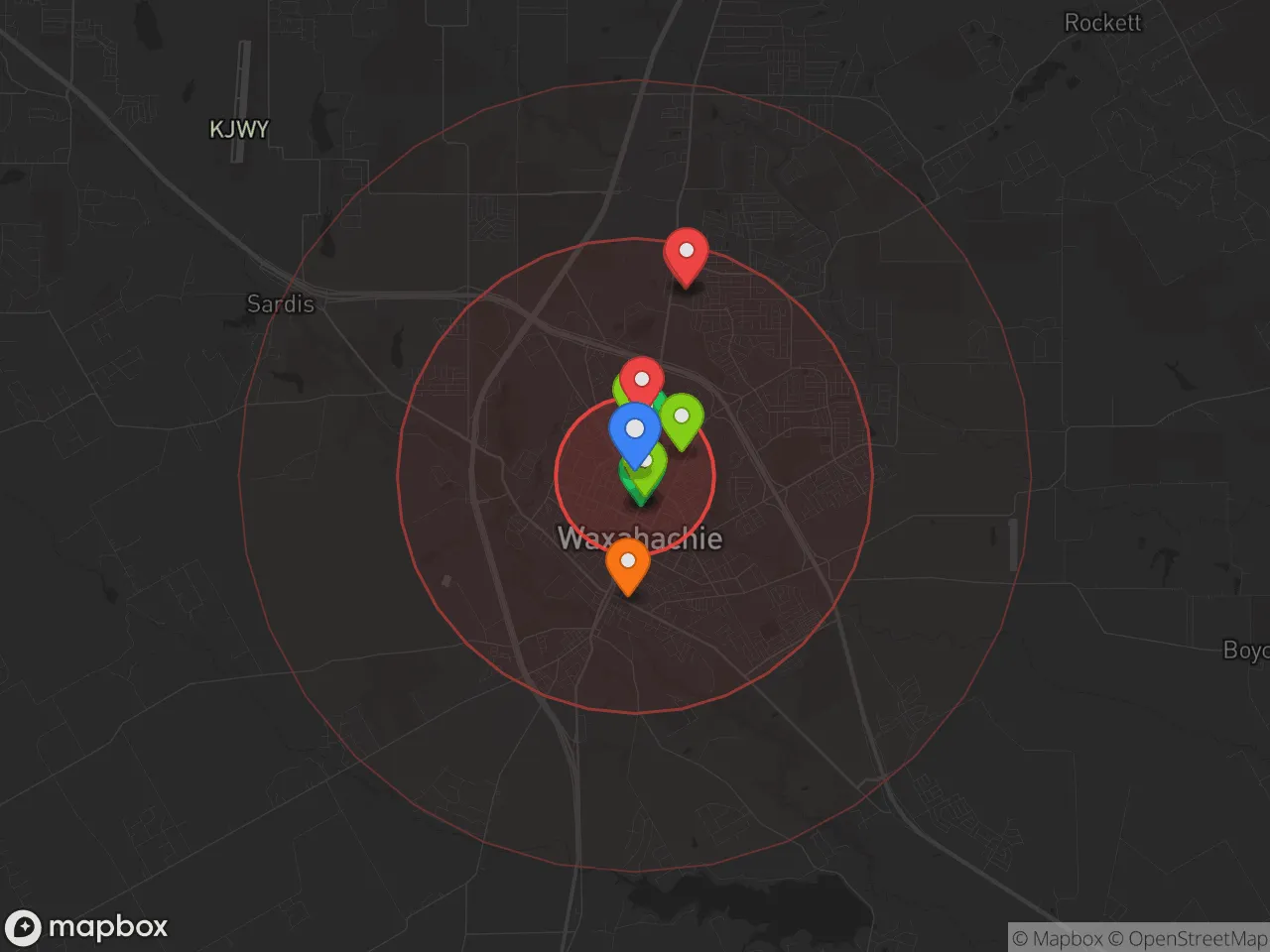
Hobbies
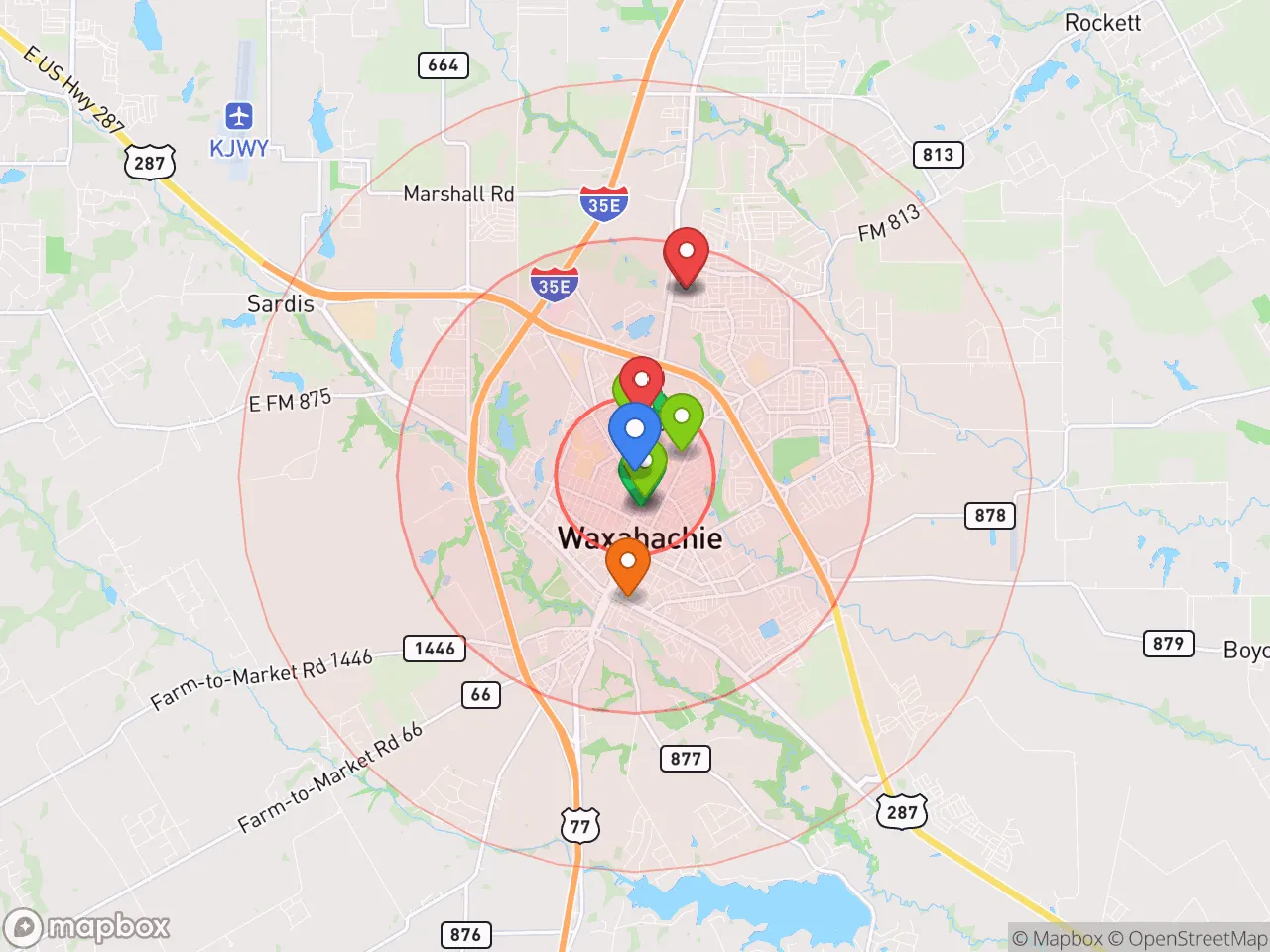
Explore the areaGroceries
6 within 10 miles
Gas
20 within 10 miles
Hospital
12 within 20 miles
Airport
DFW — Dallas/Fort Worth International
Post Office
USPS — 316 North College Street, Waxahachie
Critical Amenities
Quality-of-Life Analysis
Waxahachie presents a notably affluent quality of life for its residents, with a cost of living index of 121 (21% above the U.S. average) that reflects its desirability as a suburban hub. The city attracts a mix of upwardly mobile families, established professionals, and long-time locals drawn by its historic downtown, strong school system, and proximity to Dallas-Fort Worth. Median household incomes here tend to outpace the national median, supporting a lifestyle that balances small-town charm with access to big-city employment and amenities.
Cost of living and housing affordability compared to Dallas-Fort Worth
Housing is the primary driver of Waxahachie's above-average cost of living. The median home value sits at $307,900, which is significantly lower than the Dallas-Fort Worth metro median of roughly $380,000, making Waxahachie a relative bargain for buyers seeking space and value. Median rent is $1,495, competitive with suburban averages but notably cheaper than closer-in suburbs like Frisco or McKinney. However, residents pay for this affordability with commute time: the average one-way commute is 27 minutes, a figure that can stretch to 45-60 minutes for those working in downtown Dallas or the Telecom Corridor. Property taxes in Ellis County hover around 2.5-2.8%, which is typical for Texas but adds a meaningful fixed cost to homeownership. For renters and buyers alike, Waxahachie offers a tangible price break compared to northern suburbs, though the trade-off is a longer daily drive and fewer immediate urban conveniences.
Schools, amenities, and the daily rhythm of life
Daily life in Waxahachie revolves around its well-regarded public schools—the Waxahachie Independent School District consistently earns B+ to A- ratings from Niche, with Waxahachie High School offering robust Advanced Placement and dual-credit programs. The historic downtown square is the social and commercial heart, featuring locally owned restaurants, boutique shopping, and seasonal events like the Gingerbread Trail and the Texas Country Reporter Festival. For outdoor recreation, Getzendaner Park and the Waxahachie Creek Hike and Bike Trail provide green space, while the Ellis County Museum anchors cultural life. The city lacks the high-end retail and dining density of larger suburbs, but residents gain a slower, more neighborly pace—many report knowing their neighbors and participating in community sports leagues or church groups. The trade-off is limited nightlife and fewer entertainment options, with most residents driving 20-30 minutes to Midlothian or southern Dallas for major shopping and dining.
Waxahachie is best suited for families and professionals who prioritize strong schools, a historic sense of place, and lower housing costs over ultra-short commutes or urban energy. Remote workers and those with jobs in southern Dallas or Ellis County will find the commute manageable, while daily commuters to northern DFW should budget for significant windshield time. The city's growing population—up roughly 15% since 2020—indicates sustained demand, but the core appeal remains unchanged: a walkable downtown, good schools, and a community where people still wave on the square. Those seeking a vibrant nightlife or a quick Uber to a major airport will be disappointed; those wanting a stable, family-oriented base with reasonable home prices will find Waxahachie a compelling fit.

Crime in Waxahachie, TX
Generally safer than 66% of comparable U.S. locations.
Violent CrimeViolent Crime Analysis
Property CrimeProperty Crime Analysis
Crime Analysis
Waxahachie, Texas, reports a violent crime rate of 180 incidents per 100,000 residents and a property crime rate of 1,022.9 per 100,000, placing it below the national average for violent offenses but slightly above the national property crime benchmark. As a growing city within the Dallas-Fort Worth metroplex, its safety profile is shaped by both local policing and the broader criminal justice environment of Ellis County, which operates under a more traditional, conservative legal framework. This context is critical for prospective residents weighing the trade-offs of suburban life near a major urban center.
Crime in context
Waxahachie’s violent crime rate of 180 per 100,000 is roughly 38% lower than the national average of about 290 per 100,000, and significantly below the Texas state average of approximately 265 per 100,000. Property crime, however, stands at 1,022.9 per 100,000, which is about 10% higher than the national average of 930 per 100,000. This pattern—lower violence but elevated theft and burglary—is common in fast-growing suburbs where new construction and transient populations create more opportunities for property offenses. The city benefits from being in Ellis County, where district attorneys and judges have historically taken a tough-on-crime stance, avoiding the progressive prosecutorial policies seen in nearby Dallas County. This conservative judicial approach tends to result in higher incarceration rates for repeat offenders, which can suppress violent crime but may not fully deter property crimes driven by economic pressures.
What residents experience
For daily life, Waxahachie feels safer than many Dallas-Fort Worth suburbs, with residents reporting that violent incidents like aggravated assault or robbery are rare and often isolated to specific circumstances. The property crime rate, however, means that vehicle break-ins and package thefts are the most common complaints, particularly in neighborhoods near the I-35E corridor or the historic downtown district. The city’s police department maintains a visible presence, and community programs like neighborhood watch are active in subdivisions such as North Grove and the Waxahachie Creek area. Because the local justice system is not influenced by progressive reforms—such as cash bail elimination or reduced sentencing for property crimes—repeat offenders are more likely to face consequences, which provides a deterrent effect that residents notice in their day-to-day sense of security.
Neighborhood-level variation
Safety varies noticeably by neighborhood. Areas east of I-35E, particularly around the Waxahachie High School and the historic downtown, report lower crime rates due to denser community engagement and more frequent patrols. In contrast, newer subdivisions on the western edge, near the intersection of US-287 and I-35E, see higher property crime due to easier highway access for transient offenders. The city’s overall safety is bolstered by its distance from the progressive criminal justice policies of Dallas County, where softer approaches have been linked to higher recidivism. For families and retirees, Waxahachie offers a security profile that aligns with a conservative legal environment, making it a more predictable choice than many suburbs directly adjacent to Dallas.
* Values derived from national, state, county, city and local statistics and may differ in a specific area. Last updated: 2026-05-16T22:50:22.000Z
Narrative content on this page is AI-generated and may contain mistakes. Verify any details that matter before acting on them.
ReloMaps may earn a commission from affiliate links at no extra cost to you.

