Photo: Wikipedia
Quality of Life in Welch, WV
A high quality of life with strong walkability, manageable living costs, healthy neighborhood signals, and solid amenity access.
What does Quality of Life tell us?
Quality of Life blends cost of living, nearby amenities, socioeconomic signals, and neighborhood character. City-level scores represent the whole municipality; individual neighborhoods can differ.
What does this tell us?
Quality of Life blends cost of living, nearby amenities, socioeconomic signals, and neighborhood character. City-level scores represent the whole municipality; individual neighborhoods can differ.
Cost of Living
80% below national average
The Real Cost of Living in Welch, WV for 2026
| Tier | Individual | Family (4) |
|---|---|---|
| Survival | $13k | $24k |
| Comfortable | $20k | $29k |
| Luxury | $53k+ | $82k+ |
| Elite (Top 5%) | $62k+ | $96k+ |
125%
The Area Signal
A metric tracking the socioeconomic signals of the area.
Hobbies
Explore the areaGroceries
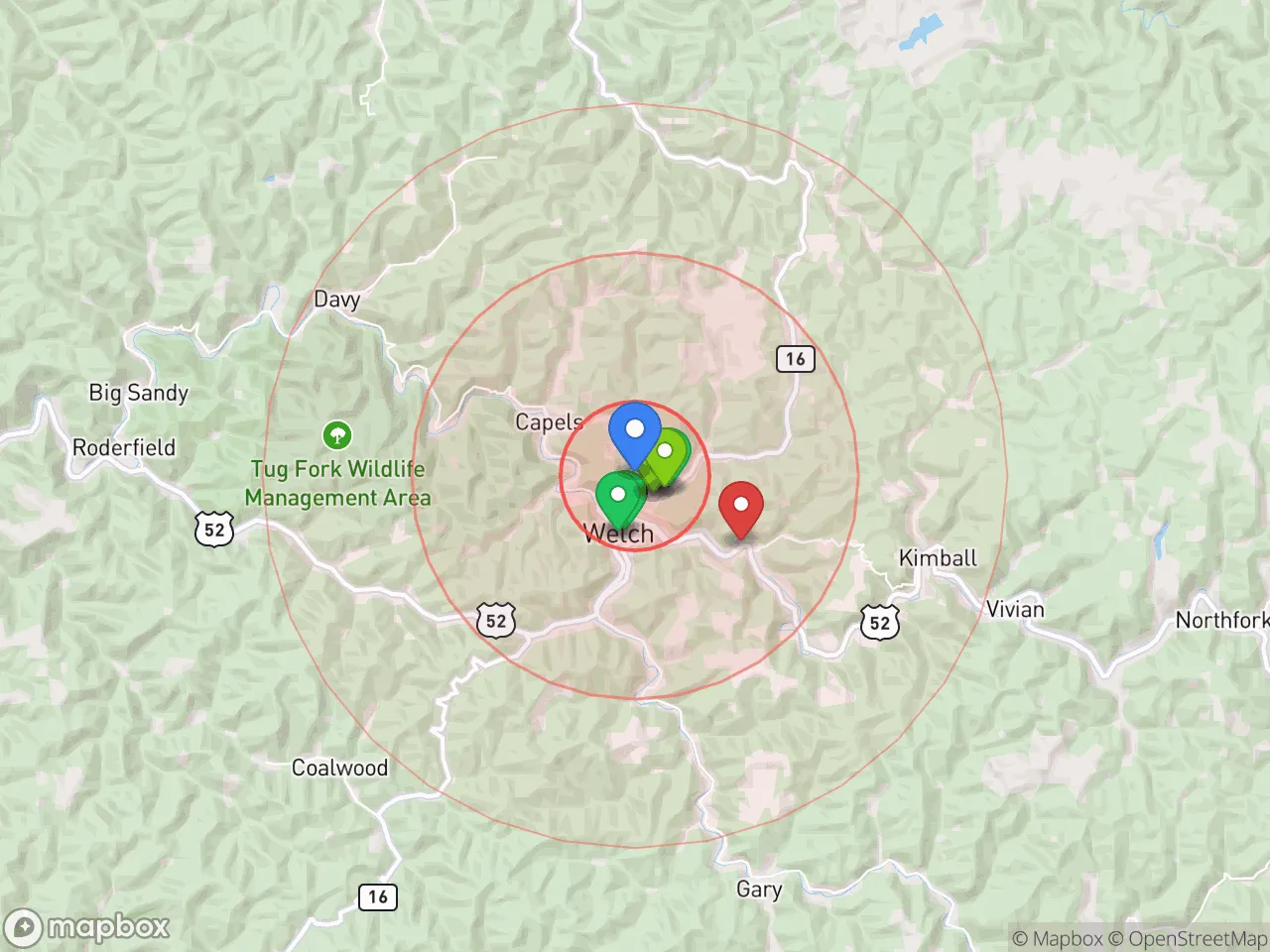
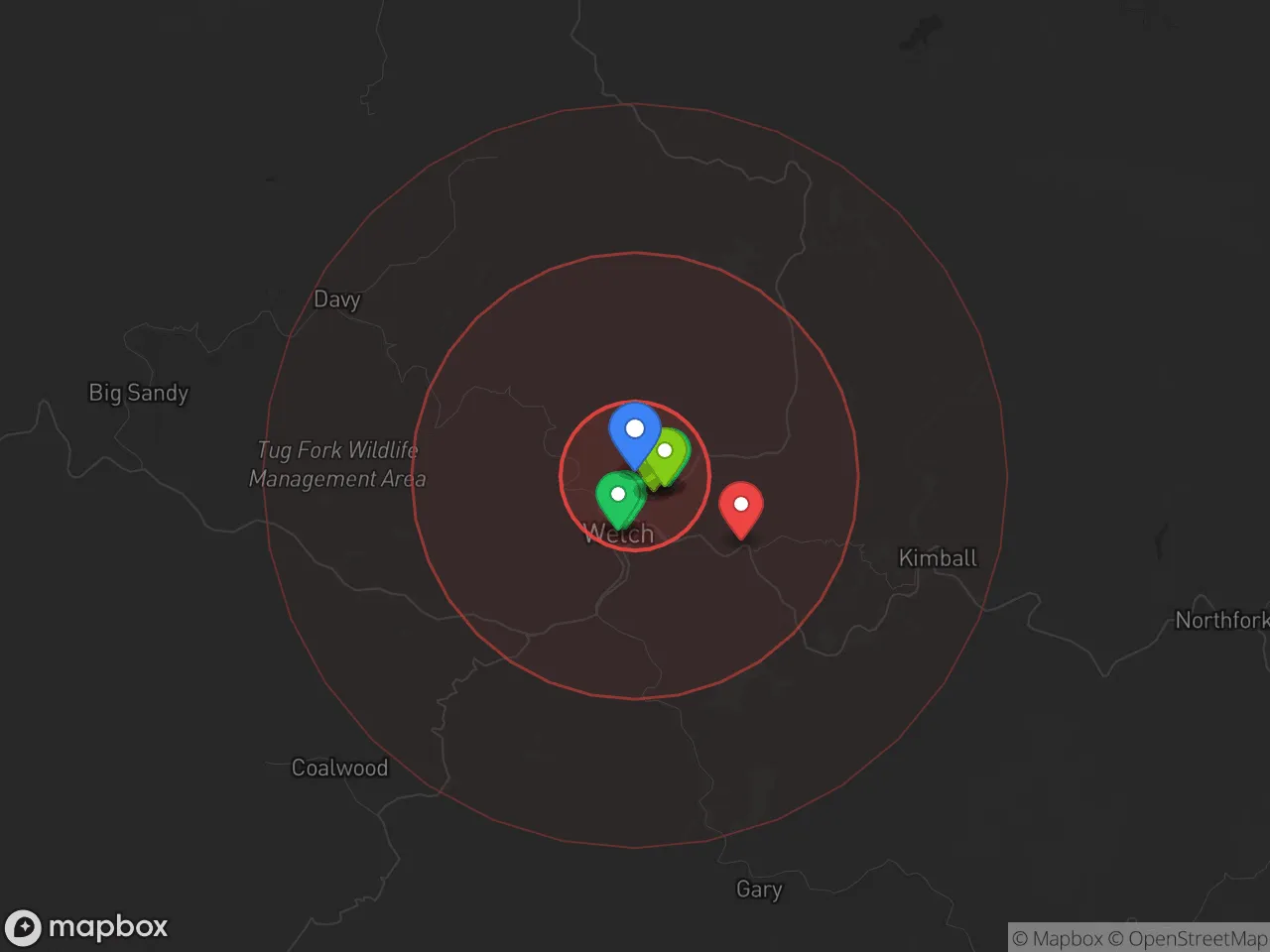
0 within 10 miles
Gas
7 within 10 miles
Hospital
1 within 20 miles
Airport
CLT — Charlotte Douglas International
Post Office
USPS — Welch, WV
Critical Amenities
Quality-of-Life Analysis
Welch, West Virginia, is an exceptionally low-cost area where the cost of living index sits at just 20—meaning everyday expenses run roughly one-fifth the national average—and the population skews older and more economically stable than the surrounding region. The town’s median household income of roughly $35,000 reflects a working-class and retired demographic, with many residents employed in healthcare, education, or local government. While Welch is not affluent by national standards, its affordability allows a modest income to stretch further than in most U.S. communities, attracting those who prioritize financial breathing room over urban amenities.
How housing costs and everyday expenses compare to nearby towns
Welch’s housing market is among the most affordable in the Mountain State. The median home value is $56,500, and the median rent sits at $850 per month—both far below the West Virginia averages of roughly $150,000 and $950, respectively. For context, a home in Welch costs about one-third as much as a comparable property in Bluefield (median value ~$110,000) or Beckley (~$130,000). The average commute of 26.6 minutes is slightly longer than the national average of 26 minutes, but residents trade that time for dramatically lower housing payments. Utility costs are also below the U.S. norm, though heating in winter can spike due to older housing stock. Property taxes are minimal—McDowell County levies about 0.5% of assessed value—so annual tax bills on a median-priced home often fall below $300.
What daily life is like for families and retirees in Welch
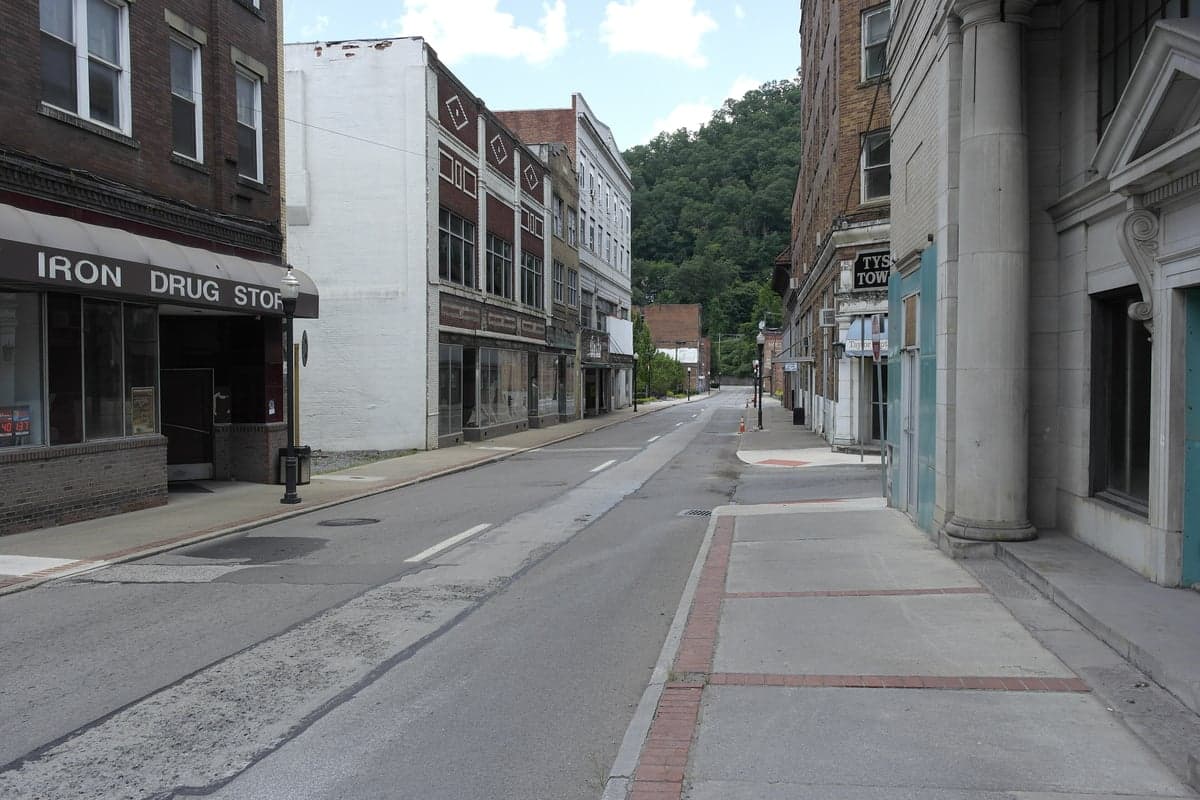
Daily life in Welch centers on a small-town rhythm with limited but essential services. The McDowell County School system serves the area, with Welch Elementary and Mount View High School as the primary public options; graduation rates hover near 80%, below the state average of 90%. For groceries and basic shopping, residents rely on local stores like Foodland and Save-A-Lot, while major retail trips require a 45-minute drive to Princeton or a 70-minute drive to Beckley. Healthcare access is anchored by Welch Community Hospital, which provides emergency and primary care, though specialists are scarce. Outdoor recreation is a key quality-of-life factor: the nearby Panther State Forest and the Bluestone River offer hiking, fishing, and camping. The town’s historic downtown, with its early-20th-century architecture, hosts a few diners and churches, but evening entertainment is limited—most social life revolves around family, church, and seasonal community events like the McDowell County Fair.
Welch is best suited for retirees on fixed incomes, remote workers with stable internet (fiber is available in parts of town), and families who prioritize low housing costs over career opportunities or cultural amenities. Young professionals seeking job growth or nightlife will find the area too quiet, while those who value solitude, low crime rates relative to larger Appalachian towns, and the ability to own a home debt-free will likely thrive here. The town’s isolation—roughly two hours from Charleston and three from Roanoke—means residents must be self-sufficient, but for the right person, Welch offers a rare combination of financial freedom and unhurried mountain living.

Crime in Welch, WV
Generally safer than 69% of comparable U.S. locations.
Violent CrimeViolent Crime Analysis
Property CrimeProperty Crime Analysis
Crime Analysis
Welch, West Virginia, reports a violent crime rate of 220 incidents per 100,000 residents and a property crime rate of 923 per 100,000, placing it below national averages for both categories. While these figures suggest a relatively lower risk of serious violent offenses compared to many U.S. communities, property crime remains the more common concern for residents and prospective movers. The town's small population and rural setting in McDowell County contribute to a quieter overall safety profile, though localized factors and regional economic conditions influence day-to-day security.
Crime in context
Welch's violent crime rate of 220 per 100,000 is 37% lower than the national average of approximately 380 per 100,000, and significantly below West Virginia's state average of roughly 330 per 100,000. Property crime in Welch, at 923 per 100,000, also falls below the national benchmark of about 1,950 per 100,000 and the state average of 1,700 per 100,000. These comparisons indicate that Welch is not a high-crime outlier within its region. However, the data must be weighed against the fact that McDowell County has experienced economic decline and population loss, which can correlate with higher rates of drug-related offenses and property crimes like burglary and theft. The town's location in a non-metro, rural area means it avoids the elevated crime pressures common in larger cities, but it also lacks the robust law enforcement resources of urban centers.
What residents experience
Residents of Welch most frequently encounter property crimes—theft, vandalism, and burglary—rather than violent confrontations. The 923 per 100,000 property crime rate translates to roughly 9 incidents per 1,000 people annually, a manageable figure for a small town. Violent crimes, including assault and robbery, are rare events; the 220 per 100,000 rate means about 2 violent crimes per 1,000 residents each year. Drug-related activity, particularly involving opioids and methamphetamine, is a persistent undercurrent that can fuel property crime and occasional violence, reflecting broader challenges in southern West Virginia. Residents often report a close-knit community where neighbors watch out for one another, which can act as a natural deterrent. However, the local justice system's approach—if influenced by progressive or lenient philosophies—could undermine this safety net. In jurisdictions where judges and district attorneys prioritize offender rehabilitation over public protection, even low crime rates can feel precarious, as repeat offenders may cycle back into the community more quickly. For Welch, which is not part of a large metro area with such policies, this concern is less acute, but it remains a factor for those evaluating long-term safety.
Neighborhood-level variation in Welch is modest due to the town's compact size and homogeneous housing stock. Areas closer to the downtown core and along major routes like U.S. Route 52 see slightly higher foot traffic and associated petty crime, while residential streets on the outskirts tend to be quieter. The most significant safety differential is between occupied and vacant properties; abandoned homes and lots, common in economically distressed parts of McDowell County, can attract illicit activity. Prospective residents should prioritize well-maintained blocks with active neighbors and consider proximity to the Welch Police Department, which provides primary coverage. Overall, Welch offers a lower-than-average crime environment for rural Appalachia, but vigilance around property security and awareness of regional drug trends are prudent.
* Values derived from national, state, county, city and local statistics and may differ in a specific area. Last updated: 2026-04-24T11:21:39.000Z
Narrative content on this page is AI-generated and may contain mistakes. Verify any details that matter before acting on them.
ReloMaps may earn a commission from affiliate links at no extra cost to you.

