Photo: Wikipedia
Find The Best Places To Live
in West Chicago
PRO TIP! You can paste a Zillow or Redfin link to get info on that property.
What It's Like Living in West Chicago, IL
West Chicago, Illinois, is one of those suburbs that feels like it’s still figuring out its own identity—part old railroad town, part modern commuter hub, and entirely unpretentious. It’s not trying to be Naperville or Geneva; it’s a place where people actually know their neighbors, the high school football game is a Friday night event, and you can still buy a decent single-family home for under $350,000. If you’re looking for a solid, middle-class community with a working-class backbone and a growing Latino influence, this might be your spot.
The Daily Rhythm: Commuters, Families, and a Quiet Pace
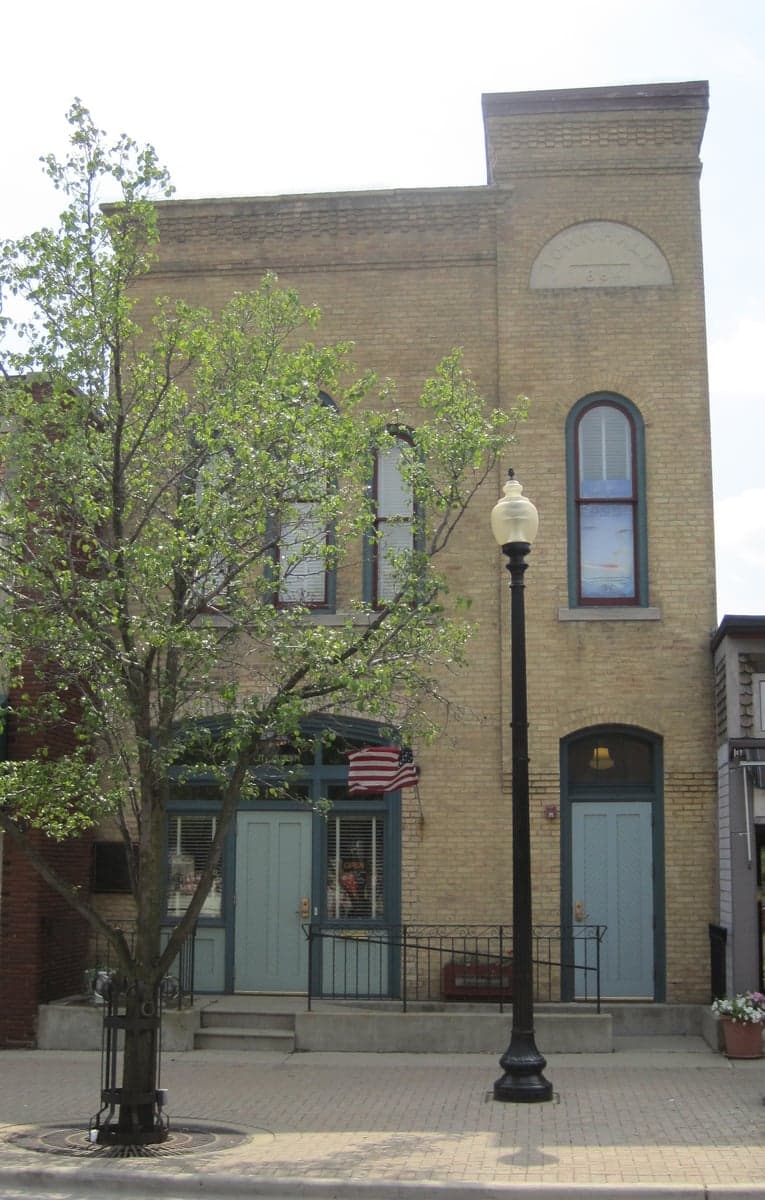
Most mornings, you’ll see a steady stream of cars heading toward the Metra station on the Milwaukee District West line. The average commute clocks in at just under 27 minutes—long enough to finish a podcast, short enough that you’re not dreading the drive. The train gets you to Chicago’s Ogilvie Transportation Center in about an hour, which makes West Chicago a realistic option for downtown workers who don’t want to pay Naperville prices. Once you’re home, the rhythm slows down. People shop at the local Jewel-Osco or the smaller Tony’s Fresh Market, grab dinner at El Tapatío for solid Mexican food, or hit Pollyanna Brewing for a local IPA. Weekends often mean a trip to Reed-Keppler Park for a soccer game or a stroll through the West Chicago City Museum, which is housed in the old railroad depot and tells the story of the town’s founding as a German and Czech immigrant settlement.
The median age here is 35.8, which tracks with a community full of young families and early-career professionals. The median household income of $100,568 is comfortable but not lavish—you’re not seeing luxury SUVs in every driveway, but you’re also not worrying about making rent. About 32% of adults hold a bachelor’s degree or higher, which is lower than some of the more affluent western suburbs, but that also means the vibe is less competitive and more down-to-earth. The kind of person who fits in here is someone who values affordability and community over prestige—a teacher, a tradesperson, a mid-level manager who wants a yard and a good school district without the six-figure mortgage.
Sports, Schools, and the Community Anchor
High school sports are a genuine deal in West Chicago. West Chicago Community High School (the Wildcats) draws a big crowd for Friday night football in the fall, and the basketball and soccer programs are well-supported. The school itself is a point of pride and occasional frustration—it’s diverse (about 60% Hispanic, 30% white) and academically solid, but some parents wish it had more advanced placement options. Still, the school’s role in the community is central: it’s where kids from different backgrounds mix, where booster clubs raise money, and where the annual homecoming parade still feels like a real event. There’s no pro sports team in town, but you’re a 45-minute drive from the United Center or Wrigley Field, so Cubs and Bulls fans are common. The local park district runs youth leagues for just about everything—soccer, baseball, flag football—and the fields at Reed-Keppler and Pioneer Park are busy from spring through fall.
What’s There to Do: Festivals, Parks, and the Quirks of a Railroad Town
West Chicago’s biggest annual event is Railroad Days, a late-summer festival that leans hard into the town’s history. There’s a parade, a carnival, live music, and a lot of kettle corn. It’s not flashy, but it’s the kind of thing that makes residents feel like they belong to something. The DuPage River runs through town, and the West Chicago Prairie Forest Preserve offers miles of trails for hiking and birdwatching—it’s one of the largest remaining tallgrass prairies in the state, which is a bigger deal than most locals realize. For a night out, the options are limited but decent: Al’s Steakhouse is a classic family-run spot, Pollyanna Brewing has a taproom with board games and trivia nights, and Rookies Sports Bar is where you go to watch a game. If you want more variety, you’re driving 10 minutes to St. Charles or Geneva, which have a better restaurant scene and the Fox River trail system.
One cultural quirk: the town has a strong Mexican heritage that’s visible in the taquerias, the panaderías, and the bilingual signage. The Fiesta de la Independencia in September is a big deal, with live music and traditional dance. It’s not a wealthy town—the cost of living index is 114, meaning it’s about 14% above the national average, but that’s mostly driven by Illinois property taxes, not lifestyle inflation. The median home value of $306,500 is a steal compared to nearby suburbs like Wheaton ($450K+) or Glen Ellyn ($500K+), which is why first-time buyers and young families are increasingly looking here.
Pros and Cons of Living Here
- Pro: Affordable housing. You can get a 3-bedroom ranch or a modest colonial for under $350K, which is almost unheard of in DuPage County.
- Pro: Good commuter access. The Metra station is walkable from much of the town, and the 27-minute average commute is reasonable for the region.
- Pro: Genuine diversity. The mix of white, Hispanic, and growing Asian populations gives the town a more authentic feel than many of its homogenized neighbors.
- Con: Limited nightlife and dining. If you want a craft cocktail bar or a trendy brunch spot, you’re driving to Geneva or Naperville.
- Con: Property taxes are high. Illinois taxes are a burden everywhere, but West Chicago’s rates are on the higher side even for DuPage County.
- Con: The violent crime rate of 145.4 per 100,000 is slightly above the national average. It’s not dangerous, but it’s not as safe as the wealthier suburbs to the east. Most crime is property-related, and the police are responsive.
Weather here is classic Midwest: hot, humid summers that make you grateful for air conditioning, and cold, gray winters that can drag from November through March. The fall is beautiful, with the leaves changing along the prairie paths, and spring is muddy but welcome. Traffic is manageable—Route 59 and North Avenue can get backed up during rush hour, but it’s nothing like the Eisenhower Expressway. Overall, West Chicago is a place that rewards practicality. It’s not glamorous, but it’s real, and for the right person—someone who values space, community, and a shorter commute over status—it’s a genuinely good place to live.

Similar towns to West Chicago

* Values derived from national, state, county, city and local statistics and may differ in a specific area. Last updated: 2026-08-10T03:24:24.000Z
Narrative content on this page is AI-generated and may contain mistakes. Verify any details that matter before acting on them.
ReloMaps may earn a commission from affiliate links at no extra cost to you.

