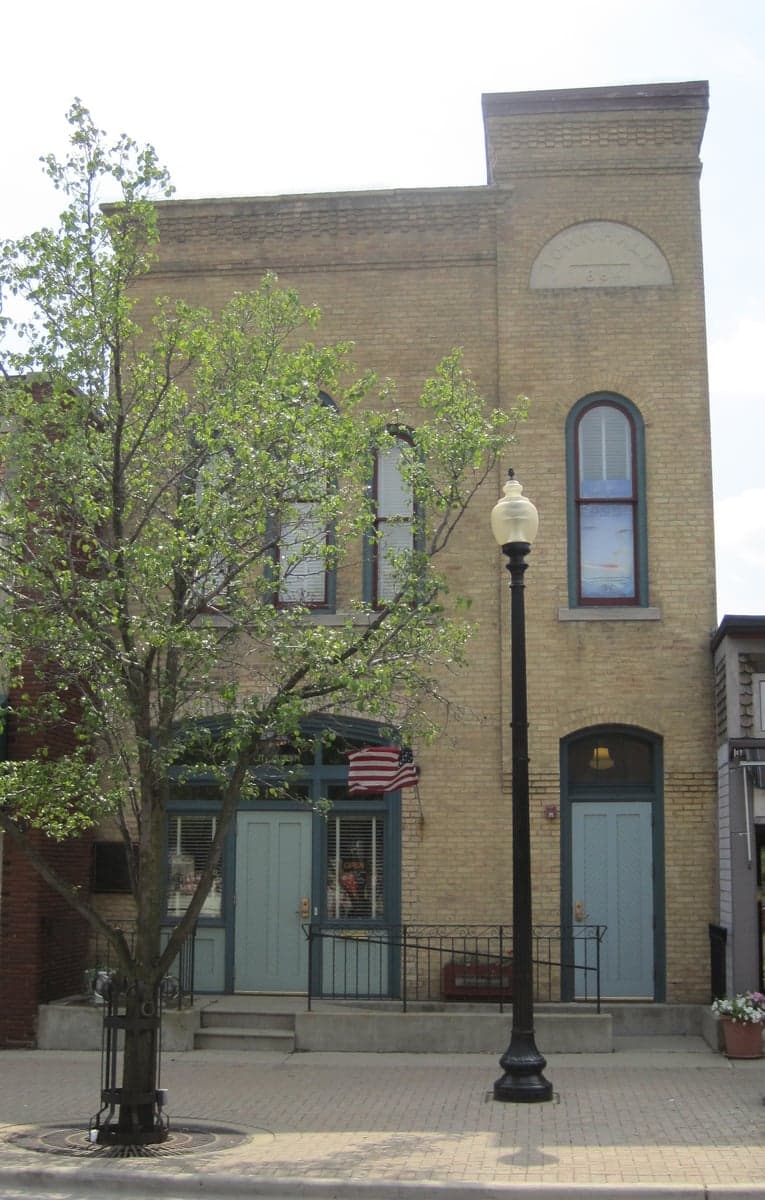
Photo: Wikipedia
Quality of Life in West Chicago, IL
A high quality of life with strong walkability, manageable living costs, healthy neighborhood signals, and solid amenity access.
What does Quality of Life tell us?
Quality of Life blends cost of living, nearby amenities, socioeconomic signals, and neighborhood character. City-level scores represent the whole municipality; individual neighborhoods can differ.
What does this tell us?
Quality of Life blends cost of living, nearby amenities, socioeconomic signals, and neighborhood character. City-level scores represent the whole municipality; individual neighborhoods can differ.
Cost of Living
14% above national average
The Real Cost of Living in West Chicago, IL for 2026
| Tier | Individual | Family (4) |
|---|---|---|
| Survival | $22k | $41k |
| Comfortable | $60k | $88k |
| Luxury | $160k+ | $248k+ |
| Elite (Top 5%) | $188k+ | $292k+ |
115%
The Area Signal
A metric tracking the socioeconomic signals of the area.
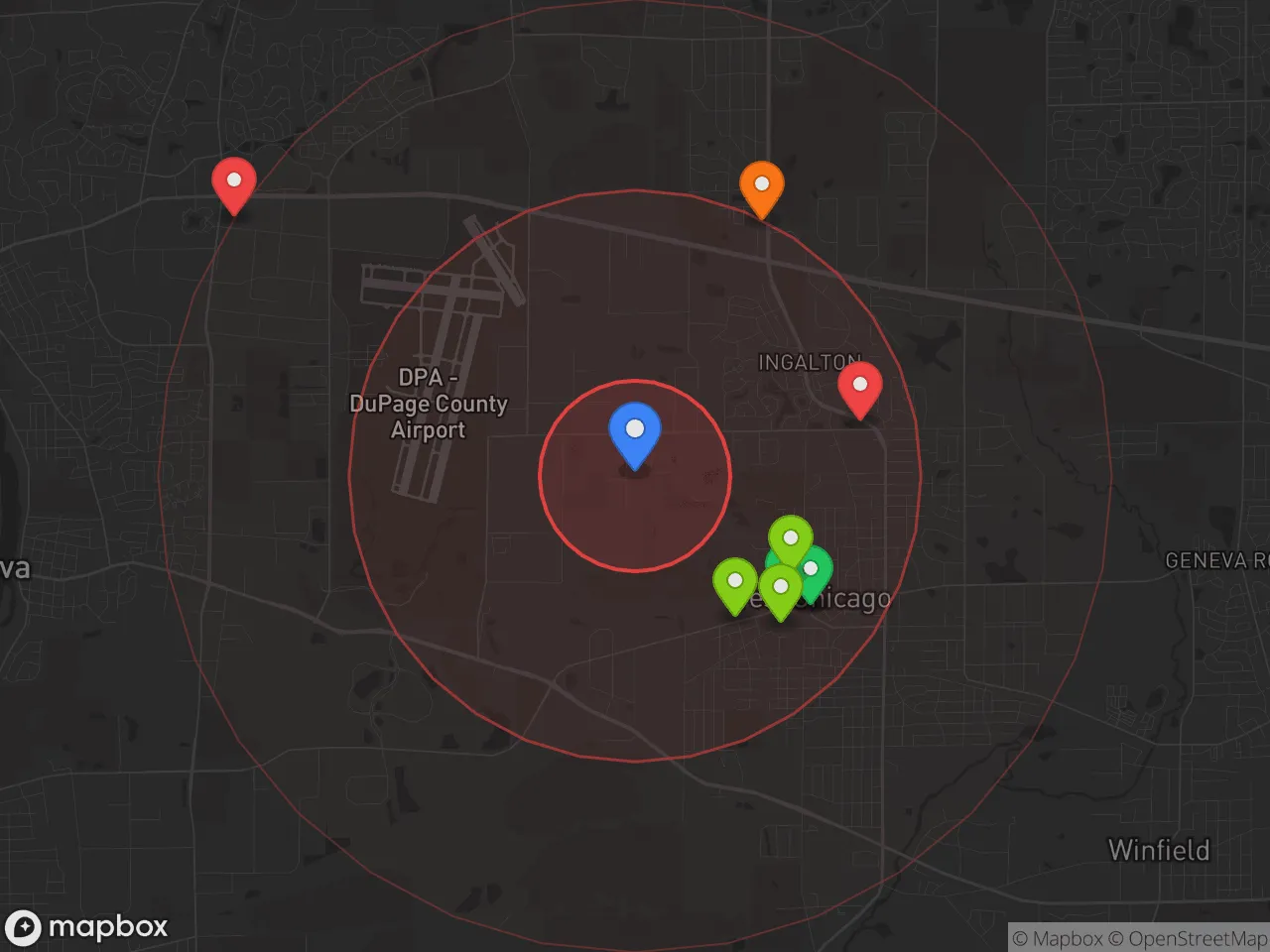
Hobbies
Explore the areaGroceries
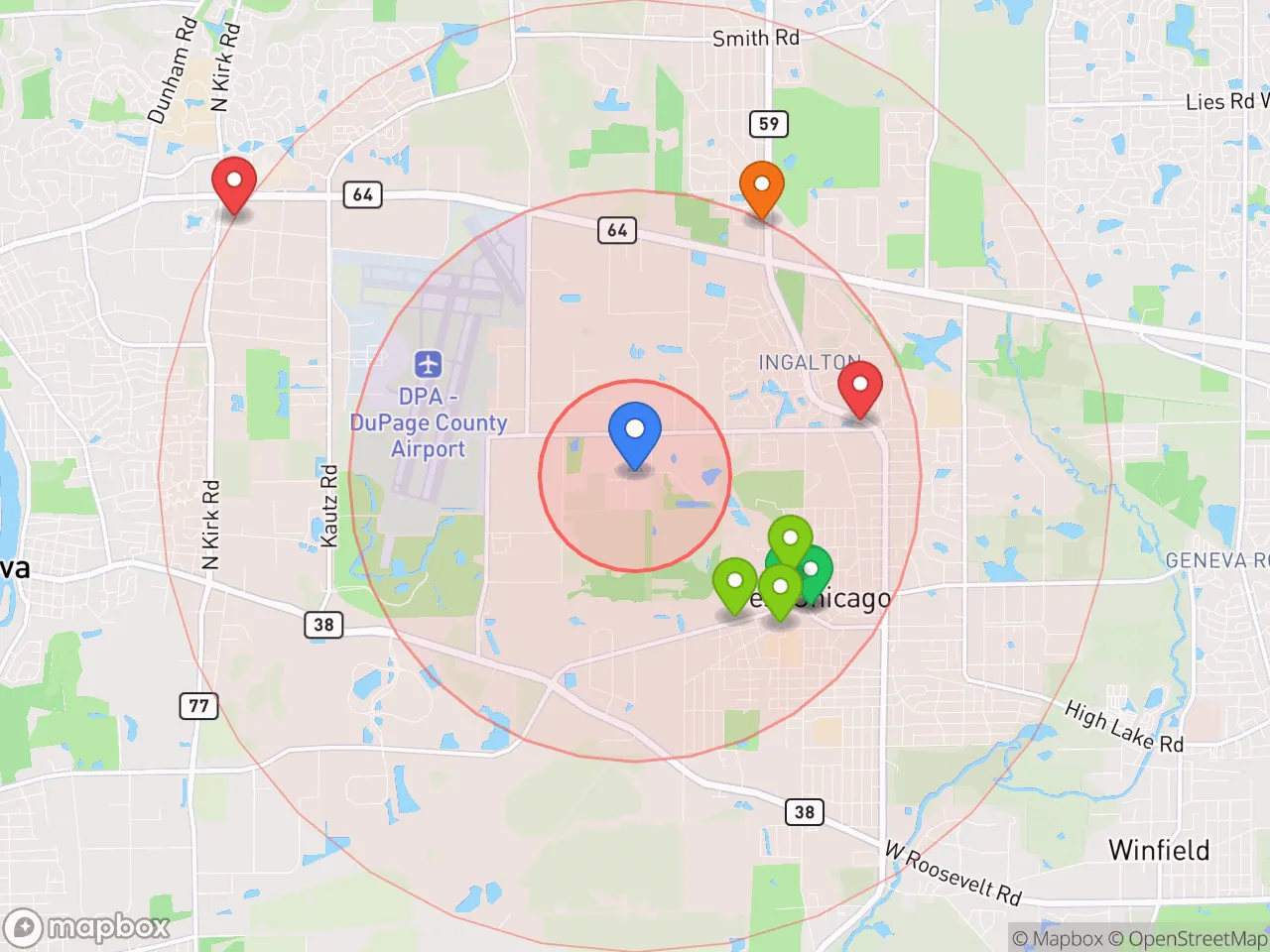
4 within 10 miles
Gas
20 within 10 miles
Hospital
20 within 20 miles
Airport
ORD — O'Hare International
Post Office
USPS — West Chicago, IL
Critical Amenities
Quality-of-Life Analysis
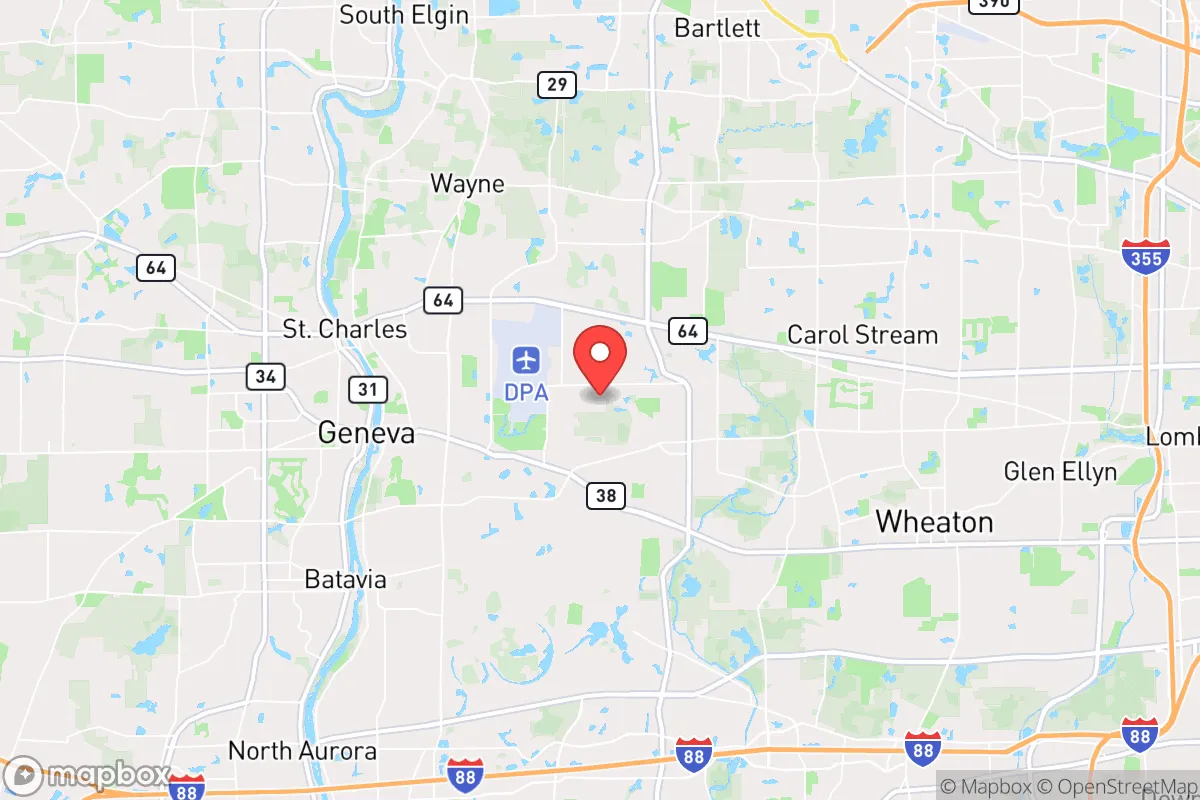
West Chicago, Illinois, presents a notably affluent yet grounded quality of life, drawing a mix of established families, first-generation homeowners, and professionals who work in the broader DuPage County and Chicago metro areas. With a cost of living index of 114 (14% above the U.S. average), the city offers a middle-to-upper-middle-class lifestyle that feels more attainable than pricier neighbors like Naperville or Geneva, while still providing strong public services and a distinct small-city identity. The population of roughly 25,000 is notably diverse, with a significant Hispanic community that shapes the local culture, economy, and dining scene.
Cost of living, housing, and affordability compared to nearby suburbs
West Chicago’s housing market sits at a practical midpoint between the high-cost lakefront suburbs and more affordable exurban towns. The median home value of $306,500 is roughly $50,000 below the DuPage County median, making it one of the more accessible entry points in the western suburbs for buyers. Median rent of $1,376 is similarly competitive, undercutting rents in Wheaton (about $1,550) and Carol Stream (about $1,450) while still offering comparable access to Metra rail service and major employers. The average commute of 26.9 minutes is slightly shorter than the Chicago metro average of 30 minutes, a meaningful advantage for workers commuting to offices in the I-88 corridor or downtown via the West Chicago Metra station on the Union Pacific West Line. Property taxes in DuPage County are high—typically 2.0% to 2.5% of assessed value—so buyers should factor that into monthly costs, though the city’s lower home prices partially offset the tax burden.
What daily life is like for families: schools, parks, and local amenities
Daily life in West Chicago centers on a walkable downtown core along Main Street, anchored by the historic West Chicago City Museum and the seasonal West Chicago Farmers Market. The city’s park district maintains over 20 parks, including the 80-acre Reed-Keppler Park with sports fields, a splash pad, and the ARC Center community hub. Public schools are served by West Chicago Community High School District 94 and several elementary districts (primarily D33), which generally earn average-to-good ratings on state report cards—not as elite as Naperville 203 but solid for a community with a large English-learner population. The DuPage County Forest Preserve system provides immediate access to trails at the nearby Pratt’s Wayne Woods and the West Branch DuPage River, giving residents outdoor recreation without leaving town. Dining leans toward family-owned Mexican taquerias and pizzerias rather than upscale chains, reinforcing the city’s unpretentious, community-oriented feel. The presence of major employers like Ball Horticultural Company (headquarters) and Fermilab (just east in Batavia) adds a science-and-agriculture flavor to the local economy.
West Chicago is best suited for buyers and renters who want a genuine small-city experience with solid schools, a shorter commute than far-out exurbs, and a diverse, welcoming population—without the premium price tag of Naperville or Glen Ellyn. First-time homebuyers, young families, and professionals who value affordability over prestige will find the city a practical, well-located base. Those seeking top-tier test scores or a vibrant nightlife scene should look elsewhere, but for a balanced, everyday quality of life in the western suburbs, West Chicago delivers consistent value.

Crime in West Chicago, IL
Lower crime rates than 88% of comparable U.S. locations.
Violent CrimeViolent Crime Analysis
Property CrimeProperty Crime Analysis
Crime Analysis
West Chicago, Illinois, reports a violent crime rate of 145.4 incidents per 100,000 residents and a property crime rate of 613.1 per 100,000, placing it in a moderate safety tier relative to other Chicago suburbs. These figures, however, must be weighed against the broader context of DuPage County and the state’s criminal justice environment, where progressive prosecutorial policies in nearby Cook County and statewide sentencing reforms have raised concerns about recidivism and public safety. For prospective residents, the data suggests a community where property crime is the more tangible risk, while violent crime remains below national averages but warrants vigilance.
Crime in context
West Chicago’s violent crime rate of 145.4 per 100,000 is roughly 60% lower than the national average of 380 per 100,000, but property crime at 613.1 per 100,000 sits slightly below the national figure of 1,954 per 100,000. Compared to Illinois as a whole, which reported a violent crime rate of 399 per 100,000 in 2023, West Chicago is significantly safer. However, the city’s location within the Chicago metropolitan area means it is subject to regional crime spillover, particularly from nearby Aurora and Chicago itself. The presence of progressive district attorneys in Cook County—who have implemented policies like cash bail reform and reduced charging for certain non-violent offenses—has been linked to increased property crime rings operating across municipal boundaries, a dynamic that affects West Chicago despite its own more conservative local policing.
What residents experience
Residents most commonly encounter property crimes such as vehicle burglaries, package thefts, and occasional residential break-ins, particularly in neighborhoods near the Metra train station and along Route 59. The city’s police department has responded with targeted patrols and a community alert system, but theft from vehicles remains the most reported offense, often occurring overnight in driveways and apartment lots. Violent crime is rare and typically isolated to domestic incidents or disputes among known individuals, with random attacks on strangers being extremely uncommon. Local forums and Nextdoor posts frequently highlight concerns about speeding and traffic enforcement as a higher day-to-day safety priority than violent crime, reflecting a community where proactive policing is valued but resources are stretched.
Neighborhood-level variation is modest but notable. The area west of Route 59, including the newer subdivisions near Kress Road, reports lower crime rates than the older downtown core and the industrial corridor along North Avenue. The Winfield Creek and Indian Knoll neighborhoods are considered the safest, with minimal police calls, while the apartment complexes near the intersection of Washington Street and Main Street see more frequent property crime incidents. Overall, West Chicago offers a suburban safety profile that is strong by national standards, but the regional influence of progressive criminal justice policies in the metro area means residents should remain engaged with local crime prevention efforts and support law enforcement funding to maintain current safety levels.
* Values derived from national, state, county, city and local statistics and may differ in a specific area. Last updated: 2026-08-10T03:24:24.000Z
Narrative content on this page is AI-generated and may contain mistakes. Verify any details that matter before acting on them.
ReloMaps may earn a commission from affiliate links at no extra cost to you.

