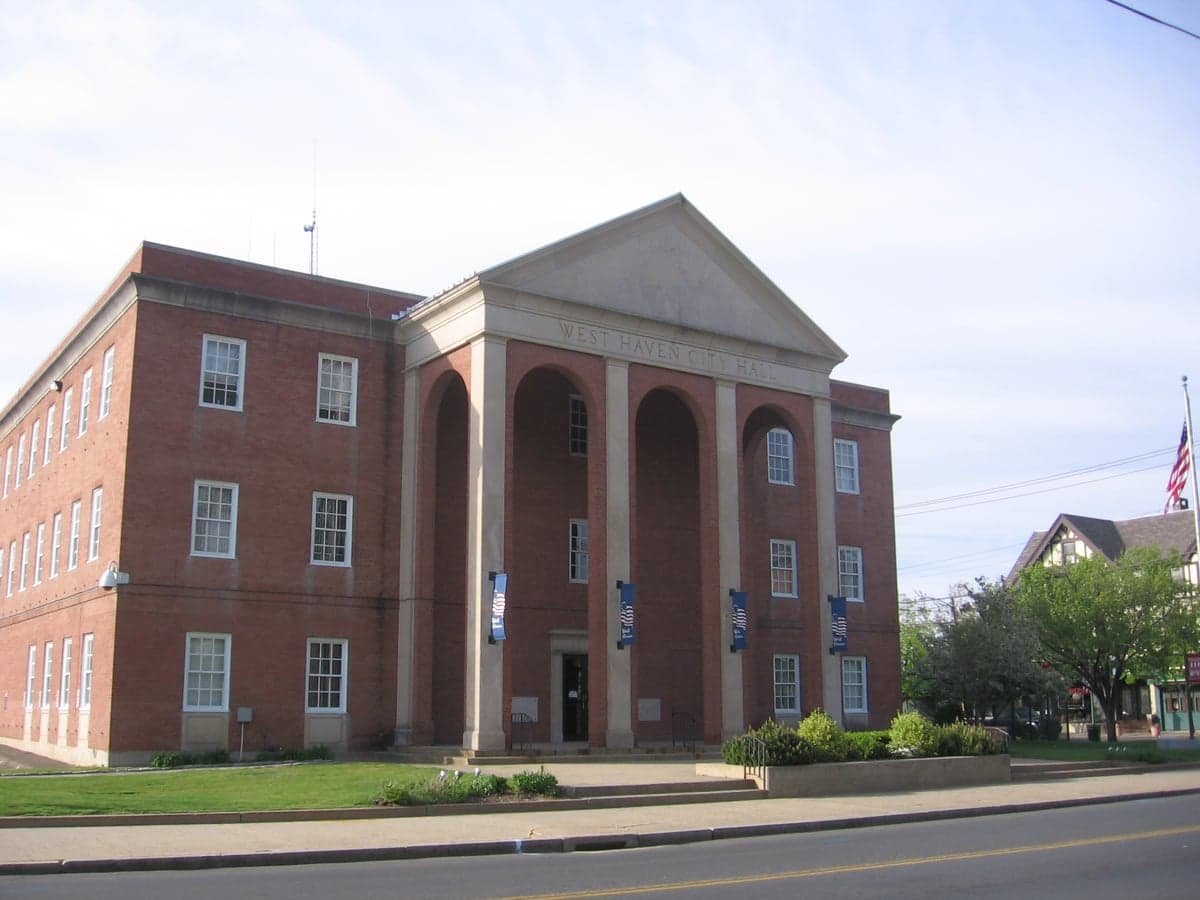
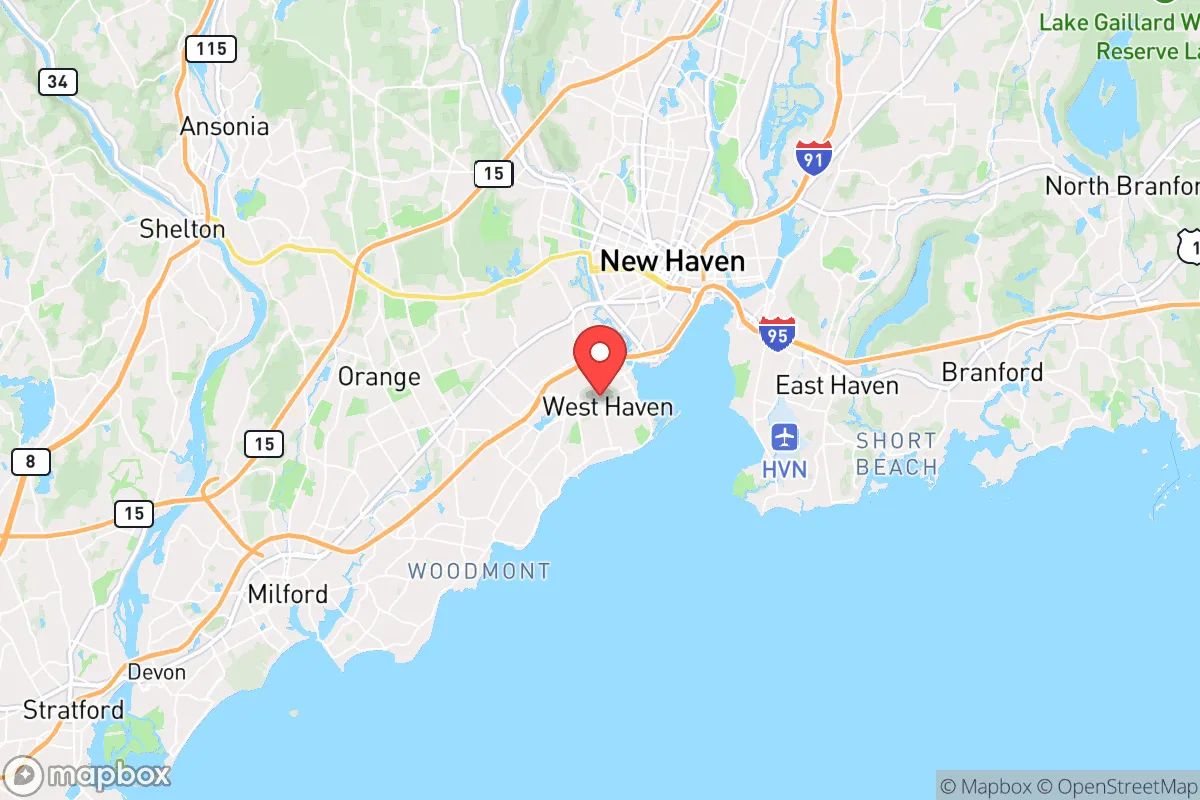
Photo: Wikipedia
Quality of Life in West Haven, CT
A high quality of life with strong walkability, manageable living costs, healthy neighborhood signals, and solid amenity access.
What does Quality of Life tell us?
Quality of Life blends cost of living, nearby amenities, socioeconomic signals, and neighborhood character. City-level scores represent the whole municipality; individual neighborhoods can differ.
What does this tell us?
Quality of Life blends cost of living, nearby amenities, socioeconomic signals, and neighborhood character. City-level scores represent the whole municipality; individual neighborhoods can differ.
Cost of Living
9% above national average
The Real Cost of Living in West Haven, CT for 2026
| Tier | Individual | Family (4) |
|---|---|---|
| Survival | $22k | $42k |
| Comfortable | $52k | $76k |
| Luxury | $119k+ | $184k+ |
| Elite (Top 5%) | $140k+ | $217k+ |
97%
The Area Signal
A metric tracking the socioeconomic signals of the area.


Hobbies
Explore the areaGroceries
3 within 10 miles
Gas
0 within 10 miles
Hospital
3 within 20 miles
Airport
JFK — John F. Kennedy International
Post Office
USPS — New Haven, CT
Critical Amenities
Quality-of-Life Analysis
West Haven, Connecticut, presents a middle-market quality of life shaped by its position as a more affordable coastal alternative to New Haven and the pricier shoreline towns. With a cost of living index of 109 (9% above the U.S. average), the city attracts a mix of working professionals, University of New Haven faculty and staff, and families seeking proximity to New Haven’s job base without paying its housing premiums. The population skews younger than the state average, driven by the university’s 6,500+ students and a growing number of commuters who value the 24-minute average commute to downtown New Haven.
Cost of living, housing, and affordability compared to New Haven and Milford
West Haven’s cost of living sits notably below the Connecticut state average (index ~120), making it one of the more budget-conscious shoreline communities. The median home value of $265,200 is roughly 30% lower than New Haven’s median and less than half the median in neighboring Milford ($500,000+). For renters, the median monthly rent of $1,389 undercuts New Haven’s average by about $200 and is significantly cheaper than Milford’s $1,800+ market. Property taxes in West Haven are relatively high — the mill rate of approximately 40.0 mills means annual taxes on a median home run around $10,600 — but the lower purchase price partially offsets this compared to higher-valued towns. Utility costs align with the regional average, while grocery and transportation costs are slightly above the national norm due to Connecticut’s overall price levels. The affordability gap with New Haven has narrowed since 2020 as New Haven rents surged, pushing more renters west along the I-95 corridor.
Amenities, schools, and what daily life is like for families and commuters
Daily life in West Haven revolves around its 1.5-mile shoreline along Long Island Sound, with Bradley Point and Oak Street Beach providing free public access for swimming and picnicking. The city’s 1,800-acre West Haven Veterans Memorial Park offers walking trails, sports fields, and a marina. For families, the West Haven Public Schools system serves roughly 5,500 students, with Bailey Middle School and West Haven High School being the largest campuses; the district’s graduation rate hovers around 88%, slightly below the state average of 90%. Private and parochial options include St. Lawrence School and Notre Dame High School. The retail spine is the West Haven Center area along Campbell Avenue and the Boston Post Road, anchored by a Stop & Shop and a Target. Dining leans toward casual Italian and seafood spots, such as Jimmies of Savin Rock and Zuppardi’s Apizza. Commuters benefit from the West Haven Metro-North station on the New Haven Line, offering a 90-minute express ride to Grand Central Terminal, and direct access to I-95 and the Merritt Parkway. The University of New Haven campus adds cultural events, a Division II athletics schedule, and a public safety presence that keeps the area around the university active into the evening.
West Haven is best suited for cost-conscious professionals who work in New Haven or along the I-95 corridor, University of New Haven affiliates, and families who prioritize beach access and a short commute over top-tier public schools or low property taxes. Retirees on fixed incomes may find the tax burden challenging, while those seeking a vibrant nightlife or high-end retail will likely prefer New Haven or Milford. The city’s trade-off is clear: lower housing costs and a 24-minute commute in exchange for older housing stock, moderate school performance, and property taxes that rank among the highest in New Haven County. For the right buyer or renter, West Haven delivers a functional, beach-adjacent lifestyle at a price point that remains rare along Connecticut’s shoreline.

Crime in West Haven, CT
Lower crime rates than 84% of comparable U.S. locations.
Violent CrimeViolent Crime Analysis
Property CrimeProperty Crime Analysis
Crime Analysis
West Haven, Connecticut, presents a mixed safety profile that warrants careful consideration for potential residents. The city's violent crime rate stands at 56 incidents per 100,000 residents, while property crime occurs at a rate of 860.2 per 100,000. These figures place West Haven in a challenging position: its violent crime rate is notably lower than the national average, but its property crime rate exceeds both state and national benchmarks, creating a situation where residents must remain vigilant against theft and vandalism while generally feeling safe from violent confrontations.
Crime in context
When compared to broader trends, West Haven's violent crime rate of 56 per 100,000 is significantly below the national average of approximately 380 per 100,000, and also lower than Connecticut's statewide rate of roughly 190 per 100,000. This suggests that serious offenses like homicide, robbery, and aggravated assault are relatively uncommon. However, the property crime rate of 860.2 per 100,000 exceeds the national average of about 1,950 per 100,000 but is higher than Connecticut's average of roughly 1,500 per 100,000. This disparity indicates that while West Haven is not a high-crime city by national standards, property offenses—particularly larceny and motor vehicle theft—are a persistent concern. A critical factor for readers to consider is the broader legal environment in Connecticut, which is heavily influenced by progressive judicial philosophies. The state's liberal judges and district attorneys often prioritize rehabilitation and diversion programs over incarceration, a policy approach that, while sympathetic to offenders, can result in more criminals remaining on the streets and a diminished sense of justice for victims and the general public. This systemic leniency may contribute to the elevated property crime rates seen in West Haven and similar communities within the New Haven metro area.
What residents experience
Daily life in West Haven involves a heightened awareness of property security. Residents commonly report incidents of package theft, car break-ins, and occasional burglaries, particularly in neighborhoods near the University of New Haven or along major corridors like Campbell Avenue and Boston Post Road. Violent crime is rare enough that most residents do not feel immediate physical danger, but the cumulative effect of property crime fosters a sense of unease. The city's proximity to New Haven—a larger urban center with its own crime challenges—means that some criminal activity spills over into West Haven, especially drug-related offenses and auto theft. Local police have implemented community policing initiatives and increased patrols in hotspot areas, but the effectiveness of these efforts is tempered by the broader state-level policies that critics argue prioritize offender rights over public safety. For families and individuals considering relocation, the practical takeaway is that West Haven requires proactive security measures—such as home alarm systems, secure parking, and neighborhood watch participation—to mitigate the property crime risk.
Neighborhood-level variation is notable in West Haven. Areas closer to the shoreline, such as the neighborhoods around Bradley Point and Oak Street Beach, tend to experience lower crime rates due to higher property values and stronger community cohesion. In contrast, the central and eastern sections of the city, particularly near the New Haven border and along Route 1, see higher concentrations of property crime and occasional drug activity. The Allingtown neighborhood, home to the University of New Haven, has a mixed safety profile: the campus itself is well-policed, but surrounding streets can see opportunistic crime targeting students. Prospective residents should research specific blocks and consult local crime maps, as safety can vary dramatically within a few streets. Ultimately, West Haven offers a relatively safe environment for violent crime but demands caution and awareness regarding property crime, a dynamic shaped in part by the progressive legal framework that governs the region.
* Values derived from national, state, county, city and local statistics and may differ in a specific area. Last updated: 2026-04-19T07:03:44.000Z
Narrative content on this page is AI-generated and may contain mistakes. Verify any details that matter before acting on them.
ReloMaps may earn a commission from affiliate links at no extra cost to you.

