Personal Sovereignty in Westlake, TX
Strong independent fundamentals that actively favor personal liberty and low regulation.
What does Personal Sovereignty tell us?
Personal Sovereignty measures your capacity for self-reliance and independence with minimal government friction. Higher scores mean fewer barriers between you and the way you want to live... but it assumes you have the space you need and good neighbors.
What does this tell us?
Personal Sovereignty measures your capacity for self-reliance and independence with minimal government friction. Higher scores mean fewer barriers between you and the way you want to live... but it assumes you have the space you need and good neighbors.
State Policy
Energy independence: Net exporter (220% of energy produced in-state)
Personal Liberty
Homesteading

Personal Liberty Analysis
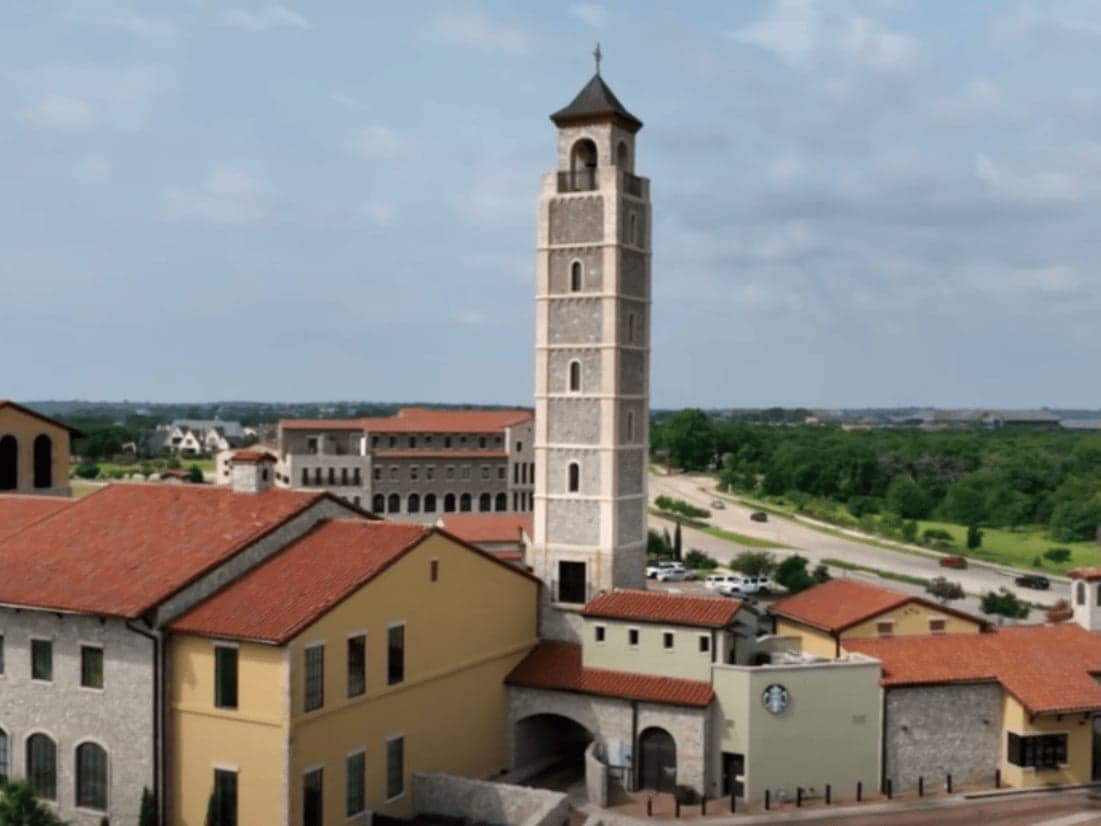
Westlake, Texas, offers a personal sovereignty environment that is among the strongest in the Dallas-Fort Worth metroplex, largely because it sits at the intersection of a deeply conservative state government, a low-tax municipal structure, and a community culture that actively resists overreach. For the survivalist or prepper-minded individual, this means fewer layers of government interference in daily life, from how you secure your property to how you educate your children. The town’s small population—roughly 1,500 residents—and its status as a wealthy enclave (median household income well over $200,000) create a political dynamic where local officials are highly responsive to property owners who value autonomy. While no place in the United States is entirely free from federal or state mandates, Westlake’s combination of Texas’s constitutional protections and local governance that leans heavily on private property rights makes it a standout for those prioritizing personal liberty.
Tax burden and regulatory posture: How Westlake compares to surrounding cities
Westlake’s tax burden is among the lightest in Tarrant County, and the regulatory posture is deliberately minimal. The town has no city property tax—relying instead on sales tax revenue from the massive Texas Motor Speedway and surrounding commercial development—which means homeowners pay only county and school district taxes. For a $1 million home, that translates to roughly $18,000–$20,000 annually in property taxes, which is high by national standards but low for the DFW area’s affluent suburbs. More importantly, there is no municipal income tax, no business inventory tax, and no local zoning overlay that restricts what you can do on your own land beyond basic health and safety codes. The town’s regulatory approach is best described as “hands-off”: building permits are straightforward, and there is no city-level rental inspection program or noise ordinance that would interfere with homestead activities like generator use or vehicle maintenance. For the prepper, this means you can install solar panels, build a root cellar, or store supplies without needing a dozen permits or facing HOA-style restrictions—though note that many Westlake neighborhoods do have private HOAs with their own covenants, so property-specific due diligence is critical.
Self-defense and gun law specifics: What Texas state law means for Westlake residents
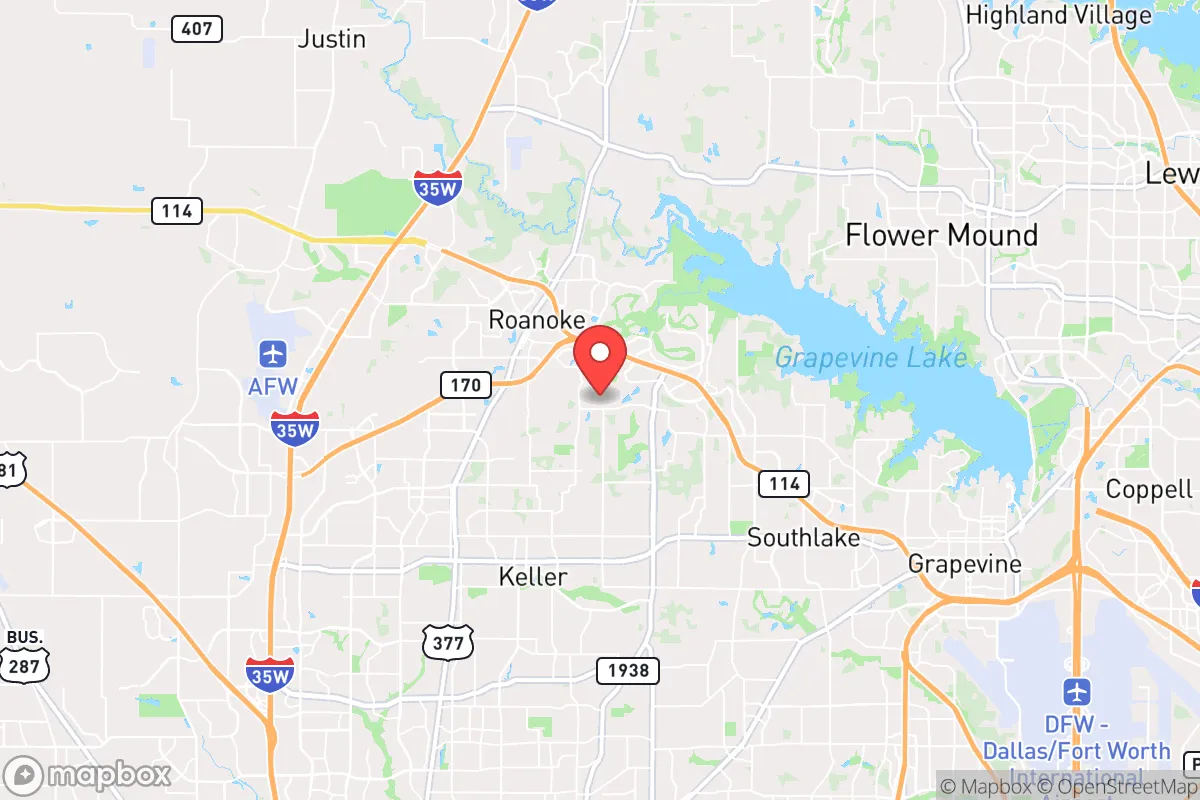
Texas state law provides some of the strongest self-defense and gun rights in the country, and Westlake residents benefit fully from these protections. The state is a constitutional carry jurisdiction, meaning no permit is required to carry a handgun openly or concealed for anyone 21 or older who is not prohibited by federal law. Stand-your-ground laws are in effect, with no duty to retreat in any place where you are lawfully present. Castle doctrine protections extend to vehicles and workplaces, not just homes. For the survivalist, the practical implication is that you can maintain a fully stocked armory—including NFA items like suppressors and short-barreled rifles, provided you comply with federal tax stamps—without local interference. Westlake itself has no city-level gun ordinances; the police department does not maintain a firearm registry, and there are no waiting periods or ammunition purchase restrictions beyond federal background checks. The nearest gun-friendly ranges and training facilities are within 15 minutes in Roanoke and Keller, and the broader Tarrant County sheriff’s office is known for issuing licenses to carry (for those who still want reciprocity in other states) without unnecessary delays. For those concerned about government overreach, Texas’s 2021 Second Amendment Sanctuary status—declaring the state’s intent to nullify any federal gun control measures—adds an extra layer of legal protection.
Self-reliance and homesteading viability: Lot sizes, zoning, and off-grid feasibility
Westlake’s residential landscape is dominated by large-lot estates, with most homes sitting on one to five acres, which creates genuine opportunities for self-reliance. Zoning is minimal: the town’s land-use code allows for accessory structures like barns, workshops, and greenhouses without special permits, as long as they meet basic setback requirements. Off-grid feasibility is moderate—Texas law does not require grid connection for new construction, and solar panel installation is unregulated at the local level. However, the town is served by Oncor Electric Delivery, and most homeowners remain grid-tied because battery storage costs are still high. Rainwater harvesting is legal and encouraged; Texas state law actually grants property rights to captured rainwater, and there are no restrictions on cistern size. For those serious about food production, the soil in this part of Denton County is clay-heavy but workable with raised beds, and the growing season runs from March to November. The biggest limitation for full off-grid living is water: Westlake relies on municipal water from the Trinity River Authority, and drilling a private well requires a permit from the Texas Commission on Environmental Quality, with no guarantee of yield. Livestock is permitted on parcels over one acre, subject to basic animal cruelty statutes, but chickens, goats, and bees are generally allowed without a special use permit. For the prepper, the key takeaway is that Westlake’s zoning is permissive enough to support a serious homesteading operation, but the high land prices ($200,000–$500,000 per acre) mean this is a luxury option, not a budget-friendly one.
Personal liberties: Parental rights, medical autonomy, speech, and property
Texas has become a national leader in protecting parental rights and medical autonomy, and Westlake residents enjoy the full benefit of these state-level protections. Parental rights are codified in Texas law, giving parents the final say over their children’s education, medical care, and religious upbringing. The state does not require vaccination for school attendance if parents claim a conscientious exemption, and there is no state-level mask or vaccine mandate for children. Homeschooling is essentially unregulated—no notification, no curriculum approval, no testing requirements—which appeals to families who want to control their children’s education entirely. Medical autonomy is similarly robust: Texas has banned COVID-19 vaccine mandates by private employers and government entities, and the state’s 2023 law prohibits any future emergency health orders that would restrict religious gatherings or firearm sales. Free speech is protected under the Texas Religious Freedom Restoration Act, which provides stronger protections than federal law. Property rights are reinforced by the state’s Private Real Property Rights Preservation Act, which requires government entities to justify any regulatory taking. For the survivalist, the practical effect is that you can refuse medical treatments, choose alternative healthcare providers, and speak out against government policies without fear of legal retaliation. The one notable limitation is that Texas does not have a state-level right-to-try law for experimental treatments beyond the federal version, but this is a minor concern for most.
Compared to other affluent suburbs in the DFW area—like Southlake, Highland Park, or Colleyville—Westlake offers a noticeably higher degree of personal sovereignty, primarily because its small government structure and lack of municipal property tax create fewer incentives for regulatory creep. The town’s police department is professional but not overbearing, and the community’s political culture is overwhelmingly libertarian-leaning conservative. For the prepper or survivalist, the biggest trade-off is cost: Westlake’s real estate prices are among the highest in the region, and the private HOAs in some subdivisions can impose restrictions that conflict with self-reliance goals. But for those who can afford it, the combination of Texas’s strong state-level protections and Westlake’s minimal local governance makes it one of the most sovereignty-friendly places to live in the entire Dallas-Fort Worth metroplex. If your priority is maximizing personal freedom while maintaining access to urban infrastructure, Westlake deserves serious consideration.

* Values derived from national, state, county, city and local statistics and may differ in a specific area. Last updated: 2026-04-24T04:37:22.000Z
Narrative content on this page is AI-generated and may contain mistakes. Verify any details that matter before acting on them.
ReloMaps may earn a commission from affiliate links at no extra cost to you.

