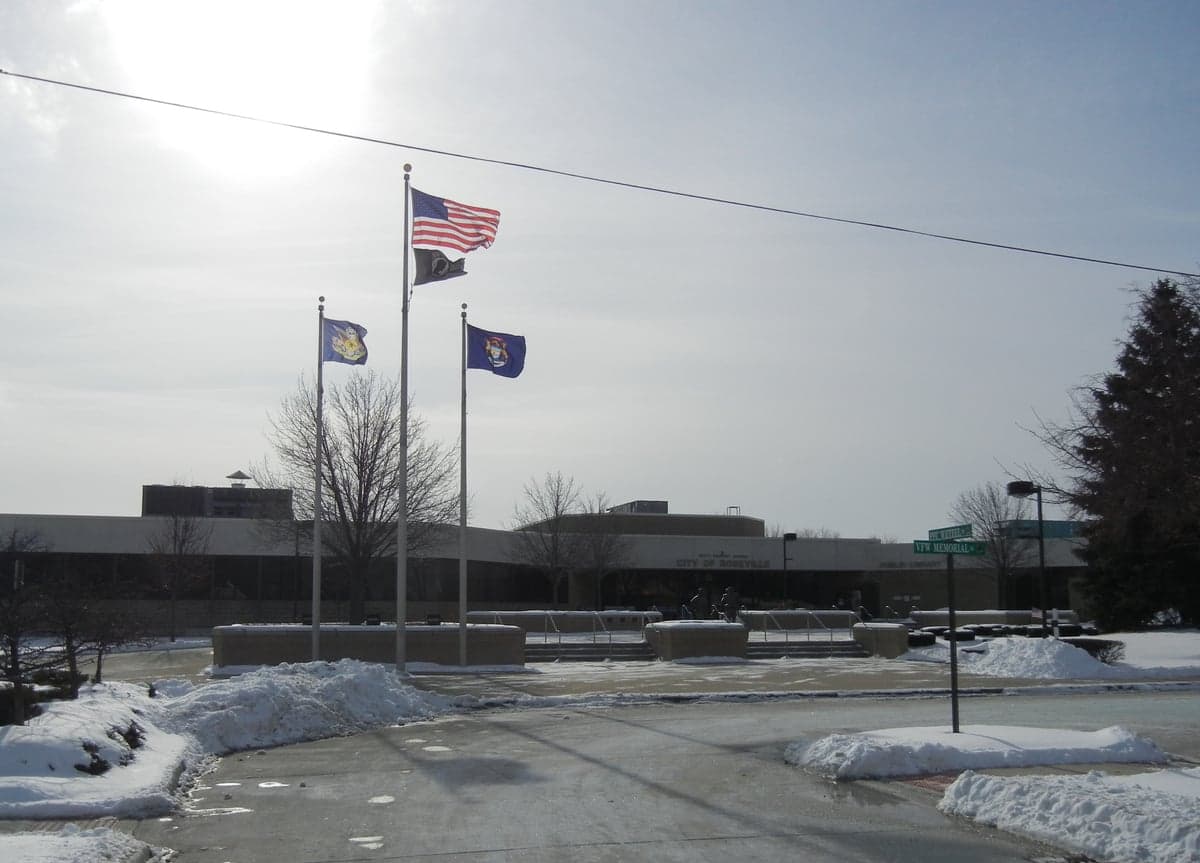
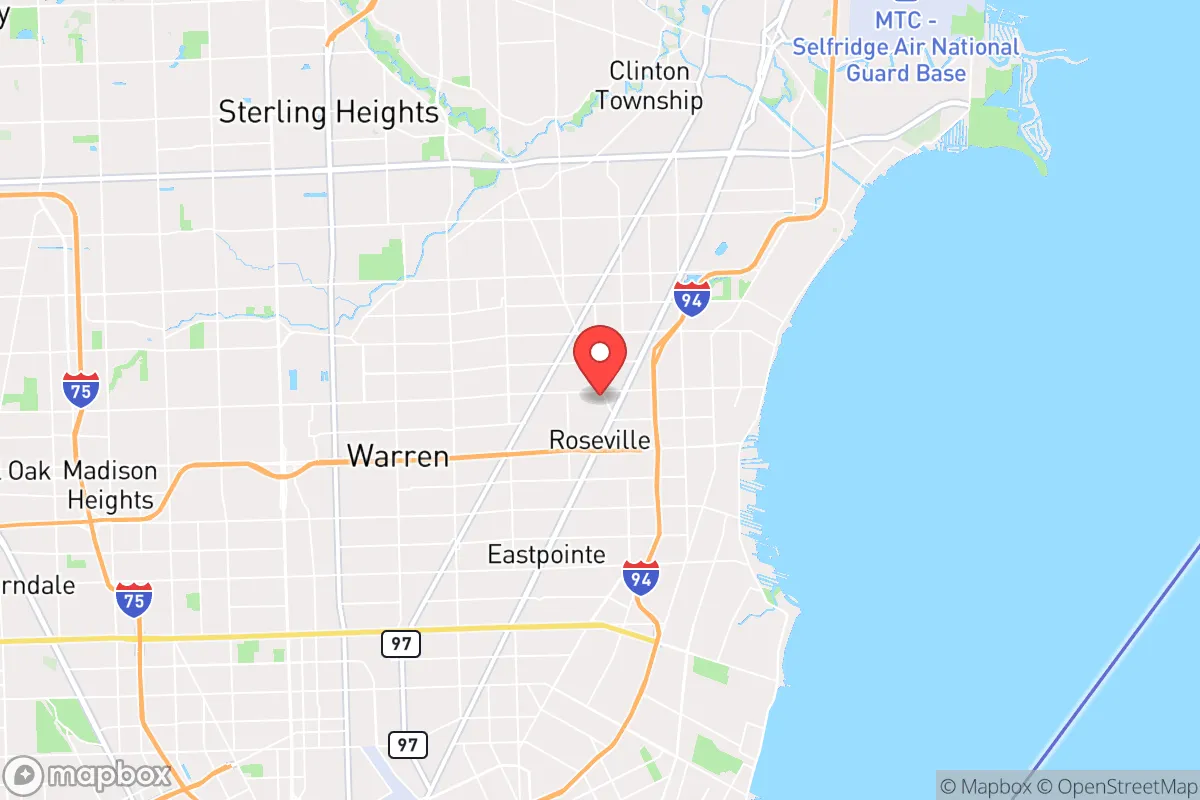
Photo: Wikipedia
Find The Best Places To Live
in Roseville
PRO TIP! You can paste a Zillow or Redfin link to get info on that property.
What It's Like Living in Roseville, MI
Roseville, Michigan, feels like a slice of old-school Macomb County where the American Dream still comes with a two-car garage and a backyard grill. It’s a blue-collar suburb that’s more about steady routines than flashy nights out—think Friday fish frys at the local VFW, high school football on crisp October evenings, and a genuine sense that neighbors actually know each other’s names. With a population hovering around 47,000, it’s big enough to have its own identity but small enough that you’ll run into the same faces at the grocery store.
Daily Rhythm: What Life Actually Looks Like Here
Most mornings in Roseville start with a short commute—the average drive to work is about 26 minutes, which puts Detroit, Warren, and Sterling Heights within easy reach without forcing you to live in the chaos of the city. People here tend to work in trades, manufacturing, healthcare, or local government; the median household income sits at $61,222, which stretches further than you’d expect thanks to a cost of living index of 81 (well below the national average). Weekends often mean hitting up the Macomb Mall for errands, grabbing a pizza at Buddy’s (the Detroit-style square pie is a local institution), or spending a lazy afternoon at Memorial Park—a solid green space with ball fields, a splash pad, and walking paths that fill up with families when the weather cooperates.
The median age here is 40, which tells you a lot: this isn’t a college town or a retiree haven. It’s a place where people settle down after a few years of renting, buy a home for a median price of $142,700 (still affordable by metro Detroit standards), and raise kids who’ll go through the Roseville Community Schools system. The schools themselves are a mixed bag—some elementary buildings earn solid reviews, but the high school’s reputation is more about athletics and community pride than academic accolades. Parents who prioritize test scores often look east toward Chippewa Valley or Anchor Bay districts, but for many locals, the convenience of a neighborhood school outweighs the rankings.
Sports, Community, and the Things That Bring People Together
High school sports are a surprisingly big deal here. Roseville High School football games on Friday nights draw crowds that include alumni who graduated decades ago, and the rivalry with neighboring Warren Cousino or Fraser can get genuinely heated. For pro sports, it’s all Detroit teams—you’ll see Lions jerseys on Sundays, Tigers caps in the summer, and Red Wings sweaters when the ice rinks open. There’s no major college sports presence in town, but plenty of residents tailgate for Michigan or Michigan State games depending on which side of the family they married into.
When it comes to entertainment, Roseville keeps things low-key. The Go Comedy! Improv Theater in nearby Ferndale is a 15-minute drive for a date night, and Freedom Hill Amphitheatre in Sterling Heights hosts summer concerts that draw country and classic rock acts. Within Roseville itself, the Lorenzo Cultural Center on the Macomb Community College campus offers rotating exhibits and lectures that punch above their weight for a suburb this size. The big annual event is Roseville’s Summer Festival in June—carnival rides, a parade, and enough cotton candy to keep the kids buzzing for a week. It’s not Coachella, but it’s the kind of thing that makes a town feel like home.
Pros and Cons of Living in Roseville
Let’s be honest about the trade-offs. On the plus side, the affordability is real—your dollar goes further here than in almost any other metro Detroit suburb, and you can still find a move-in-ready bungalow for under $150,000. The commute is manageable, the neighbors are generally friendly in a Midwestern “I’ll shovel your walk if you’re sick” kind of way, and you’re 20 minutes from downtown Detroit for concerts, museums, or a Tigers game. The Gratiot Avenue corridor has every chain store and fast-food joint you could need, which is convenient if not charming.
On the downside, the violent crime rate of 505.3 per 100,000 is noticeably higher than the national average—it’s not a dangerous place by Detroit standards, but you’ll want to lock your car doors and keep an eye on your surroundings, especially near the main commercial strips. Only about 15% of adults hold a bachelor’s degree, which reflects the working-class character but also means fewer white-collar job opportunities within the city itself. The winters are typical southeast Michigan—gray, snowy, and long enough that by March everyone’s ready to move to Florida. And while there are solid local bars like Jolly’s Tavern and Bobby’s Bar, the restaurant scene is heavy on Coney Islands and pizza chains; if you’re craving pho or ramen, you’re driving to Madison Heights or Royal Oak.
For the right person—someone who values stability over excitement, wants a house they can actually afford, and doesn’t mind a little grit around the edges—Roseville delivers exactly what it promises. It’s not trying to be trendy. It’s trying to be home.

Similar towns to Roseville
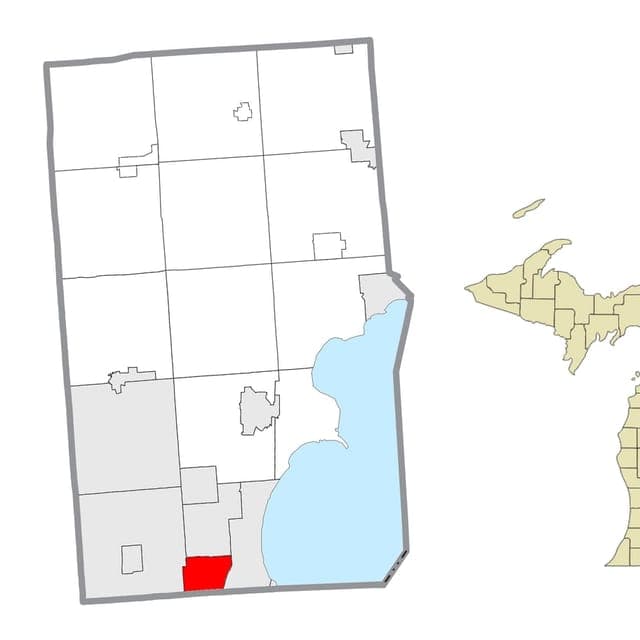
* Values derived from national, state, county, city and local statistics and may differ in a specific area. Last updated: 2026-04-30T03:37:46.000Z
Narrative content on this page is AI-generated and may contain mistakes. Verify any details that matter before acting on them.
ReloMaps may earn a commission from affiliate links at no extra cost to you.

