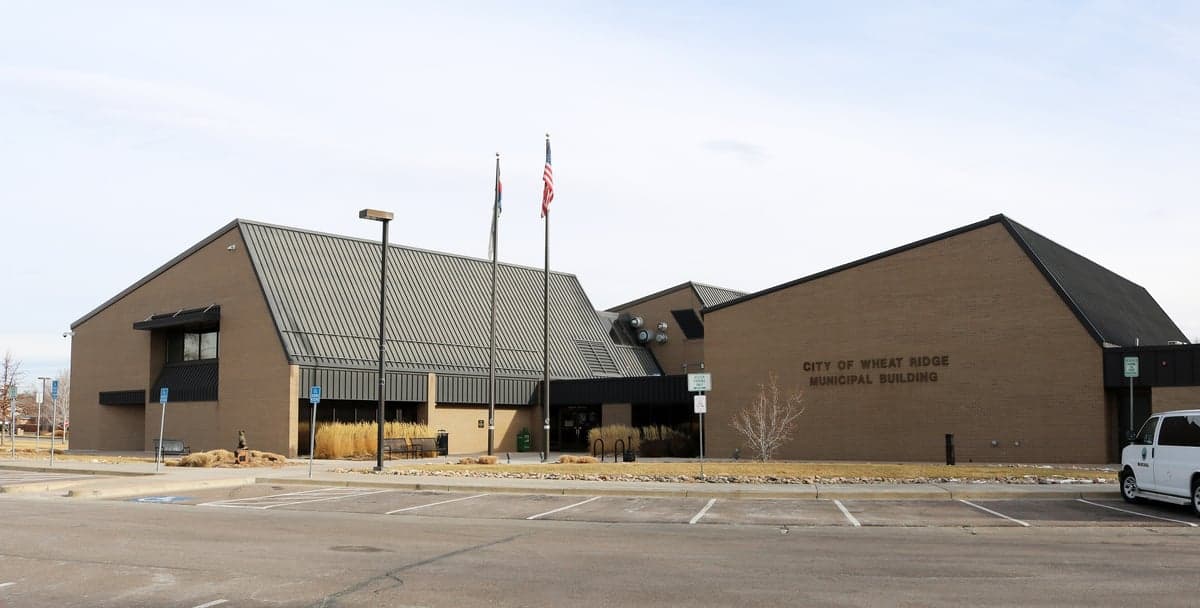
Photo: Wikipedia
Personal Sovereignty in Wheat Ridge, CO
Viable for self-reliance. Generally workable, though some barriers may limit total independence.
What does Personal Sovereignty tell us?
Personal Sovereignty measures your capacity for self-reliance and independence with minimal government friction. Higher scores mean fewer barriers between you and the way you want to live... but it assumes you have the space you need and good neighbors.
What does this tell us?
Personal Sovereignty measures your capacity for self-reliance and independence with minimal government friction. Higher scores mean fewer barriers between you and the way you want to live... but it assumes you have the space you need and good neighbors.
State Policy
Energy independence: Net exporter (110% of energy produced in-state)
Personal Liberty
Homesteading

Personal Liberty Analysis
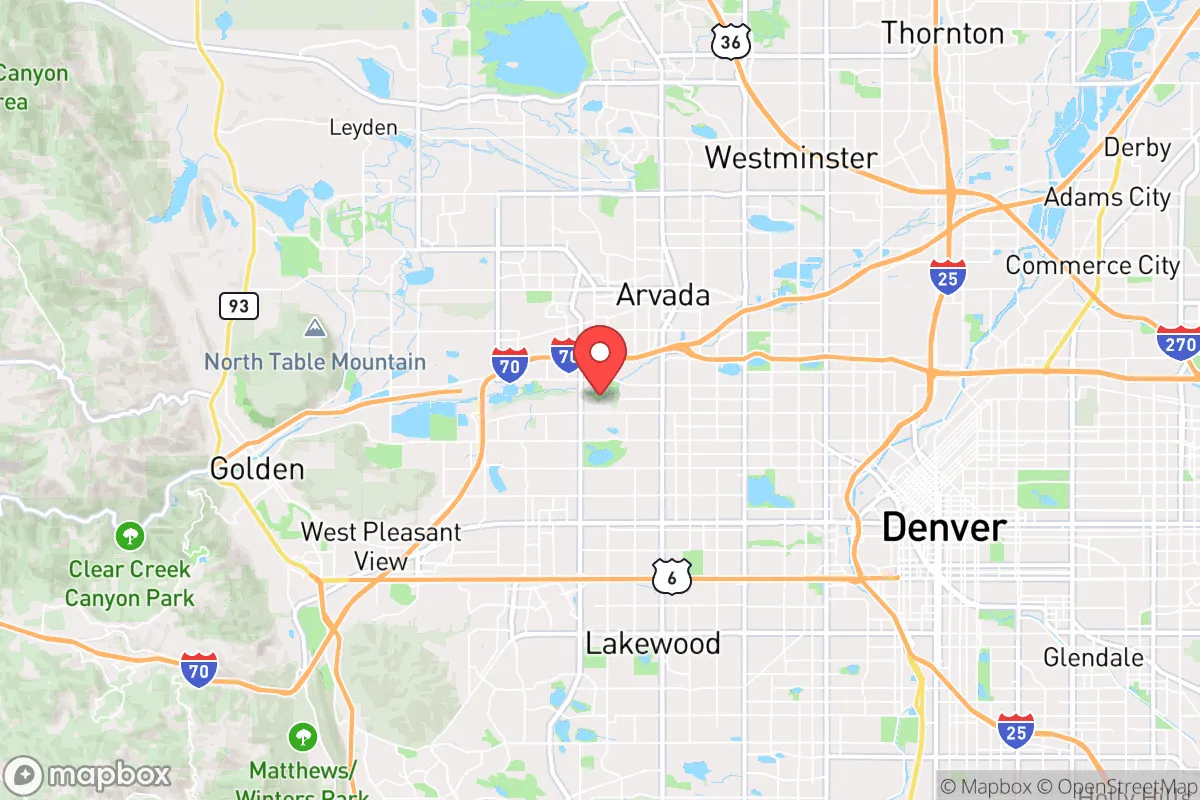
For the individualist or prepper evaluating Wheat Ridge, Colorado, the personal sovereignty picture is a study in contrasts: you get a surprisingly resilient local culture of self-reliance and a favorable geographic buffer from the state’s most restrictive urban centers, but you must contend with a state government that has steadily eroded certain core freedoms. Nestled against the foothills just west of Denver, Wheat Ridge offers a strategic middle ground—close enough to resources but far enough from the densest population centers to afford a degree of operational autonomy. The key is understanding which levers of control are local and which are preempted by state law, and then deciding whether the trade-offs align with your personal risk calculus.
Tax burden and regulatory posture: how much the state takes and controls
Colorado’s overall tax burden is moderate by national standards, but the regulatory creep is what demands attention. The state income tax is a flat 4.4% as of 2026, and Jefferson County (where Wheat Ridge sits) levies a property tax rate around 0.6% of assessed value—well below the national average. That means your primary residence and land won’t be confiscatory. However, the regulatory environment is where the friction lives. Colorado has a strict statewide building code (the 2021 IECC with amendments) that applies to all new construction and major renovations, limiting your ability to build unconventional, off-grid structures without permits and inspections. The state also mandates renewable energy standards for new homes, which can increase build costs. For the prepper, the biggest regulatory headache is water rights: Colorado is a prior-appropriation state, meaning you cannot simply dig a well and use groundwater without a permit from the state engineer, and those permits are increasingly hard to obtain for new residential wells in the Front Range. This effectively ties your self-sufficiency to the municipal water system unless you buy a property with an existing, senior water right—a rare and expensive asset in Wheat Ridge.
Self-defense and gun law specifics: what you can keep and carry
This is the most critical sovereignty issue for many readers, and the news is mixed. Colorado is a shall-issue state for concealed carry permits, meaning if you pass a background check and complete a training course, the county sheriff must issue your permit. Jefferson County is generally pro-2A in administration, with reasonable processing times. However, the state legislature has passed several restrictions in recent years that directly impact preppers. Magazine capacity is limited to 15 rounds for handguns and rifles purchased after the ban took effect (though pre-ban magazines are grandfathered and transferable). There is also a universal background check law for all private firearm transfers, including between family members, unless you use a licensed dealer. The state has a "red flag" law (Extreme Risk Protection Order) that allows a court to temporarily seize firearms based on a petition from law enforcement or family members—a tool that critics argue can be abused in domestic disputes or by vindictive neighbors. On the positive side, Colorado is a stand-your-ground state with no duty to retreat in any place you have a legal right to be. Open carry is legal without a permit for anyone 18+ who can legally possess a firearm, though local ordinances in some Denver suburbs restrict it; Wheat Ridge itself does not have a local open-carry ban. For the survivalist, the bottom line is that you can defend your home and person, but you must navigate a web of state-level restrictions that limit capacity and private transfers.
Self-reliance and homesteading viability: lot sizes, zoning, and off-grid feasibility
Wheat Ridge is a fully suburban city with typical lot sizes ranging from 6,000 to 12,000 square feet in older neighborhoods, and newer subdivisions pushing smaller. The city’s zoning code is conventional: single-family residential zones allow one primary dwelling and one accessory dwelling unit (ADU) on lots of sufficient size, but raising livestock is heavily restricted—chickens are allowed with a permit (hens only, no roosters), but goats, pigs, or larger animals are prohibited on standard residential lots. The city has a strict weed ordinance that requires lawns to be maintained, which limits the "wild" permaculture approach some preppers favor. Off-grid feasibility is low within city limits: the municipal water and sewer system is mandatory for any habitable structure, and solar panels are allowed but must comply with HOA rules (if applicable) and city building codes. Battery storage is permitted but must meet fire codes. For true self-reliance, you would need to look at unincorporated Jefferson County land just west of Wheat Ridge, where lot sizes increase to 1-5 acres and zoning is more permissive for livestock, wells, and alternative energy. Within Wheat Ridge itself, the best strategy is to treat your property as a suburban base camp—capable of short-term self-sufficiency (water storage, garden, backup power) but not a long-term homestead.
Personal liberties: parental rights, medical autonomy, speech, and property
Colorado’s state government has been aggressive in preempting local control on several fronts that matter to sovereignty-minded individuals. Parental rights in education have been a flashpoint: the state mandates that school districts adopt comprehensive sex education curricula (including LGBTQ+ content) and prohibits schools from notifying parents if a student changes their gender identity or pronouns without the student’s consent—a policy that directly conflicts with the parental rights many readers prioritize. Jefferson County School District (Jeffco) has been a battleground, with conservative school board members elected in recent cycles pushing back, but state law still governs. On medical autonomy, Colorado has legalized recreational marijuana and psilocybin therapy, which some see as personal freedom and others as a degradation of community standards. Vaccine mandates for school attendance remain in place for standard childhood immunizations, though philosophical exemptions are allowed. Free speech is generally robust, but the state has enacted laws against "conversion therapy" for minors and has hate-crime statutes that can be applied to speech deemed threatening. Property rights are the strongest pillar: Colorado has no statewide rent control, and eminent domain is limited to public projects with just compensation. However, the state’s 2023 "land use" reform bill (SB23-213) preempted local zoning to force higher density near transit corridors, which could affect neighborhood character and property values in Wheat Ridge over time. For the prepper, the most concerning trend is the state’s increasing willingness to override local decisions on everything from energy policy to public health orders—meaning your local community’s autonomy is only as strong as the state allows.
Overall, Wheat Ridge offers a moderate sovereignty profile compared to other Colorado Front Range suburbs. It is significantly more freedom-friendly than Boulder or Denver proper—where taxes are higher, gun restrictions tighter, and regulatory burdens heavier—but it falls well short of the autonomy found in rural counties like El Paso or Fremont, where property taxes are lower, zoning is looser, and state overreach is more easily resisted. For the strategic relocator, Wheat Ridge works best as a base of operations with good access to mountain retreats and a like-minded community in Jefferson County, but it requires active engagement in local politics and a willingness to travel west for true self-reliance. If your priority is maximum personal sovereignty with minimal government interference, you will likely find Wheat Ridge a compromise—but a livable one, provided you keep one eye on the statehouse and the other on the foothills.

* Values derived from national, state, county, city and local statistics and may differ in a specific area. Last updated: 2026-04-23T02:20:42.000Z
Narrative content on this page is AI-generated and may contain mistakes. Verify any details that matter before acting on them.
ReloMaps may earn a commission from affiliate links at no extra cost to you.

