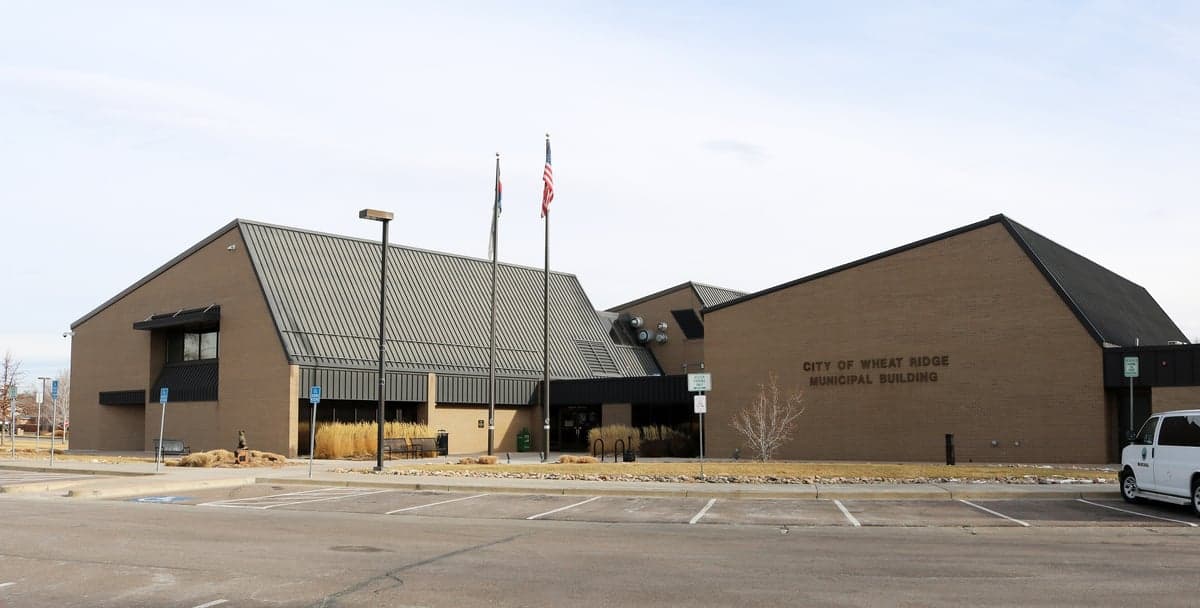
Photo: Wikipedia
Quality of Life in Wheat Ridge, CO
A high quality of life with strong walkability, manageable living costs, healthy neighborhood signals, and solid amenity access.
What does Quality of Life tell us?
Quality of Life blends cost of living, nearby amenities, socioeconomic signals, and neighborhood character. City-level scores represent the whole municipality; individual neighborhoods can differ.
What does this tell us?
Quality of Life blends cost of living, nearby amenities, socioeconomic signals, and neighborhood character. City-level scores represent the whole municipality; individual neighborhoods can differ.
Cost of Living
60% above national average
The Real Cost of Living in Wheat Ridge, CO for 2026
| Tier | Individual | Family (4) |
|---|---|---|
| Survival | $24k | $45k |
| Comfortable | $106k | $156k |
| Luxury | $155k+ | $241k+ |
| Elite (Top 5%) | $183k+ | $283k+ |
56%
The Area Signal
A metric tracking the socioeconomic signals of the area.
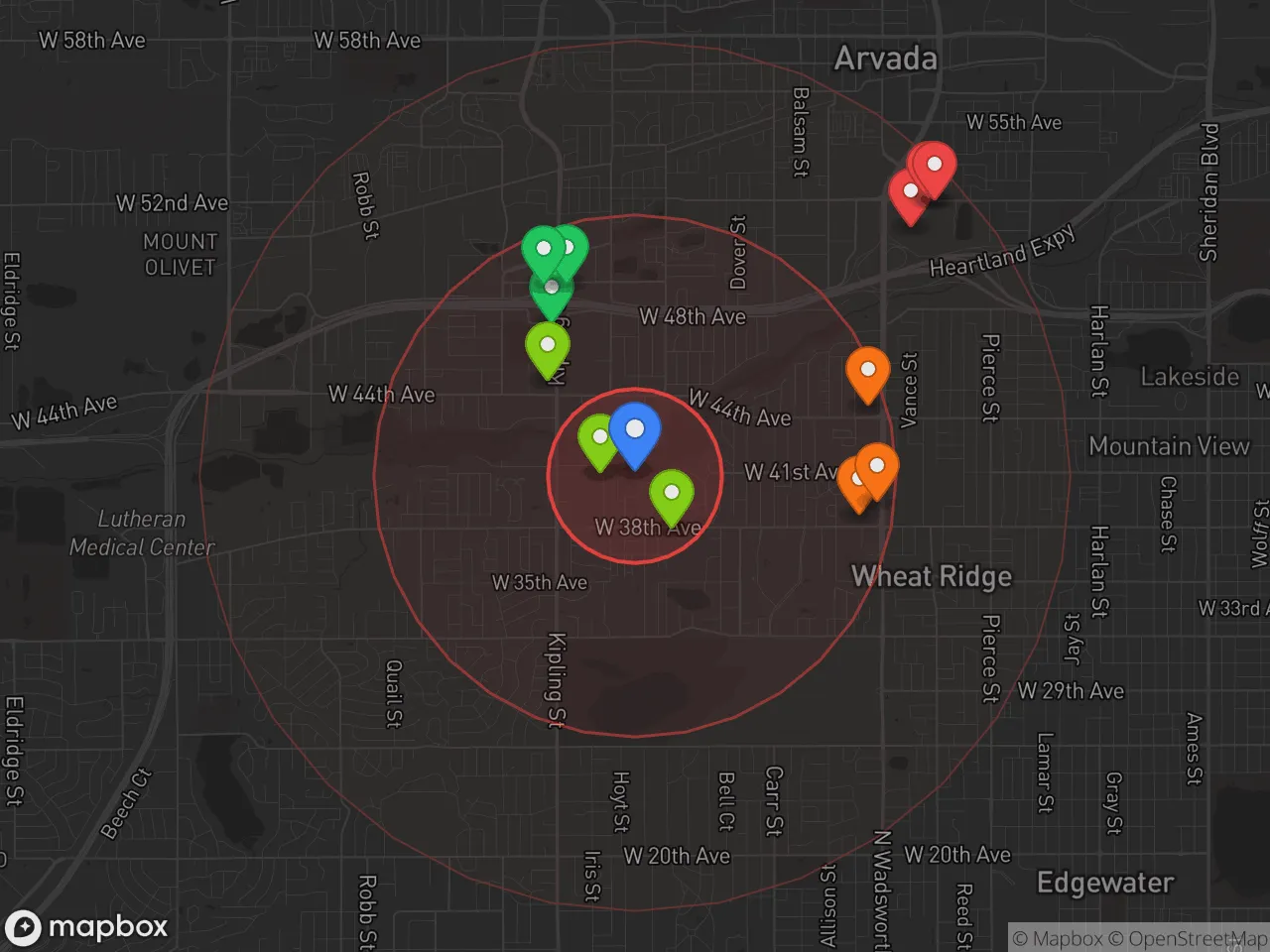
Hobbies
Explore the areaGroceries
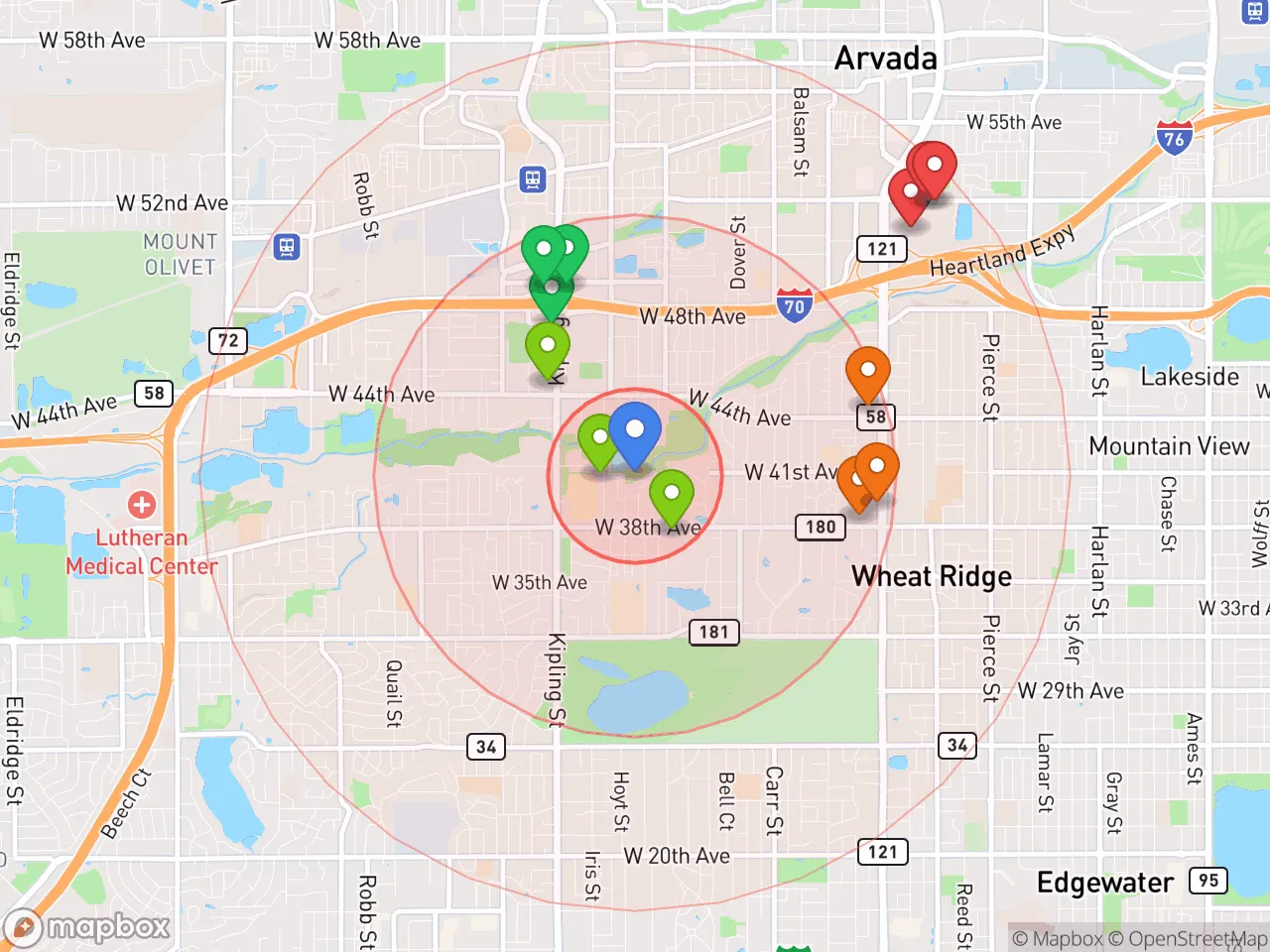
8 within 10 miles
Gas
20 within 10 miles
Hospital
20 within 20 miles
Airport
DEN — Denver International
Post Office
USPS — Wheat Ridge, CO
Critical Amenities
Quality-of-Life Analysis
Wheat Ridge, Colorado, is a middle-to-upper-middle-income suburb of Denver with a cost-of-living index of 160 (60% above the U.S. average), placing it among the pricier inner-ring suburbs along the Front Range. The city attracts a mix of young professionals, established families, and long-term residents drawn by its relative affordability compared to Denver proper and Boulder, combined with a quieter, more established neighborhood feel. Median household income hovers around $75,000, reflecting a demographic that values proximity to urban jobs without the premium price tag of trendier enclaves.
Cost of living, housing costs, and how Wheat Ridge compares to Denver and Arvada
Wheat Ridge’s housing market is the primary driver of its elevated cost of living. The median home value of $584,700 is roughly 15% lower than Denver’s median ($690,000 as of early 2026) and about 10% below neighboring Arvada, making it a more accessible entry point for buyers. Median rent sits at $1,493, which is notably lower than Denver’s average of $1,800 and Boulder’s $2,100, appealing to renters who want space without downtown prices. However, the index of 160 means everyday expenses—groceries, utilities, and transportation—run about 60% above the national norm, though still below Boulder’s index of 180. The average commute of 23.9 minutes is shorter than the Denver metro average of 27 minutes, thanks to direct access to I-70 and the G Line light rail at the nearby Olde Town Arvada station, reducing time and fuel costs for workers heading to downtown Denver or the I-25 corridor.
Parks, schools, and what daily life is like for families and professionals
Daily life in Wheat Ridge centers on its 20+ parks, the 40-mile Clear Creek Trail system, and a walkable downtown core along 38th Avenue. The city’s Jefferson County Public Schools district serves most residents, with Wheat Ridge High School and Everitt Middle School both rated above average by GreatSchools, while several charter options like The Academy of Charter Schools draw families from across the area. The local retail mix leans practical—King Soopers, Target, and a growing number of independent breweries and cafes—rather than high-end, giving the suburb a grounded, unpretentious rhythm. For outdoor recreation, residents are 15 minutes from the foothills trails at Golden and 25 minutes from Red Rocks Amphitheatre, while the Denver Zoo and Museum of Nature & Science are a 20-minute drive east. The city’s low crime rate (violent crime roughly 30% below the national average per 2024 FBI data) and strong sense of community, fostered by events like the Wheat Ridge Carnation Festival, make it a stable choice for those prioritizing safety and convenience over nightlife.
Wheat Ridge is best suited for buyers and renters who want a more affordable, quieter alternative to Denver without sacrificing access to the metro’s job market and amenities. Young professionals will appreciate the short commute and lower rent, while families benefit from solid schools, ample parks, and a slower pace. Retirees and long-term residents are drawn to the established neighborhoods and proximity to medical facilities like Lutheran Medical Center. Those seeking a vibrant urban scene or luxury housing should look to LoDo or Boulder, but for a balanced, middle-ground quality of life in a well-located suburb, Wheat Ridge delivers consistent value.

Crime in Wheat Ridge, CO
Generally safer than 58% of comparable U.S. locations.
Violent CrimeViolent Crime Analysis
Property CrimeProperty Crime Analysis
Crime Analysis
Wheat Ridge, Colorado, presents a mixed safety profile that requires careful consideration, particularly for those moving from more conservative jurisdictions. The city's violent crime rate of 266.4 incidents per 100,000 residents is notably lower than the national average, but its property crime rate of 3,889.8 per 100,000 is significantly elevated—roughly 50% higher than the U.S. median. This disparity reflects broader trends in the Denver metro area, where progressive criminal justice policies have been linked to reduced incarceration rates and increased property crime recidivism.
Crime in context
Wheat Ridge's violent crime rate sits well below the Colorado state average of approximately 400 per 100,000 and the national figure of 380 per 100,000. However, the property crime rate is a major concern. It is nearly double the state average of roughly 2,200 per 100,000 and far exceeds the national median of 2,500 per 100,000. This pattern is common in Denver's inner-ring suburbs, where the influence of Jefferson County's district attorney—who has implemented diversion programs and reduced sentences for non-violent offenders—has been cited by local law enforcement as a contributing factor to repeat property offenses. The city's proximity to Denver, where progressive prosecutors have deprioritized certain theft and drug charges, also means criminals face fewer consequences for crossing jurisdictional lines.
What residents experience
For daily life in Wheat Ridge, the high property crime rate translates into tangible risks. Vehicle break-ins, package theft, and residential burglaries are the most common complaints, with many incidents occurring in commercial corridors like 38th Avenue and Wadsworth Boulevard. Residents frequently report that stolen property is rarely recovered, and suspects are often released on low or no bond due to state bail reform laws passed in 2020. While violent crime is less common, the presence of drug-related offenses and gang activity in adjacent areas like Edgewater and Lakewood means that random acts of violence, though statistically rare, do occur. The Wheat Ridge Police Department has responded with increased patrols and a community notification system, but staffing levels remain constrained by budget limitations.
Neighborhood-level variation is notable. Areas north of I-70, particularly near the Clear Creek corridor, experience higher rates of property crime due to easier access to major highways for quick getaways. The more residential neighborhoods south of 26th Avenue, such as the Applewood area, see lower crime rates but still face occasional thefts. Gated communities and homes with visible security systems report fewer incidents, but no part of Wheat Ridge is immune to the effects of regional criminal justice policies that prioritize offender rehabilitation over public safety. Prospective residents should factor in the cost of comprehensive home security systems and comprehensive auto insurance when budgeting for a move to this area.
* Values derived from national, state, county, city and local statistics and may differ in a specific area. Last updated: 2026-04-23T02:20:42.000Z
Narrative content on this page is AI-generated and may contain mistakes. Verify any details that matter before acting on them.
ReloMaps may earn a commission from affiliate links at no extra cost to you.

