Photo: Wikipedia
Personal Sovereignty in Wilkes Barre, PA
Strong independent fundamentals that actively favor personal liberty and low regulation.
What does Personal Sovereignty tell us?
Personal Sovereignty measures your capacity for self-reliance and independence with minimal government friction. Higher scores mean fewer barriers between you and the way you want to live... but it assumes you have the space you need and good neighbors.
What does this tell us?
Personal Sovereignty measures your capacity for self-reliance and independence with minimal government friction. Higher scores mean fewer barriers between you and the way you want to live... but it assumes you have the space you need and good neighbors.
State Policy
Energy independence: Net exporter (150% of energy produced in-state)
Personal Liberty
Homesteading

Personal Liberty Analysis
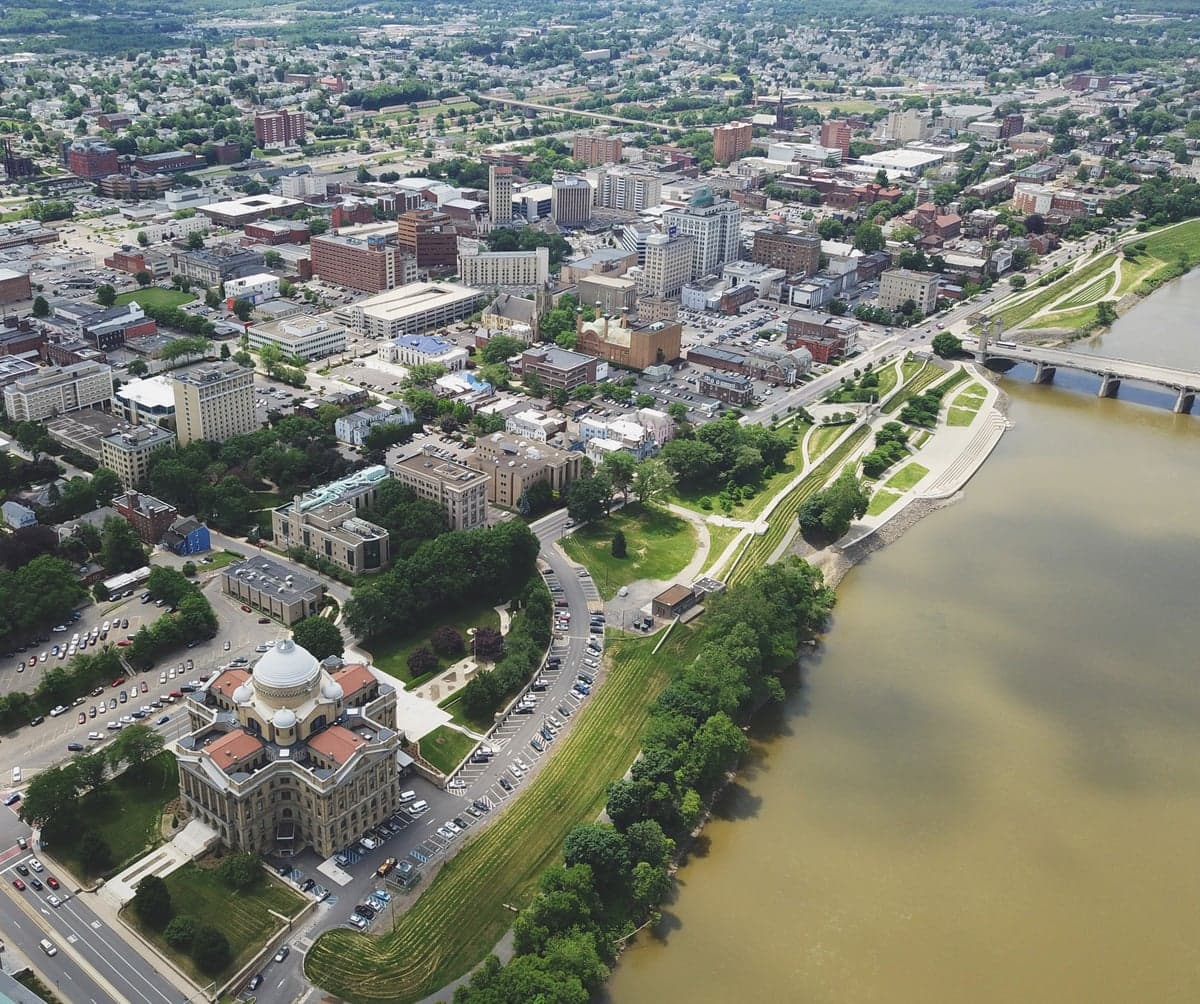
Wilkes-Barre, Pennsylvania, offers a mixed but workable environment for personal sovereignty, where the state's historical blue-collar independence meets a modern regulatory landscape that can either empower or constrain individual autonomy. For those with a survivalist or prepper mindset, the city itself is a trade-off: you get the infrastructure and community of a small urban center, but the real freedom lies in the surrounding Luzerne County, where property rights, self-defense laws, and a lower cost of living create a buffer against government overreach. The key is understanding that Pennsylvania is not a free-for-all—it has a state income tax, some firearm restrictions, and zoning that can trip up off-grid plans—but it also lacks the aggressive overreach seen in states like New York or California. For a conservative-leaning individual or family looking to maintain control over their life, health, and property, Wilkes-Barre is a viable base, provided you navigate the local rules with eyes wide open.
Tax burden and regulatory posture in Luzerne County
Pennsylvania's tax structure is a double-edged sword for sovereignty-minded residents. The state imposes a flat 3.07% personal income tax on all earned income, which is moderate compared to neighboring New York or New Jersey, but it's a fixed cost you can't avoid—no deductions for prepping supplies or homestead investments. Property taxes in Luzerne County are another story: the average effective rate is around 1.8% of assessed value, which is higher than the national average but manageable if you buy a modest home or land. The real burden comes from school taxes, which can eat up a significant chunk of your budget, but there are no county-level sales taxes beyond the state's 6% (plus 1% local option in Wilkes-Barre city). Regulatory posture here is generally business-friendly but not lax. Pennsylvania has a Uniform Construction Code that applies statewide, meaning you can't just throw up a shed or modify a structure without permits—this can frustrate preppers who want to build underground bunkers or reinforced safe rooms. However, Luzerne County is less aggressive than Philadelphia or Pittsburgh in enforcement; many rural properties operate with a "don't ask, don't tell" attitude toward minor unpermitted work, especially if you're outside city limits. The state's Right-to-Farm Act offers some protection for agricultural activities, but it's not a blanket shield—neighbors can still sue over noise or smells if you're not following best practices. For the autonomy-minded, the takeaway is that Wilkes-Barre's tax burden is tolerable, but you'll need to budget for compliance or risk fines if you push the envelope too far.
Self-defense and gun law specifics for Wilkes-Barre residents
Pennsylvania is a shall-issue state for concealed carry permits, meaning if you pass a background check and complete a simple application (no training required), Luzerne County must issue you a License to Carry Firearms (LTCF). This is a major win for personal sovereignty—you can carry a handgun openly or concealed in most public places, including parks and streets, without a permit for open carry (though you need the LTCF for concealed). The state also has preemption, so Wilkes-Barre city cannot pass its own stricter gun laws than the state's baseline. That said, there are limits: no assault weapons ban exists at the state level, but you cannot carry in courthouses, schools (with exceptions for LTCF holders in vehicles), or federal buildings. Stand-your-ground laws are not explicitly codified in Pennsylvania statutes, but case law supports a Castle Doctrine that presumes you acted in self-defense if someone unlawfully enters your home or vehicle—no duty to retreat. For preppers, this is critical: you can defend your property with deadly force if you reasonably believe it's necessary to prevent death or serious injury. However, the state does require a background check for all handgun purchases (including private sales), and long guns from private sellers have no such requirement—a loophole that some see as a freedom and others as a risk. Magazine capacity is not restricted, and suppressors are legal with a federal tax stamp. Overall, Wilkes-Barre offers a solid self-defense environment, but you must stay on top of permit renewals and avoid prohibited places—a single misstep can lead to felony charges that strip your rights permanently.
Self-reliance and homesteading viability in the region
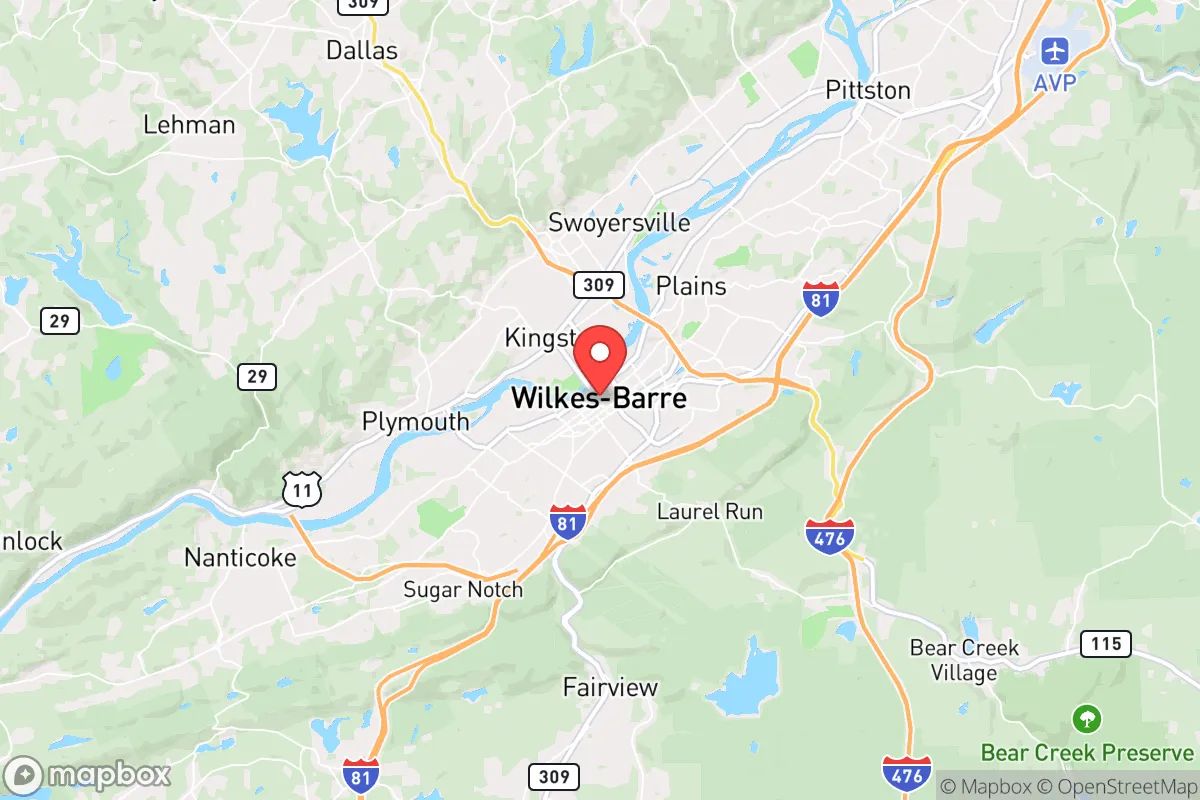
For those looking to live off-grid or pursue serious homesteading, Wilkes-Barre's immediate urban core is not the place—you'll need to look at the surrounding townships like Dallas, Lehman, or Ross Township, where lot sizes of 1 to 5 acres are common and zoning is more permissive. Luzerne County has no countywide zoning; instead, each municipality sets its own rules, so you can find areas where chickens, goats, and even small livestock are allowed without a special permit. Off-grid feasibility is mixed: Pennsylvania's climate means you'll need robust heating (wood stoves are popular and legal), and solar panels are generally allowed, but you must connect to the grid for net metering if you want to sell excess power—going fully off-grid is legal but may require a variance if your local code mandates utility hookups. Water rights are a bright spot: Pennsylvania follows the "reasonable use" doctrine for groundwater, meaning you can drill a well on your property without a permit (though you need one for the drilling itself), and rainwater harvesting is unrestricted. Septic systems require permits and inspections, which can be a hassle for preppers wanting to build a composting toilet or greywater system—code enforcement varies by township, with some being more lenient than others. The biggest hurdle for self-reliance is the property tax burden on land improvements; building a large workshop or greenhouse can spike your assessment, so many locals opt for temporary structures or "unfinished" buildings to stay under the radar. For a family wanting to raise food, store supplies, and live with minimal reliance on external systems, the Wilkes-Barre area is workable if you choose your township wisely and keep a low profile on unpermitted projects.
Personal liberties: parental rights, medical autonomy, speech, and property
Pennsylvania's legal framework for personal liberties is a patchwork that requires vigilance. On parental rights, the state has no explicit "parental bill of rights" like some red states, but it does have a compulsory attendance law that allows homeschooling with a simple affidavit and portfolio review—no standardized testing requirements, which is a win for families wanting to control their children's education. Medical autonomy is more concerning: Pennsylvania has no religious or philosophical exemptions for vaccine mandates in schools (only medical), and during the COVID era, the state imposed some of the strictest lockdowns in the Northeast, including business closures and mask mandates. For preppers, this means you need to be prepared for potential future overreach—stockpiling medical supplies and having a plan to avoid forced treatments is prudent. Free speech is protected under the state constitution, and there are no hate speech laws that criminalize political opinions, but local ordinances in Wilkes-Barre can restrict signage or public gatherings—check with the city if you plan to fly political flags or host rallies. Property rights are generally strong: Pennsylvania has eminent domain protections that require "public use" and just compensation, and the state's Agricultural Area Security Law can protect farmland from development. However, the Clean and Green program offers tax breaks for land in agricultural use but comes with a rollback penalty if you convert it—a trap for preppers who buy cheap land thinking they can build a bunker without triggering a tax bill. The biggest liberty concern is the state's preemption of local gun laws—this is a net positive, but it also means you can't rely on city-level protections if the state turns hostile. Overall, Wilkes-Barre offers a decent baseline for personal freedoms, but you must stay informed and be willing to push back against bureaucratic creep.
In the broader context of the Northeast, Wilkes-Barre ranks as a moderate-to-strong option for personal sovereignty, especially when compared to the heavy-handed regimes in New York, New Jersey, or Massachusetts. The tax burden is manageable, gun laws are favorable, and the region's rural pockets allow for a degree of self-reliance that's hard to find in more urbanized states. However, it's not a libertarian paradise—the state's income tax, school mandates, and zoning codes can feel like a slow erosion of freedom if you're not proactive. For a survivalist or prepper, the key is to treat Wilkes-Barre as a base of operations rather than a final retreat: buy land in a lenient township, build your capabilities quietly, and maintain a low profile to avoid drawing attention from regulators or neighbors. Compared to states like Texas or Idaho, you'll have less raw freedom, but compared to the coastal blue states, you'll have far more breathing room. The bottom line: Wilkes-Barre is a viable choice for those willing to navigate its quirks, but it demands constant awareness and a willingness to adapt as the political winds shift.

* Values derived from national, state, county, city and local statistics and may differ in a specific area. Last updated: 2026-05-01T03:08:12.000Z
Narrative content on this page is AI-generated and may contain mistakes. Verify any details that matter before acting on them.
ReloMaps may earn a commission from affiliate links at no extra cost to you.

