Photo: Wikipedia
Quality of Life in Wilkes Barre, PA
Above-average quality of iife. The area offers a reasonable cost of living, decent mobility, and a mix of neighborhood amenities.
What does Quality of Life tell us?
Quality of Life blends cost of living, nearby amenities, socioeconomic signals, and neighborhood character. City-level scores represent the whole municipality; individual neighborhoods can differ.
What does this tell us?
Quality of Life blends cost of living, nearby amenities, socioeconomic signals, and neighborhood character. City-level scores represent the whole municipality; individual neighborhoods can differ.
Cost of Living
36% below national average
The Real Cost of Living in Wilkes Barre, PA for 2026
| Tier | Individual | Family (4) |
|---|---|---|
| Survival | $15k | $28k |
| Comfortable | $24k | $36k |
| Luxury | $84k+ | $130k+ |
| Elite (Top 5%) | $99k+ | $153k+ |
134%
The Area Signal
A metric tracking the socioeconomic signals of the area.
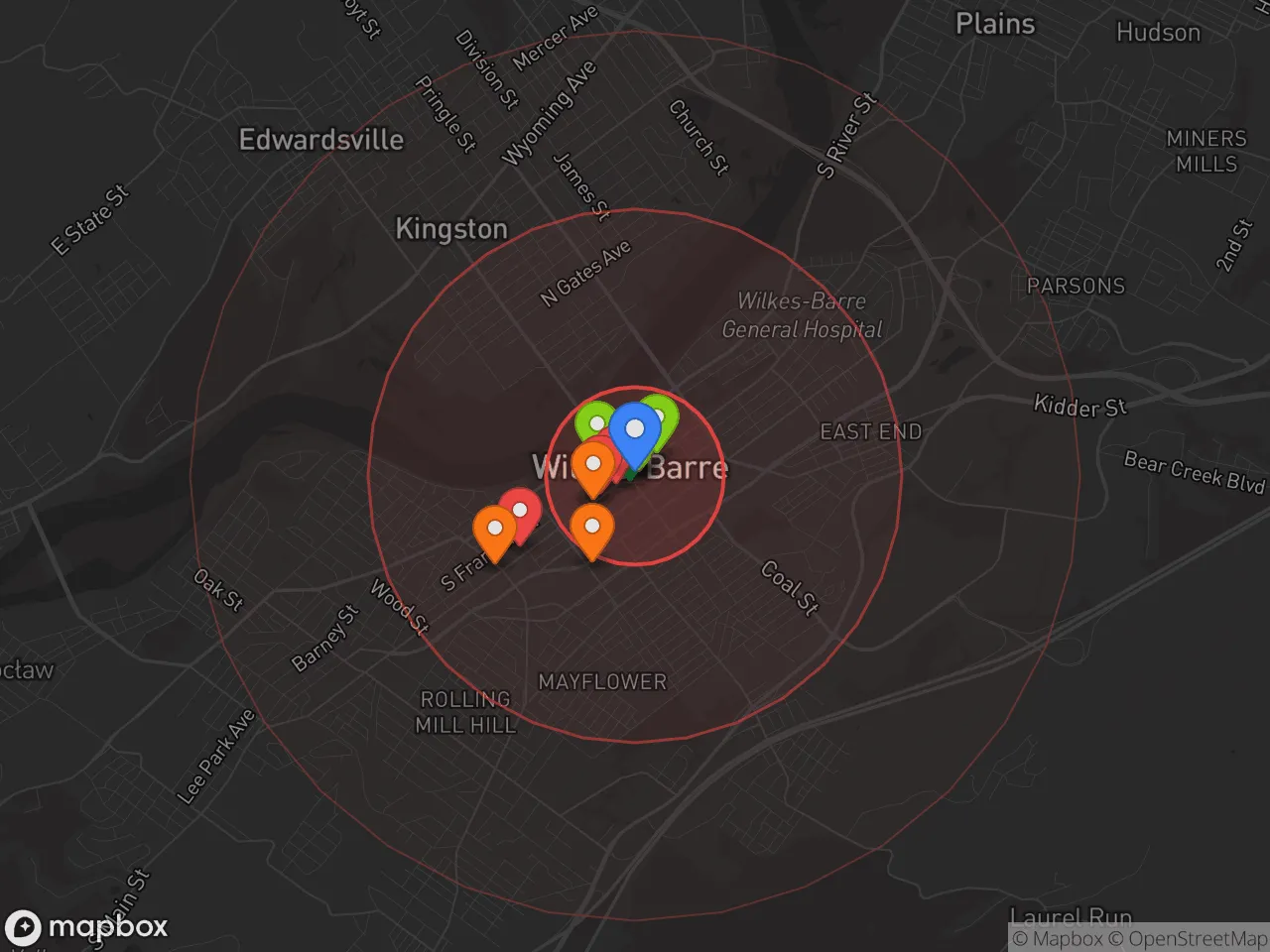
Hobbies
Explore the areaGroceries
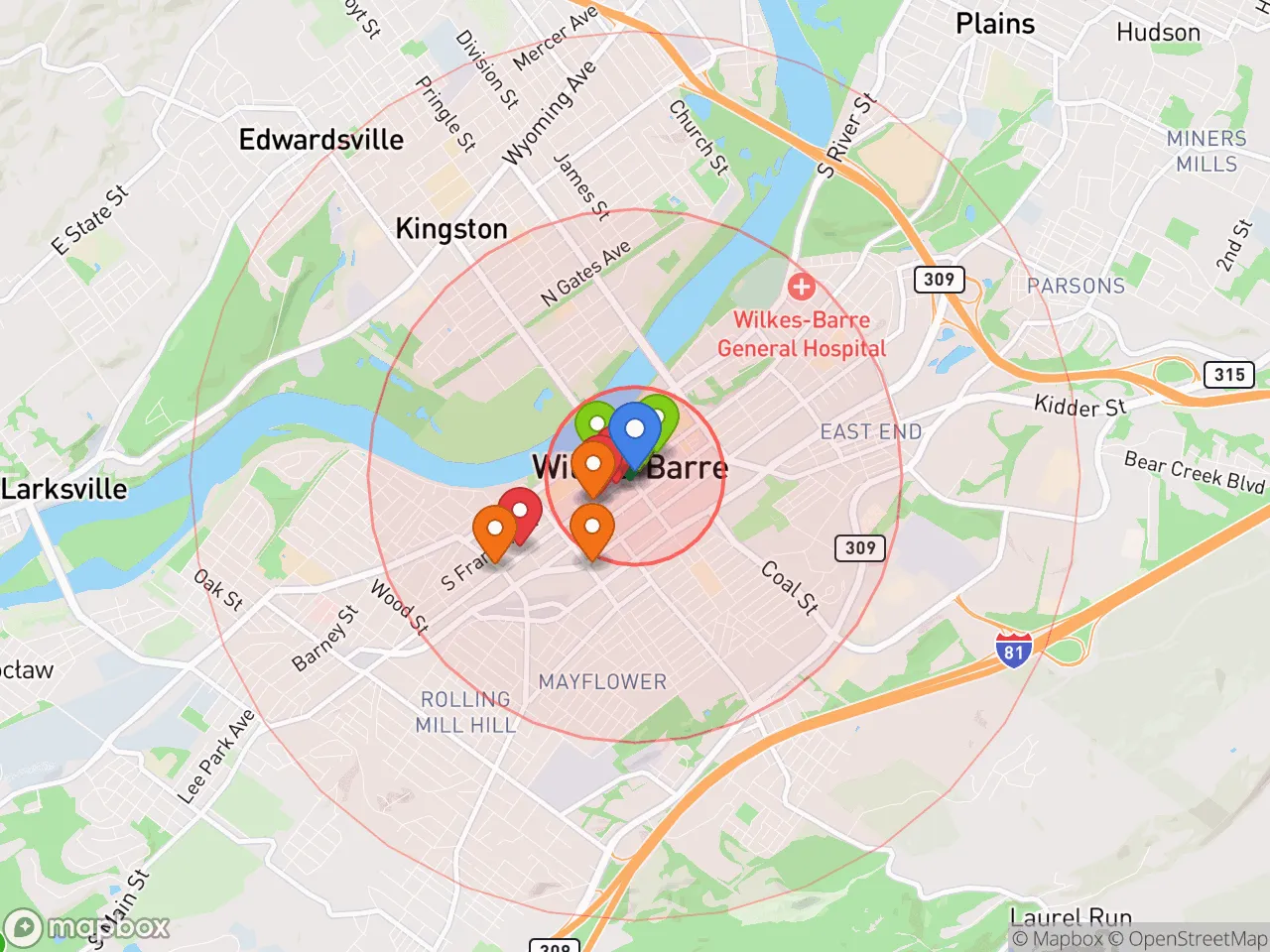
7 within 10 miles
Gas
20 within 10 miles
Hospital
11 within 20 miles
Airport
EWR — Newark Liberty International
Post Office
USPS — Wilkes Barre, PA
Critical Amenities
Quality-of-Life Analysis
Wilkes-Barre, Pennsylvania, offers a cost of living that is dramatically lower than the national average, attracting a mix of long-term residents, young families, and retirees seeking affordability without sacrificing urban amenities. With a cost of living index of 64 (36% below the U.S. average), the city provides a financial cushion that is increasingly rare in the Northeast. The population skews older and more working-class than the national median, with a significant number of residents employed in healthcare, education, and logistics sectors that anchor the local economy.
How housing costs and affordability compare to Scranton and the Poconos
Wilkes-Barre’s housing market is one of the most accessible in Pennsylvania. The median home value sits at $108,000, roughly one-third of the national median and significantly lower than nearby Scranton (around $145,000) or Monroe County in the Poconos (often above $200,000). Median rent is $939, making it feasible for single-income households and retirees to live without a housing burden. Property taxes in Luzerne County are moderate by Pennsylvania standards, averaging about 2.1% of assessed value, which keeps monthly carrying costs low. The average commute is just under 20 minutes, a figure that undercuts both the national average (26 minutes) and the commute times of many Philadelphia or New York exurbs, allowing residents to spend less time in traffic and more time at home.
What daily life is like for families and professionals in the Wyoming Valley
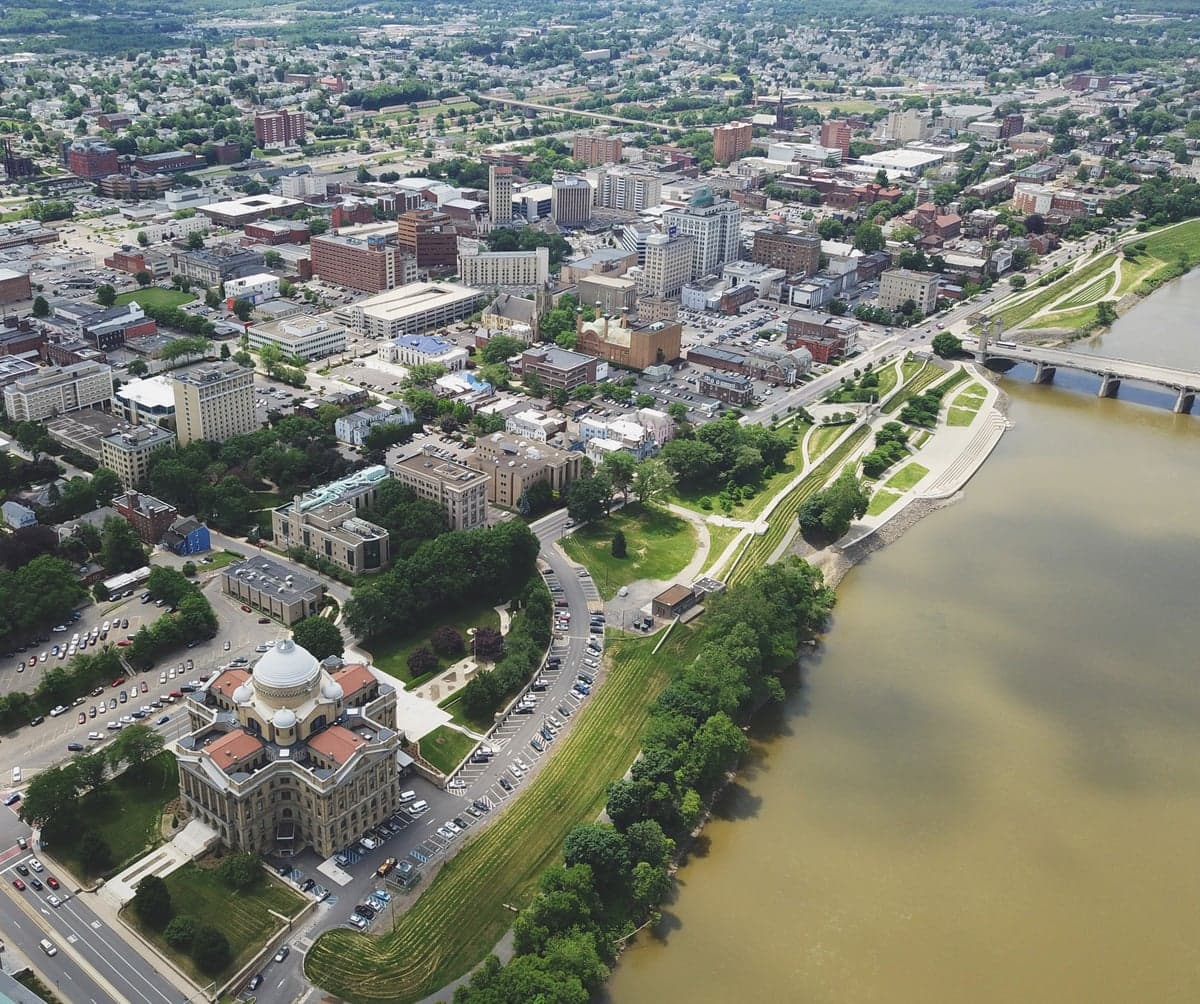
Daily life in Wilkes-Barre revolves around a compact downtown core, the nearby Wyoming Valley Mall, and a network of parks along the Susquehanna River. The Wilkes-Barre Area School District serves most city families, though many opt for charter or private options such as Holy Redeemer High School. For higher education, Wilkes University and King’s College provide cultural events, continuing education, and part-time employment for residents. Healthcare access is strong, with Geisinger Wyoming Valley Medical Center and the Wilkes-Barre VA Medical Center offering specialized care. The city’s dining and entertainment scene is modest but growing, with local staples like the Rodano’s and the River Grille drawing regular crowds. Outdoor recreation includes the 165-mile Delaware & Lehigh National Heritage Corridor trail and nearby Ricketts Glen State Park, known for its 22 named waterfalls. The overall rhythm is slower than a major metro but busier than a rural town, with most errands and social activities reachable within a 10-minute drive.
Wilkes-Barre is best suited for cost-conscious buyers, remote workers, and retirees who value low overhead and a manageable pace of life. Families with school-age children should research specific school attendance zones, as outcomes vary significantly between city and suburban districts. Professionals commuting to Scranton or the Lehigh Valley will find the short drive and low housing costs a compelling trade-off. For anyone seeking a genuine low-cost entry point to the Northeast corridor—with real urban services but without the price tag—Wilkes-Barre remains one of the most practical options in the region.

Crime in Wilkes Barre, PA
Generally safer than 57% of comparable U.S. locations.
Violent CrimeViolent Crime Analysis
Property CrimeProperty Crime Analysis
Crime Analysis
Wilkes-Barre, Pennsylvania, presents a mixed safety profile that requires careful consideration for potential residents. The city's overall crime rates are elevated compared to national averages, with property crime posing a more significant concern than violent offenses. However, the most critical factor for anyone evaluating safety in Wilkes-Barre is the local justice system's ideological lean, which directly impacts recidivism and public security.
Crime in context
Wilkes-Barre's violent crime rate stands at 223.2 incidents per 100,000 residents, which is below the national average but still a meaningful concern in a city of its size. Property crime, however, is a more pressing issue at 1,332 per 100,000, significantly exceeding both Pennsylvania's statewide rate and the national median. These figures place Wilkes-Barre in a challenging position: while not among the most dangerous cities in the state, it struggles with property offenses—theft, burglary, and motor vehicle theft—that directly affect daily life. The city's location within Luzerne County, part of the larger Scranton/Wilkes-Barre metropolitan area, means these crime patterns are influenced by regional economic conditions and policing strategies.
What residents experience
For those living in Wilkes-Barre, the most tangible safety issue is property crime. Residents report frequent vehicle break-ins, package thefts, and vandalism, particularly in denser neighborhoods near the downtown core and along major corridors like Market Street and River Street. The city's justice system, overseen by Luzerne County's district attorney and judges, has been characterized by progressive policies that prioritize diversion programs and reduced sentencing for non-violent offenders. While these approaches aim to address root causes of crime, they have a direct negative consequence: more offenders remain on the streets, increasing the likelihood of repeat property crimes and eroding public confidence in the justice system. Victims often feel their cases receive insufficient attention, and the revolving-door effect for chronic offenders is a common complaint among long-term residents. Violent crime, while less frequent, does occur—typically concentrated in specific blocks rather than citywide—and is often drug-related or stemming from interpersonal disputes.
Neighborhood-level variation
Safety varies considerably within Wilkes-Barre. The South Wilkes-Barre area, including neighborhoods near the Wyoming Valley Mall and along Route 309, generally sees lower crime rates and is considered safer for families. Conversely, the North End and parts of the Heights experience higher concentrations of both property and violent crime, particularly around public housing complexes and older industrial corridors. The downtown district, while undergoing some revitalization, still struggles with panhandling, public intoxication, and occasional assaults, especially after dark. For prospective residents, choosing a neighborhood with strong community watch programs and proximity to the city's police substations can mitigate some risks, but the overarching concern remains the county's progressive judicial philosophy, which directly undermines deterrence and victim justice. Anyone considering a move to Wilkes-Barre should research specific block-level crime maps and speak with local residents about their lived experiences before committing to a lease or purchase.
* Values derived from national, state, county, city and local statistics and may differ in a specific area. Last updated: 2026-05-01T03:08:12.000Z
Narrative content on this page is AI-generated and may contain mistakes. Verify any details that matter before acting on them.
ReloMaps may earn a commission from affiliate links at no extra cost to you.

