Photo: Wikipedia
Quality of Life in Wilmington, DE
Above-average quality of iife. The area offers a reasonable cost of living, decent mobility, and a mix of neighborhood amenities.
What does Quality of Life tell us?
Quality of Life blends cost of living, nearby amenities, socioeconomic signals, and neighborhood character. City-level scores represent the whole municipality; individual neighborhoods can differ.
What does this tell us?
Quality of Life blends cost of living, nearby amenities, socioeconomic signals, and neighborhood character. City-level scores represent the whole municipality; individual neighborhoods can differ.
Cost of Living
7% below national average
The Real Cost of Living in Wilmington, DE for 2026
| Tier | Individual | Family (4) |
|---|---|---|
| Survival | $19k | $36k |
| Comfortable | $44k | $64k |
| Luxury | $100k+ | $155k+ |
| Elite (Top 5%) | $146k+ | $227k+ |
86%
The Area Signal
A metric tracking the socioeconomic signals of the area.
Hobbies
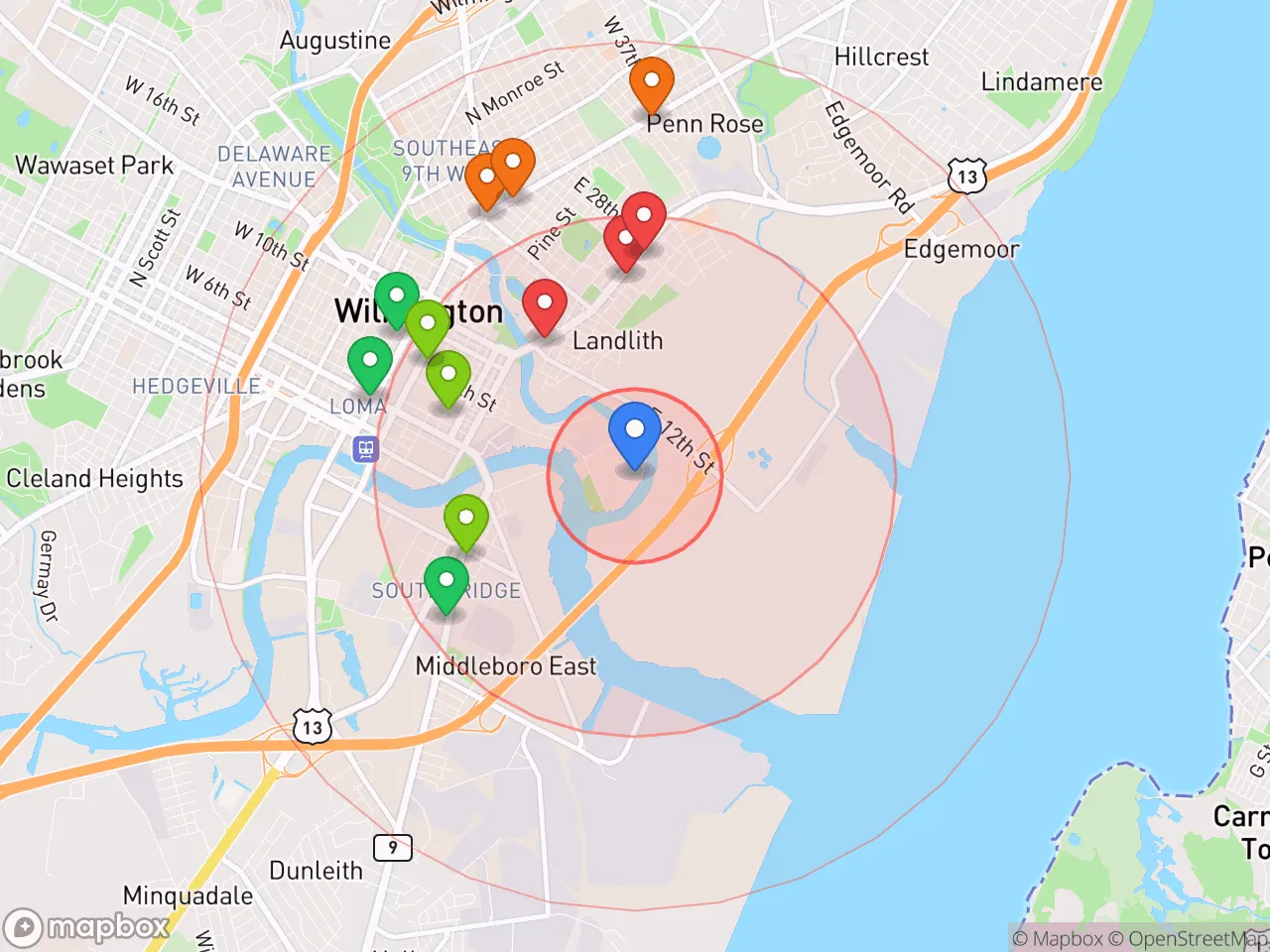
Explore the areaGroceries
6 within 10 miles
Gas
20 within 10 miles
Hospital
20 within 20 miles
Airport
PHL — Philadelphia International
Post Office
USPS — Wilmington, DE
Critical Amenities
Quality-of-Life Analysis
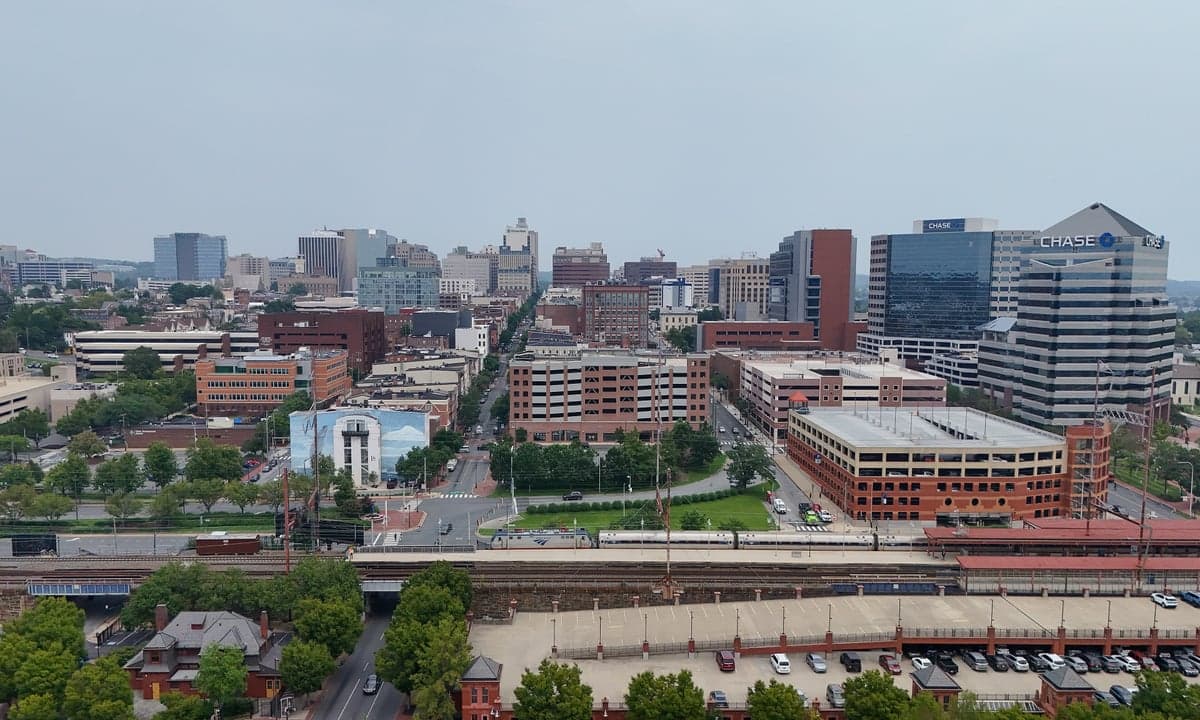
Wilmington, Delaware, presents a distinctive quality-of-life profile that blends urban accessibility with a cost structure far below the Northeast corridor average. With a cost of living index of 93 (7% below the U.S. average), the city attracts a mix of young professionals commuting to Philadelphia or Wilmington's own financial district, long-term residents in historic neighborhoods like Trolley Square and the Highlands, and families drawn to the affordability relative to the Delaware suburbs. The median household income hovers near the national median, but the city's economic diversity—from chemical giant DuPont's legacy to a growing fintech sector—creates a population that is neither uniformly affluent nor struggling, but rather pragmatic about trade-offs between cost and convenience.
Cost of living, housing affordability, and how Wilmington compares to Philadelphia and the suburbs
Wilmington's housing market is the primary driver of its affordability advantage. The median home value of $224,500 is roughly half the Philadelphia metro median and less than a third of the typical home price in nearby New Castle County suburbs like Greenville or Hockessin. Median rent sits at $1,187, making it one of the most affordable rental markets within a 30-minute train ride of Center City Philadelphia. However, this lower cost comes with trade-offs: property taxes in Wilmington are higher than in surrounding Delaware counties (though still below Pennsylvania and New Jersey), and the city's older housing stock often requires renovation. The average commute of 23 minutes is notably shorter than the Philadelphia metro average of 33 minutes, a practical benefit for workers at major employers like Bank of America, JPMorgan Chase, and ChristianaCare. For renters and first-time buyers willing to accept older infrastructure and higher city wage taxes (1.25% for residents), Wilmington offers a path to homeownership that is increasingly out of reach in the broader region.
Amenities, schools, and what daily life actually feels like in Wilmington
Daily life in Wilmington is defined by its walkable, compact urban core and its proximity to the Brandywine River and Creek. The Riverfront district offers a growing cluster of restaurants, the Chase Center convention space, and the Delaware Children's Museum, while the downtown area supports a modest but functional retail scene. Public schools are a significant variable: the Christina School District and Red Clay Consolidated School District serve the city, with some elementary schools performing well (e.g., Warner Elementary) but high school graduation rates lagging the state average. Many families with school-age children opt for private or charter options, such as the Charter School of Wilmington or the Tatnall School. The city's cultural rhythm is quieter than Philadelphia's but more active than typical suburbs—First Friday art loops, the Wilmington Blue Rocks minor league baseball games, and the annual Clifford Brown Jazz Festival provide regular, low-cost entertainment. For daily errands, the Market Street corridor and the Concord Mall area cover most needs, though residents often drive to Christiana Mall or Newark for broader retail.
Wilmington is best suited for professionals who prioritize a short commute and lower housing costs over top-tier public schools or a vibrant nightlife scene. It works well for remote workers who want to be within an hour of Philadelphia and New York (via Amtrak) without paying metro-area prices, and for families who can navigate the school choice system or afford private education. Retirees on fixed incomes also find the cost structure appealing, particularly in the walkable Trolley Square neighborhood. The city's quality of life is a practical compromise—not a luxury destination, but a functional, affordable base for those who value proximity to the Northeast Corridor's job markets without the associated housing burden.

Crime in Wilmington, DE
Significantly higher crime rates than 89% of comparable U.S. locations.
Violent CrimeViolent Crime Analysis
Property CrimeProperty Crime Analysis
Crime Analysis
Wilmington, Delaware, faces a serious public safety challenge, with violent and property crime rates that far exceed national averages. The city's overall safety picture is heavily influenced by its status as a dense urban center within the Philadelphia metro area, where systemic issues and local criminal justice policies have created an environment of elevated risk for residents and visitors alike. For anyone considering relocation, understanding the scale and nature of crime in Wilmington is essential for making an informed decision.
Crime in context
Wilmington's crime statistics place it among the most dangerous cities in the United States for its size. The city reports a violent crime rate of 1,146.8 incidents per 100,000 residents, which is roughly three times the national average. Property crime is similarly elevated, with a rate of 2,865.5 per 100,000, significantly higher than both Delaware's statewide average and comparable mid-Atlantic cities. These figures are not anomalies; they reflect persistent trends driven in part by the region's proximity to major drug trafficking corridors and the legal and prosecutorial environment in New Castle County. Critics point to the influence of progressive district attorneys and judges who prioritize diversion programs and reduced sentencing, arguing that such policies have led to repeat offenders cycling back onto the streets quickly, undermining deterrence and public confidence in the justice system.
What residents experience
For those living in Wilmington, the high crime rates translate into tangible daily concerns. Violent crime—including homicide, aggravated assault, and robbery—is concentrated in several neighborhoods but can occur citywide, particularly after dark. Property crime, such as burglary, theft, and motor vehicle theft, is a more widespread nuisance that affects both residential and commercial areas. Many residents report feeling unsafe walking alone at night, and car break-ins are a common complaint even in relatively well-off blocks. The city's police department has struggled with staffing shortages and community trust issues, further complicating crime prevention efforts. While some argue that progressive criminal justice reforms aim to address root causes like addiction and poverty, the practical outcome for many Wilmington residents is a sense that the system prioritizes offender rehabilitation over victim protection and public safety.
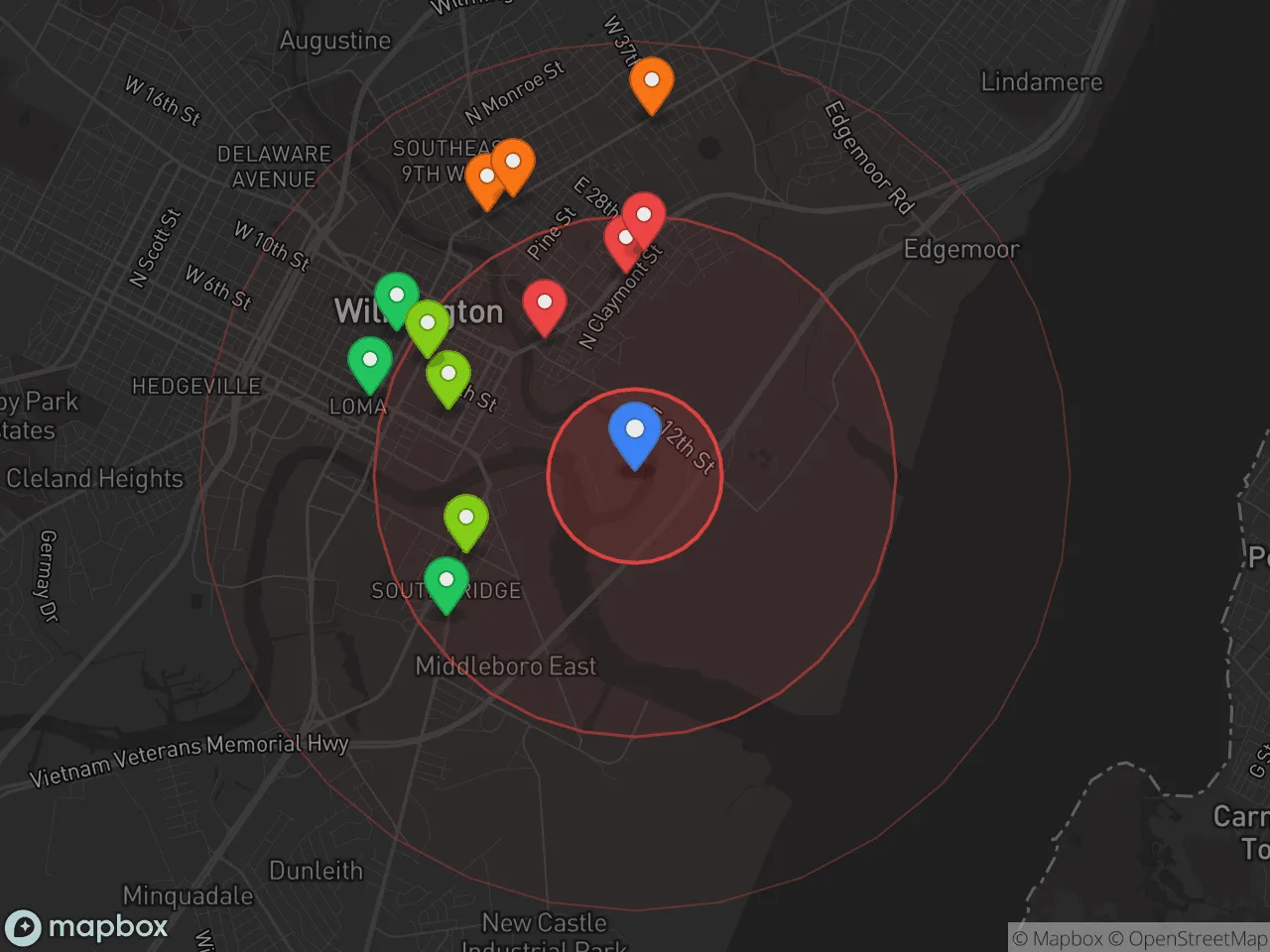
Neighborhood-level variation is stark. Areas like Trolley Square and the Riverfront have lower crime rates due to higher property values, active neighborhood associations, and private security patrols. In contrast, neighborhoods such as East Side, Southbridge, and parts of Northeast Wilmington experience the highest concentrations of violent crime, often linked to open-air drug markets and gang activity. Suburban communities just outside the city limits—like Greenville, Hockessin, and Newark—offer dramatically lower crime rates)Skip, but they come with higher housing costs and a longer commute to Wilmington's job centers. For prospective residents, the safest approach is to research block-level crime maps and visit neighborhoods at different times of day before committing to a lease or purchase.
* Values derived from national, state, county, city and local statistics and may differ in a specific area. Last updated: 2026-04-29T17:53:39.000Z
Narrative content on this page is AI-generated and may contain mistakes. Verify any details that matter before acting on them.
ReloMaps may earn a commission from affiliate links at no extra cost to you.

