Photo: Wikipedia
Political ClimatePolitical Climate in Wilmington, DE
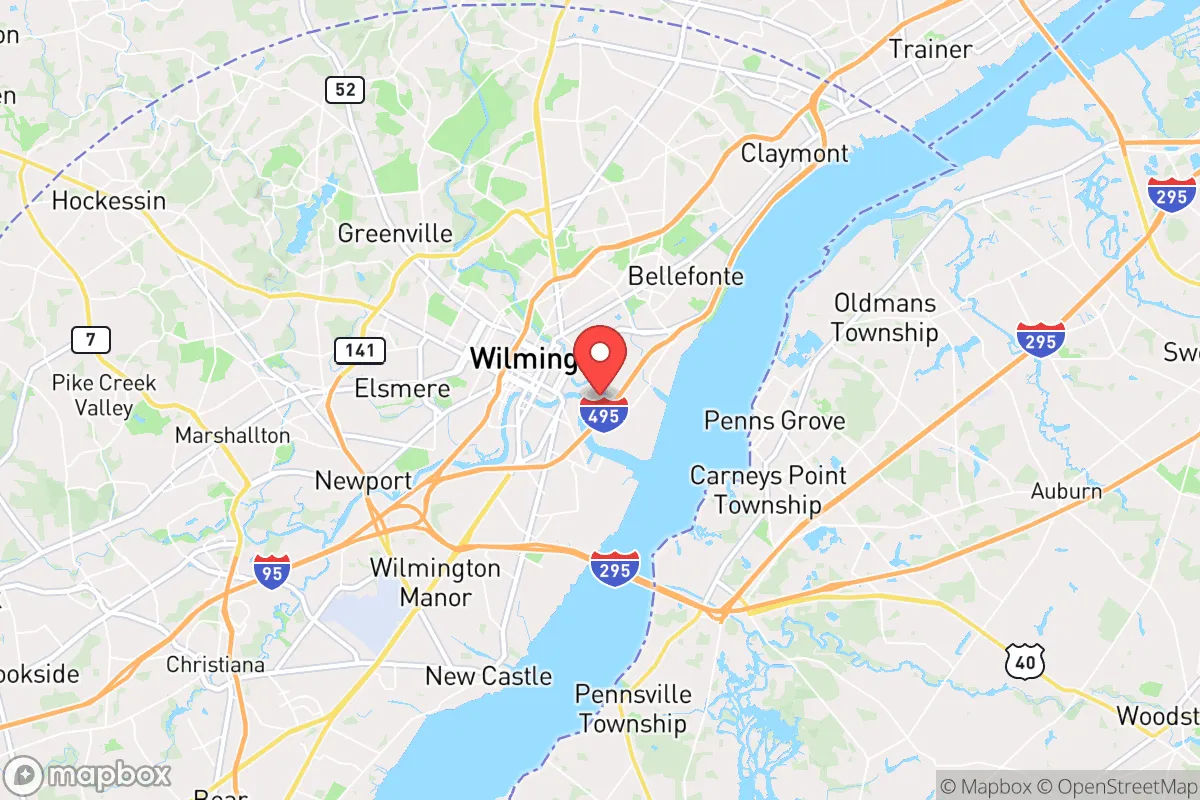
District shown is the primary district for this city’s centroid. Cities may span multiple districts.
Inherited from parent state — no local data available.
Local Political AnalysisPolitical Analysis of Wilmington, DE
Wilmington, Delaware, leans heavily Democratic, with a Cook PVI of D+8, meaning the city votes about eight points more Democratic than the national average. That number has been creeping leftward for years, and it shows in everything from local elections to the feel of daily life. If you’re a conservative, you need to understand that this isn’t just a blue dot—it’s a deep-blue stronghold where progressive policies have taken root, and the trajectory is concerning for anyone who values limited government and personal freedoms.
How it compares
To get a real sense of Wilmington’s political climate, you have to look at the surrounding areas. Drive 15 minutes south to Newark, and you’ll find a similar liberal tilt, fueled by the University of Delaware crowd. But head 20 minutes north into Pennsylvania’s Delaware County suburbs, or west into the more rural parts of New Castle County, and the political landscape shifts. Places like Hockessin and Greenville are more moderate, but they’re still part of a county that reliably votes blue. The real contrast is with Sussex County, two hours south, which is reliably red and feels like a different state entirely. In Wilmington, you’re in the epicenter of the state’s progressive energy, and that energy has real consequences for how your life is run.
What this means for residents
For a conservative living here, the biggest red flag is the steady creep of government overreach into personal freedoms. The city council has pushed through measures that feel less about safety and more about control—like strict rental licensing that makes it harder for small landlords to operate, or zoning changes that prioritize dense, city-approved development over single-family home ownership. The state legislature, which meets just a few blocks away in Dover, has been equally aggressive. They’ve passed a near-total abortion ban with no exceptions for parental consent, expanded background checks for private gun sales, and raised taxes to fund programs that sound good on paper but often miss the mark in practice. The public school system is a prime example: per-pupil spending is among the highest in the nation, yet graduation rates lag and many families still flee to charters or private schools. It’s a pattern of well-intentioned but heavy-handed policy that leaves residents feeling like their choices are being made for them.
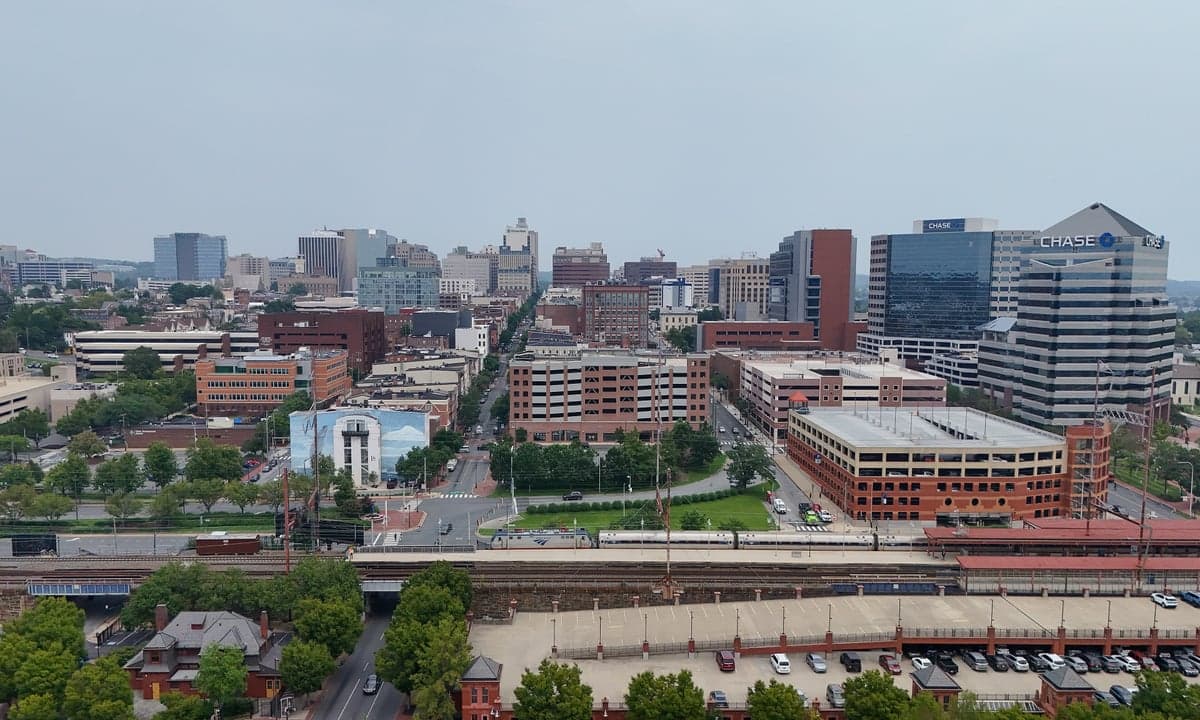
On the cultural side, Wilmington has a distinct identity that’s both a blessing and a curse. The city has a rich history—DuPont’s legacy is everywhere—and there’s a strong sense of community in neighborhoods like Trolley Square or the Riverfront. But the progressive push has also brought a kind of performative activism that can feel exhausting. You’ll see more “Hate Has No Home Here” signs than actual solutions to the city’s persistent crime and poverty. The police department has been defunded in spirit if not in name, with budgets cut and morale low, while violent crime rates remain stubbornly high. For a conservative, the takeaway is clear: Wilmington is a place where the government is increasingly willing to step into your life, your business, and your family’s decisions. If you value personal responsibility and limited interference, you’ll want to keep a close eye on the ballot box—and maybe start looking at those Sussex County listings.

State Political ClimatePolitical Climate in Delaware
State Political AnalysisPolitical Environment in the State
Delaware, despite its small size, has a surprisingly complex political climate that leans Democratic at the state level, but with a strong conservative undercurrent in its rural and coastal areas. Over the past 20 years, the state has shifted from a purple swing state to a solidly blue one in presidential elections, driven largely by the explosive growth of New Castle County’s suburbs and the influx of out-of-state transplants from the Northeast. However, the state’s two other counties—Kent and Sussex—remain reliably Republican, creating a sharp urban-rural divide that makes Delaware a tale of three counties, not one.
Urban vs. rural divide
The political map of Delaware is essentially a battle between the northernmost county and the rest of the state. New Castle County, home to Wilmington and the sprawling suburbs of Newark, Bear, and Middletown, delivers roughly 60% of the state’s vote and consistently goes Democratic by 20-30 points. This is where the corporate headquarters, the University of Delaware, and the state government are concentrated, and it’s also where most of the out-of-state migration from Pennsylvania, New Jersey, and New York settles. In contrast, Kent County (Dover, Smyrna) and Sussex County (Georgetown, Lewes, Rehoboth Beach) are deeply conservative. Sussex, in particular, has become a Republican stronghold, voting +15 to +20 points red in recent cycles, driven by a mix of agricultural communities, retirees, and a growing population of conservative-leaning transplants from the Mid-Atlantic. The divide is stark: drive 30 minutes south of the Chesapeake & Delaware Canal, and the yard signs, church steeples, and local politics shift dramatically from blue to red.
Policy environment
Delaware’s policy environment is a mixed bag that should give conservatives pause. The state has no sales tax, which is a major plus, but it makes up for it with some of the highest property taxes in the region and a progressive income tax that tops out at 6.6%. The regulatory posture is decidedly pro-business for corporations (thanks to the Court of Chancery), but for individuals, it’s increasingly heavy-handed. Education policy is dominated by the teachers’ union, with school choice limited compared to neighboring Pennsylvania. The state has also enacted universal mail-in voting and same-day voter registration, which conservatives view as eroding election integrity. On healthcare, Delaware expanded Medicaid under Obamacare and has a state-run health insurance exchange, adding to the regulatory burden. The gun rights environment is particularly concerning: in 2022, the legislature passed a sweeping package that included a ban on “assault weapons,” magazine capacity limits, and a permit-to-purchase requirement, making Delaware one of the most restrictive states for gun owners in the region.
Trajectory & freedom
Delaware is unmistakably moving in a less free direction, especially on personal liberties. The 2022 gun control package was a watershed moment, but it wasn’t the only one. In 2023, the state passed a parental rights bill that, while weaker than versions in other states, still requires schools to notify parents of changes in a child’s mental or physical health—a small win that was fiercely opposed by the left. More troubling is the trend on medical autonomy: Delaware has codified abortion rights into law, removed parental consent requirements for minors, and expanded taxpayer-funded coverage for the procedure. On property rights, the state has been aggressive in using eminent domain for “blight” redevelopment, particularly in Wilmington and Dover. The tax burden is creeping upward as well, with the state’s gas tax and realty transfer tax among the highest in the nation. For a conservative looking for freedom from government overreach, the trajectory is clear: more regulation, higher taxes, and less individual autonomy with each passing legislative session.
Civil unrest & political movements
Delaware is not a hotbed of civil unrest, but there have been notable flashpoints. In 2020, Wilmington saw several nights of protests and looting following the George Floyd incident, with the city’s mayor imposing a curfew and the state deploying the National Guard. The sanctuary city debate has been a recurring issue: Wilmington and New Castle County have adopted “welcoming” policies that limit cooperation with ICE, while conservative towns like Georgetown and Smyrna have pushed back with resolutions opposing sanctuary status. Election integrity has been a major topic since 2020, with Republican activists raising concerns about the state’s universal mail-in voting system and the lack of voter ID requirements. The Delaware Republican Party remains active but fractured, with a moderate wing centered in Sussex County and a more populist, Trump-aligned faction gaining ground in Kent. You’ll see “Don’t Tread on Me” flags and “Let’s Go Brandon” signs in rural areas, but the left’s organizational muscle in New Castle County usually wins the day.
Projection
Over the next 5-10 years, Delaware will likely become more Democratic and more progressive, driven by two demographic trends. First, the continued suburbanization of New Castle County, with towns like Middletown and Bear absorbing thousands of new residents from the Northeast who bring blue-state voting habits. Second, the retirement migration to Sussex County is shifting from conservative-leaning retirees to a more moderate or even liberal demographic, especially in coastal towns like Lewes and Rehoboth Beach. The state’s population is also becoming more diverse, with growing Hispanic and Asian communities in New Castle County that lean Democratic. For a conservative moving in now, expect the political environment to become more hostile to your values over time: more gun control, higher taxes, and less parental control over education. The only counterweight is the possibility of a Republican governor winning in a midterm cycle (as John Carney did as a moderate Democrat), but the legislature is likely to remain firmly in Democratic hands for the foreseeable future.
Bottom line for a new resident: If you’re a conservative considering Delaware, you’ll find a welcoming community in Kent and Sussex counties, but you’ll be fighting an uphill battle against a state government that is increasingly progressive and interventionist. The lack of a sales tax and the business-friendly corporate laws are genuine advantages, but they come at the cost of high property taxes, restrictive gun laws, and a growing regulatory state. You can live a quiet, free life in the rural parts of the state, but don’t expect the political winds to shift in your favor anytime soon. Choose your county carefully—and be prepared to engage in local politics to protect your way of life.
* Values derived from national, state, county, city and local statistics and may differ in a specific area. Last updated: 2026-04-29T17:53:39.000Z
Narrative content on this page is AI-generated and may contain mistakes. Verify any details that matter before acting on them.
ReloMaps may earn a commission from affiliate links at no extra cost to you.

