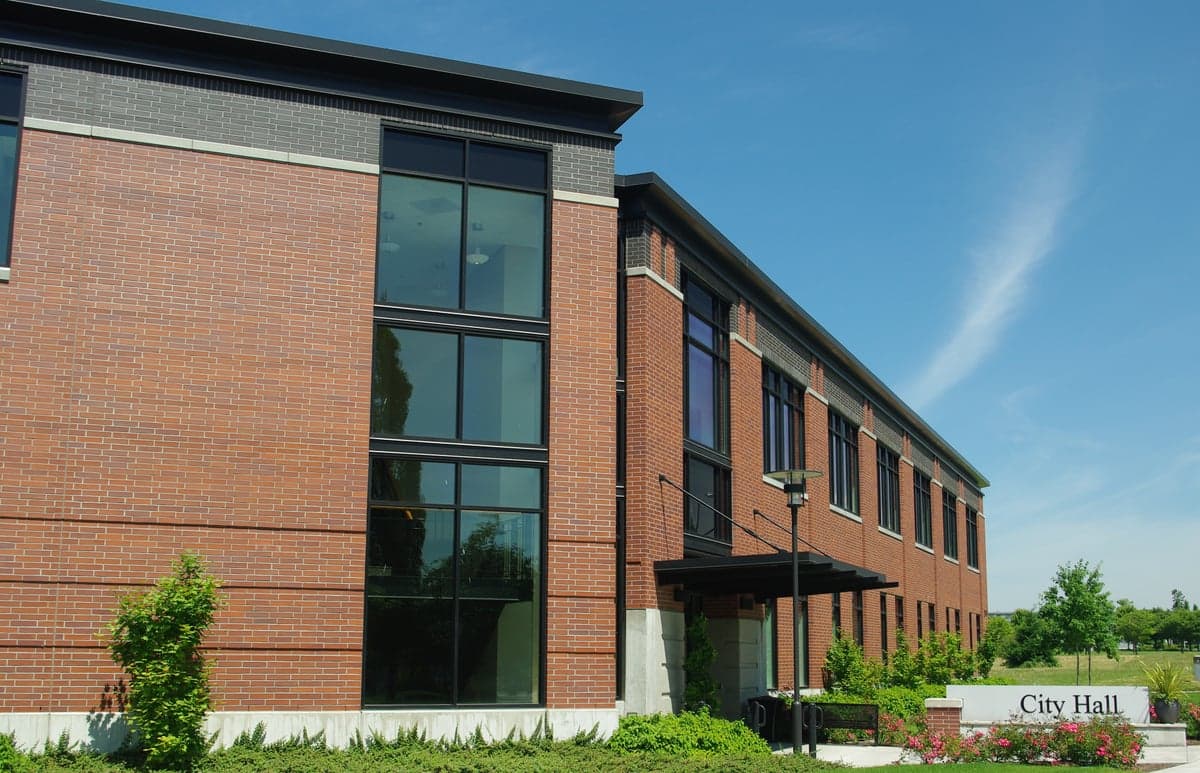
Photo: Wikipedia
Political ClimatePolitical Climate in Wilsonville, OR
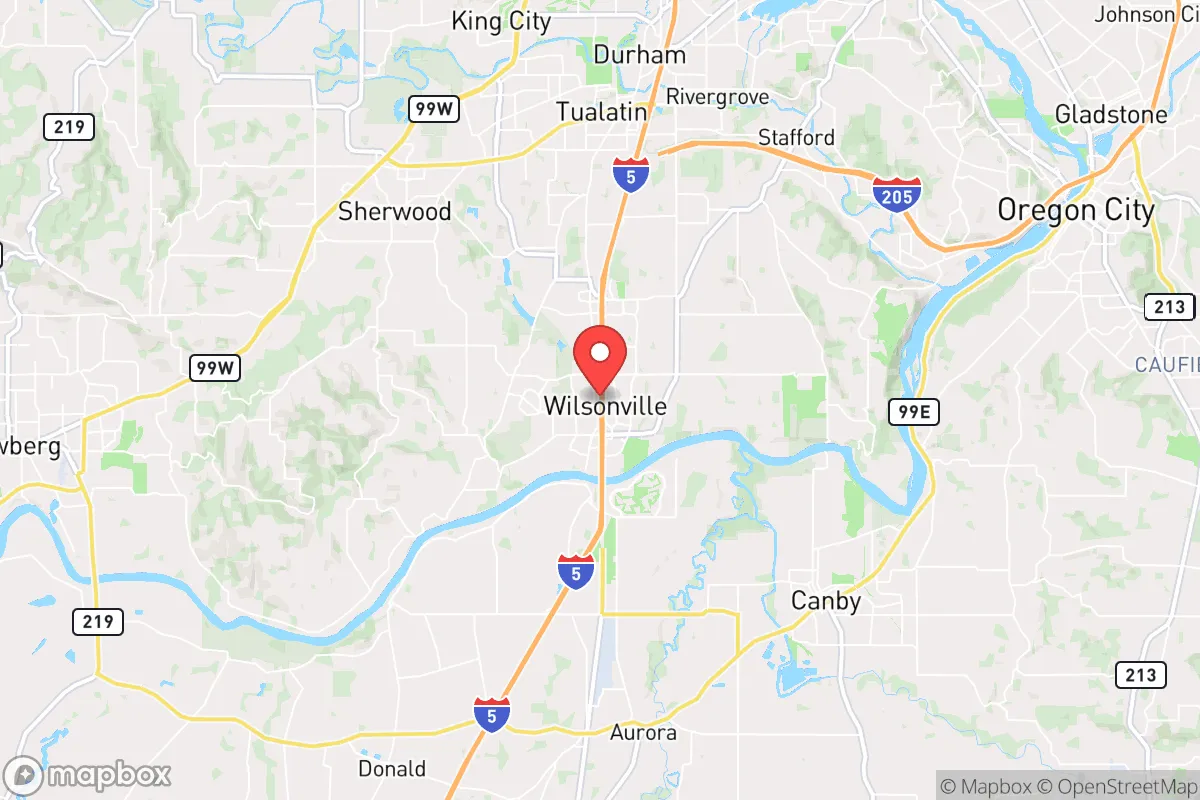
District shown is the primary district for this city’s centroid. Cities may span multiple districts.
Local Political AnalysisPolitical Analysis of Wilsonville, OR
Wilsonville sits at a Cook PVI of D+6, which puts it a couple notches to the right of Oregon as a whole (D+8), but don't let that small difference fool you—this town has been drifting left for the better part of a decade. Twenty years ago you could still find a healthy mix of viewpoints at a neighborhood barbecue; now the local elections and school board races are increasingly dominated by progressive candidates. The trajectory is unmistakable: Wilsonville is becoming more like Portland-lite with each cycle, and that shift is starting to chafe folks who moved here specifically to escape the heavy-handed policies of the big city.
How it compares
Compared to the rest of Oregon, Wilsonville is slightly more moderate on paper, but in practice the gap is narrowing fast. The D+6 rating means it's still a reliably Democratic district, just not as deep blue as Multnomah County or the Portland core. Drive ten minutes south to Canby and you'll find a town that votes more like the rest of Clackamas County's rural areas—still purple but with a strong libertarian streak. Head west to Sherwood and you get a similar story: more fiscal conservatism, less appetite for social engineering. Wilsonville, by contrast, has embraced the same zoning overhauls, density mandates, and climate action plans that define Oregon's progressive agenda. The state legislature in Salem keeps pushing top-down policies on housing and land use, and Wilsonville's city council rarely pushes back.
What this means for residents
For the average homeowner or small-business owner, the practical effect is a steady creep of regulations and costs. Property taxes have climbed as the city funds new bike lanes, parks, and transit-oriented developments—nice amenities, but they come with a price tag that hits middle-class families hardest. School policies have shifted noticeably too: curriculum changes and equity initiatives that might have been controversial a decade ago are now standard, and parents who raise concerns are often told they're out of step with the community. If you value personal freedom—the right to decide how your kids are educated, what kind of car you drive, or whether you want to remodel your own garage without a dozen permits—Wilsonville's direction is worth watching closely.
The cultural distinction that sets Wilsonville apart from more conservative neighboring towns is its self-image as a "forward-thinking" suburb. You'll see more electric vehicle charging stations than gun shops, more farmers' markets than flea markets. The city's planning documents talk about sustainability and equity as core values, which sounds good in a press release but often translates into mandates that limit individual choice. For a long-time resident like me, the biggest change isn't the politics themselves—it's the feeling that dissent is no longer welcome. If you're looking for a place where your vote still matters and your voice can push back against the tide, you might want to look a little farther south or east before you settle here.

State Political ClimatePolitical Climate in Oregon
State Political AnalysisPolitical Environment in the State
Oregon’s political climate is a tale of two states. The Cook PVI of D+8 tells you the statewide lean is solidly Democratic, but that number masks a deep urban-rural chasm that has widened dramatically over the past two decades. Portland, Salem, and Eugene drive the blue majority, while vast stretches of eastern and southern Oregon vote Republican by margins that rival the deepest red states. The trajectory over the last 10-20 years has been a steady leftward shift in policy and voting patterns, accelerated by in-migration from California and the consolidation of progressive power in the metro areas. But don’t mistake the D+8 for inevitability — there are real pockets of resistance and a growing backlash that could reshape the map.
Urban vs. rural divide
The political geography of Oregon is brutally simple: the Willamette Valley and the Portland metro area control the state. Multnomah County (Portland) alone casts about 20% of the vote and delivers margins of +40 or more for Democrats. Washington and Clackamas counties, once swingy, have shifted blue as well. Salem and Eugene follow suit. Meanwhile, the rest of the state — from the high desert of Bend to the timber towns of Grants Pass and the wheat fields of Pendleton — votes Republican by wide margins. Deschutes County (Bend) is the most interesting battleground: it was reliably red until the 2010s, but an influx of remote workers and retirees has turned it purple, and it now leans slightly Democratic in presidential races. That shift is a microcosm of the larger trend: the places people want to move to are getting bluer, while the stagnant or shrinking rural counties stay red. If you’re looking for a conservative community, your best bets are Medford, Grants Pass, Pendleton, Baker City, and Klamath Falls — places where the culture and politics still feel like the Oregon of 30 years ago.
Policy environment
Oregon’s policy environment is a mixed bag that leans heavily toward progressive experimentation. There is no sales tax, which sounds great, but the state makes up for it with the nation’s fifth-highest personal income tax rate (top bracket 9.9%) and above-average property taxes. The regulatory posture is aggressive: land-use laws are among the strictest in the country, limiting development and driving up housing costs. On education, Oregon spends above the national average per pupil but ranks near the bottom in graduation rates — a sign of systemic dysfunction. School choice is limited, with no voucher program and a weak charter school law. Healthcare policy is dominated by the Oregon Health Plan, a Medicaid expansion that covers about a quarter of the population. Election laws are among the most progressive: automatic voter registration, same-day registration, and universal vote-by-mail. That system has been in place since 1998 and is generally trusted, but it also makes it easy to vote without ID — a concern for conservatives who worry about election integrity. Measure 110, which decriminalized possession of small amounts of hard drugs, was a national flashpoint; after a surge in overdoses and public backlash, the legislature partially rolled it back in 2024. That pattern — experiment, fail, retreat — is common here.
Trajectory & freedom
On the freedom front, Oregon is moving in the wrong direction for conservatives. The most alarming recent law is Measure 114, passed by voters in 2022, which would require a permit to purchase a firearm, ban magazines over ten rounds, and impose a waiting period. It’s been blocked by court challenges, but the political will behind it is strong. On parental rights, HB 2002 (2023) declared Oregon a “sanctuary state” for abortion and transgender care, including for minors, and removed parental consent requirements for some procedures — a major red flag for families. Medical autonomy took a hit during COVID with some of the longest-lasting mask and vaccine mandates in the country. Property rights are constrained by the state’s land-use system, which makes it hard to build on rural land or develop without endless permitting. On the plus side, Oregon has no sales tax and no “red flag” law (yet), and the state constitution protects the right to bear arms, though that’s under constant assault. The trajectory is clear: each legislative session brings new encroachments on personal liberty, especially around guns, parental rights, and economic freedom.
Civil unrest & political movements
Oregon has a long history of political activism, but the last five years have been especially volatile. The 2020 Portland protests — months of nightly demonstrations, property destruction, and clashes with federal agents — made global headlines and cemented the city’s reputation as a progressive battleground. Antifa and other far-left groups have a visible presence, though their influence has waned since 2021. On the right, the Greater Idaho movement is the most notable development: a serious, organized effort to move 13 rural Oregon counties into Idaho, citing irreconcilable cultural and political differences. Several counties have voted in favor, and the Idaho legislature has held hearings. It’s not likely to happen soon, but it reflects a real secessionist sentiment. Immigration politics are relatively quiet compared to border states, but Oregon is a sanctuary state (since 1987), meaning local law enforcement does not cooperate with federal immigration authorities. Election integrity is a recurring concern among conservatives, especially given the vote-by-mail system and the lack of voter ID. The 2020 election saw no major scandals, but trust remains low in rural areas. Flashpoints you’ll notice: Portland’s downtown is still recovering, and you’ll see “Defund the Police” graffiti alongside “Greater Idaho” bumper stickers in the same state.
Projection
Looking ahead 5-10 years, Oregon is likely to continue its leftward drift, but not without resistance. Demographic trends favor the Democrats: the Portland metro area is growing, while rural counties are stagnant or shrinking. Bend’s purple shift is a warning sign for conservatives — even “nice” places are turning. However, there are countercurrents. The Greater Idaho movement is gaining traction, and if even one county were to actually leave, it would reshape the political calculus. The housing crisis is pushing some people out of Portland and into smaller towns, which could shift the balance in places like Medford or Grants Pass. The 2024 election showed that Oregon is not immune to national trends: Trump improved his margin in many rural counties, and the Democratic vote share in Portland dipped slightly. If the state continues to overreach on issues like gun control and parental rights, you could see a backlash that flips a few legislative seats. But realistically, a conservative moving to Oregon today should expect to live in a state where their values are increasingly at odds with the government. The best-case scenario is finding a like-minded community in a red county and staying engaged locally.
Bottom line: Oregon is a beautiful state with a lot to offer, but if you value limited government, gun rights, parental control, and low taxes, you’ll need to pick your location carefully. The Willamette Valley and Portland are lost causes for conservatives. Your best bets are the eastern and southern counties — places like Pendleton, Baker City, Grants Pass, and Medford — where the culture is still rooted in independence and self-reliance. Even there, you’ll be fighting an uphill battle against state-level policies. If you’re willing to engage in that fight, Oregon can be a rewarding place to live. If not, you might want to look at Idaho or Montana instead.
* Values derived from national, state, county, city and local statistics and may differ in a specific area. Last updated: 2026-05-14T20:57:32.000Z
Narrative content on this page is AI-generated and may contain mistakes. Verify any details that matter before acting on them.
ReloMaps may earn a commission from affiliate links at no extra cost to you.

