Photo: Wikipedia
Quality of Life in Winnetka, IL
A high quality of life with strong walkability, manageable living costs, healthy neighborhood signals, and solid amenity access.
What does Quality of Life tell us?
Quality of Life blends cost of living, nearby amenities, socioeconomic signals, and neighborhood character. City-level scores represent the whole municipality; individual neighborhoods can differ.
What does this tell us?
Quality of Life blends cost of living, nearby amenities, socioeconomic signals, and neighborhood character. City-level scores represent the whole municipality; individual neighborhoods can differ.
Cost of Living
161% above national average
The Real Cost of Living in Winnetka, IL for 2026
| Tier | Individual | Family (4) |
|---|---|---|
| Survival | $53k | $100k |
| Comfortable | $234k | $345k |
| Luxury | $452k+ | $700k+ |
| Elite (Top 5%) | $807k+ | $1.3M+ |
73%
The Area Signal
A metric tracking the socioeconomic signals of the area.
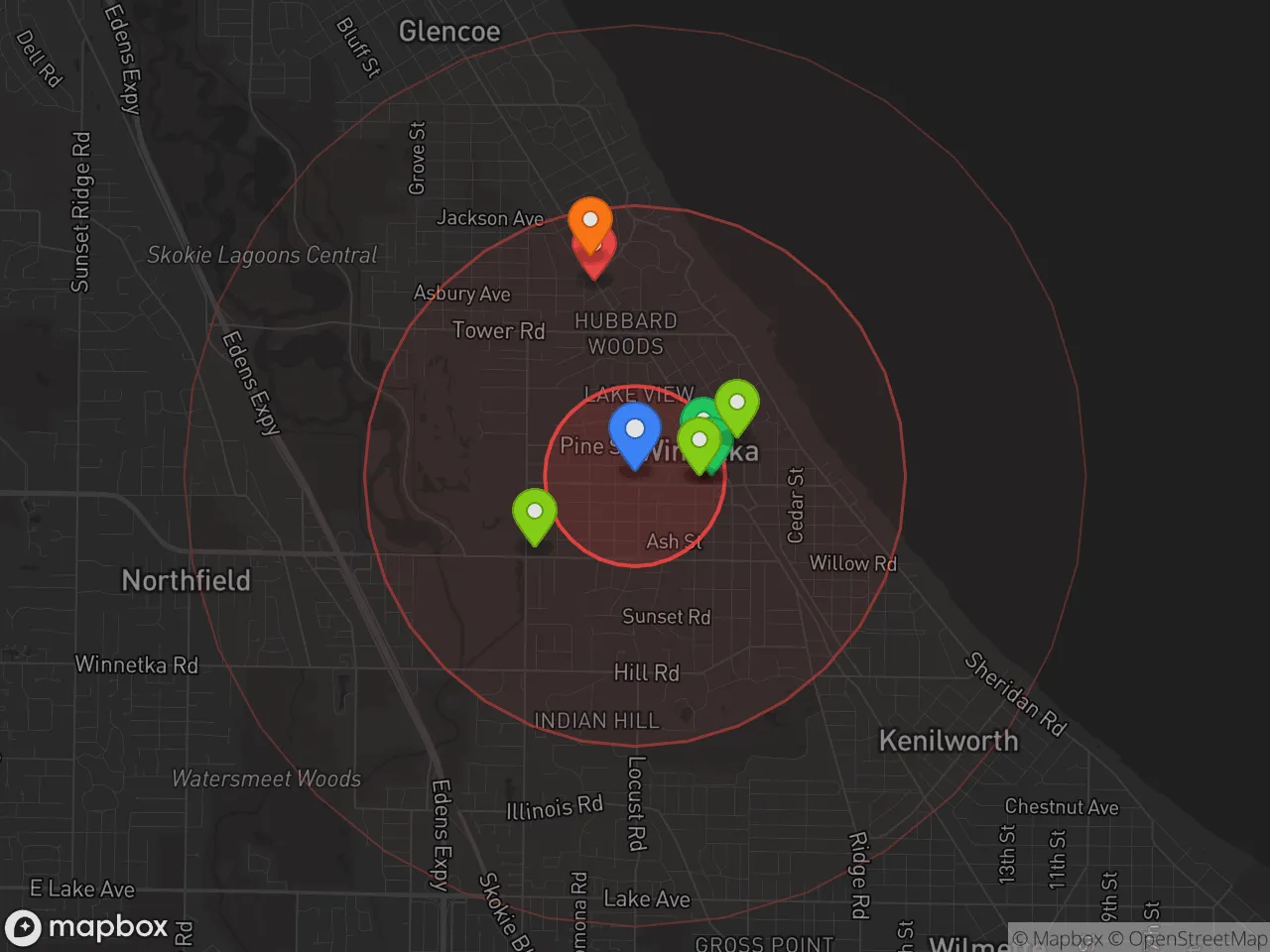
Hobbies
Explore the areaGroceries
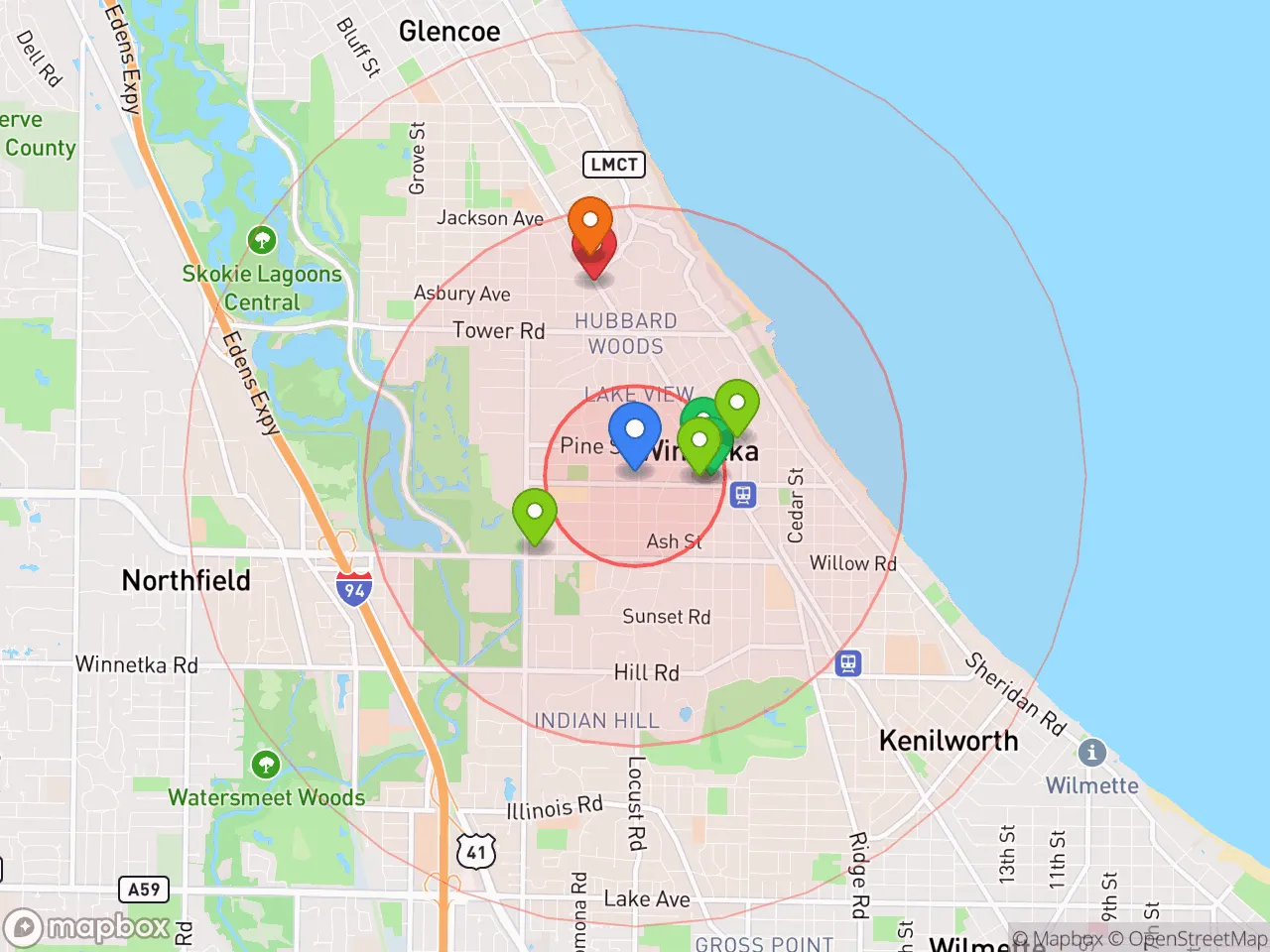
6 within 10 miles
Gas
20 within 10 miles
Hospital
20 within 20 miles
Airport
ORD — O'Hare International
Post Office
USPS — Winnetka, IL
Critical Amenities
Quality-of-Life Analysis
Winnetka, Illinois, is one of the most affluent communities in the Chicago metropolitan area, consistently ranking among the wealthiest suburbs in the United States. With a cost of living index of 261 (more than 2.5 times the national average), the village attracts established professionals, corporate executives, and families who prioritize top-tier public schools, lakefront living, and a quiet, family-oriented atmosphere over urban convenience. The population skews heavily toward high-income households, with a median household income well above $200,000, and the community is known for its deep-rooted sense of tradition, low turnover, and active civic engagement.
Cost of living, housing affordability, and how Winnetka compares to nearby suburbs
Winnetka’s cost of living is driven almost entirely by its housing market. The median home value sits at $1,206,300, placing it among the most expensive suburbs on Chicago’s North Shore, comparable to Kenilworth and Glencoe but notably higher than Wilmette or Northbrook. Rental options are limited and relatively modest in price by comparison, with a median rent of $1,750—a figure that reflects the small number of apartments and condos available in a village dominated by single-family estates. For context, the median rent in nearby Evanston is roughly $1,400, while in Highland Park it hovers around $1,600. The average commute time of 33.7 minutes is typical for the North Shore, with many residents commuting via Metra’s Union Pacific North Line to downtown Chicago’s Ogilvie Transportation Center in about 25–30 minutes. Property taxes in Winnetka are among the highest in the state, often exceeding 2% of assessed value, which adds a significant recurring cost that buyers must factor into their budgets.
What daily life is like: schools, amenities, and local character
Daily life in Winnetka revolves around its nationally recognized public school system, particularly New Trier Township High School, which consistently ranks among the top public high schools in Illinois and the country. The village is served by Winnetka School District 36 for elementary and middle grades, with schools like Crow Island School (a landmark of modern architecture) and Skokie School earning strong academic ratings. Beyond education, residents enjoy the 1.5-mile lakefront with beaches, the Winnetka Park District’s extensive programs, and the walkable downtown centered on Elm Street and Green Bay Road, which features independent bookstores, farm-to-table restaurants, and boutique shops. The village has no major commercial or industrial zones, so the rhythm is quiet and residential, with most entertainment and dining options found in neighboring Wilmette or Glenview. The community is also known for its strong volunteer culture, with organizations like the Winnetka Community House and the Winnetka Historical Society anchoring social life.
Winnetka is best suited for families with school-age children who can afford the high housing costs and property taxes, as well as empty-nesters downsizing from larger estates within the same community. Professionals who work in downtown Chicago and value a short, reliable train commute will find the trade-off of high cost for exceptional schools and lakefront access worthwhile. However, young singles, renters, and those seeking a vibrant nightlife or diverse housing stock will likely find better options in Evanston or Chicago’s Lincoln Park neighborhood. For those who prioritize academic excellence, safety, and a serene, affluent environment, Winnetka remains a premier—if expensive—choice on the North Shore.

Crime in Winnetka, IL
Lower crime rates than 95% of comparable U.S. locations.
Violent CrimeViolent Crime Analysis
Property CrimeProperty Crime Analysis
Crime Analysis
Winnetka, Illinois, is one of the safest communities in the Chicago metropolitan area, with crime rates that are a fraction of both state and national averages. The village's violent crime rate of just 8 incidents per 100,000 residents and property crime rate of 458 per 100,000 place it in the top percentile for safety nationwide. However, as a wealthy North Shore suburb within Cook County, residents must contend with the broader effects of a county-level criminal justice system that is widely regarded as one of the most progressive—and, critics argue, permissive—in the United States.
Crime in context
Winnetka's violent crime rate is 94% lower than the national average and roughly 95% lower than the Illinois state average. The property crime rate, while higher than the violent crime figure, is still more than 50% below the national median. These numbers reflect the village's extreme affluence, low population density, and robust private security presence. For context, the nearby city of Chicago recorded a violent crime rate of roughly 900 per 100,000 in 2024, making Winnetka over 100 times safer by that metric. The primary concern for Winnetka residents is not local crime, but the potential for spillover from the broader region.
What residents experience
Daily life in Winnetka is characterized by a near-total absence of violent street crime. The 8 per 100,000 figure typically represents a handful of isolated incidents annually, often domestic in nature. Property crime—primarily theft from vehicles and residential burglary—is the most common concern. The village's police department maintains a proactive patrol strategy, and neighborhood watch programs are active. The larger contextual risk stems from Cook County's justice policies. Cook County State's Attorney Kim Foxx (in office 2016–2024) and her successor have implemented cash bail reform, declination of prosecution for many low-level felonies, and reduced sentencing guidelines. Critics argue this "catch-and-release" approach, combined with a progressive judicial bench, results in repeat offenders cycling through the system. For Winnetka, this means that while the village itself is a fortress of safety, the criminals who occasionally travel north from Chicago or nearby Evanston to commit property crimes face minimal consequences, reducing the deterrent effect.
Neighborhood-level variation
Winnetka is uniformly safe, with no statistically significant variation in violent crime between its neighborhoods. The most affluent areas along the lakefront and near the village's two Metra stations see slightly higher rates of vehicle break-ins, simply due to the concentration of high-value targets. The area around the Winnetka Village Hall and the commercial district on Green Bay Road is well-patrolled and experiences the lowest incident rates. Residents should be aware that the progressive judicial environment in Cook County means that even when a property crime suspect is arrested in Winnetka, they are often released on electronic monitoring or with a low bond within 24 hours. This systemic reality is the primary safety consideration for anyone relocating to this otherwise exceptionally secure suburb.
* Values derived from national, state, county, city and local statistics and may differ in a specific area. Last updated: 2026-04-27T14:45:29.000Z
Narrative content on this page is AI-generated and may contain mistakes. Verify any details that matter before acting on them.
ReloMaps may earn a commission from affiliate links at no extra cost to you.

