
Photo: Wikipedia
Political ClimatePolitical Climate in Winnetka, IL
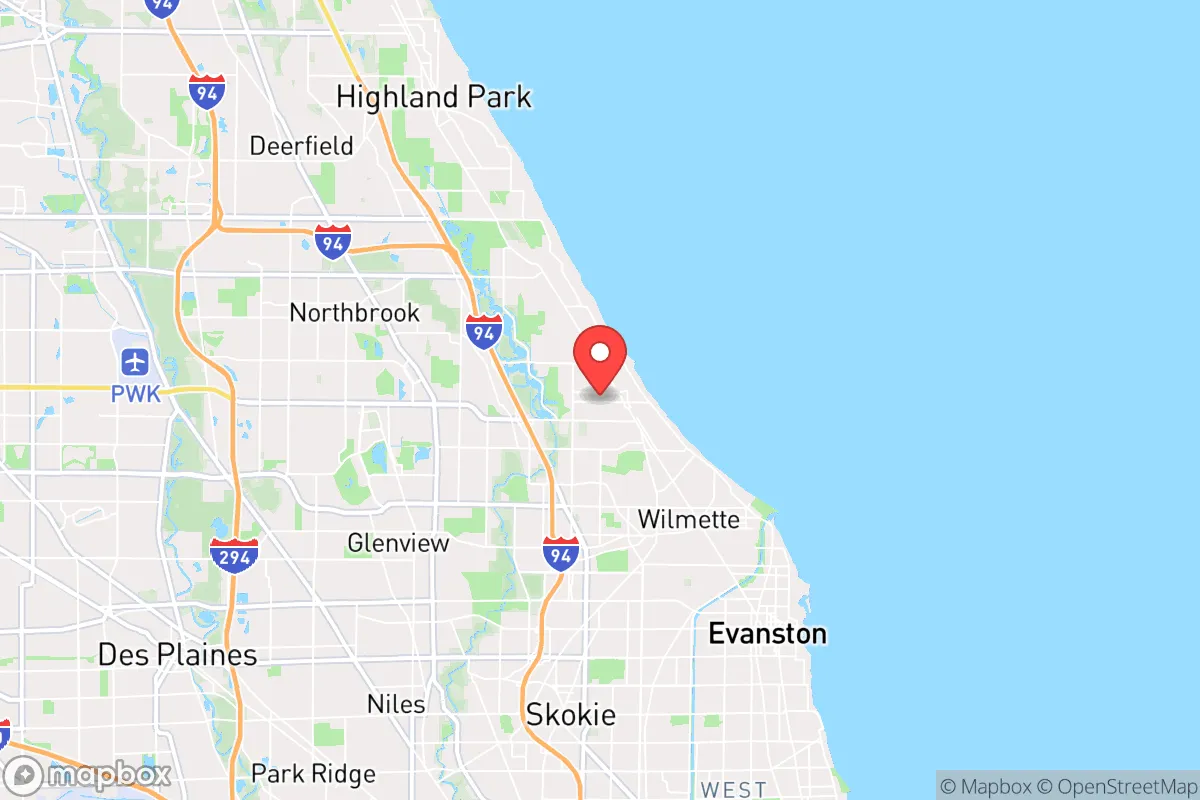
District shown is the primary district for this city’s centroid. Cities may span multiple districts.
Local Political AnalysisPolitical Analysis of Winnetka, IL
Winnetka leans heavily Democratic, and it’s been trending that way for a while now. The Cook PVI rating of D+12 tells you a lot—this isn’t a purple suburb; it’s a deep blue enclave where progressive candidates routinely win by double digits. If you’ve been around here long enough, you remember when the North Shore had more of a balanced mix of voices, but over the last decade or so, the political center of gravity has shifted hard left. It’s not just about voting patterns anymore—it’s the whole culture of the place.
How it compares
Drive ten minutes west to Northbrook or Glenview, and you’ll find a slightly more moderate vibe—still blue, but with more room for fiscal conservatives and independent thinkers. Head south to Evanston, and you’re in even deeper progressive territory, with a city council that’s been pushing rent control and sanctuary policies. Winnetka sits somewhere in between, but it’s closer to Evanston than most locals want to admit. The real contrast is with towns like Barrington or Lake Zurich, where you still see Republican signs in yards and hear people talk about property taxes and school choice without getting side-eyed. In Winnetka, those conversations happen quietly, if at all.
What this means for residents
For families who value personal freedom and limited government, the trend here is concerning. The village board has been increasingly willing to impose new regulations—think plastic bag bans, strict tree removal permits, and noise ordinances that go beyond common sense. School board meetings have become battlegrounds over curriculum and library books, with progressive activists pushing for more ideological content. Property taxes are already among the highest in the state, and there’s little appetite for pushing back on spending. If you’re someone who believes in local control and keeping government out of your backyard—literally—you’ll find yourself swimming against the current more and more.
What daily life is like for families
On the surface, daily life in Winnetka is still idyllic—great schools, safe streets, beautiful lakefront parks. But the political climate seeps into everyday decisions. You might think twice before putting a political sign on your lawn, even a modest one. Parent-teacher groups and community organizations tend to lean left, so if you hold traditional views, you learn to keep them to yourself to avoid awkwardness. The village’s push for “sustainability” initiatives has led to higher fees and more bureaucratic hoops for home renovations. It’s not oppressive, but it’s a slow creep—a sense that the government knows better than you do about how to live your life.
Looking ahead, I don’t see this changing anytime soon. The demographics are shifting younger and more urban-minded, and the old guard of moderate Republicans has mostly retired or moved away. If you’re considering a move here, just know what you’re signing up for: a beautiful town with a political culture that’s increasingly comfortable with top-down solutions. It’s still a great place to raise a family, but you’ll want to be active in local elections if you want to keep it that way.

State Political ClimatePolitical Climate in Illinois
State Political AnalysisPolitical Environment in the State
Illinois has been a reliably blue state in presidential elections for decades, but its political landscape is far more complex than a simple partisan label suggests. The state’s overall lean is driven overwhelmingly by the Chicago metropolitan area, which accounts for nearly two-thirds of the state’s population, while the rest of Illinois—from the collar counties to the rural downstate regions—has been trending sharply red. Over the last 10-20 years, the Democratic coalition has consolidated power in Springfield, passing a progressive tax structure, expansive gun control, and a suite of social policies that have accelerated the urban-rural divide and prompted a steady out-migration of conservative-leaning residents.
Urban vs. rural divide
The political map of Illinois is a tale of two states. Chicago and its inner suburbs (Cook County) are the engine of Democratic dominance, routinely delivering 70-80% of the vote for statewide Democrats. The collar counties—DuPage, Lake, Kane, Will, and McHenry—have been shifting leftward over the past decade, particularly in affluent, educated suburbs like Naperville and Arlington Heights, where Republican margins have eroded. Meanwhile, downstate Illinois—places like Effingham, Quincy, and the Metro East area near St. Louis—votes overwhelmingly Republican. In 2020, Donald Trump won 92 of Illinois’s 102 counties, but lost the state by 17 points because of Chicago’s massive vote margin. The divide is stark: a drive from Springfield to Carbondale reveals a landscape of Trump flags and conservative values, while the Chicago skyline represents a progressive stronghold on issues from abortion to gun control.
Policy environment
Illinois’s policy environment is a case study in progressive governance. The state has a flat income tax rate of 4.95% (after voters rejected a graduated income tax amendment in 2020), but property taxes are among the highest in the nation—averaging over 2% of home value—driven by powerful public-sector unions and pension obligations. The state’s regulatory posture is business-unfriendly, with a $15 minimum wage (phased in by 2025), strict environmental regulations, and a progressive gun control regime that includes a ban on assault weapons and high-capacity magazines passed in 2023 (HB 5471). On education, Illinois mandates comprehensive sex education and has a robust school funding formula that favors Chicago Public Schools. Healthcare policy is heavily regulated, with a state-based insurance exchange and Medicaid expansion. Election laws are among the most liberal in the country: same-day voter registration, automatic voter registration, and no-excuse mail-in voting are all permanent fixtures. The state also has a sanctuary state law (the TRUST Act) that limits local law enforcement cooperation with federal immigration authorities.
Trajectory & freedom
Over the past five years, Illinois has moved decisively toward less personal freedom, particularly for gun owners and parents. The Protect Illinois Communities Act (2023) banned the sale and possession of many semi-automatic firearms and magazines, forcing law-abiding gun owners to register existing weapons or face felony charges. This law was passed despite a federal court temporarily blocking it, and it remains under legal challenge. On parental rights, Illinois passed a law in 2021 that eliminated parental notification for minors seeking abortions, and in 2023, the state expanded gender-affirming care protections for minors, overriding parental consent requirements in some cases. Medical autonomy has been curtailed by vaccine mandates for healthcare workers and schoolchildren during the pandemic, though many of those mandates have since been relaxed. Property rights are under pressure from high property taxes and a state that has one of the worst pension-funded debt burdens in the nation—over $140 billion in unfunded liabilities. The state’s trajectory is clearly toward more government intervention in personal and economic life, with little sign of reversal.
Civil unrest & political movements
Illinois has seen significant civil unrest and political activism, particularly in Chicago. The 2020 George Floyd protests in Chicago resulted in widespread looting and property damage, with over $60 million in damages and hundreds of arrests. The city’s response—a mix of curfews and police restraint—became a flashpoint for both left-wing activists demanding defunding and right-wing critics arguing for law and order. Organized activist movements are strong on both sides: the Illinois Family Institute and Awake Illinois mobilize conservative parents on school curriculum and gender policy, while progressive groups like Indivisible Chicago and Personal PAC push for abortion access and gun control. Immigration politics are a constant source of tension, with Chicago’s sanctuary city status leading to an influx of migrants bused from Texas in 2022-2023, straining city resources and sparking backlash in working-class neighborhoods. Election integrity remains a hot-button issue: the 2020 election saw widespread use of mail-in ballots, and conservative groups have raised concerns about ballot harvesting and voter roll maintenance, though no major fraud has been proven. Visible flashpoints include the 2023 Chicago mayoral election, which saw a progressive candidate (Brandon Johnson) defeat a moderate (Paul Vallas) in a race that centered on crime and policing.
Projection
Over the next 5-10 years, Illinois is likely to become even more polarized. Demographic trends favor Democrats: Chicago’s population is slowly declining, but the collar counties are becoming more diverse and liberal, while downstate counties continue to lose population. In-migration is overwhelmingly from other blue states (California, New York), while out-migration is to red states like Florida, Texas, and Indiana. This means the state’s political center of gravity will continue to shift left, even as the rural areas become more conservative. The pension crisis will force either massive tax increases or service cuts, likely accelerating the exodus of businesses and families. A new resident moving in now should expect a state where government services are expansive but expensive, where gun rights are heavily restricted, and where cultural battles over education and gender will intensify. The Republican Party in Illinois is increasingly a downstate and exurban party, with little hope of winning statewide office unless Chicago’s dominance is broken by a major scandal or economic collapse.
For a conservative-leaning individual or family considering a move to Illinois, the bottom line is this: you will find like-minded communities in the collar counties (places like Oswego or Yorkville) and in downstate towns like Edwardsville or Charleston, but you will be living under a state government that is actively hostile to many of your values. High taxes, strict gun laws, and progressive education policies are the price of admission. If you value low taxes, gun rights, and local control, Illinois is likely not your best option—but if you have family or job ties that keep you here, you can carve out a good life by choosing your county and school district carefully. The state’s trajectory is clear: more blue, more expensive, and more restrictive on personal freedoms. Plan accordingly.
* Values derived from national, state, county, city and local statistics and may differ in a specific area. Last updated: 2026-04-27T14:45:29.000Z
Narrative content on this page is AI-generated and may contain mistakes. Verify any details that matter before acting on them.
ReloMaps may earn a commission from affiliate links at no extra cost to you.

