Photo: Wikipedia
Quality of Life in Woonsocket, RI
A high quality of life with strong walkability, manageable living costs, healthy neighborhood signals, and solid amenity access.
What does Quality of Life tell us?
Quality of Life blends cost of living, nearby amenities, socioeconomic signals, and neighborhood character. City-level scores represent the whole municipality; individual neighborhoods can differ.
What does this tell us?
Quality of Life blends cost of living, nearby amenities, socioeconomic signals, and neighborhood character. City-level scores represent the whole municipality; individual neighborhoods can differ.
Cost of Living
4% below national average
The Real Cost of Living in Woonsocket, RI for 2026
| Tier | Individual | Family (4) |
|---|---|---|
| Survival | $18k | $33k |
| Comfortable | $52k | $77k |
| Luxury | $97k+ | $150k+ |
| Elite (Top 5%) | $114k+ | $177k+ |
77%
The Area Signal
A metric tracking the socioeconomic signals of the area.
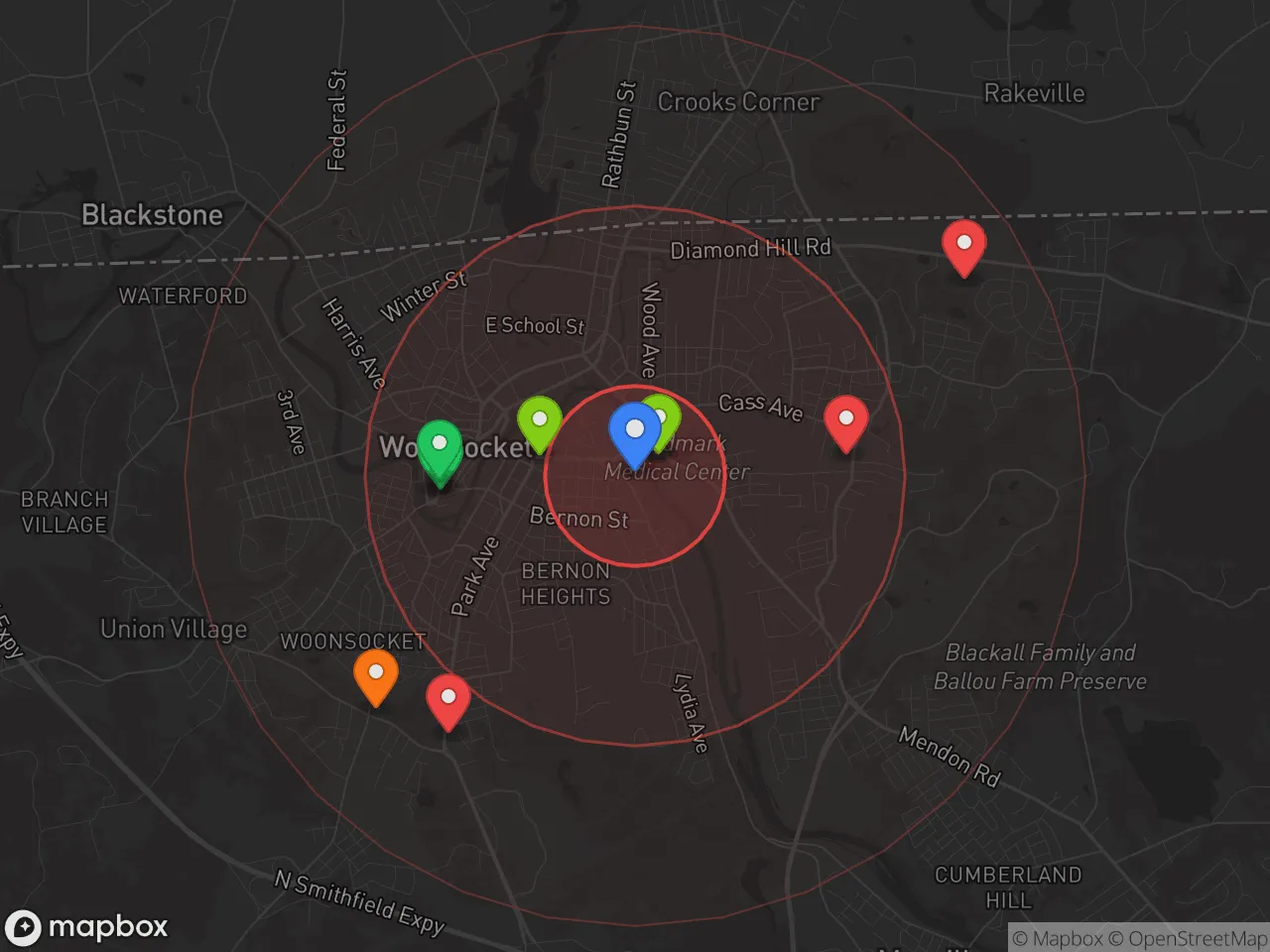
Hobbies
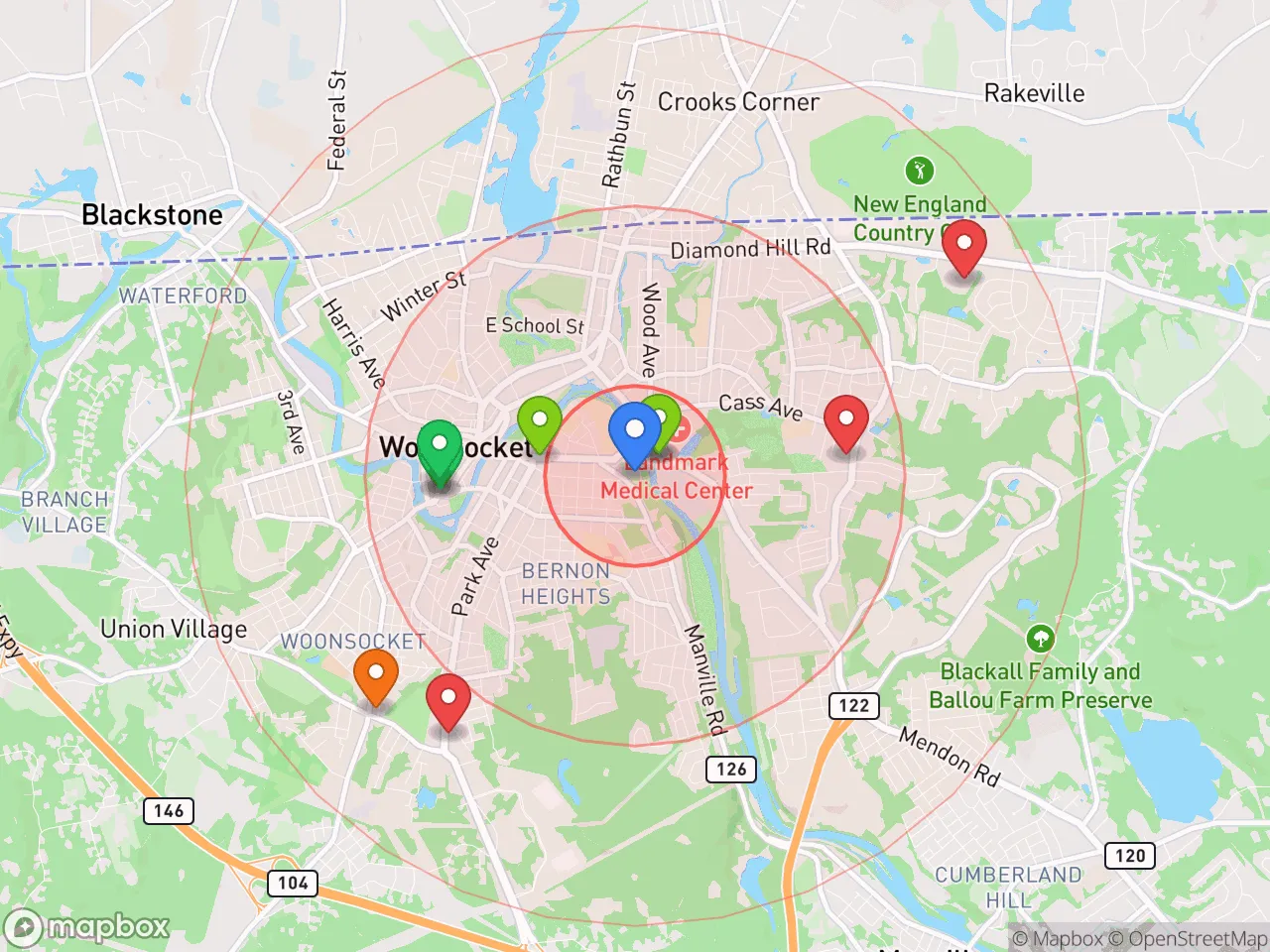
Explore the areaGroceries
6 within 10 miles
Gas
20 within 10 miles
Hospital
20 within 20 miles
Airport
PDX — Portland International Jetport
Post Office
USPS — Woonsocket, RI
Critical Amenities
Quality-of-Life Analysis
Woonsocket, Rhode Island, presents a notably more affordable quality of life than much of the surrounding Boston-Providence corridor, with a cost of living index of 96 (100 = US average) that undercuts both the state and regional averages. The city’s population of roughly 43,000 is predominantly working- and middle-class, with a strong Franco-American heritage and a growing number of first-time homebuyers and young families priced out of Providence and Boston. While Woonsocket is not an affluent community by regional standards—its median household income trails the state average—it offers a tangible path to homeownership and lower monthly expenses that many nearby cities no longer provide.
Cost of living, housing affordability, and how Woonsocket compares to nearby areas
Woonsocket’s housing market is its strongest draw for budget-conscious movers. The median home value sits at $268,000, roughly half the median in Providence ($520,000) and less than a third of the Boston metro median. For renters, the median rent of $1,116 is about $400 less than the Rhode Island statewide median and nearly $800 less than the Boston metro average. This affordability gap is widening: as Providence and northern Massachusetts suburbs like Franklin and Bellingham see steady price increases, Woonsocket remains a relative bargain. The average commute of 28.6 minutes is slightly longer than the state average (24 minutes) but still reasonable for workers heading to Providence (20–25 minutes) or into the Boston suburbs via I-295 and I-95 (45–60 minutes). Property taxes in Woonsocket are higher than the national average—roughly $3,200 annually on a median-value home—but still below those in many Massachusetts border towns like Blackstone or Uxbridge.
Amenities, schools, and what daily life is like for residents
Daily life in Woonsocket centers on a compact, walkable downtown anchored by the Blackstone River and the historic Stadium Theatre. The city’s public school system, Woonsocket Public Schools, serves about 6,000 students and has faced chronic underfunding and below-average test scores—a common concern for families weighing the trade-off between housing cost and educational quality. For private options, Mount Saint Charles Academy (grades 6–12) is a well-regarded Catholic school with a strong hockey tradition. Outdoor amenities include the Blackstone River Bikeway, which connects to the Blackstone River Valley National Heritage Corridor, and Cass Park for recreation. Dining and shopping are modest but functional: a mix of family-run Portuguese and French-Canadian bakeries, chain retailers along Diamond Hill Road, and a weekly farmers market in summer. The city lacks the nightlife and cultural density of Providence, but residents routinely drive 15–20 minutes south for the restaurants, museums, and music venues of the capital.
Woonsocket is best suited for buyers and renters who prioritize affordability and a slower pace over prestige school districts or urban amenities. First-time homebuyers, remote workers with flexible commutes, and retirees on fixed incomes will find the housing costs and lower cost of living most compelling. Families should weigh the school system limitations carefully, though the savings on housing can make private school tuition or a future move to a higher-ranked district financially feasible. For anyone priced out of the Providence–Boston corridor but unwilling to move far from job centers, Woonsocket offers a realistic, budget-friendly foothold in southern New England.

Crime in Woonsocket, RI
Crime rates similar to the national median for U.S. locations.
Violent CrimeViolent Crime Analysis
Property CrimeProperty Crime Analysis
Crime Analysis
Woonsocket, Rhode Island, reports a violent crime rate of 364 per 100,000 residents and a property crime rate of 1,480.6 per 100,000, placing it among the higher-risk communities in the state. These figures, drawn from recent FBI Uniform Crime Reporting data, indicate that both violent and property offenses occur at rates significantly above the national average. The city’s proximity to the Providence metropolitan area and its status as a former mill town with economic challenges contribute to a safety profile that demands careful consideration from potential residents.
Crime in context
Woonsocket’s violent crime rate of 364 per 100,000 is roughly double the national average of approximately 180 per 100,000, while its property crime rate of 1,480.6 per 100,000 exceeds the U.S. average of about 1,200 per 100,000. Compared to Rhode Island as a whole, which reports a statewide violent crime rate near 250 per 100,000, Woonsocket stands out as a higher-crime jurisdiction. The city’s challenges are compounded by its location within a large metro area where progressive judicial policies and district attorneys often prioritize diversion and reduced sentencing for offenders. This ideological approach, while sympathetic to perpetrators, can result in more criminals remaining on the street, directly undermining public safety and justice for victims. Residents and visitors alike face elevated risks from both street-level violence and property offenses such as burglary and theft.
What residents experience
Daily life in Woonsocket involves navigating a city where property crime is the most common threat, with theft from vehicles, home break-ins, and vandalism frequently reported. Violent incidents, including aggravated assault and robbery, are concentrated in specific areas but can occur citywide. The presence of a progressive justice system in Rhode Island means that repeat offenders often face minimal consequences, eroding deterrence and increasing the likelihood of recidivism. For families and individuals, this translates into a heightened need for security measures such as alarm systems, neighborhood watch participation, and vigilance when out after dark. The city’s economic struggles, including a poverty rate above 20%, further strain community resources and contribute to crime patterns that feel persistent rather than episodic.
Neighborhood-level variation
Safety in Woonsocket is not uniform. The northern and western residential areas, particularly around Cass Park and the Bernon neighborhood, tend to report lower crime rates than the downtown core and the Social District near the city center. The area surrounding the Woonsocket Housing Authority properties and the corridors along Main Street and Diamond Hill Road see higher concentrations of both violent and property crime. Prospective residents should research specific block-level data through local police reports or platforms like NeighborhoodScout, as even a few blocks can make a meaningful difference in daily safety. Overall, Woonsocket demands a cautious approach, especially for those accustomed to suburban or rural levels of security.
* Values derived from national, state, county, city and local statistics and may differ in a specific area. Last updated: 2026-04-30T05:28:22.000Z
Narrative content on this page is AI-generated and may contain mistakes. Verify any details that matter before acting on them.
ReloMaps may earn a commission from affiliate links at no extra cost to you.

