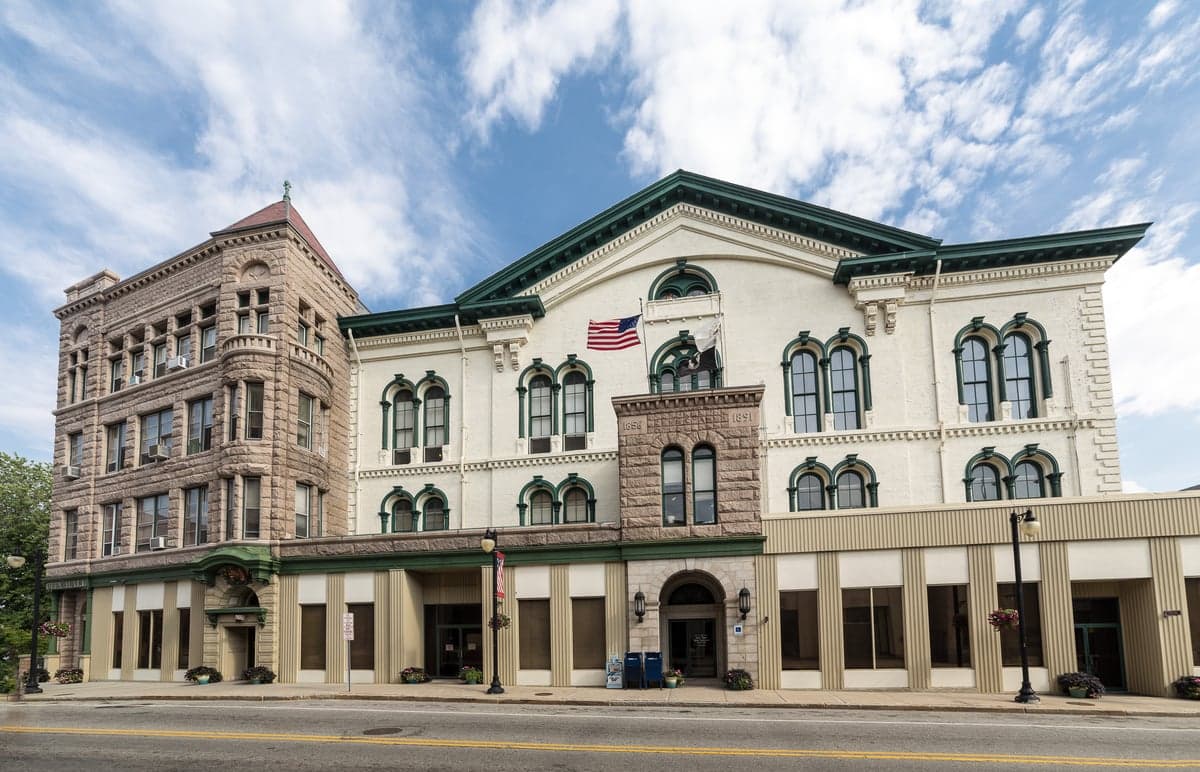
Photo: Wikipedia
Strategic Assessment of Woonsocket, RI
Multiple tactical vulnerabilities. Population density, target proximity, or disaster risk are likely compounding. A retreat property and exit planning is required.
What does the Strategic Assessment tell us?
Our Strategic Assessment grades tactical survivability of an area. Major population centers, military targets, fallout zones, natural disasters, and border exposure all drive risk — lower exposure means a more defensible position in a crisis.
This is heavily inspired by Joel Skousen's Strategic Relocation book. Highly recommended you checkout the book ($)What does this tell us?
Our Strategic Assessment grades tactical survivability of an area. Major population centers, military targets, fallout zones, natural disasters, and border exposure all drive risk — lower exposure means a more defensible position in a crisis.
This is heavily inspired by Joel Skousen's Strategic Relocation book. Highly recommended you checkout the book ($)Strategic Pillars

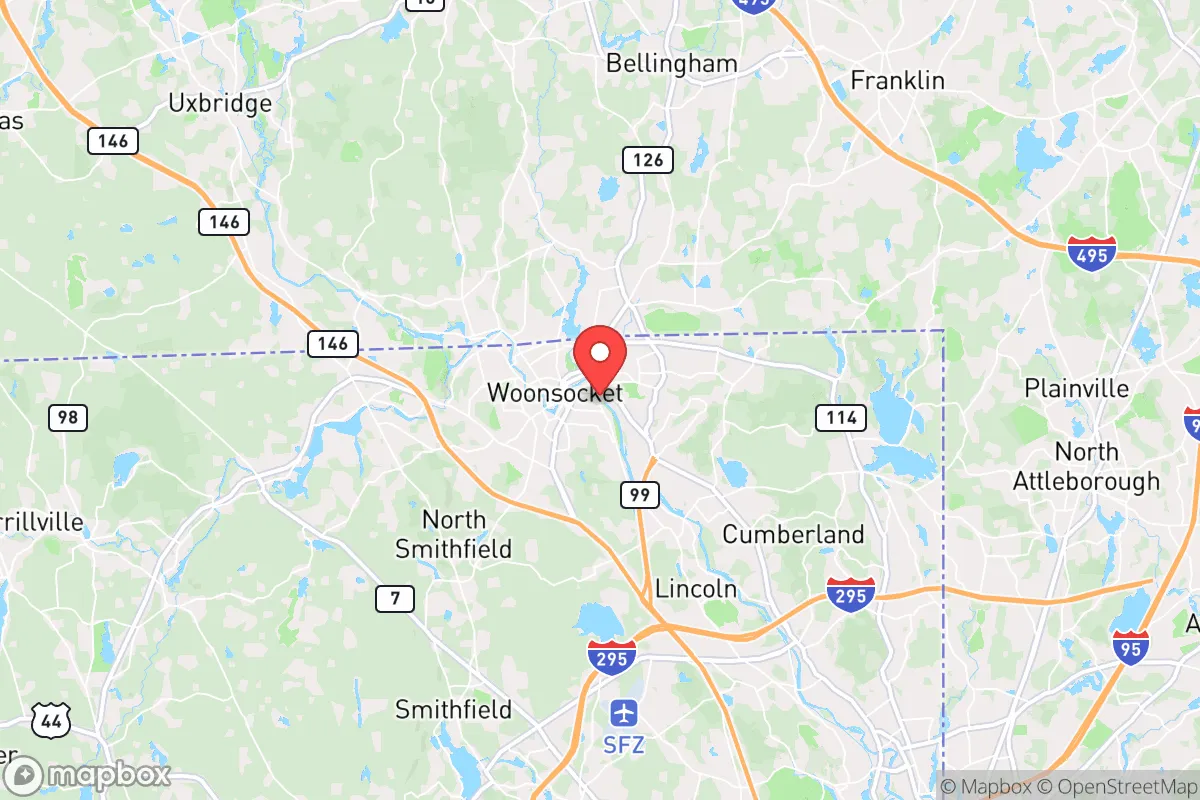
Key Distances
Regional Safe Places
Below is our recommended "safe zones" in Rhode Island and the surrounding area based on our strategic heuristics. For most people, it's unrealistic to live in a “safe zone” full-time due to work, family or other personal reasons. They tend to be more rural. However, many of these areas are perfect for second homes and retreat properties that double as a vacation home or even a short-term rental.
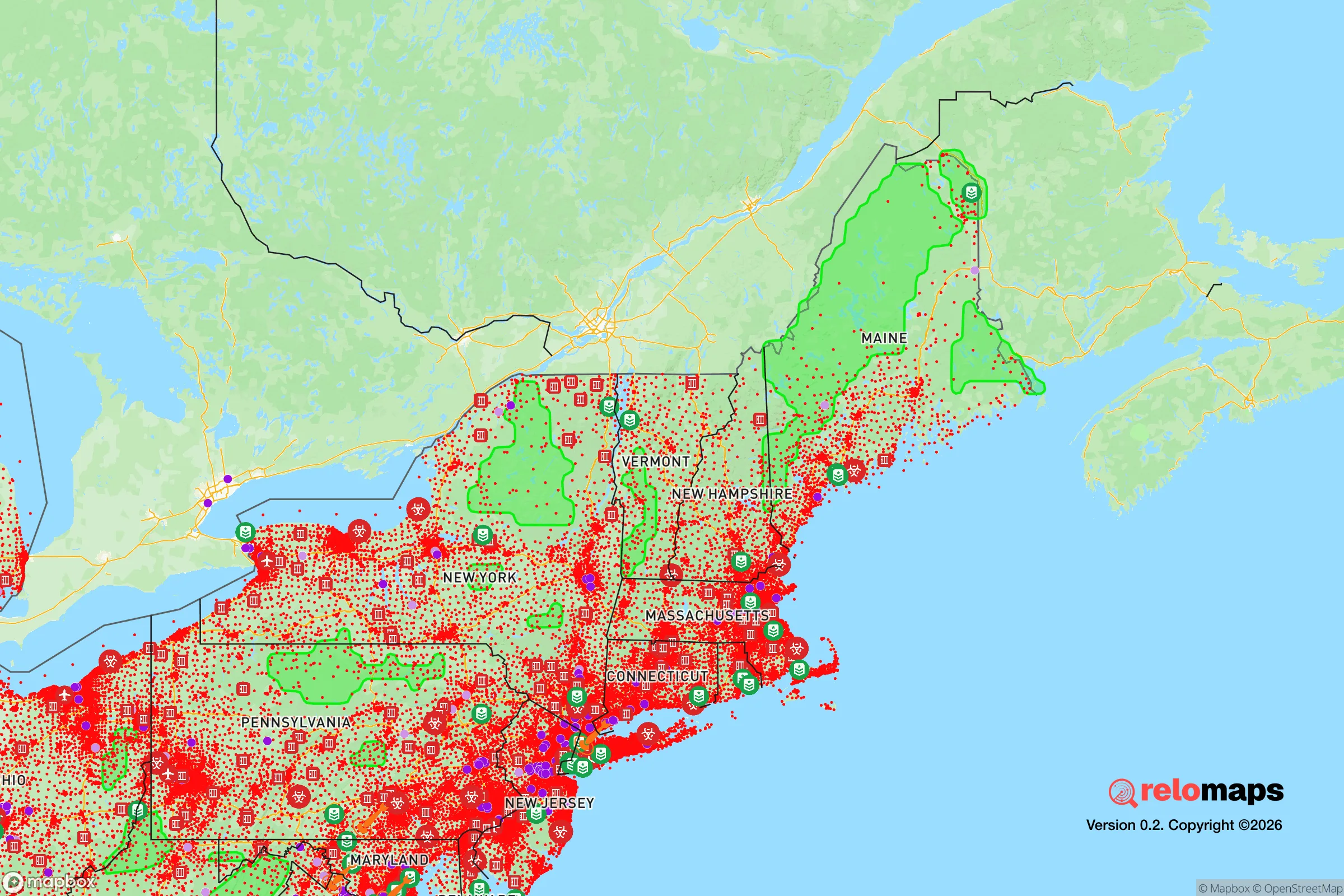
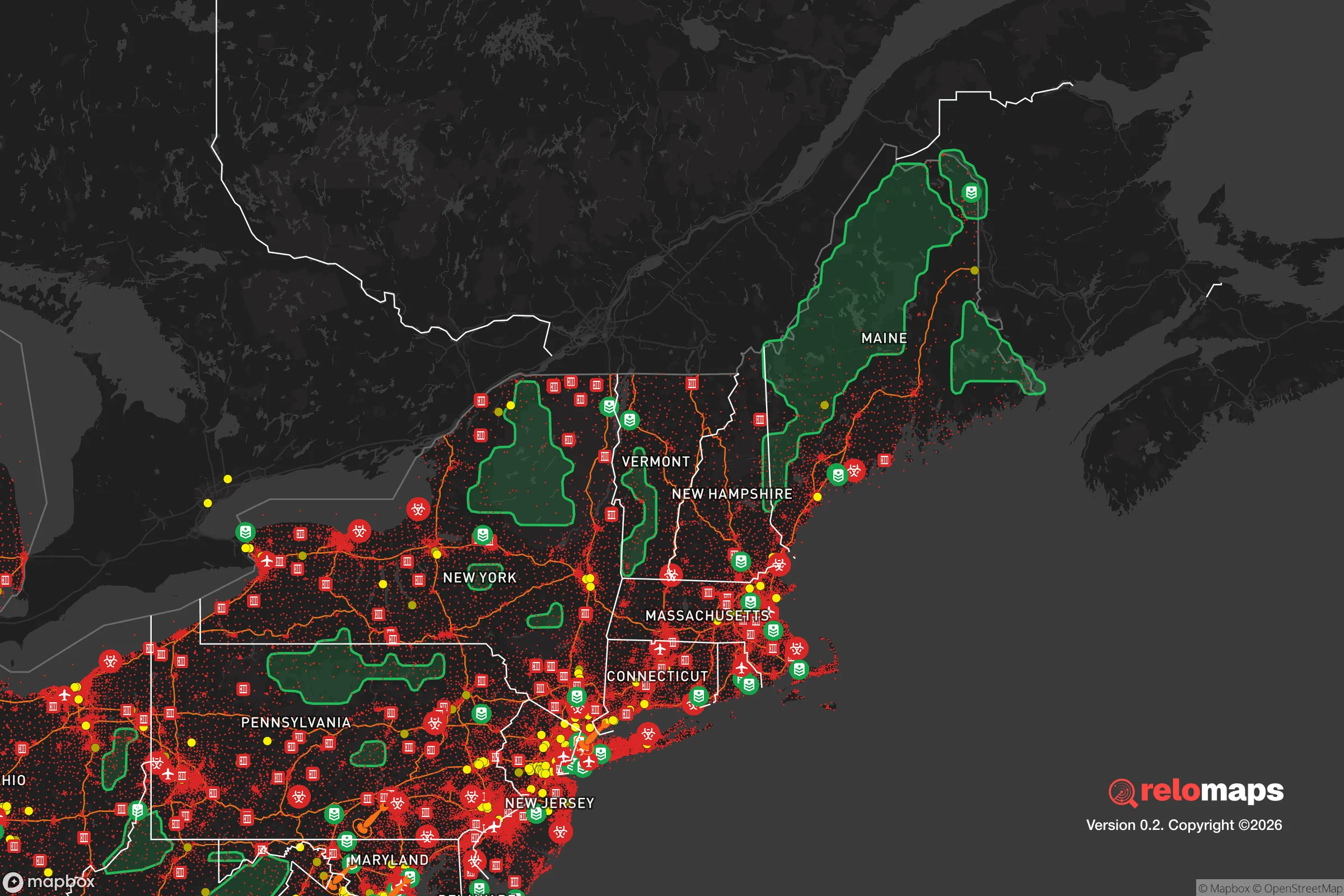


Important Note: For informational purposes only. This does not mean nothing bad ever happens in the green zones. Please use common sense. This is based on public data and modeled with AI. We tried to take a conservative approach but mistakes happen. We update this regularly as new information becomes available.
Solar Generator Recommendations
Backup power matters more here than in safer locations. We've picked three solar generators across budgets and capacity tiers — start with the budget unit if you only need a few essentials, or step up if you want to run a fridge and HVAC for days at a time.

Jackery Portable Power Station Explorer 300
Budget OptionPower on the Go: Weighing only 11 lbs, it's convenient to set up and store with book-sized foldable solar panels

BLUETTI Portable Power Station AC180
Designed for both indoor and outdoor scenarios, AC180 is highly capable as it has a robost capacity and continuous output power.

EF ECOFLOW DELTA Pro Ultra Power Station
Upgraded PickEcoFlow DELTA Pro Ultra is a whole-home energy system designed to grow with your family. Integrated with the Smart Home Panel 2, it scales to meet your evolving energy needs — keeping your home powered, intelligent, and secure through every stage of life.
We earn a commission, at no additional cost to you.
Strategic Assessment Analysis
Woonsocket, Rhode Island, presents a mixed strategic picture for the conservative prepper or survivalist. Its location offers some genuine natural advantages—ample water, dense forest cover, and a position away from the immediate blast zones of major cities—but it is also dangerously close to several high-value targets and suffers from the economic and social fragility common to post-industrial New England mill towns. For a relocator prioritizing long-term resilience over short-term convenience, Woonsocket is a location that demands careful, sober assessment rather than blind optimism.
Geographic position and natural advantages for long-term survival
Woonsocket sits in the Blackstone River Valley, a region defined by its steep, wooded hills and the river that powered the American Industrial Revolution. The most significant natural asset here is water. The Blackstone River runs through the city, and the surrounding area is dotted with smaller streams, ponds, and reservoirs, including the Harrisville and Woonsocket Reservoir systems. In a grid-down scenario, this abundance of surface water is a critical advantage over arid or suburban regions. The terrain itself is a defensive asset. The hills and valleys create natural chokepoints and limited lines of sight, making the area more defensible than flat, open farmland. The forest cover is dense, providing ample cover for movement and a long-term source of fuel and building materials. The city is also positioned roughly 15 miles from the Massachusetts border, placing it within a day's walk of rural northern Rhode Island and southern Massachusetts, areas with even lower population density and more agricultural land. For a relocator, the immediate environment offers the raw materials for a self-sufficient retreat, provided one can secure a property with a well and a reliable wood-burning heat source.
Risks, exposures, and proximity to fallout-relevant landmarks
This is where the strategic picture darkens considerably. Woonsocket’s proximity to major population and industrial centers is its greatest liability. The city lies less than 15 miles from Providence, RI, and about 45 miles from Boston, MA. Both are high-probability targets for a range of threats, from nuclear strikes to civil unrest following a mass-casualty event. The I-95 corridor, which connects Boston to Washington D.C., runs just east of the city, meaning any large-scale evacuation or military movement would likely clog the roads and bring chaos to the region. More specifically, Woonsocket is within the fallout plume zone of several potential targets. The Port of Providence, a major petroleum and LNG storage hub, is a prime target for a conventional or EMP attack. The Quonset Business Park in North Kingstown, which houses a major Air National Guard base and a deep-water port, is another high-value military target. In a nuclear exchange, prevailing winds from the southwest would carry fallout directly over Woonsocket. The city itself is a post-industrial shell, with a declining tax base, aging infrastructure, and a population that has seen little growth. In a crisis, this means limited local resources, strained emergency services, and a population that may become desperate quickly. The presence of several large mill buildings, many of which are abandoned or underutilized, also presents a physical hazard in the event of structural collapse or fire.
Practical resilience for a relocator: food, water, energy, and defensibility
For a single individual or family willing to put in the work, Woonsocket offers a foundation for practical resilience, but it is not a turnkey solution. Water is the strongest suit. The Blackstone River is a reliable source, but it requires filtration and treatment due to industrial runoff and upstream sewage. A property with a private well is the gold standard here. Food security is a challenge. The city itself has limited agricultural land, but the surrounding towns of Burrillville, Glocester, and North Smithfield have active farms, orchards, and community gardens. Building relationships with local farmers before a crisis is essential. The soil in the valley is rocky but workable, and a well-placed homestead could produce a significant portion of its own calories. Energy is a vulnerability. The grid in this region is old and prone to outages from winter storms. A backup generator or solar array with battery storage is not a luxury; it is a necessity. Wood heat is the most reliable option, and the surrounding forests provide a virtually unlimited supply if you have the means to harvest and split it. Defensibility is situational. A property on a dead-end road, backed by a hill or a river, offers good natural security. The city’s dense, older neighborhoods are harder to defend and would be a liability in a breakdown of civil order. The local police force is small and underfunded, so reliance on mutual aid or a neighborhood watch is critical. The presence of a significant number of firearms owners in rural Rhode Island is a positive factor, but the state’s restrictive gun laws (including magazine capacity limits and a recent "red flag" law) are a concern for those who prioritize self-defense.
The overall strategic picture for Woonsocket is one of high risk with moderate reward. It is not a safe haven from national-level disasters, but it is a viable location for a prepared individual or family who understands the trade-offs. The water and terrain are genuine assets, and the proximity to rural areas offers a fallback option. However, the city’s location within the shadow of Providence and Boston, its aging infrastructure, and its limited local resources make it a poor choice for those seeking true isolation or a low-risk retreat. For the conservative prepper who values community, hard work, and a realistic assessment of threats, Woonsocket could be a base of operations—but only if you are willing to invest heavily in your own water, energy, and security systems, and have a plan to get out if the worst happens. It is a location for the pragmatic, not the romantic.

* Values derived from national, state, county, city and local statistics and may differ in a specific area. Last updated: 2026-04-30T05:28:22.000Z
Narrative content on this page is AI-generated and may contain mistakes. Verify any details that matter before acting on them.
ReloMaps may earn a commission from affiliate links at no extra cost to you.

