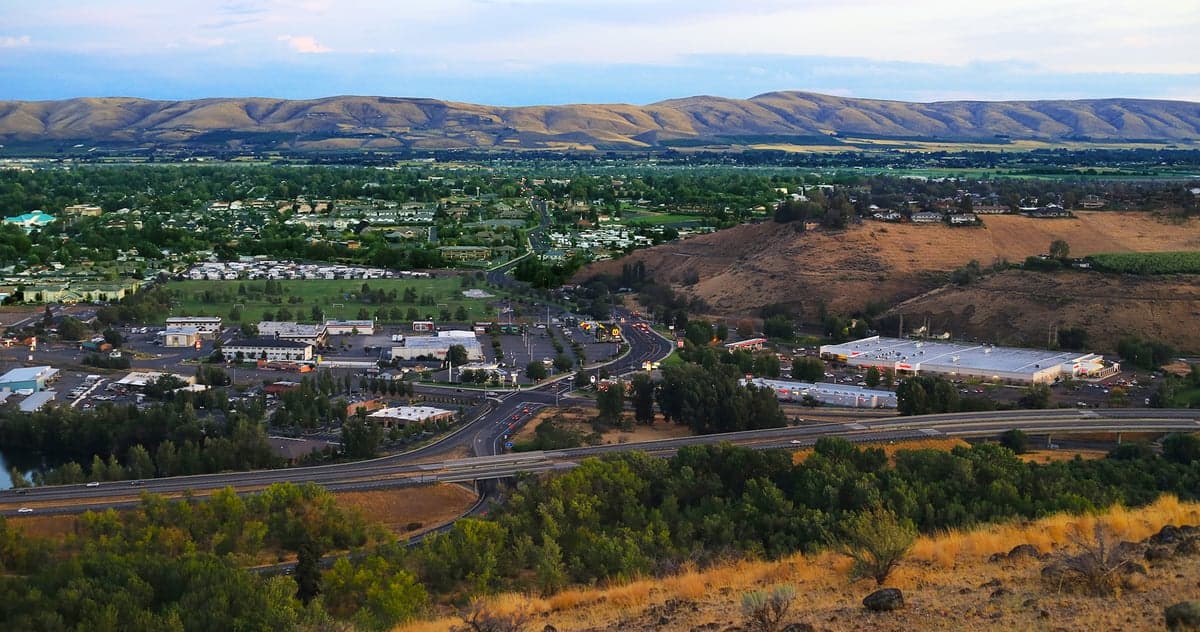
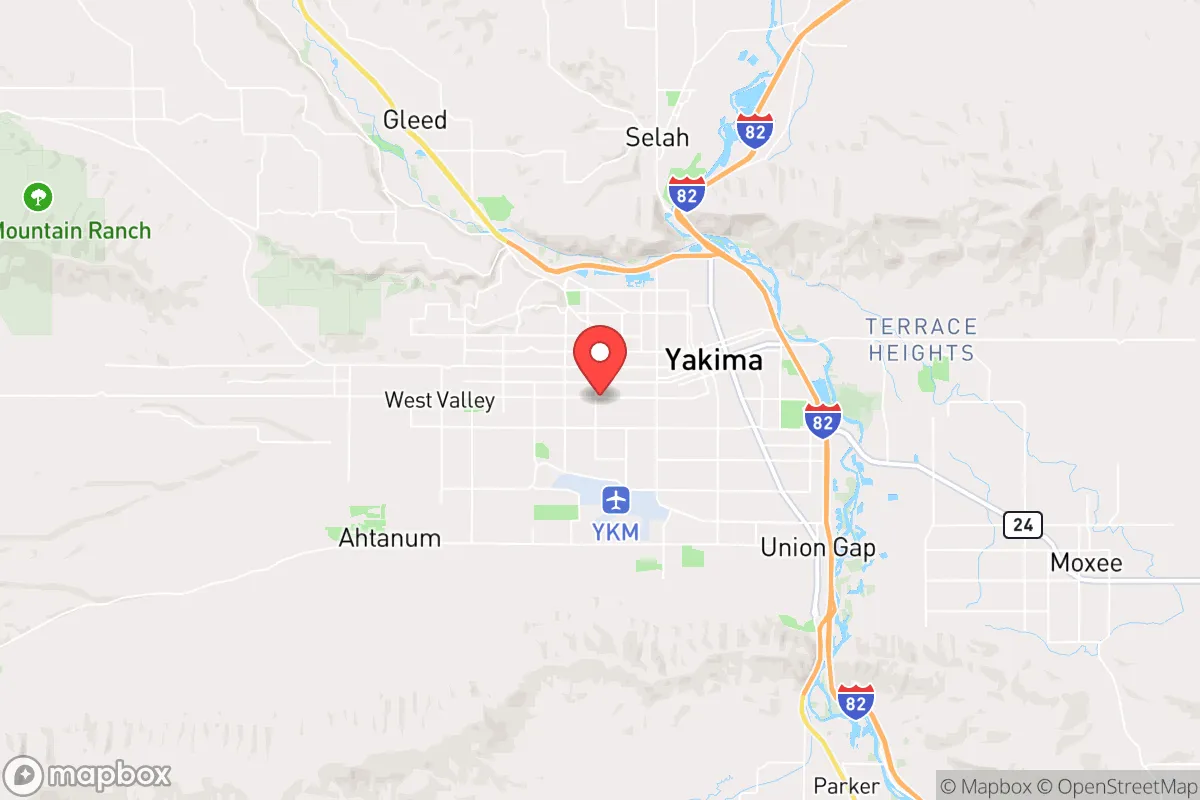
Photo: Wikipedia
Find The Best Places To Live
in Yakima
PRO TIP! You can paste a Zillow or Redfin link to get info on that property.
What It's Like Living in Yakima, WA
Yakima feels less like a city of 96,810 people and more like a big, dusty small town where everyone knows someone who knows someone. It’s the commercial and agricultural hub of Central Washington, but the vibe is working-class, family-oriented, and deeply tied to the land — apple orchards, hop fields, and vineyards stretch right up to the city limits. You won’t find tech campuses or high-rise condos here; instead, you get a place where Friday night lights matter, the sun shines 300 days a year, and the cost of living actually makes sense for people who want a house and a yard without a six-figure salary.
The Daily Rhythm: Slow Mornings, Hard Work, and a 17-Minute Commute
Life in Yakima moves at a pace that surprises newcomers from Seattle or Portland. The average commute is just over 17 minutes — you can live on the west side of town, work near the hospital or the county courthouse, and still be home in time to grill dinner. Most people shop at the local WinCo or Fred Meyer, grab coffee at a drive-through espresso stand (there are dozens, and they’re a legitimate local obsession), and spend weekends at youth soccer games or working on their yards. The median income sits around $59,228, which goes further here than in most of Washington because the cost of living index is 94 — six points below the national average. That means a median home value of $273,400 buys a three-bedroom house with a garage and a decent lot, something unthinkable on the west side of the mountains. The kind of person who fits in here is someone who values space and quiet over nightlife and career ladder-climbing — think tradespeople, nurses, agricultural managers, and state employees who want their kids to play outside without constant supervision.
Sports, Community, and the Central Washington Identity
High school sports are a genuinely big deal in Yakima. On fall Fridays, the stands at Zaepfel Stadium are packed for Davis and Eisenhower football games — the cross-town rivalry is intense, and it’s not unusual for grandparents who graduated from those same schools to still be in the bleachers. There’s no major professional team in town, but the Yakima Valley Pippins (a collegiate summer baseball team) draw solid crowds at the State Fair Park, and the Yakima Mavericks semi-pro hockey team has a loyal following at the Yakima Valley SunDome. The real sports identity, though, is tied to the outdoors. The Yakima River is a blue-ribbon trout stream, and you’ll see drift boats and waders from March through October. The nearby Umtanum Ridge and Cowiche Canyon trails get heavy use from hikers and mountain bikers, and snowmobilers head up to White Pass (about 45 minutes away) in winter. If you don’t hunt, fish, or hike, you might feel a little left out — outdoor recreation is the default social currency here.
What’s There to Do: Festivals, Bars, and the Unavoidable Heat
The social calendar revolves around agriculture and community traditions. The Central Washington State Fair in late September is the biggest event of the year — rodeo, carnival rides, fair food, and a parade that shuts down downtown. The Yakima Folklife Festival in July brings live music and vendors to Franklin Park, and the annual Hop Festival in nearby Toppenish celebrates the region’s claim as the hop capital of the world. For nightlife, options are limited but genuine. Sports Center Bar & Grill is a classic dive with pool tables and a loyal crowd, while Yakima Craft Brewing Company and Bale Breaker Brewing (just north in Moxee) serve excellent IPAs in taprooms that feel like community living rooms. Wine tasting is huge — the Yakima Valley has over 80 wineries, and places like Treveri Cellars and Owen Roe offer weekend tastings that draw crowds from as far as Seattle. The downside? The summer heat is real. July and August regularly hit the upper 90s, and the valley can feel like an oven. Air conditioning is non-negotiable, and outdoor plans often shift to early morning or evening.
Pros and Cons of Living Here: What Locals Actually Say
Ask anyone who’s lived here a decade, and they’ll give you a mixed report. The pros are straightforward: affordable housing, short commutes, genuine community connections, and access to world-class outdoor recreation without the crowds of the Cascades. The cons are equally real. The violent crime rate is 452.5 per 100,000 — noticeably higher than the national average, and concentrated in certain neighborhoods east of 16th Avenue and around the downtown core. Property crime, especially car break-ins and shed thefts, is a persistent frustration. The job market is stable but narrow; if you’re not in healthcare, agriculture, education, or government, you may struggle to find work that matches your skills. Only about 20.8% of adults hold a bachelor’s degree, which reflects a workforce that values trade skills and on-the-job experience over academic credentials. Schools are a mixed bag — some elementary schools are excellent (like Adams Elementary), but the district overall faces funding challenges and achievement gaps that parents talk about openly. The median age is 34, so there are plenty of young families, but the social scene for single adults in their 20s is thin — most socializing happens through church, work, or the local running club.
One cultural quirk you’ll notice quickly: Yakima is proudly, stubbornly independent. There’s a strong libertarian streak, a distrust of Seattle politics, and a sense that this part of Washington is the “real” Washington — the part that grows food, works with its hands, and doesn’t apologize for it. You’ll see American flags on front porches, trucks with gun racks, and a general expectation that people take care of their own problems. It’s not a place for everyone, but for someone who wants a slower, cheaper, more grounded life with good hunting and a 17-minute commute, it’s hard to beat.

Similar small cities to Yakima
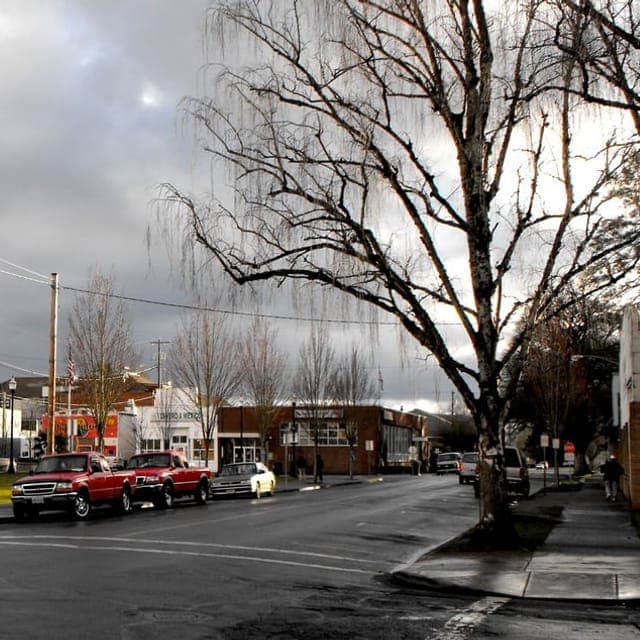
* Values derived from national, state, county, city and local statistics and may differ in a specific area. Last updated: 2026-04-21T11:17:58.000Z
Narrative content on this page is AI-generated and may contain mistakes. Verify any details that matter before acting on them.
ReloMaps may earn a commission from affiliate links at no extra cost to you.

