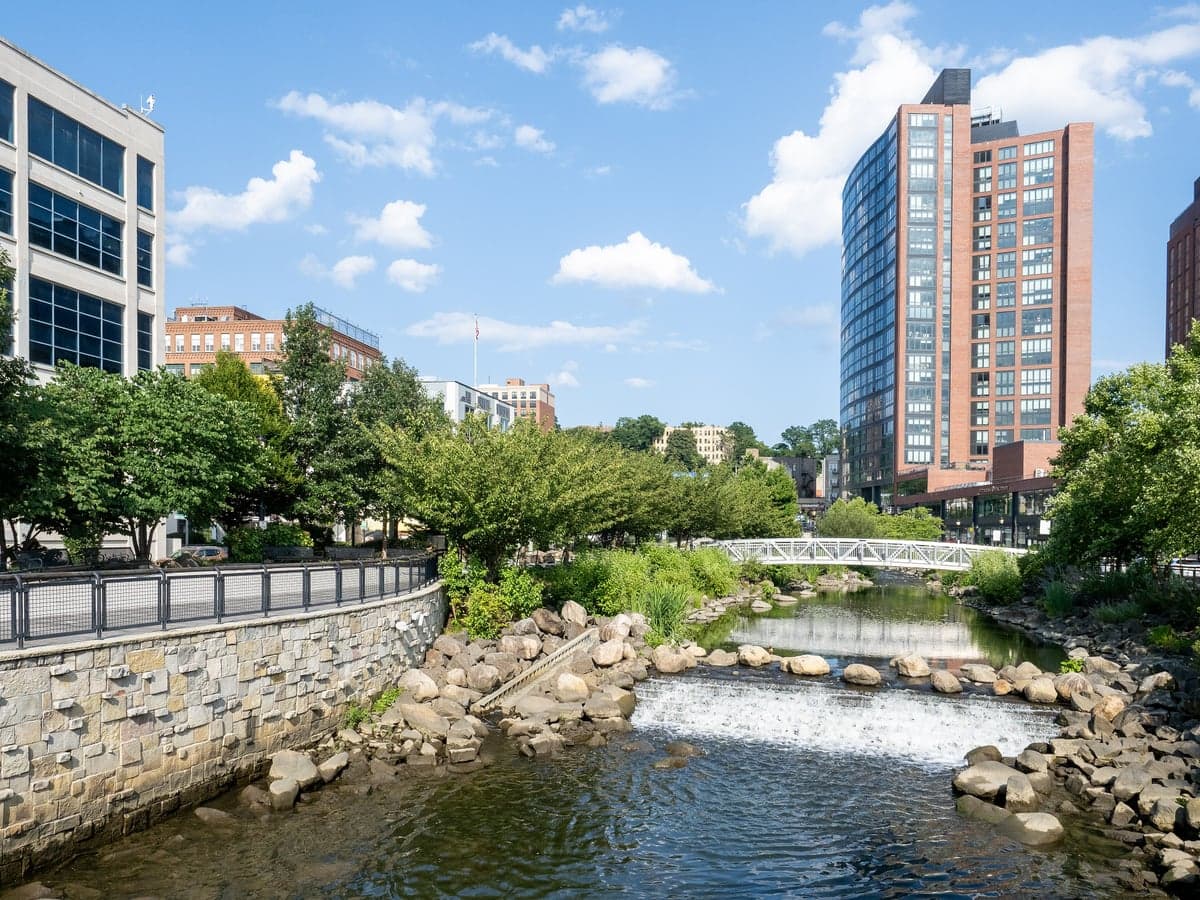
Photo: Wikipedia
Political ClimatePolitical Climate in Yonkers, NY
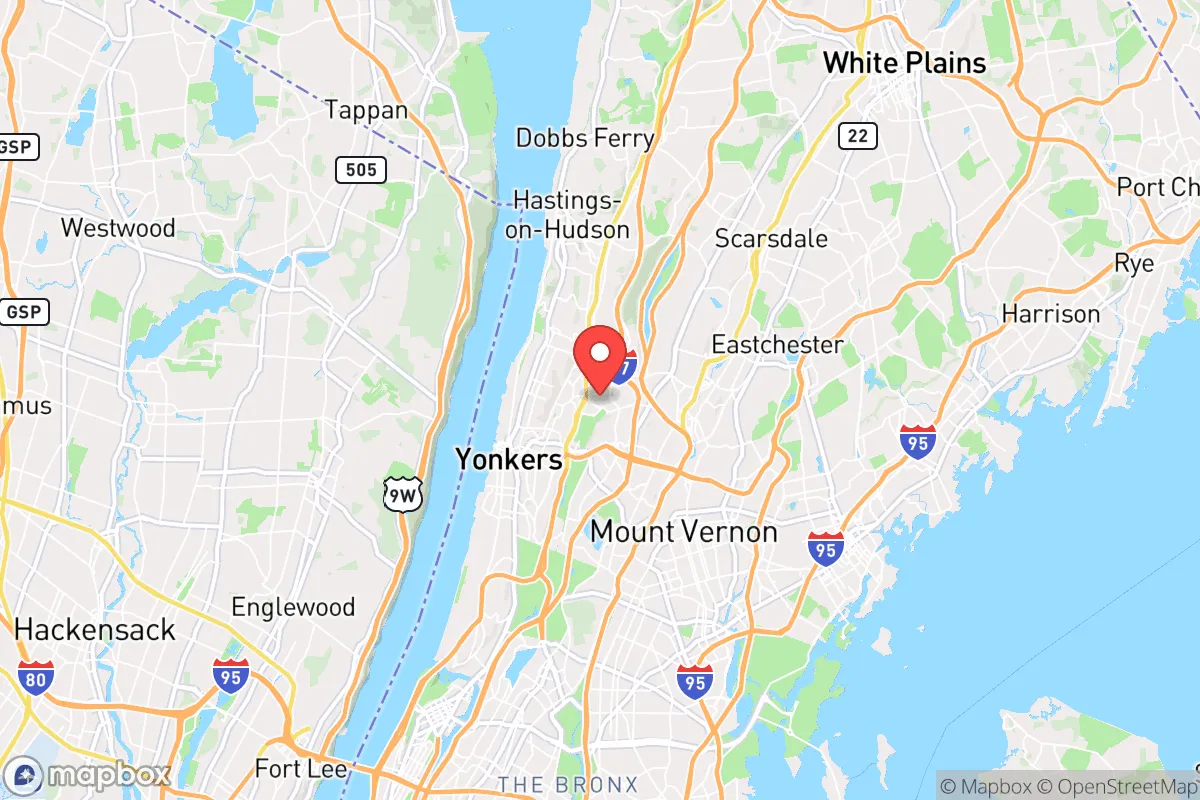
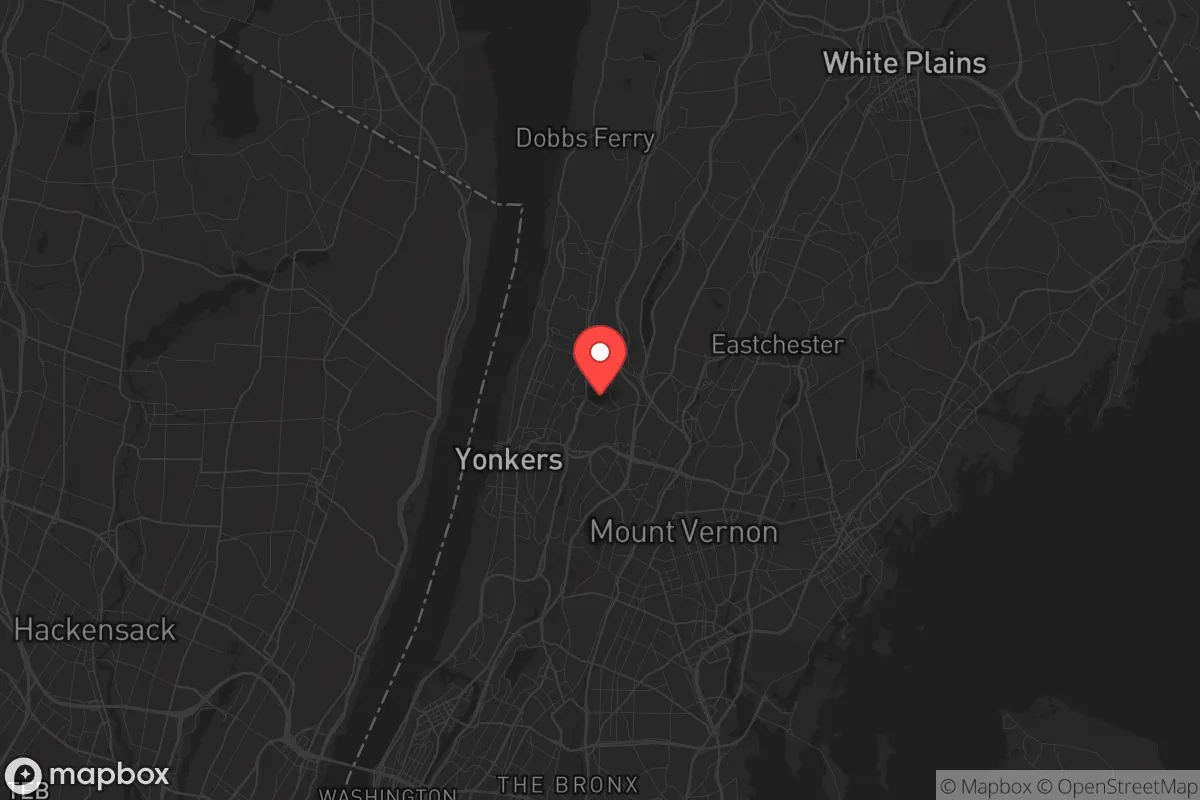
District shown is the primary district for this city’s centroid. Cities may span multiple districts.
Local Political AnalysisPolitical Analysis of Yonkers, NY
Look, I’ve lived in Yonkers my whole life, and I’ve watched this city shift from a place where common-sense, live-and-let-live values held sway into a deep-blue stronghold that votes more like Manhattan than the rest of Westchester. The Cook PVI sits at D+18, which tells you everything: Yonkers is now reliably, overwhelmingly Democratic. It wasn’t always this way—back in the 90s, you could still have a reasonable conversation with a local council member about keeping taxes low and letting folks run their own lives. Today, the political machine here is all-in on progressive priorities, and the trajectory is only getting steeper.
How it compares
If you drive ten miles north to places like Yorktown or Somers, you’ll find towns that still lean center-right, where the school board meetings aren’t dominated by DEI consultants and the local paper runs letters about property taxes, not pronouns. Even White Plains, just a few miles east, has a more moderate, business-friendly vibe. But Yonkers? We’re sandwiched between the Bronx and the rest of Westchester, and we’ve absorbed a lot of the same politics you see in New York City. The city council has pushed through sanctuary city policies, rent control expansions that squeeze small landlords, and a local law that effectively bans new gas hookups in buildings—a direct hit on personal choice and energy freedom. Meanwhile, the county executive, a Democrat, has been cozy with the same Albany crowd that keeps raising state taxes and expanding the scope of government into your daily life.
What this means for residents
For the average Yonkers homeowner or small business owner, this political climate means higher taxes, more regulations, and less say in how your own property is used. The city’s property tax rate is already among the highest in the state, and every new progressive mandate—from prevailing wage requirements on small construction jobs to “equity” training for contractors—adds another layer of cost and bureaucracy. If you run a mom-and-pop shop, you’re dealing with paid sick leave mandates, scheduling rules, and a minimum wage that keeps climbing without regard for what the market can bear. The school district, which serves over 25,000 kids, has poured millions into diversity, equity, and inclusion initiatives while reading and math scores remain stubbornly below state averages. It’s the kind of trade-off that makes you wonder: who’s actually benefiting from all this government attention?
On the cultural side, Yonkers has become a place where traditional values are increasingly sidelined. The city’s annual events—like the St. Patrick’s Day parade or the Riverfest—are still community staples, but the public conversation is dominated by activist groups pushing for police reform, affordable housing mandates, and climate action plans that restrict how you heat your home. The local newspaper, the Journal News, leans hard into progressive framing, and the school curriculum now includes gender identity lessons as early as elementary school. If you’re a parent who wants your kid to learn math and history without political indoctrination, you’re fighting an uphill battle. Looking ahead, I don’t see this changing anytime soon—the demographics and the party machine are locked in. My advice? Get involved in the local Republican or independent clubs, or start planning your exit strategy. The freedom you’re used to is getting squeezed out one ordinance at a time.

State Political ClimatePolitical Climate in New York
State Political AnalysisPolitical Environment in the State
New York State has been a solidly Democratic stronghold for decades, with the party holding a supermajority in the state legislature and winning every presidential election since 1988 by double digits. The dominant coalition is a mix of New York City’s progressive base, suburban liberals, and upstate union households, but the state’s overall lean has shifted noticeably leftward since the mid-2010s. While the state voted for Joe Biden by 23 points in 2020, that margin has tightened slightly, and the real story is the growing chasm between the five boroughs and the rest of the state—a divide that’s become a central fact of life for anyone considering a move here.
Urban vs. rural divide
The political map of New York is a tale of two states. New York City—Manhattan, Brooklyn, Queens, the Bronx, and Staten Island—drives the state’s blue lean, with Manhattan alone delivering over 500,000 votes for Biden. The city’s suburbs, particularly Westchester County and Long Island’s Nassau and Suffolk counties, have trended bluer in recent cycles, though they still swing in close races. Upstate, the picture is starkly different: counties like Wyoming, Orleans, and Allegany routinely vote 65-70% Republican, while the Finger Lakes region and the Southern Tier remain conservative strongholds. The Hudson Valley is a battleground, with Dutchess and Ulster counties leaning blue but Orange and Putnam counties staying red. The real flashpoint is Erie County (Buffalo), which has flipped from a swing county to a solidly Democratic one since 2016, driven by the city’s growing progressive activism. Meanwhile, Staten Island remains the only NYC borough that votes Republican in presidential elections, a lonely red dot in a sea of blue.
Policy environment
New York’s policy environment is among the most progressive in the nation, and it’s a major factor driving conservative-leaning residents to consider leaving. The state has the highest combined state and local tax burden in the country, with income tax rates topping out at 10.9% and property taxes that can exceed 2% of home value in places like Westchester and Nassau counties. The regulatory posture is heavy-handed: the state’s rent control laws, strict environmental regulations (like the Climate Leadership and Community Protection Act), and aggressive vaccine mandates during COVID have created a climate where government intervention is the norm. Education policy is dominated by the teachers’ unions, with school districts in blue areas adopting progressive curricula like critical race theory and gender identity instruction. Healthcare is heavily regulated, with the state expanding Medicaid and implementing a public option for health insurance. Election laws are among the most liberal, with no-excuse absentee voting, same-day registration, and automatic voter registration—all of which have been criticized by conservatives for potential integrity issues.
Trajectory & freedom
Over the past decade, New York has become less free by almost any measure, particularly for conservatives. The SAFE Act of 2013, passed in the wake of the Sandy Hook shooting, imposed some of the strictest gun control laws in the nation, including a ban on assault weapons and high-capacity magazines. In 2019, the state passed the Reproductive Health Act, codifying abortion rights up to birth and allowing non-doctors to perform abortions. The same year, the state enacted the Green Light Law, allowing undocumented immigrants to obtain driver’s licenses. More recently, the 2022 bail reform law eliminated cash bail for most non-violent offenses, leading to a surge in repeat offending that has frustrated upstate residents. Parental rights have been eroded by the state’s refusal to allow opt-outs from LGBTQ-inclusive curriculum in schools, and the 2023 “Safe Haven” law expanded protections for transgender youth, overriding parental consent in some cases. Property rights are under constant threat from rent control expansions and the state’s aggressive use of eminent domain for development projects. The trajectory is clear: more regulation, higher taxes, and less individual autonomy.
Civil unrest & political movements
New York has been a hotbed of political activism on both sides, but the left has been far more visible. The 2020 Black Lives Matter protests in New York City were among the largest in the country, with tens of thousands taking to the streets and the city’s progressive district attorneys declining to prosecute many rioters. The state’s sanctuary policies, including the “Trust Act” limiting cooperation with ICE, have made it a magnet for immigration activism, with New York City declaring itself a “sanctuary city” and the state expanding protections for undocumented residents. On the right, the “New York State Rifle & Pistol Association” has been a powerful force in gun rights litigation, winning the 2022 Supreme Court case that struck down the state’s concealed carry restrictions. The “Upstate New York” secession movement, while fringe, has gained some traction in rural counties like Wyoming and Allegany, where residents feel ignored by Albany. Election integrity has been a flashpoint, with the 2020 election seeing widespread use of mail-in ballots and the state’s Board of Elections facing lawsuits over ballot harvesting. A new resident would notice the constant political tension, especially in the suburbs where school board meetings have become battlegrounds over curriculum and parental rights.
Projection
Looking ahead 5-10 years, New York is likely to become even more progressive, driven by demographic shifts and in-migration patterns. New York City continues to attract young, left-leaning professionals from around the world, while upstate counties are losing population, particularly in rural areas. The state’s tax burden and regulatory climate are driving out middle-class families and small businesses, with places like Buffalo and Rochester seeing net out-migration. The Democratic supermajority in Albany is unlikely to be broken, meaning more progressive legislation is on the horizon: a single-payer healthcare system, further gun control, and expanded rent control are all in the pipeline. The state’s fiscal situation is precarious, with a $10 billion budget deficit projected for 2026, which will likely lead to even higher taxes. For a conservative-leaning newcomer, the state will feel increasingly hostile to traditional values, with government overreach becoming the norm in education, healthcare, and personal freedoms.
For a conservative-leaning individual or family considering New York, the bottom line is this: the state’s political climate is deeply entrenched in progressive ideology, and it’s only going to get more so. If you value low taxes, gun rights, parental control over education, and limited government, you’ll find yourself swimming against a powerful current. The best you can hope for is to find a red pocket in a blue state—places like Staten Island, parts of the Hudson Valley, or rural upstate counties—but even there, state-level policies will constrain your freedom. If you’re set on moving here, be prepared for a constant political fight, and consider whether the economic opportunities of New York City or the natural beauty of the Adirondacks are worth the trade-off in personal liberty.
* Values derived from national, state, county, city and local statistics and may differ in a specific area. Last updated: 2026-05-01T23:53:39.000Z
Narrative content on this page is AI-generated and may contain mistakes. Verify any details that matter before acting on them.
ReloMaps may earn a commission from affiliate links at no extra cost to you.

