Photo: Wikipedia
Political ClimatePolitical Climate in Yukon, OK
District shown is the primary district for this city’s centroid. Cities may span multiple districts.
Local Political AnalysisPolitical Analysis of Yukon, OK
Yukon, Oklahoma, has long been a solidly conservative community, and the Cook PVI of R+9 confirms that the area leans heavily Republican. This isn't a recent shift; it's been the bedrock of local politics for decades. While the city has grown rapidly, the core values of limited government, personal responsibility, and a strong sense of community have held firm. You don't see the wild swings you get in some of the bigger suburbs, and that stability is something a lot of folks here appreciate. The trajectory, from what I've seen, is that Yukon is staying the course, even as places like Oklahoma City to the east get a little more purple.
How it compares
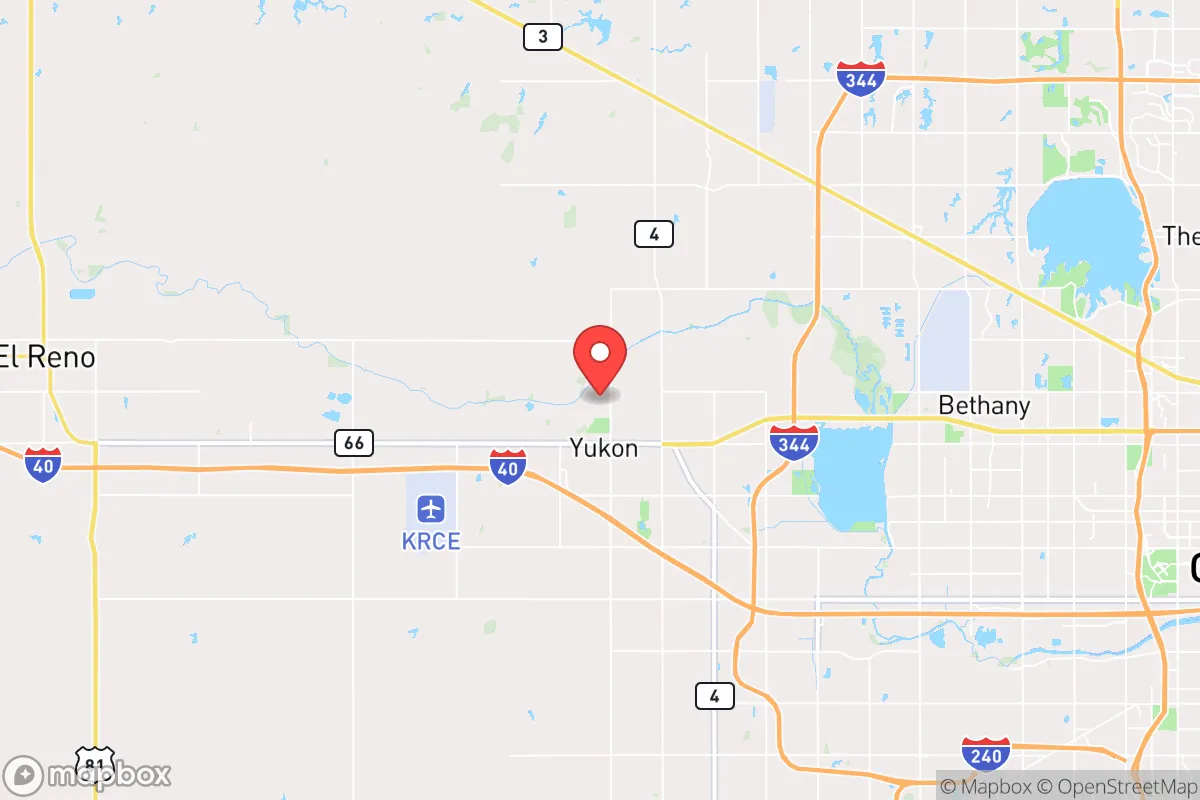
When you look at the map, Yukon sits in a fascinating spot. Head east into Oklahoma City proper, and you'll find precincts that are more competitive, even leaning Democratic in some areas, especially closer to downtown. But drive west to El Reno or south to Mustang, and you're in even deeper red territory. Yukon is the sweet spot—conservative, but not as isolated from the metro's diversity as some of the more rural towns. The contrast is sharpest with Norman, home to the University of Oklahoma, which has a much more progressive vibe. In Yukon, you don't get the same level of activism or the push for progressive social policies. It's a place where the "live and let live" attitude is still very much tied to traditional values and a healthy skepticism of government overreach.
What this means for residents
For the people who live here, the political climate translates directly into daily life. Taxes stay relatively low, and you don't see the city council pushing for expensive, top-down social programs. The school board, for instance, has consistently focused on core academics and parental rights, not on controversial curriculum shifts. Zoning and property rights are generally respected, meaning you're less likely to face bureaucratic headaches if you want to build a shop in your backyard or run a small business from home. The biggest concern among long-time residents is the slow creep of progressive ideas from the state capital. There's a constant vigilance to ensure that what happens in Oklahoma City doesn't get imposed on Yukon. Second Amendment rights are a given here, not a debate, and the local law enforcement is focused on public safety, not acting as social workers.
What this means for residents
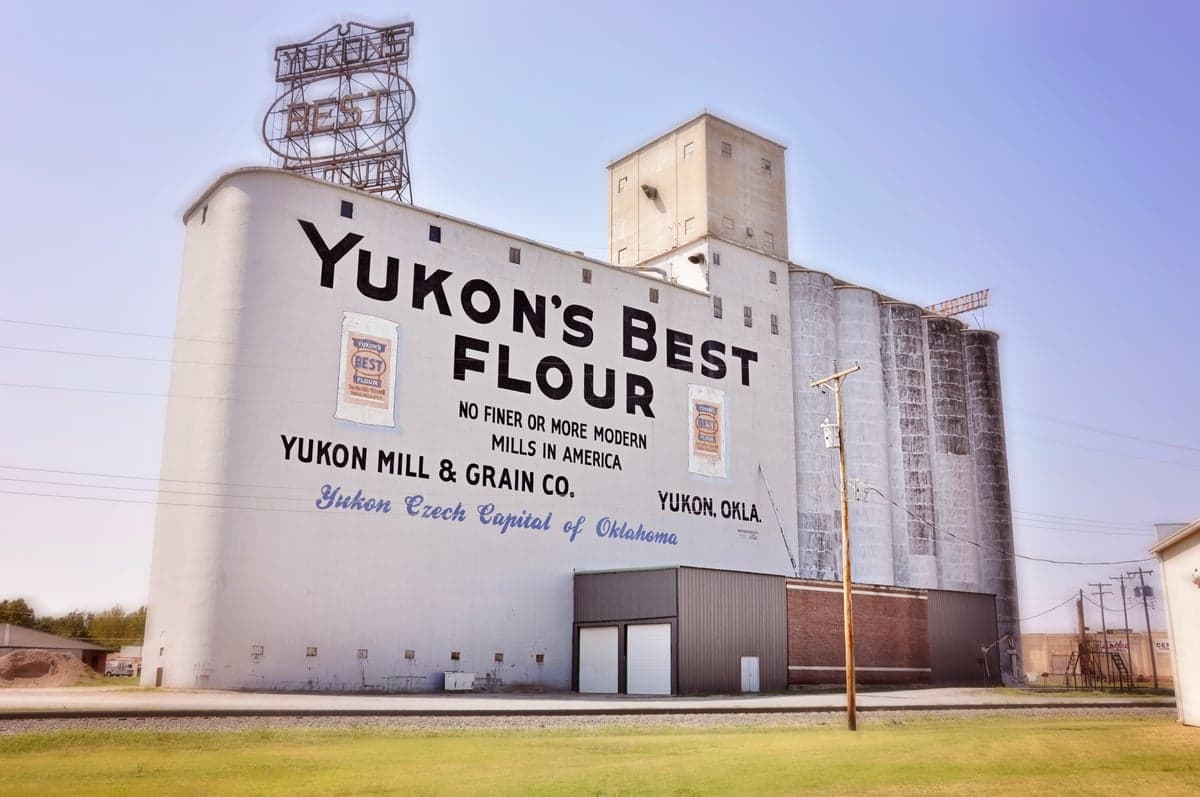
Looking ahead, the biggest cultural distinction is Yukon's fierce independence. You won't find a lot of "big government solutions" being championed at town halls. Instead, the community relies on churches, civic clubs, and neighbor-to-neighbor help. The annual Czech Festival is a perfect example—it's a celebration of heritage and community, not a government-funded event. The policy distinction that stands out most is the local government's hands-off approach to business. There's no push for a local minimum wage hike or burdensome regulations that would hurt the small businesses lining Main Street. If you're looking for a place where the government stays out of your way, your wallet, and your family's life, Yukon is still that place. Just keep an eye on the state legislature—that's where the real battles over personal freedoms are fought, and Yukon's voice is consistently on the side of less government, not more.

State Political ClimatePolitical Climate in Oklahoma
State Political AnalysisPolitical Environment in the State
Oklahoma has been a reliably red state for decades, with Republicans holding every statewide office and supermajorities in both legislative chambers. The state hasn't voted for a Democratic presidential candidate since 1964, and in 2024, Donald Trump carried it by over 34 points. But beneath that solid surface, the political climate is shifting in ways that matter for anyone considering a move here. The dominant coalition is a mix of rural conservatives, evangelical Christians, and oil-and-gas interests, but a growing influx of out-of-state transplants and a younger, more diverse population in the Oklahoma City and Tulsa metros are slowly nudging the state's trajectory. Over the last 10-20 years, Oklahoma has moved from a moderate red state to a deeply conservative one, but recent legislative battles suggest the fight over just how conservative it will stay is far from over.
Urban vs. rural divide
The political map of Oklahoma is a textbook case of the urban-rural split. Oklahoma City and Tulsa are the two blue-ish islands in a sea of red. Oklahoma County (Oklahoma City) has trended Democratic in recent cycles, flipping from a 12-point Romney win in 2012 to a narrow Biden loss in 2020. Tulsa County is more competitive, but still leans Republican overall. The suburbs around both metros—places like Edmond, Norman, Broken Arrow, and Jenks—are where the real action is. Edmond and Broken Arrow are reliably conservative, but Norman, home to the University of Oklahoma, has a noticeable progressive undercurrent that shows up in local elections and city council races. Outside the I-35 and I-44 corridors, the state is deeply red. Counties like Texas County in the panhandle and McCurtain County in the southeast routinely vote 80%+ Republican. The rural-urban divide isn't just about party ID; it's about culture. Rural Oklahomans see the state as a bastion of traditional values, while urbanites increasingly push for more progressive policies on everything from criminal justice reform to LGBTQ rights. That tension is the central political story of the state right now.
Policy environment
Oklahoma's policy environment is aggressively conservative. There is no state income tax on retirement income, and the top marginal income tax rate was cut to 4.75% in 2024, with further cuts tied to revenue triggers. The state is a right-to-work state, has some of the weakest labor unions in the country, and has a regulatory posture that heavily favors oil and gas extraction. On education, the state passed a universal school voucher program in 2023 (HB 1935), allowing any student to use state funds for private or homeschool expenses. This was a major win for school choice advocates. Healthcare is a mixed bag: Oklahoma expanded Medicaid in 2021 via a ballot initiative (State Question 802), which was a rare progressive victory, but the state has also passed strict abortion bans, including a near-total ban with no exceptions for rape or incest (SB 612, 2022). Election laws have tightened: voter ID is required, and in 2023 the legislature passed a law requiring proof of citizenship to register (SB 440), which is currently being challenged in court. For a conservative family, the policy environment is largely favorable, but the Medicaid expansion and the ongoing fight over marijuana legalization (medical is legal, recreational failed in 2024) show that the state is not a monolith.
Trajectory & freedom
On the freedom front, Oklahoma has been a mixed bag. The good news for conservatives: constitutional carry (permitless carry of firearms) has been law since 2019, and the state has a strong castle doctrine. Parental rights were bolstered in 2022 with HB 1775, which banned the teaching of critical race theory and certain gender identity concepts in public schools. The state also passed a law in 2023 (SB 615) requiring schools to notify parents if their child requests a name or pronoun change. On medical freedom, Oklahoma was one of the first states to ban COVID-19 vaccine mandates for state employees and contractors (SB 658, 2021). But there are concerning trends. The state's Medical Marijuana Authority has been a bureaucratic nightmare, with heavy regulation and high licensing fees that many small growers say stifle the market. More troubling is the Oklahoma State Bureau of Investigation's increasing involvement in local law enforcement, which some see as a creeping centralization of police power. And while the state talks a big game on limited government, property taxes have crept up in fast-growing suburbs like Mustang and Piedmont, driven by school bond issues that voters often approve. The trajectory is toward more cultural conservatism, but also more state-level control over local decisions, which is a red flag for anyone who values true local autonomy.
Civil unrest & political movements
Oklahoma has not seen the kind of large-scale civil unrest seen in Portland or Seattle, but there have been flashpoints. The 2020 George Floyd protests in Oklahoma City and Tulsa were significant, with the Tulsa protests drawing national attention given the city's history of the 1921 Race Massacre. Those protests were largely peaceful, but there were instances of property damage and clashes with police. On the right, the Oklahoma Second Amendment Association is a powerful grassroots force, and the state has seen periodic "open carry" rallies at the state capitol. Immigration politics are less heated than in border states, but Oklahoma Governor Kevin Stitt has sent National Guard troops to Texas under Operation Lone Star, and the legislature passed a law in 2024 (HB 4156) requiring law enforcement to check immigration status during routine stops, which has drawn criticism from civil liberties groups. Election integrity remains a hot topic. The 2020 election in Oklahoma was not seriously contested, but the legislature has passed multiple bills to tighten voting procedures, including the proof-of-citizenship law. There is a small but vocal "Oklahoma Freedom Caucus" in the legislature that pushes for nullification of federal laws, particularly on gun control and environmental regulations. A new resident would notice that political signs and flags are common in rural areas, and that local news is heavily focused on state-level politics rather than national drama.
Projection
Over the next 5-10 years, Oklahoma will likely become more conservative on cultural issues but may see a slow shift on economic ones. The in-migration from blue states—particularly California and Colorado—is real, especially in the Oklahoma City suburbs and the Tulsa metro. These newcomers tend to be more moderate on social issues but still fiscally conservative. The state's growing Hispanic population, concentrated in Oklahoma City's south side and the panhandle, is a wild card; while Hispanic voters in Oklahoma lean conservative, they are not a monolithic bloc. The biggest threat to the current conservative order is the state's chronic underfunding of public services. Oklahoma consistently ranks near the bottom in teacher pay, mental health funding, and infrastructure. If the state fails to address these issues, it could create a backlash among younger voters and suburban moderates. The most likely scenario is that Oklahoma remains a solid red state, but with a more competitive Republican primary and a more vocal libertarian wing pushing back against government overreach on issues like property rights and medical freedom. For a new resident, the bottom line is this: you will find a state that largely shares your values on guns, taxes, and family, but you will also encounter a political culture that is increasingly factionalized and where the fight over what "conservative" really means is just getting started.
For a conservative family or individual looking to relocate, Oklahoma offers a policy environment that is broadly aligned with traditional values—low taxes, strong gun rights, school choice, and a culture that respects faith and family. But don't expect a libertarian paradise. The state government is active in many areas of life, from regulating marijuana to mandating curriculum in schools. The key is to choose your community carefully. The rural areas and outer suburbs offer the most freedom from government overreach, while the urban cores are where you'll find the most progressive pressure. If you value local control and want to be part of a state that is still fighting over its identity, Oklahoma is a good bet. Just keep an eye on the legislature—what happens in Oklahoma City matters more here than in most states.
* Values derived from national, state, county, city and local statistics and may differ in a specific area. Last updated: 2026-04-21T11:42:44.000Z
Narrative content on this page is AI-generated and may contain mistakes. Verify any details that matter before acting on them.
ReloMaps may earn a commission from affiliate links at no extra cost to you.

