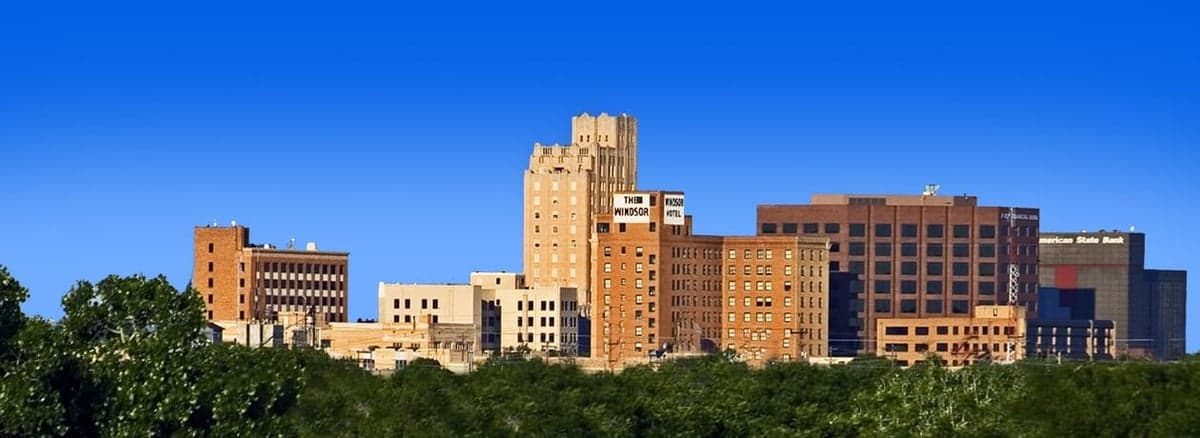
Photo: Wikipedia
Quality of Life in Abilene, TX
A high quality of life with strong walkability, manageable living costs, healthy neighborhood signals, and solid amenity access.
What does Quality of Life tell us?
Quality of Life blends cost of living, nearby amenities, socioeconomic signals, and neighborhood character. City-level scores represent the whole municipality; individual neighborhoods can differ.
What does this tell us?
Quality of Life blends cost of living, nearby amenities, socioeconomic signals, and neighborhood character. City-level scores represent the whole municipality; individual neighborhoods can differ.
Cost of Living
18% below national average
The Real Cost of Living in Abilene, TX for 2026
| Tier | Individual | Family (4) |
|---|---|---|
| Survival | $33k | $62k |
| Comfortable | $51k | $75k |
| Luxury | $113k+ | $176k+ |
| Elite (Top 5%) | $129k+ | $200k+ |
84%
The Area Signal
A metric tracking the socioeconomic signals of the area.


Hobbies
Explore the areaGroceries
5 within 10 miles
Gas
0 within 10 miles
Hospital
3 within 20 miles
Airport
SAN — San Angelo Regional
Post Office
USPS — Abilene, TX
Critical Amenities
Quality-of-Life Analysis
Abilene, Texas, offers a quality of life defined by modest affluence and a strong sense of community, attracting a mix of young families, military personnel connected to Dyess Air Force Base, and retirees seeking a slower pace. The city’s median household income of roughly $53,000 is below the national average, but the low cost of living means residents enjoy a comfortable standard of living that would be difficult to achieve in larger Texas metros. The population skews slightly older than the national median, with a notable presence of students from Abilene Christian University, Hardin-Simmons University, and McMurry University, giving the city a blend of college-town energy and established family life.
How Abilene’s cost of living and housing compare to nearby cities
Abilene’s cost of living index sits at 82, meaning everyday expenses are roughly 18% below the U.S. average, a significant advantage over Texas cities like Austin (index ~105) or Dallas (index ~100). The median home value of $178,900 is dramatically lower than the Texas statewide median of roughly $300,000, making homeownership accessible for first-time buyers and those on fixed incomes. Median rent of $1,106 is about $400 less per month than the national median, and the average commute of just 15 minutes is one of the shortest in the state, slashing transportation costs and freeing up time for family or recreation. Compared to nearby San Angelo (median home ~$195,000) or Sweetwater (median home ~$140,000), Abilene strikes a balance between affordability and access to amenities, though property taxes in Taylor County can be higher than in some rural surrounding areas.
What daily life is like for families and professionals in Abilene
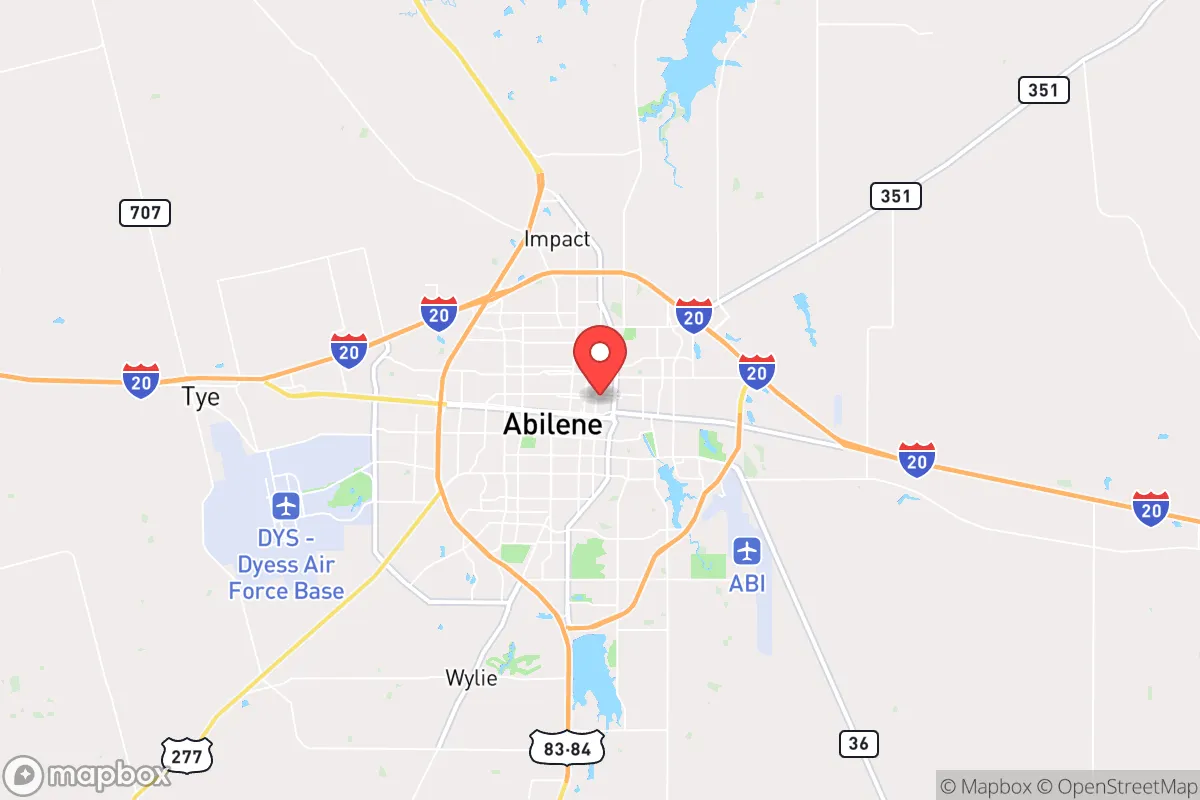
Daily life in Abilene revolves around a compact, walkable downtown core anchored by the historic Paramount Theatre and the Grace Museum, alongside a growing number of local breweries and farm-to-table restaurants. The Abilene Independent School District serves most families, with standout campuses like Abilene High School and Cooper High School offering strong athletics and fine arts programs, while private options include Abilene Christian Schools and St. John’s Episcopal School. For outdoor recreation, the city maintains over 30 parks, including the 500-acre Nelson Park with its zoo and fishing lake, and the nearby Lake Fort Phantom Hill provides boating and camping within a 15-minute drive. Healthcare is robust for a city this size, anchored by Hendrick Medical Center and Abilene Regional Medical Center, which together cover most specialties. The city’s rhythm is unhurried but not sleepy—weekends see packed farmers markets and high school football games, while weekday traffic is negligible, reinforcing the short commute advantage.
Abilene is best suited for those who prioritize affordability, community connection, and a slower pace over the career density and nightlife of a major metro. Young families will find excellent value in housing and schools, while military families at Dyess Air Force Base benefit from the short commute and supportive local culture. Retirees and remote workers can stretch their income further here than in almost any other Texas city, though those seeking high-end dining, frequent cultural events, or a diverse job market outside of healthcare, education, and the base may find the options limited. For anyone tired of traffic and high rents, Abilene offers a grounded, low-stress alternative that still keeps major cities like Fort Worth and Dallas within a 2.5-hour drive for weekend trips.

Crime in Abilene, TX
Crime rates similar to the national median for U.S. locations.
Violent CrimeViolent Crime Analysis
Property CrimeProperty Crime Analysis
Crime Analysis
Abilene, Texas, presents a mixed safety profile for potential residents. The city’s overall crime rate is elevated compared to national averages, though it remains lower than many similarly sized Texas cities. With a violent crime rate of 414.9 incidents per 100,000 residents and a property crime rate of 1,575.2 per 100,000, understanding the local context and neighborhood-level variation is essential for anyone considering a move.
Crime in context
Abilene’s violent crime rate of 414.9 per 100,000 is approximately 18% higher than the national average and notably above the Texas state average of roughly 445 per 100,000. Property crime in Abilene, at 1,575.2 per 100,000, is about 10% higher than the national rate but significantly lower than the Texas state average of approximately 2,200 per 100,000. This places Abilene in a middle tier among Texas cities: safer than larger metros like Dallas or Houston, but with a higher violent crime rate than many smaller West Texas communities. The city’s justice system, operating under conservative leadership in Taylor County, generally avoids the progressive prosecutorial policies seen in some large metro areas, which can contribute to more consistent enforcement and sentencing.
What residents experience
Residents most commonly encounter property crimes such as theft, burglary, and motor vehicle theft. These incidents are concentrated in commercial corridors and areas with higher rental density. Violent crimes, including aggravated assault and robbery, are less frequent but tend to occur in specific pockets rather than uniformly across the city. The Abilene Police Department maintains a visible presence and has implemented community policing initiatives, though response times can vary in outlying areas. The city’s political and judicial climate is generally conservative, with local district attorneys and judges taking a firm stance on violent offenses. This contrasts sharply with large metro areas where progressive district attorneys may prioritize diversion programs over incarceration, a policy that critics argue can lead to higher recidivism and more victims. In Abilene, the focus remains on public safety and victim rights, which many residents view as a positive factor in their daily sense of security.
Neighborhood-level safety varies considerably. Areas near Abilene Christian University and the Wylie school district, particularly in the southern and western parts of the city, report lower crime rates. Conversely, neighborhoods east of Treadaway Boulevard and around the downtown core see higher concentrations of both property and violent crime. The city’s overall safety is bolstered by a strong sense of community and active neighborhood watch programs, but newcomers should research specific blocks and apartment complexes rather than relying solely on citywide averages. For those seeking a conservative legal environment with lower property crime than much of Texas, Abilene represents a reasonable choice, though vigilance in higher-crime zones remains necessary.
* Values derived from national, state, county, city and local statistics and may differ in a specific area. Last updated: 2026-04-15T13:58:58.000Z
Narrative content on this page is AI-generated and may contain mistakes. Verify any details that matter before acting on them.
ReloMaps may earn a commission from affiliate links at no extra cost to you.

