Photo: Wikipedia
Find The Best Places To Live
in Salida
PRO TIP! You can paste a Zillow or Redfin link to get info on that property.
What It's Like Living in Salida, CO
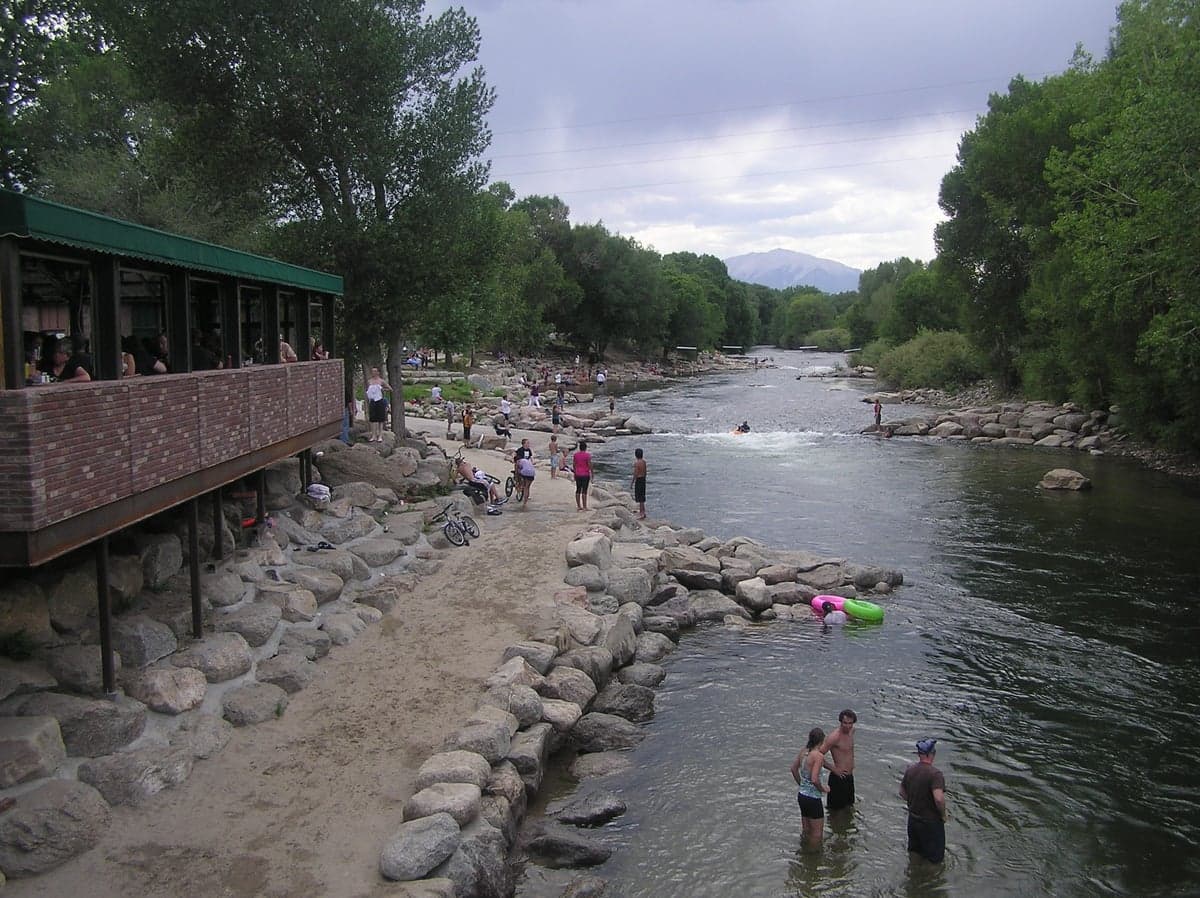
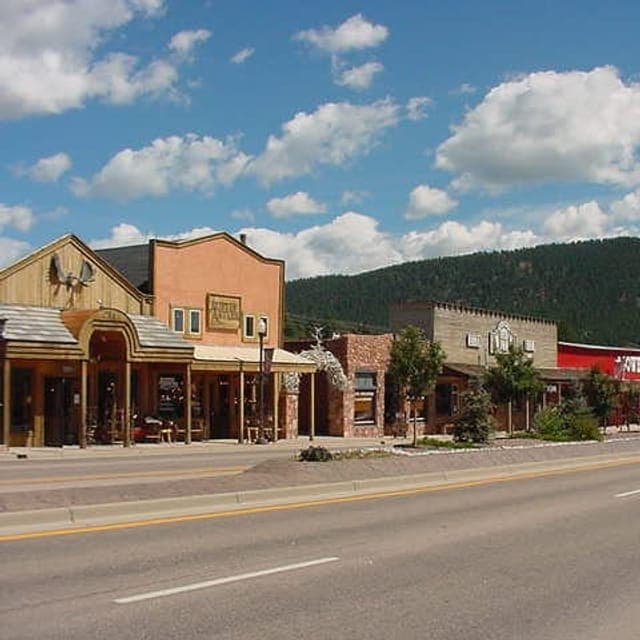
Salida, Colorado, is one of those towns that feels like it was designed for people who want to be outside more than they want to be anywhere else. It’s a small, gritty-meets-granola community of about 5,786 people, tucked along the Arkansas River at the edge of the San Isabel National Forest, where the main drag—F Street—still has a working railroad track running down the middle. The vibe is less polished ski town and more working-class river town with a serious outdoor recreation habit, and that distinction matters a lot for anyone considering a move here.
The Daily Rhythm: River Time and Main Street Mornings
Life in Salida moves at a pace dictated by the seasons and the river. On a typical weekday, you’ll see folks grabbing coffee at Brick Oven Pizzeria & Pub or Moonlight Pizza & Brewpub before heading to work—many in tourism, guiding, healthcare, or remote tech jobs. The average commute is about 25 minutes, which is longer than you’d expect for a town this size, largely because people live in the surrounding valleys or commute up from Buena Vista or Poncha Springs. The median age here is 43.1, and with 56.1% of adults holding a college degree, you get a mix of second-career transplants, remote workers, and locals who’ve been here for generations. Weekends are for the river: rafting the Arkansas through Browns Canyon, fly-fishing the tailwaters, or mountain biking the extensive trail network at the Salida Mountain Park. In winter, the rhythm shifts to skiing at Monarch Mountain (about 20 minutes up the pass) or snowshoeing the Rainbow Trail. The median household income sits at $69,773, which is modest for Colorado’s mountain towns, but the cost of living index of 164 (well above the national average of 100) means that money doesn’t stretch as far as you’d hope.
What’s There to Do: Festivals, Bars, and the River
Salida punches well above its weight in entertainment for a town of 5,700. The big annual event is FIBArk (First in Boating on the Arkansas), a whitewater festival that’s been running since 1949 and draws thousands for boat races, concerts, and a general riverfront party. Other staples include the Salida Art Walk on First Fridays, the Colorado Brewers’ Festival, and the Salida Wine & Food Festival. For nightlife, locals gravitate to The Victoria Tavern (a historic saloon with a solid jukebox), The Laughing Ladies’ Good Food & Drink for craft cocktails, or Boathouse Cantina for riverside margaritas. The Salida SteamPlant event center hosts concerts, theater, and community meetings. Outdoor options are the real draw: the Arkansas River runs right through town, the Salida Hot Springs Aquatic Center offers year-round soaking, and the Monarch Crest Trail is a bucket-list mountain bike ride. For families, the Salida School District R-32 is a point of pride—small class sizes, strong outdoor education programs, and a community that shows up for high school sports. The Salida Spartans (football, volleyball, basketball) draw solid crowds on Friday nights, and the local youth soccer and rafting leagues keep kids busy year-round.
Who Fits In—and Who Doesn’t
Salida works best for people who are self-sufficient, outdoorsy, and comfortable with a slower social pace. It’s a good fit for remote workers who can handle the high housing costs (median home value: $583,400) and for families who want their kids growing up on the river rather than in a subdivision. The town leans left politically in a county that’s more mixed, so conservative-leaning residents will find plenty of like-minded neighbors in the surrounding ranch communities and in the local gun culture (there’s a strong shooting range and hunting presence). What frustrates longtime residents is the affordability squeeze: wages haven’t kept up with home prices, and many locals work two or three jobs to stay. The violent crime rate is very low at 49.3 per 100,000 (about a third of the national average), but property crime—especially bike and car break-ins—is a real annoyance, particularly near the downtown corridor. Traffic is almost nonexistent by city standards, though Highway 50 can back up during summer weekends with rafting traffic. Winters are cold but sunny, with about 50 inches of snow annually; summers are warm and dry, with afternoon thunderstorms common.
Pros and Cons of Living Here
- Pro: World-class outdoor access right out your back door—river, trails, skiing, and hot springs all within 20 minutes.
- Con: Housing is brutally expensive for the local wage base; median home values near $600,000 push many workers into long commutes or shared housing.
- Pro: Strong sense of community—people know each other, and there’s a genuine small-town feel with real festivals and traditions.
- Con: Limited job diversity outside tourism, guiding, healthcare, and remote work; few large employers beyond the school district and local government.
- Pro: Low violent crime and a safe environment for kids to roam and play outside.
- Con: Property crime (theft from cars, bike theft) is a persistent nuisance, especially near downtown and trailheads.
- Pro: The schools are a community hub, with strong parent involvement and outdoor-based curricula.
- Con: Winters can feel long and isolating if you don’t ski or snowshoe—social life slows down significantly from November to March.
Salida isn’t for everyone. It’s for people who don’t mind driving 25 minutes for a grocery run, who see a 50-inch snow season as an opportunity rather than a hassle, and who value a town where the local raft guide might also be your neighbor and your kid’s soccer coach. If that sounds like you, it’s worth a serious look—just bring a realistic budget and a good pair of hiking boots.

Similar small towns to Salida
* Values derived from national, state, county, city and local statistics and may differ in a specific area. Last updated: 2026-05-16T10:00:57.000Z
Narrative content on this page is AI-generated and may contain mistakes. Verify any details that matter before acting on them.
ReloMaps may earn a commission from affiliate links at no extra cost to you.

