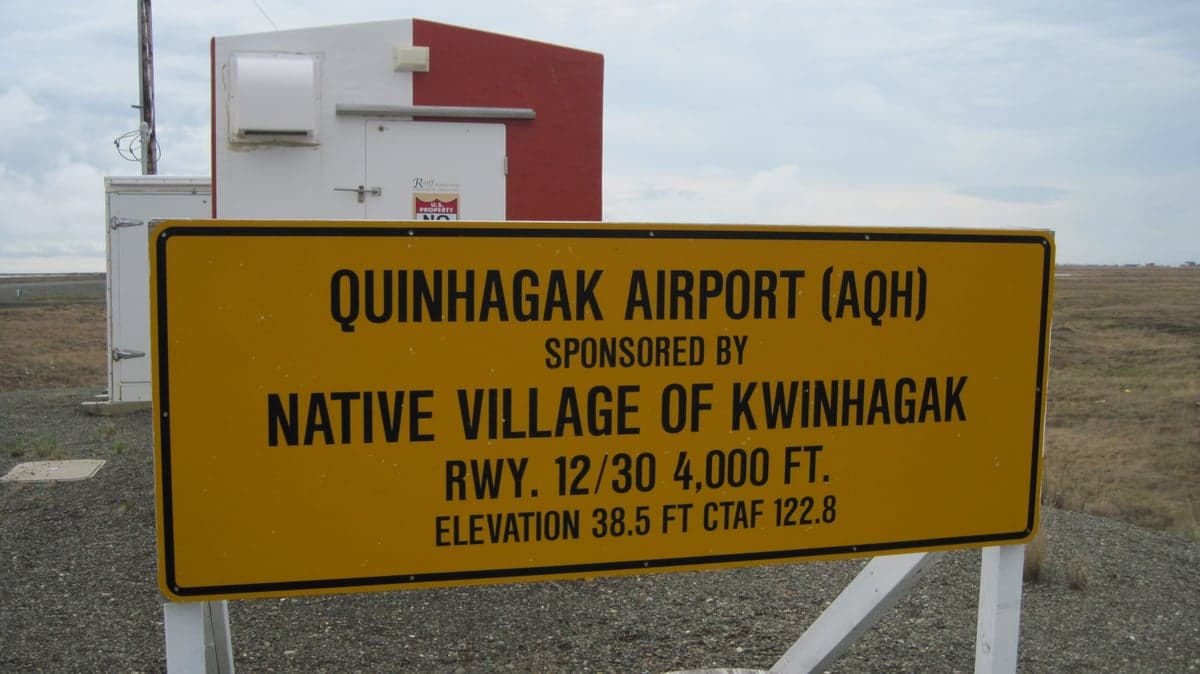
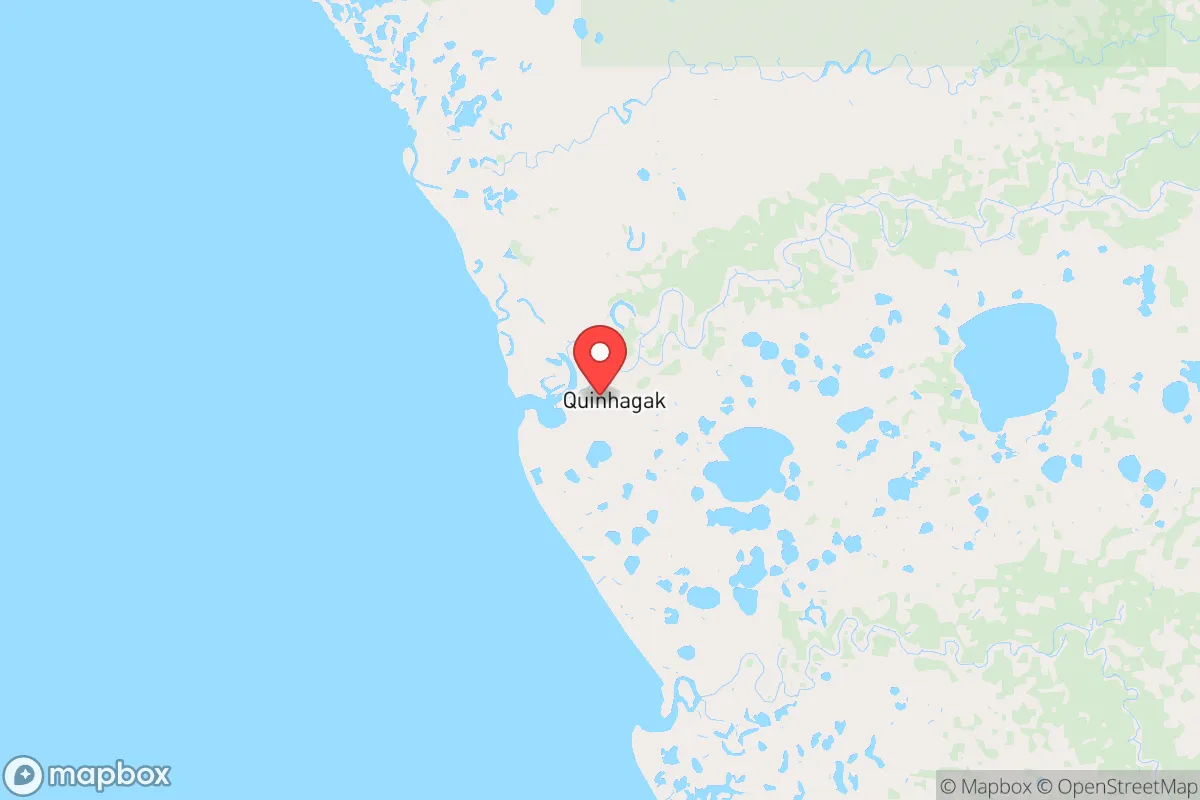
Photo: Wikipedia
Find The Best Places To Live
in Quinhagak
PRO TIP! You can paste a Zillow or Redfin link to get info on that property.
What It's Like Living in Quinhagak, AK
Living in Quinhagak, Alaska, feels less like a typical American town and more like a tightly woven extended family camp where the Yup’ik culture sets the rhythm of life. With just 1,302 residents and a median age of 25.4, this is a young, subsistence-oriented community on the Bering Sea coast where daily life is shaped by the river, the tundra, and the seasons rather than by traffic lights or strip malls. If you’re considering a move here, you’re not looking for convenience — you’re looking for a place where community survival depends on cooperation, and where the nearest road to another town simply doesn’t exist.
Daily Rhythm in a Coastal Village
Life in Quinhagak revolves around the Kanektok River and the Bering Sea. Most households still rely on subsistence fishing and hunting — salmon, moose, and seal are staples, not hobbies. The work week is a mix of jobs at the local school, the tribal council (Qanirtuuq, Inc.), or the commercial fishing industry, but the average commute is just over four minutes, meaning you’re never far from home or the riverbank. The cost of living index sits at 46 — half the U.S. average — but that low number hides a reality: a gallon of milk can cost $8 or more when it arrives by barge or plane. People shop at the local AC store for basics, but most families order bulk goods from Anchorage or Bethel. Weekends are often spent checking nets, repairing snow machines, or gathering with extended family for potlucks and storytelling. There are no movie theaters, no chain restaurants, and no bars in the usual sense — the community center and the school gym are the social hubs.
Who Fits In and Who Doesn’t
Quinhagak is not for someone looking for career advancement, nightlife, or privacy. The kind of person who thrives here is someone who values self-reliance and community interdependence equally — a teacher, a health aide, a commercial fisherman, or a parent who wants their kids to grow up speaking Yup’ik and knowing how to process a seal. The median household income is $48,594, and with a median home value of just $35,000, housing is astonishingly affordable by Alaskan standards — but those homes are often small, aging, and in need of maintenance. Only 2.6% of adults hold a college degree, which reflects both the remote reality and the fact that traditional knowledge is valued as highly as formal education. Single parents will find a village that genuinely looks out for kids, but also one where gossip travels fast and privacy is scarce. Conservative-leaning residents will appreciate the strong family structures, the emphasis on self-sufficiency, and the absence of urban social pressures — but they should also know that tribal governance and subsistence rights are central to local politics.
Sports, Festivals, and What People Actually Do for Fun
The Quinhagak Warriors — the local high school basketball team — are a very big deal. Games against rival villages like Kwigillingok or Tuntutuliak pack the school gym, and the entire community turns out for tournaments. Basketball is the dominant sport, but traditional Yup’ik dancing and blanket toss games are just as important, especially during the annual Camai Dance Festival in spring, which draws dancers from across the Yukon-Kuskokwim Delta. There are no music venues or bars, but the community hosts bingo nights, potlatches, and school plays. Outdoor life is the real entertainment: snowmachining in winter, berry picking in late summer, and fishing for king salmon in June. The Quinhagak Archeological Site, a pre-contact village being eroded by the river, is a point of pride and a reminder that people have lived here for centuries. For a change of scenery, residents fly to Bethel (the regional hub) or take a boat upriver to fish camp.
Honest Pros and Cons of Village Life
- Pro: Deep community bonds. Neighbors help without being asked. If your freezer breaks, someone shares their catch. Kids roam safely and are watched by everyone.
- Pro: Low housing costs. A $35,000 median home value means you can own a home outright after a few years of work, something nearly impossible in the Lower 48.
- Pro: Rich cultural identity. Yup’ik language and traditions are alive here — your kids will learn to fish, hunt, and dance in ways that are disappearing elsewhere.
- Con: Extreme isolation. No roads connect Quinhagak to the outside world. Everything comes by plane or barge. Medical emergencies require a medevac to Bethel or Anchorage.
- Con: High violent crime rate. At 726.6 per 100,000, the rate is significantly above the national average. Much of this is tied to alcohol and domestic disputes in a community with limited law enforcement presence.
- Con: Limited economic opportunity. Jobs are scarce and mostly in government, education, or tribal enterprises. The median income of $48,594 is decent for the area, but career growth is nearly nonexistent without leaving.
- Con: Harsh weather. Winter lasts from October to May, with wind chills that can drop to -50°F. Summer brings mosquitoes and mud. Seasonal affective disorder is real here.
Quinhagak is a place where you trade convenience for connection, and where the biggest frustration for longtime residents isn’t the weather or the isolation — it’s watching young people leave for school or jobs and not return. The village is proud, resilient, and deeply traditional, but it’s also a place that demands you pull your weight. If you’re looking for a quiet, affordable life grounded in subsistence and community, and you can handle the logistical and emotional weight of living off the road system, Quinhagak offers something rare: a real, functioning village where everyone knows your name and your grandmother’s name too.

Similar small towns to Quinhagak
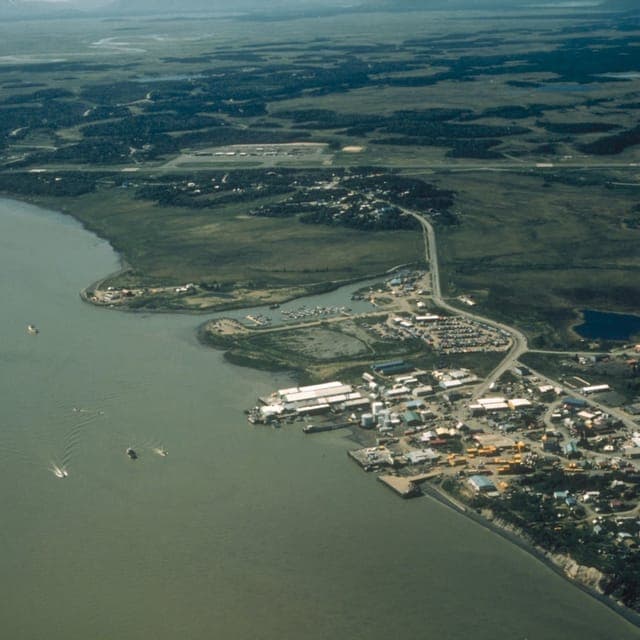
* Values derived from national, state, county, city and local statistics and may differ in a specific area. Last updated: 2026-04-19T19:34:55.000Z
Narrative content on this page is AI-generated and may contain mistakes. Verify any details that matter before acting on them.
ReloMaps may earn a commission from affiliate links at no extra cost to you.

