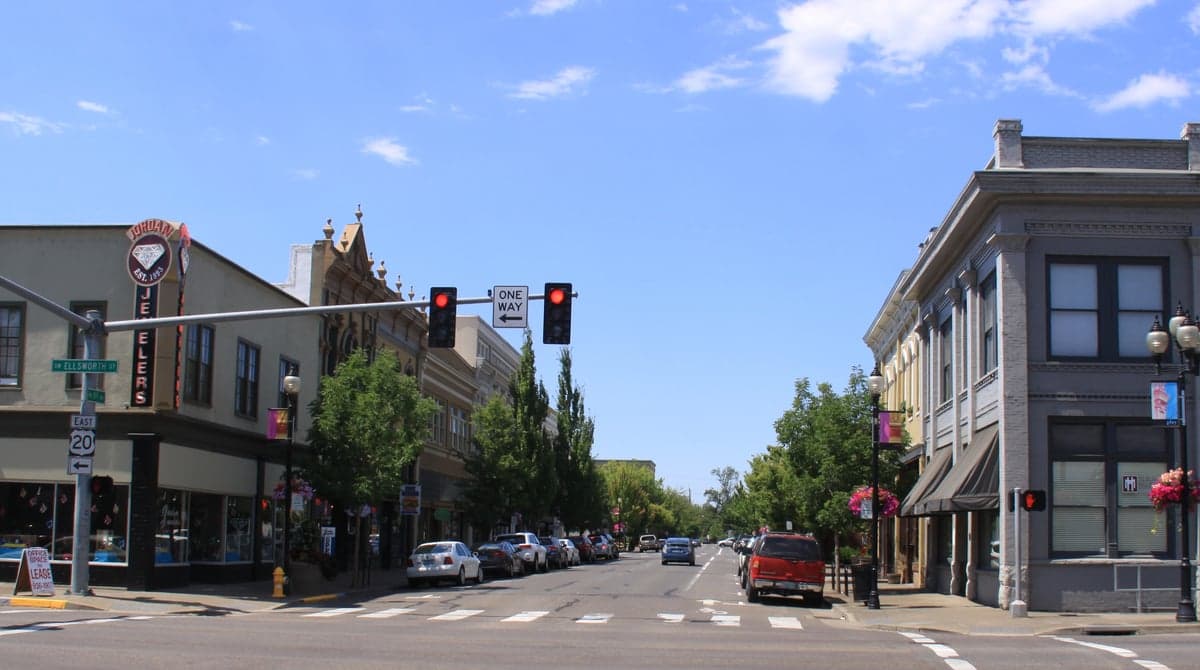
Photo: Wikipedia
Quality of Life in Albany, OR
A high quality of life with strong walkability, manageable living costs, healthy neighborhood signals, and solid amenity access.
What does Quality of Life tell us?
Quality of Life blends cost of living, nearby amenities, socioeconomic signals, and neighborhood character. City-level scores represent the whole municipality; individual neighborhoods can differ.
What does this tell us?
Quality of Life blends cost of living, nearby amenities, socioeconomic signals, and neighborhood character. City-level scores represent the whole municipality; individual neighborhoods can differ.
Cost of Living
18% above national average
The Real Cost of Living in Albany, OR for 2026
| Tier | Individual | Family (4) |
|---|---|---|
| Survival | $21k | $39k |
| Comfortable | $69k | $101k |
| Luxury | $105k+ | $163k+ |
| Elite (Top 5%) | $124k+ | $192k+ |
73%
The Area Signal
A metric tracking the socioeconomic signals of the area.
Hobbies
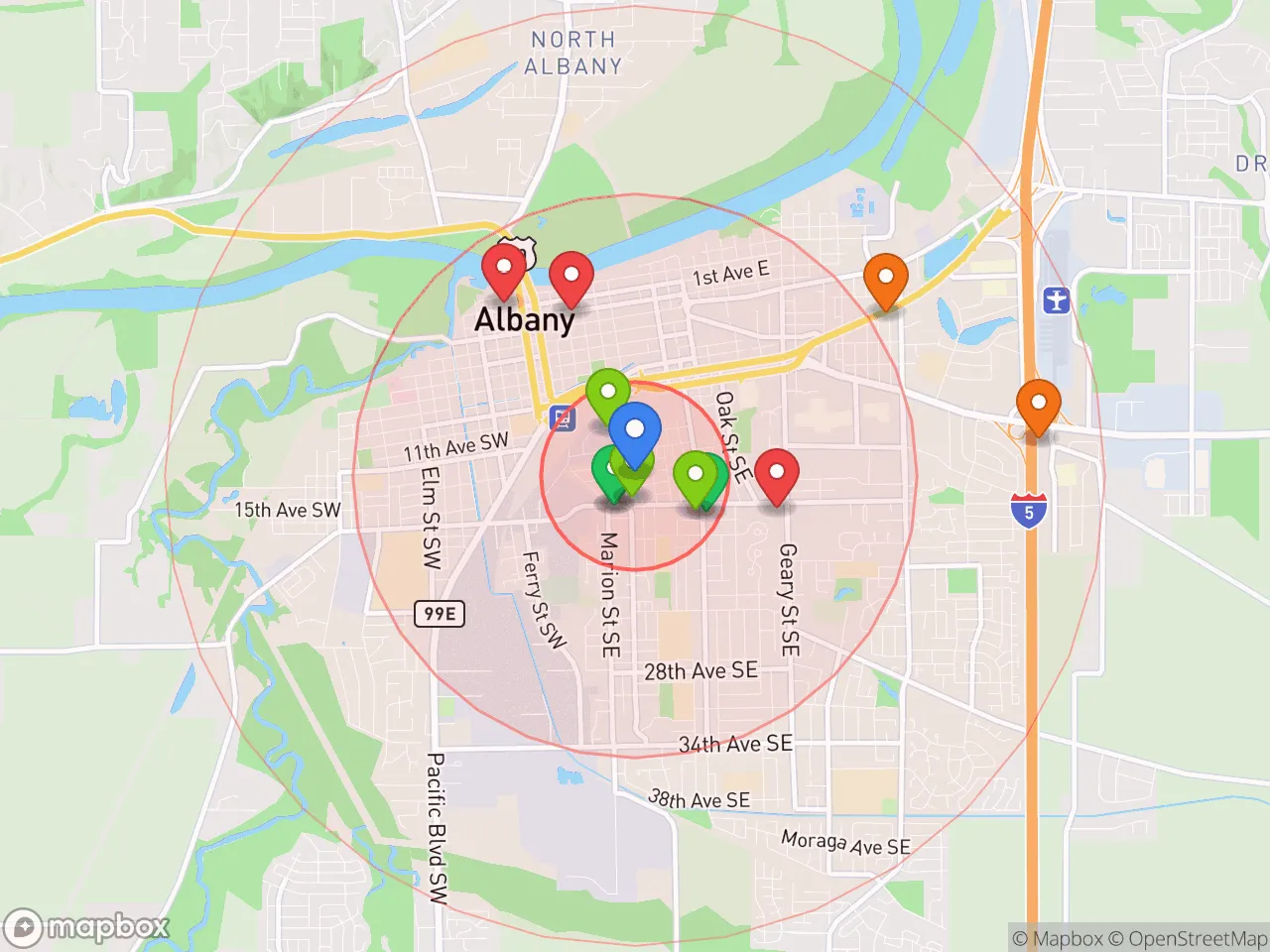
Explore the areaGroceries
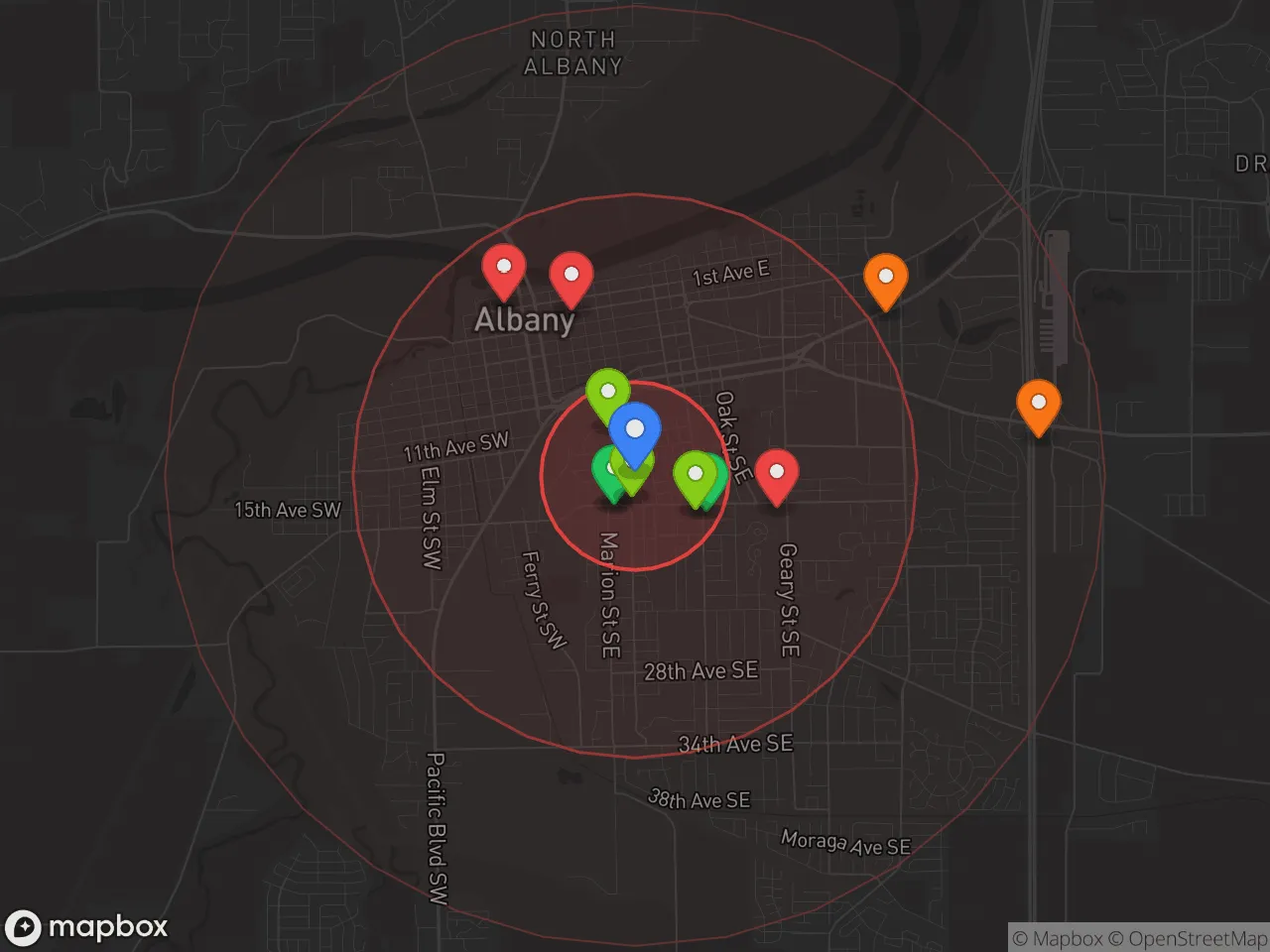
8 within 10 miles
Gas
20 within 10 miles
Hospital
4 within 20 miles
Airport
PDX — Portland International
Post Office
USPS — Albany, OR
Critical Amenities
Quality-of-Life Analysis
Albany, Oregon, presents a quality of life defined by middle-to-upper-middle-class stability, with a cost of living index of 118 (18% above the U.S. average) that reflects its position as a more affordable alternative to the Portland metro area while remaining pricier than rural Willamette Valley towns. The city’s population skews toward families, long-term residents, and commuters who work in nearby Corvallis or Salem, drawn by a balance of modest urban amenities and access to outdoor recreation. With a median home value of $352,900 and median rent of $1,311, Albany offers a tangible step up in housing affordability compared to Corvallis (where median home values exceed $450,000) while maintaining a slower, more predictable daily rhythm than larger cities.
Cost of living, housing affordability, and how Albany compares to nearby cities
Albany’s cost of living is driven primarily by housing, which is the largest factor in its 118 index score. The median home value of $352,900 is roughly 15% lower than Corvallis’s median and about 30% lower than Salem’s, making it a practical choice for buyers seeking a detached single-family home without a six-figure mortgage. Renters face a median of $1,311, which is below the national average for similarly sized metro areas and significantly cheaper than Portland’s median rent of over $1,600. However, utility costs in Albany are slightly above the national average due to the region’s reliance on natural gas for heating, and grocery prices track closely with the Oregon statewide average. The average commute of 20.5 minutes is notably shorter than the national average of 26 minutes, a direct benefit of Albany’s position along Interstate 5 and its proximity to employment hubs in Corvallis (home to Oregon State University) and the state government offices in Salem. For households earning the area’s median income of roughly $65,000, the housing cost burden remains manageable, though first-time buyers may still need to stretch for a down payment in the current market.
Amenities, schools, and what daily life feels like for families and professionals
Daily life in Albany centers on a compact downtown with a historic carousel, the Albany Regional Museum, and a growing number of farm-to-table restaurants and breweries, such as Calapooia Brewing and The Depot. The Greater Albany Public School District serves most families, with standout elementary schools like Periwinkle and Takena, though high school performance metrics are mixed compared to Corvallis’s top-rated schools. For outdoor recreation, residents have direct access to the Willamette River via the 2.5-mile Davey Memorial Trail and nearby parks like Timber-Linn Memorial Park, which hosts community events. The city lacks a major hospital within its limits—most serious medical needs are referred to Samaritan Albany General Hospital or to Corvallis’s Good Samaritan Regional Medical Center, about 15 minutes south. Retail and dining options are sufficient for daily needs, but residents often drive to Corvallis for specialty shopping or to Salem for larger entertainment venues. The rhythm of life is notably quieter than in Portland, with fewer traffic jams and a stronger sense of neighborhood identity, though nightlife is limited to a handful of bars and live music venues.
Albany is best suited for families, remote workers, and professionals who prioritize a short commute, affordable housing, and a slower pace over urban excitement. It appeals strongly to Oregon State University employees and state workers who want to live outside the higher-cost Corvallis or Salem markets while still having a 20-minute drive to work. Retirees on fixed incomes may find the cost of living manageable, especially if they own their home, but those seeking walkable urban density or top-tier medical facilities should look to Corvallis or Portland. For anyone who values a stable, middle-class lifestyle with easy access to the Willamette Valley’s wine country and Cascade Range recreation, Albany offers a pragmatic, low-friction base.

Crime in Albany, OR
Lower crime rates than 78% of comparable U.S. locations.
Violent CrimeViolent Crime Analysis
Property CrimeProperty Crime Analysis
Crime Analysis
Albany, Oregon, reports a violent crime rate of 158.8 incidents per 100,000 residents and a property crime rate of 1,528.4 per 100,000, placing it in a middle tier for safety within the Willamette Valley. While these figures are lower than those of nearby major cities like Portland or Salem, they still exceed the national average for property crime, which was roughly 1,954 per 100,000 in 2022. The city’s overall safety picture is shaped by its position as a smaller urban center within a larger, politically progressive metro region, a factor that influences local law enforcement and judicial approaches.
Crime in context
Albany’s violent crime rate of 158.8 per 100,000 is significantly below the national average of approximately 380 per 100,000 and also under the Oregon state average of about 280 per 100,000. However, its property crime rate of 1,528.4 per 100,000 sits just below the national average but above the Oregon state average of roughly 1,400 per 100,000. These numbers place Albany in a more favorable position than larger, more progressive cities in the region—such as Portland (which saw over 600 violent crimes per 100,000 in 2023) or Eugene—but still reflect a notable property crime challenge. The city’s location within Linn and Benton counties, both of which lean left politically, means that local district attorneys and judges often operate under progressive sentencing guidelines, which can result in shorter sentences and reduced incarceration rates for property and drug offenses. This judicial philosophy, while intended to reduce recidivism, can lead to more offenders cycling back onto the streets quickly, directly impacting property crime rates and public perception of safety.
What residents experience
For residents, the most tangible safety concern is property crime, particularly theft from vehicles, burglary, and shoplifting. Albany’s downtown core and areas near the Willamette River see higher concentrations of these incidents, while residential neighborhoods on the city’s east side generally report fewer problems. Violent crime is less common but does occur, often tied to domestic disputes or drug-related activity. The presence of a progressive district attorney in Linn County means that repeat property offenders frequently receive diversion programs or reduced charges, a reality that frustrates many homeowners and small business owners who feel the justice system prioritizes offender rehabilitation over victim restitution. Residents often report that police response times are adequate for emergencies but that follow-up on property crimes can be minimal due to limited resources and a focus on more serious offenses.
Neighborhood-level variation is notable: areas closer to the city’s industrial zones and along the Highway 20 corridor experience more crime, while newer subdivisions on the south and west edges of town are quieter. The Timber-Linn neighborhood and parts of downtown near the Amtrak station see elevated property crime, whereas the North Albany and Takena Landing areas are generally safer. Overall, Albany offers a moderate safety profile for a small city in a progressive metro region, but the property crime rate and the judicial environment are factors that potential residents should weigh carefully, especially if they prioritize low crime and a more traditional law-and-order approach.
* Values derived from national, state, county, city and local statistics and may differ in a specific area. Last updated: 2026-05-01T03:30:14.000Z
Narrative content on this page is AI-generated and may contain mistakes. Verify any details that matter before acting on them.
ReloMaps may earn a commission from affiliate links at no extra cost to you.

