 Popular
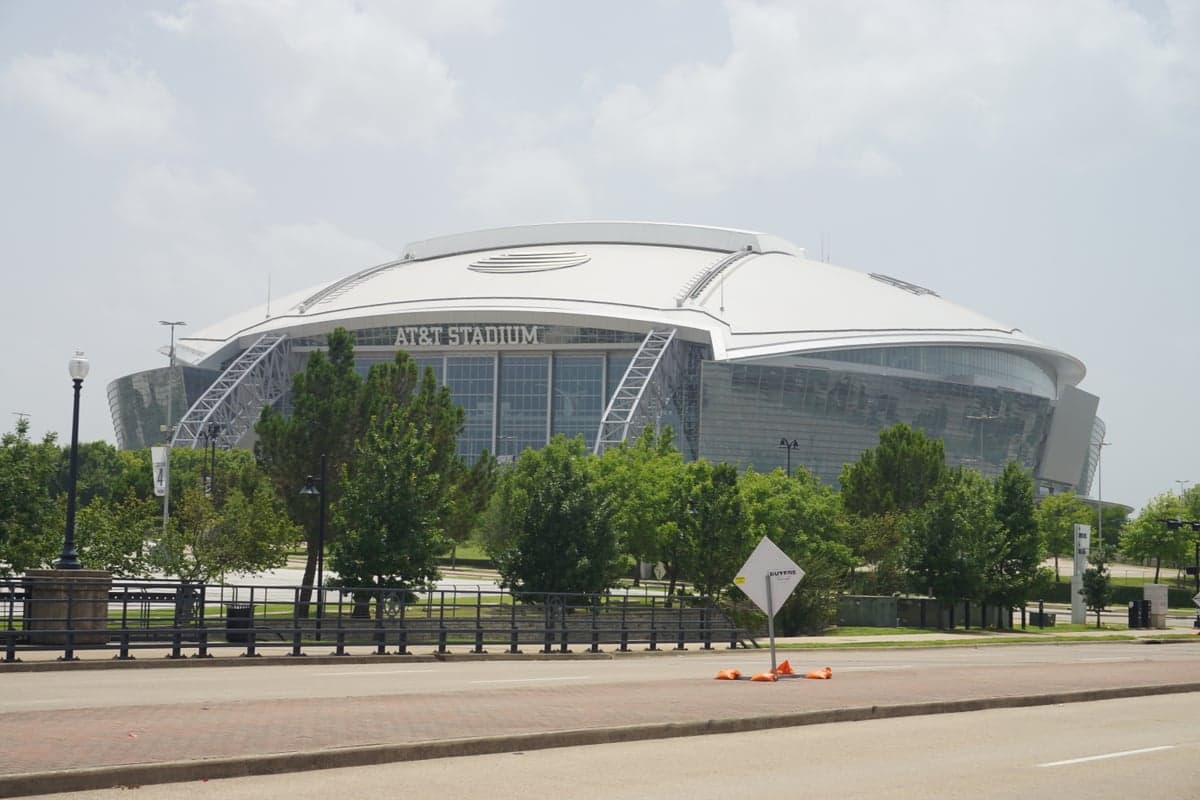
Photo: Wikipedia
Quality of Life in Arlington, TX
A high quality of life with strong walkability, manageable living costs, healthy neighborhood signals, and solid amenity access.
What does Quality of Life tell us?
Quality of Life blends cost of living, nearby amenities, socioeconomic signals, and neighborhood character. City-level scores represent the whole municipality; individual neighborhoods can differ.
What does this tell us?
Quality of Life blends cost of living, nearby amenities, socioeconomic signals, and neighborhood character. City-level scores represent the whole municipality; individual neighborhoods can differ.
Cost of Living
11% above national average
The Real Cost of Living in Arlington, TX for 2026
| Tier | Individual | Family (4) |
|---|---|---|
| Survival | $22k | $42k |
| Comfortable | $54k | $79k |
| Luxury | $125k+ | $194k+ |
| Elite (Top 5%) | $147k+ | $229k+ |
93%
The Area Signal
A metric tracking the socioeconomic signals of the area.
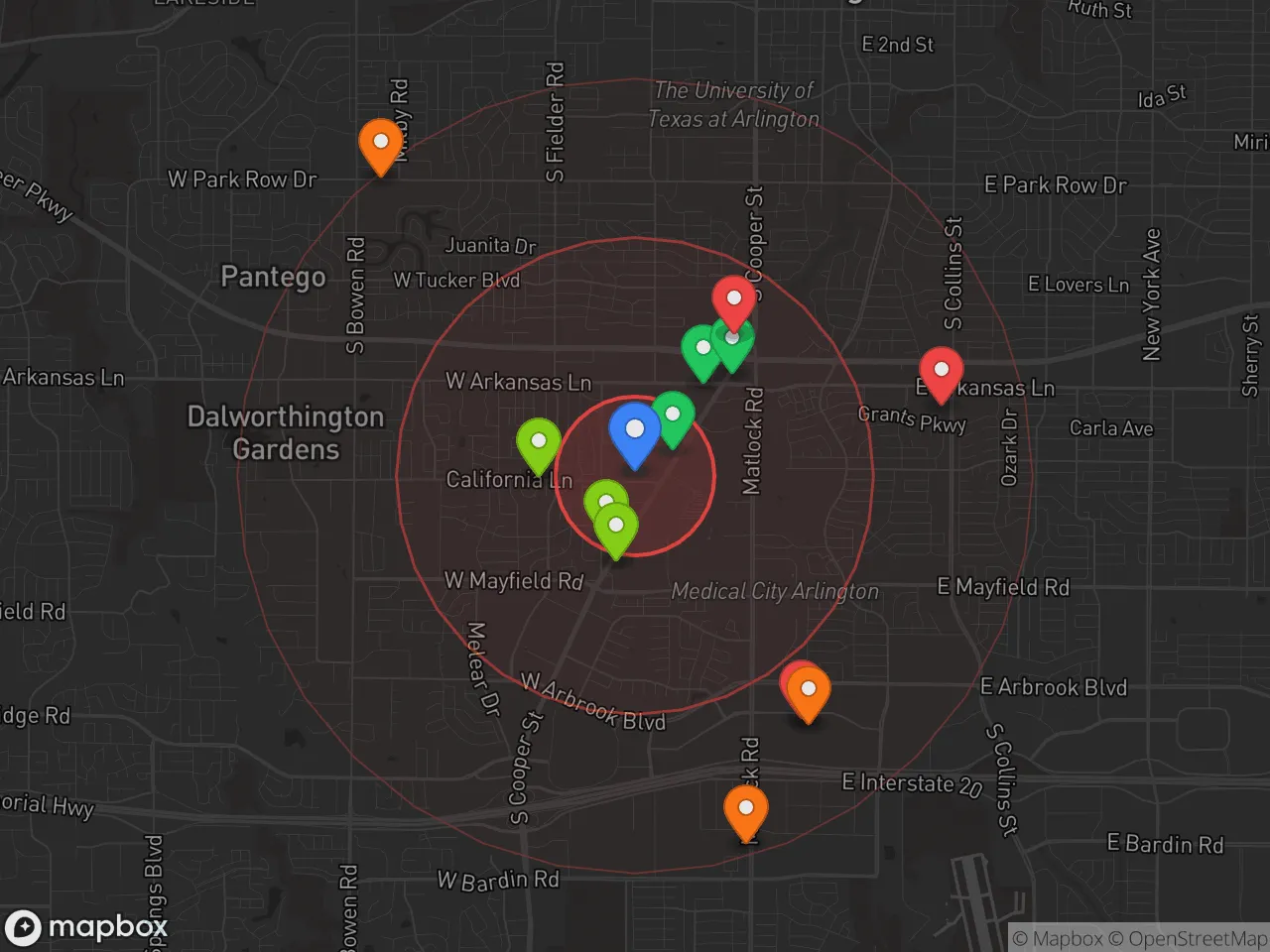
Hobbies
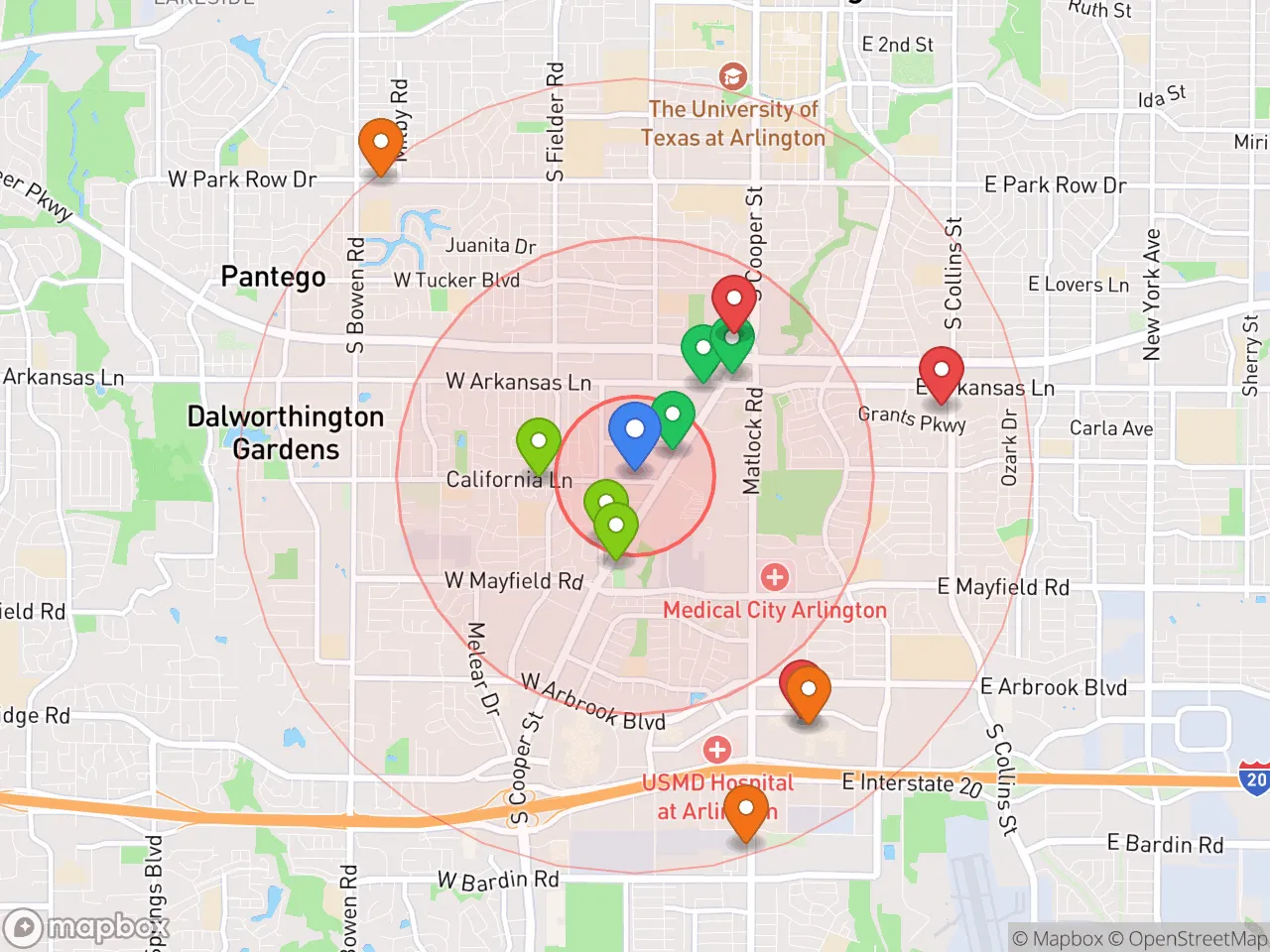
Explore the areaGroceries
8 within 10 miles
Gas
20 within 10 miles
Hospital
20 within 20 miles
Airport
DFW — Dallas/Fort Worth International
Post Office
USPS — Arlington, TX
Critical Amenities
Quality-of-Life Analysis
Arlington, Texas, occupies a distinctive middle ground in the Dallas-Fort Worth metroplex, offering a cost of living that is 11% above the national average (index of 111) while remaining significantly more affordable than Dallas proper or nearby Plano. The city’s 400,000 residents form a diverse mix of families drawn to its top-tier entertainment districts, young professionals employed by the region’s logistics and manufacturing sectors, and long-time locals who have watched the city transform around the University of Texas at Arlington and the sprawling entertainment complex anchored by AT&T Stadium and Globe Life Field.
How housing costs and affordability compare to nearby cities
Arlington’s housing market provides a clear affordability advantage over its northern neighbors. The median home value sits at $276,400, which is roughly $100,000 less than the median in Frisco and about $70,000 less than in Plano. Median rent of $1,389 similarly undercuts those cities by $200–$400 per month. However, Arlington is not a bargain-basement market; its cost of living index of 111 reflects higher-than-average utility and transportation costs. The average commute of 26.7 minutes is slightly below the DFW regional average of 28 minutes, a benefit of Arlington’s central location between Fort Worth and Dallas. Residents without cars face challenges, as the city lacks a comprehensive public transit system, though the Trinity Railway Express connects Arlington’s edge to downtown Dallas and Fort Worth.
What daily life is like for families and professionals
Daily life in Arlington revolves around a few distinct anchors. The Arlington Independent School District serves most of the city with 75 campuses, including several magnet programs at Martin High School and Lamar High School that draw families seeking specialized STEM and fine arts curricula. For entertainment, the city’s Entertainment District—home to the Texas Rangers’ Globe Life Field, the Dallas Cowboys’ AT&T Stadium, and Six Flags Over Texas—creates a weekend destination atmosphere that also drives weekday traffic and restaurant density. Parks and recreation are robust, with over 130 parks and the 400-acre River Legacy Park offering hiking and biking trails along the Trinity River. The University of Texas at Arlington, with 40,000 students, injects a youthful, academic energy into the city’s core, supporting a growing number of coffee shops, breweries, and live music venues near the campus. The city’s lack of public transit means most errands and school drop-offs require a car, and the summer heat (average July high of 96°F) limits outdoor activity to early mornings or evenings.
Who thrives in Arlington’s current environment
Arlington is best suited for families and professionals who prioritize access to world-class sports and entertainment venues without paying Dallas or Frisco housing premiums. The city works well for commuters who work in the DFW manufacturing and logistics corridor—companies like General Motors, Lockheed Martin, and D.R. Horton have major operations here—and who value a 26-minute average drive over a longer suburban crawl. Retirees on fixed incomes may find the cost of living index of 111 slightly constraining, especially with property taxes in Tarrant County averaging 2.3% of assessed value. Young professionals without cars will struggle with the car-dependent layout, but those with vehicles will appreciate the balance of urban amenities and suburban space. For anyone seeking a central DFW location with a strong school system, affordable housing, and nonstop entertainment options, Arlington delivers a pragmatic, well-rounded quality of life.

Crime in Arlington, TX
Crime rates similar to the national median for U.S. locations.
Violent CrimeViolent Crime Analysis
Property CrimeProperty Crime Analysis
Crime Analysis
Arlington, Texas, reports a violent crime rate of 402.2 per 100,000 residents and a property crime rate of 1,980.4 per 100,000, placing it above both state and national averages for overall crime. While the city benefits from its location within the Dallas-Fort Worth metroplex and the presence of major employers like the University of Texas at Arlington and Six Flags Over Texas, residents and prospective movers should weigh these figures carefully. The city’s crime profile is shaped by its dense, urbanized environment and the broader criminal justice policies of Tarrant County, which can influence public safety outcomes.
Crime in context
Arlington’s violent crime rate of 402.2 per 100,000 is notably higher than the national average of approximately 380 per 100,000 and significantly exceeds the Texas state average of roughly 440 per 100,000. Property crime in Arlington, at 1,980.4 per 100,000, also outpaces the national average of about 1,950 per 100,000. These figures place Arlington in a higher-risk tier compared to many suburban communities in the DFW area, such as nearby Mansfield or Colleyville, which report substantially lower rates. The city’s status as a large, diverse metro-area hub with a population over 390,000 contributes to these elevated numbers, as does the presence of entertainment districts and major event venues that can attract transient crime.
What residents experience
Residents of Arlington frequently encounter property crime as the most common public safety issue, with theft, vehicle break-ins, and burglary being the most reported offenses. Violent crime, while less frequent, is concentrated in specific areas and often tied to disputes or incidents in high-traffic commercial zones. A critical factor for readers to consider is the influence of progressive criminal justice policies in Tarrant County. While the county has historically leaned conservative, recent shifts toward more lenient prosecution and sentencing—driven by some district attorneys and judges—can result in repeat offenders returning to the streets sooner. This ideological approach, while sympathetic to offenders, directly undermines public safety by reducing deterrence and increasing the likelihood of recidivism, meaning residents may face a higher risk of encountering criminals who have not been held fully accountable.
Neighborhood-level safety in Arlington varies considerably. Areas near the University of Texas at Arlington and along the Interstate 30 corridor tend to report higher crime volumes, while established residential neighborhoods in south Arlington, such as those around Lake Arlington, generally experience lower incident rates. Prospective residents should research specific zip codes and consult local crime mapping tools to identify safer pockets within the city. Overall, Arlington offers many amenities and economic opportunities, but its crime statistics and the broader justice environment warrant caution for those prioritizing personal and property safety.
* Values derived from national, state, county, city and local statistics and may differ in a specific area. Last updated: 2026-04-21T17:42:34.000Z
Narrative content on this page is AI-generated and may contain mistakes. Verify any details that matter before acting on them.
ReloMaps may earn a commission from affiliate links at no extra cost to you.

