 Popular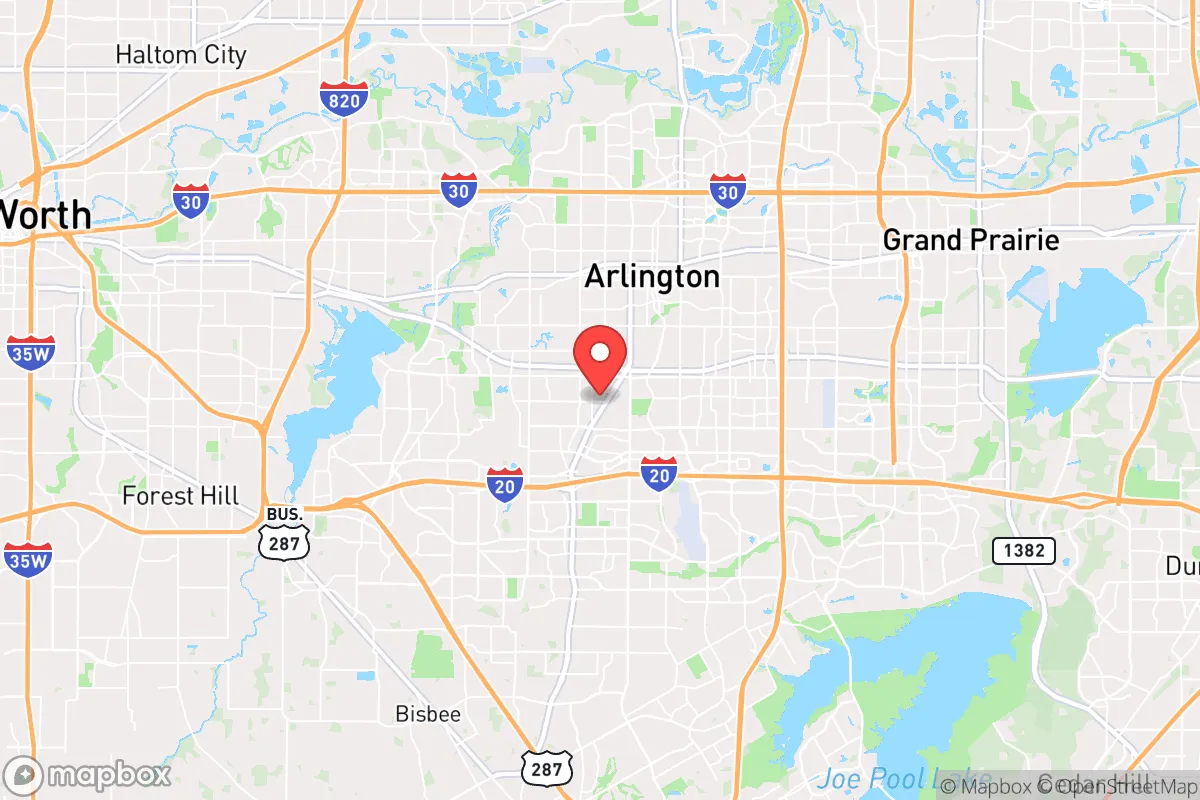
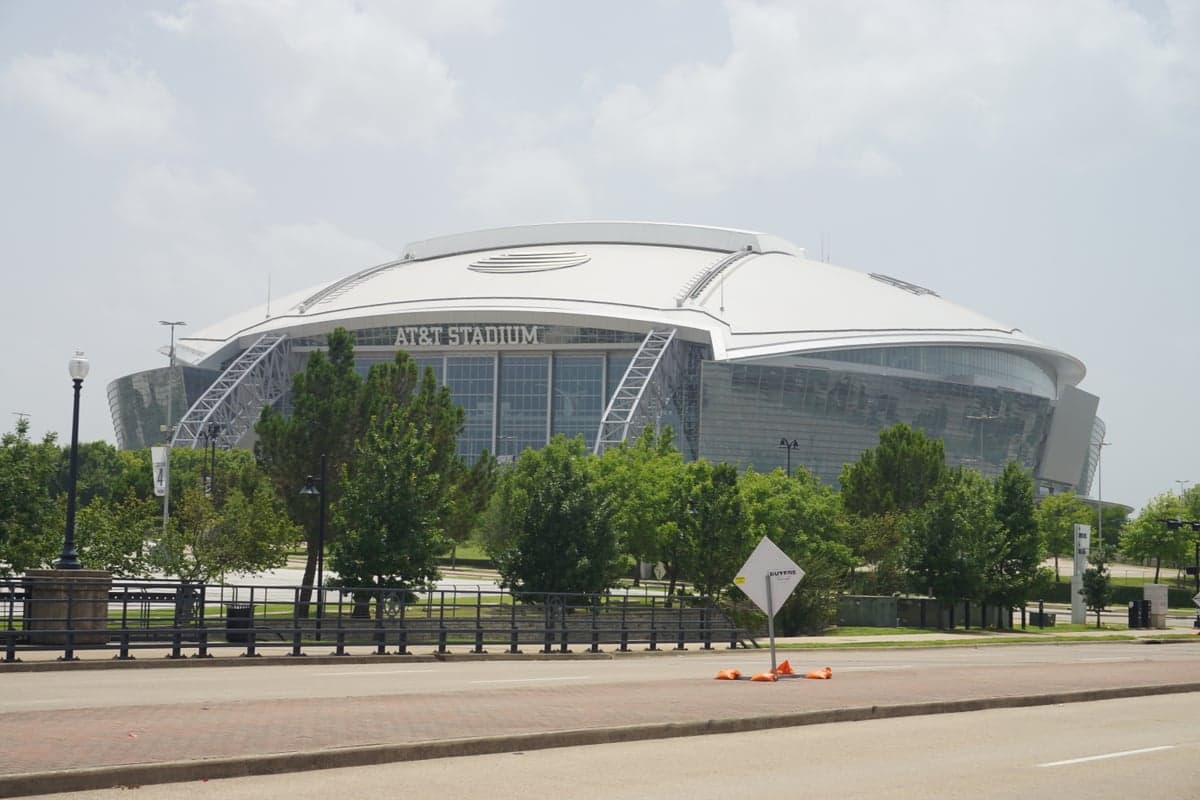
Photo: Wikipedia
Strategic Assessment of Arlington, TX
Multiple tactical vulnerabilities. Population density, target proximity, or disaster risk are likely compounding. A retreat property and exit planning is required.
What does the Strategic Assessment tell us?
Our Strategic Assessment grades tactical survivability of an area. Major population centers, military targets, fallout zones, natural disasters, and border exposure all drive risk — lower exposure means a more defensible position in a crisis.
This is heavily inspired by Joel Skousen's Strategic Relocation book. Highly recommended you checkout the book ($)What does this tell us?
Our Strategic Assessment grades tactical survivability of an area. Major population centers, military targets, fallout zones, natural disasters, and border exposure all drive risk — lower exposure means a more defensible position in a crisis.
This is heavily inspired by Joel Skousen's Strategic Relocation book. Highly recommended you checkout the book ($)Strategic Pillars

Key Distances
Regional Safe Places
Below is our recommended "safe zones" in Texas and the surrounding area based on our strategic heuristics. For most people, it's unrealistic to live in a “safe zone” full-time due to work, family or other personal reasons. They tend to be more rural. However, many of these areas are perfect for second homes and retreat properties that double as a vacation home or even a short-term rental.

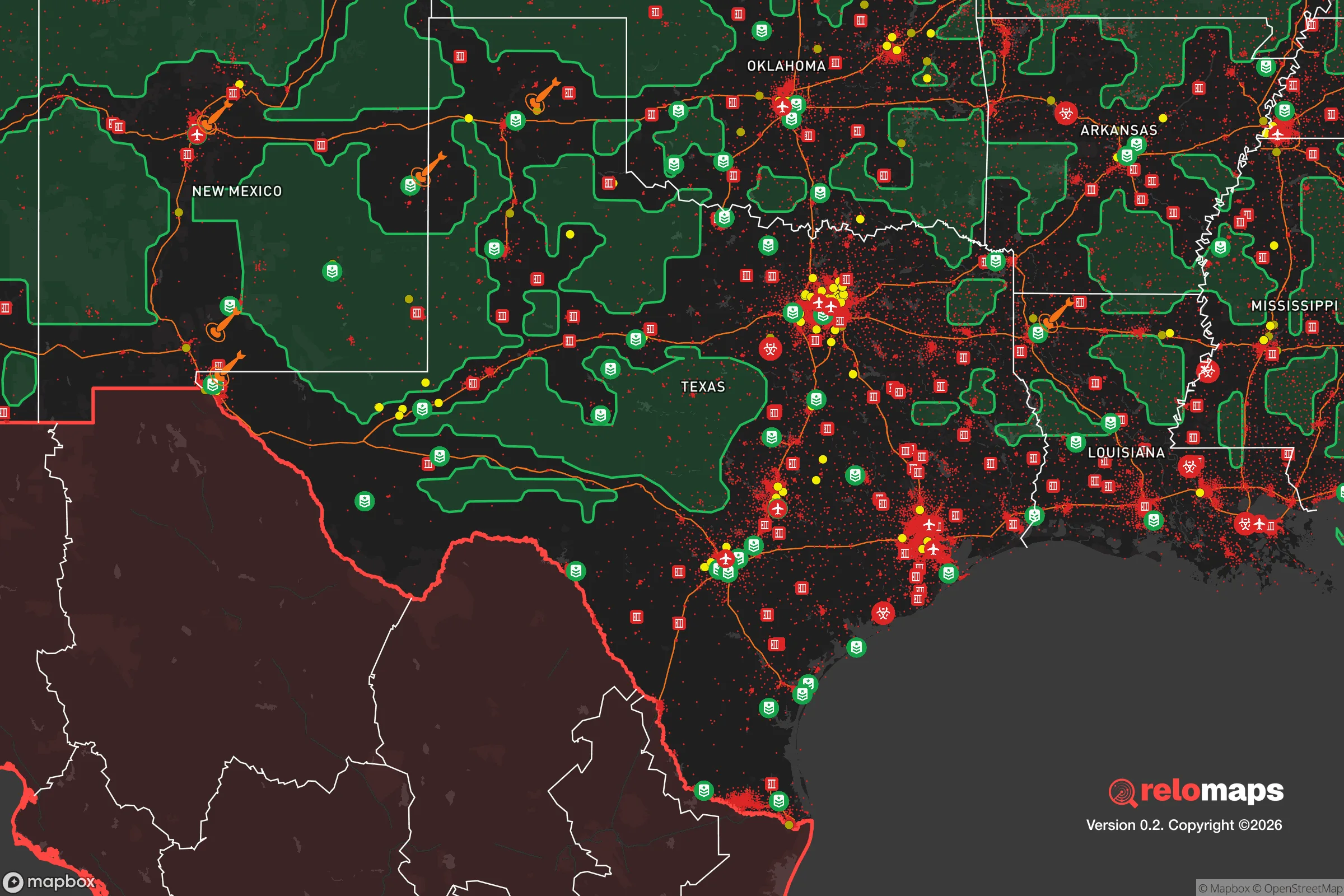


Important Note: For informational purposes only. This does not mean nothing bad ever happens in the green zones. Please use common sense. This is based on public data and modeled with AI. We tried to take a conservative approach but mistakes happen. We update this regularly as new information becomes available.
Solar Generator Recommendations
Backup power matters more here than in safer locations. We've picked three solar generators across budgets and capacity tiers — start with the budget unit if you only need a few essentials, or step up if you want to run a fridge and HVAC for days at a time.

Jackery Portable Power Station Explorer 300
Budget OptionPower on the Go: Weighing only 11 lbs, it's convenient to set up and store with book-sized foldable solar panels

BLUETTI Portable Power Station AC180
Designed for both indoor and outdoor scenarios, AC180 is highly capable as it has a robost capacity and continuous output power.

EF ECOFLOW DELTA Pro Ultra Power Station
Upgraded PickEcoFlow DELTA Pro Ultra is a whole-home energy system designed to grow with your family. Integrated with the Smart Home Panel 2, it scales to meet your evolving energy needs — keeping your home powered, intelligent, and secure through every stage of life.
We earn a commission, at no additional cost to you.
Strategic Assessment Analysis
Arlington, Texas, sits in the heart of the Dallas-Fort Worth metroplex, a location that offers both strategic advantages and significant vulnerabilities for a relocator with a prepper mindset. Its central position provides access to major transportation corridors and a diverse economic base, but its proximity to two major urban centers and a high concentration of potential targets introduces serious risks. For a conservative-leaning individual or family focused on resilience, Arlington presents a complex calculus where the benefits of infrastructure and community must be weighed against the dangers of being in a high-density, high-target zone.
Geographic position and natural advantages for a prepper
Arlington’s geographic position is a double-edged sword. It sits squarely between Dallas and Fort Worth, with direct access to Interstates 30, 20, and 360, as well as State Highway 161. This network offers multiple egress routes in a crisis, but also funnels traffic and potential threats directly through the city. The area is part of the Blackland Prairie, with generally flat to gently rolling terrain that offers limited natural defensibility. However, the region’s geology includes the Barnett Shale formation, which has historically supported natural gas extraction, meaning local energy infrastructure is robust. The Trinity River runs through the southern part of the city, providing a water source, though it is heavily managed and prone to flooding in heavy rains. The climate is humid subtropical, with hot summers and mild winters, which supports year-round gardening but also brings severe weather risks, including tornadoes and hailstorms. The lack of significant elevation changes or natural barriers means that a relocator cannot rely on terrain for concealment or defense; instead, they must depend on community networks and hardened structures.
Risks, exposures, and proximity to fallout-relevant landmarks
The most significant risk for a prepper in Arlington is its location within a major metropolitan area. The city is home to AT&T Stadium (capacity 80,000+) and Globe Life Field (40,000+), which are prime targets for mass casualty events or civil unrest due to their dense crowds and national media profile. Arlington is also adjacent to DFW International Airport and Naval Air Station Joint Reserve Base Fort Worth, both of which are high-value military and logistical targets in a conflict scenario. The city itself hosts several large corporate campuses, including General Motors’ Arlington Assembly plant (employing over 5,000) and Texas Health Resources headquarters, which could become focal points for disruption. The proximity to Dallas and Fort Worth means that any major event in those cities—whether a terrorist attack, grid failure, or civil unrest—will have immediate spillover effects on Arlington’s roads, supplies, and public safety resources. The area’s population density (over 4,000 people per square mile) means that a biological event or contamination incident would spread rapidly. Furthermore, the region’s reliance on the Electric Reliability Council of Texas (ERCOT) grid, which has proven vulnerable to winter storms and summer demand spikes, introduces a systemic risk of prolonged power outages that could cripple the city’s infrastructure.
Practical resilience for a relocator: food, water, energy, and defensibility
For a relocator focused on practical resilience, Arlington offers a mixed bag. Food security is a concern: the city is heavily dependent on grocery supply chains, with most food coming from distribution centers in Dallas and Fort Worth. Local farmers’ markets exist but are seasonal and limited in volume. A prepper would need to establish a substantial home garden or secure a community plot, though the clay-heavy soil requires amendment. Water security is more promising. The city draws from the Trinity River and several reservoirs, including Lake Arlington and Joe Pool Lake, which are within a 15-minute drive. However, these sources are vulnerable to contamination from upstream industrial activity and urban runoff. A well is not a practical option for most Arlington properties due to the urban density and groundwater regulations. Energy resilience is a critical weak point. The ERCOT grid’s fragility means that a prepper should invest in a whole-home generator with a propane or natural gas hookup, plus solar panels with battery storage for longer outages. Natural gas service is generally reliable, but distribution lines could be disrupted in a seismic event or sabotage. Defensibility is the hardest factor. Arlington’s suburban layout—with cul-de-sacs, strip malls, and interconnected neighborhoods—offers limited natural chokepoints. A relocator should prioritize a home on a corner lot with a fenced perimeter, or a property with a single access road. The city’s police force is well-funded but will be overwhelmed in a widespread crisis, so a prepper must rely on neighborhood watch networks and personal security measures. The presence of multiple hospitals (including Texas Health Arlington Memorial and Medical City Arlington) is a plus for medical emergencies, but these facilities will be overwhelmed in a mass casualty event.
Overall, Arlington is a location that demands a high level of preparation and a clear-eyed understanding of its vulnerabilities. Its central position in the DFW metroplex provides economic opportunity and infrastructure, but that same centrality makes it a likely target for disruption and a difficult place to defend. For a conservative-leaning relocator who values community and access to resources, Arlington can work—but only if they are willing to invest heavily in energy independence, food storage, and a robust security plan. The city is not a bug-out location; it is a place to hunker down and rely on strong local networks. If the goal is to be far from population centers and potential fallout, Arlington is not the right choice. But for those who need to stay connected to the region’s economy while maintaining a prepper’s edge, it offers a challenging but viable path forward. The key is to treat Arlington as a base of operations, not a fortress, and to have a secondary plan for relocation if the situation deteriorates beyond what local resilience can handle.

* Values derived from national, state, county, city and local statistics and may differ in a specific area. Last updated: 2026-04-21T17:42:34.000Z
Narrative content on this page is AI-generated and may contain mistakes. Verify any details that matter before acting on them.
ReloMaps may earn a commission from affiliate links at no extra cost to you.

