 Popular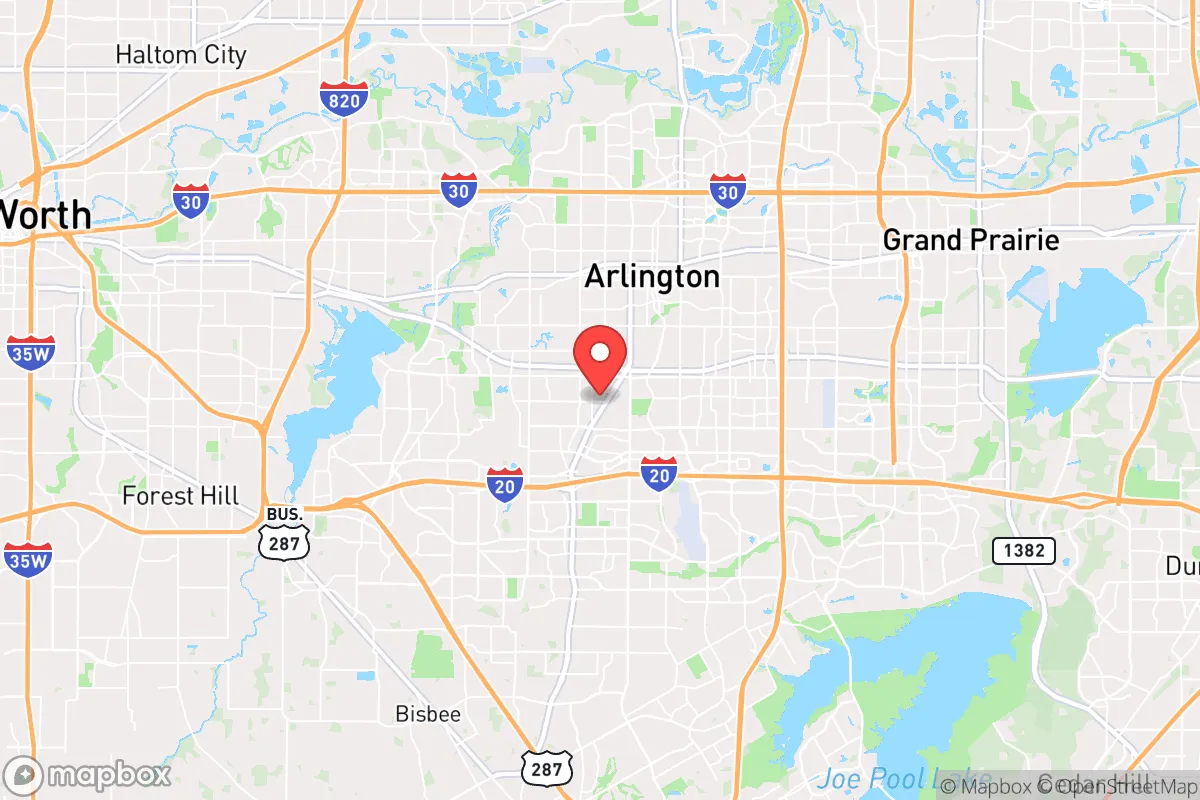
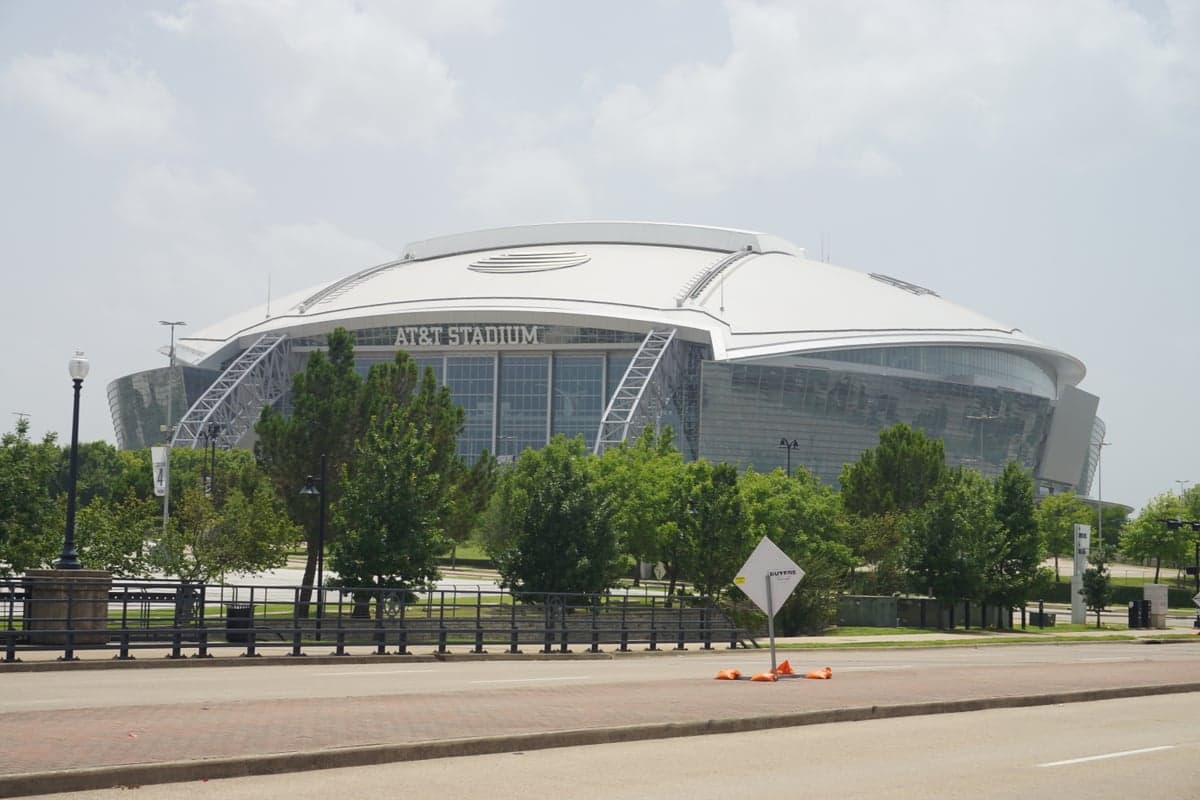
Photo: Wikipedia
Political ClimatePolitical Climate in Arlington, TX
District shown is the primary district for this city’s centroid. Cities may span multiple districts.
Local Political AnalysisPolitical Analysis of Arlington, TX
Arlington, Texas, sits solidly in the red column, with a Cook PVI of R+18 that reflects a deeply ingrained conservative voting pattern. For decades, this city has been a reliable Republican stronghold, and while the surrounding metroplex has seen some demographic shifts, Arlington’s core political identity remains rooted in traditional values and limited government. If you’ve lived here as long as I have, you’ve watched the city hold the line against the progressive tide that’s washed over places like Dallas and Austin, and that’s something a lot of us take pride in.
How it compares
When you look at the political map, Arlington is a clear outlier compared to its neighbors to the east and south. Dallas County, just a 20-minute drive away, has gone blue in recent presidential cycles, and Fort Worth to the west is more of a purple patch than the deep red it used to be. But Arlington? It’s still the kind of place where you can count on local elections to favor candidates who talk about fiscal responsibility and personal liberty. Compare that to the city of Denton, which has a younger, more transient population that’s pushed it leftward, or even the suburbs of Collin County like Plano, which are starting to show cracks in their conservative foundation. Arlington, by contrast, feels like a holdout—a place where the old-school Texas values of minding your own business and keeping government out of your life are still the norm.
What this means for residents
For folks living here, the R+18 lean translates into a local government that’s generally hesitant to overreach. You won’t see the kind of heavy-handed mandates or progressive social experiments that have become common in places like Austin or Houston. Property taxes are a perennial gripe, sure, but the city council tends to push back on new regulations that would infringe on your rights—whether it’s business licensing, zoning restrictions, or public health orders. The school board, too, has largely resisted the kind of curriculum changes that have parents in other districts up in arms. That said, there’s a quiet concern among long-time residents that the growth from the University of Texas at Arlington and the influx of younger renters could start shifting the needle. If you’re worried about government creep, Arlington is still a safe bet, but you’ve got to keep an eye on city council meetings and local bond elections—that’s where the real battles are fought.
One thing that sets Arlington apart culturally is its no-nonsense approach to personal freedoms. You won’t find the kind of nanny-state policies here that you see in some coastal cities—no strict mask mandates that lasted forever, no overbearing business closures. The city’s identity is tied to the Texas Rangers and Six Flags, not to political activism, and that’s how most folks like it. The long-term trajectory is a bit uncertain, though. As the metroplex grows, Arlington is going to face pressure to adopt more progressive policies, especially on housing and transportation. But for now, if you value a place where the government stays out of your way and lets you live your life, this is still one of the best spots in North Texas to call home. Just don’t expect it to stay that way without some vigilance.

State Political ClimatePolitical Climate in Texas
State Political AnalysisPolitical Environment in the State
Texas has been a reliably Republican state for decades, with the GOP holding every statewide office and both chambers of the legislature since the 1990s. However, the state’s overall partisan lean has shifted from a solid +16-point margin for Donald Trump in 2020 to a narrower +9-point margin in 2024, driven by explosive growth in the urban cores of Austin, Dallas, Houston, and San Antonio. The dominant coalition remains conservative—pro-business, pro-gun, and pro-life—but the 10-20 year trajectory shows a slow erosion of that dominance as transplants from blue states and younger voters reshape the electorate.
Urban vs. rural divide
The political map of Texas is a tale of two landscapes. The vast rural expanse—places like Lubbock, Amarillo, and the Permian Basin—votes overwhelmingly Republican, often by 70-80% margins. These areas are the backbone of the GOP’s legislative supermajorities. In contrast, the major metros are increasingly Democratic. Austin is the most liberal city in the state, with Travis County delivering a +50-point margin for Biden in 2020. Dallas and Houston are blue-leaning, driven by diverse, younger populations and professional-class transplants. The real battleground is the suburbs: Collin County (north of Dallas) and Fort Bend County (southwest of Houston) have flipped from red to purple, with Collin County voting for Trump by only 3 points in 2024 after a 15-point margin in 2016. This suburban shift is the single biggest factor in the state’s political evolution.
Policy environment
Texas remains a low-tax, low-regulation state. There is no state income tax, and property taxes are high but capped at 10% annual growth under Proposition 4 (2023). The regulatory posture is aggressively pro-business, with no state-level minimum wage above the federal $7.25 and a right-to-work law that weakens unions. Education policy is a flashpoint: the 2023 school voucher bill (SB 1) failed in the House, but Governor Greg Abbott is pushing a new version in 2025, aiming to give parents taxpayer-funded options outside public schools. Healthcare is largely unexpanded—Texas is one of 10 states that has not expanded Medicaid, leaving 1.5 million adults in the coverage gap. Election laws tightened after 2021’s SB 1, which banned 24-hour and drive-through voting, added ID requirements for mail ballots, and empowered partisan poll watchers. For a conservative, the policy environment is mostly friendly, but the lack of school choice and the high property tax burden are real pain points.
Trajectory & freedom
On personal liberty, Texas is a mixed bag. The state expanded gun rights significantly with permitless carry (HB 1927, 2021), allowing most adults to carry handguns without a license. Parental rights were strengthened by the 2023 ban on gender-transition procedures for minors (SB 14) and the requirement that school libraries get parental consent for certain materials (HB 900). Medical autonomy took a hit with the near-total abortion ban (SB 8, 2021, and the trigger law after Dobbs), which many conservatives celebrate but which has also led to women traveling out of state for care. Property rights are strong, with no statewide rent control and low eminent domain risk. However, the state’s growing reliance on property taxes—which have risen faster than inflation—feels like a creeping infringement on economic freedom. The 2023 property tax cut (SB 2) provided some relief, but it’s temporary. The trajectory is toward more government intervention on social issues (abortion, transgender care) but less on economic ones—a trade-off that most conservatives accept but that libertarians find troubling.
Civil unrest & political movements
Texas has seen its share of political flashpoints. The 2020 Black Lives Matter protests in Austin and Houston were large and sometimes violent, leading to property damage and a police funding debate that still simmers. The border crisis has been the dominant movement on the right: Governor Abbott’s Operation Lone Star (2021-present) deployed state troopers and National Guard to the border, bused migrants to blue cities, and installed razor wire and buoys in the Rio Grande. This has created a visible, ongoing confrontation with the Biden administration, with lawsuits and a Supreme Court ruling that temporarily allowed federal agents to cut the wire. On the left, the Texas Democratic Party has grown more organized, with groups like the Texas Organizing Project and MOVE Texas registering hundreds of thousands of new voters. Secession rhetoric is mostly fringe—the Texas Nationalist Movement has little traction—but election integrity remains a hot-button issue, with 2020 audits finding no widespread fraud but many conservatives still skeptical. A new resident will notice the border politics in the news daily, but in most of the state, life is calm and orderly.
Projection
Over the next 5-10 years, Texas will continue to shift leftward in the suburbs and cities, but the rural vote will keep the state red at the statewide level. The 2024 election showed that Trump’s coalition held in rural areas but lost ground in the suburbs, especially among college-educated women. If current migration patterns hold—about 1,000 new residents per day, many from California and New York—the state could become a true battleground by 2032. The legislature will likely pass school choice in 2025, which could slow the suburban exodus of conservative families. Property tax reform will remain a perennial issue, and the border crisis will keep immigration politics front and center. For someone moving in now, expect a decade of political tension: the state will stay conservative on social issues and taxes, but the culture war will intensify in school boards, city councils, and county commissions. The freedom you feel today—low taxes, gun rights, parental control—will likely persist, but you’ll need to be active in local politics to protect it.
Bottom line: Texas is still a great bet for a conservative family or individual who values low taxes, gun rights, and a pro-business climate. The political climate is shifting, but slowly, and the state’s institutions remain firmly in conservative hands. If you’re moving here, expect to pay high property taxes but no income tax, enjoy broad personal freedoms, and be part of a state that is fighting the federal government on border policy. The biggest practical takeaway: get involved in your local school board and city council—that’s where the real battles over your freedom will be won or lost in the next decade.
* Values derived from national, state, county, city and local statistics and may differ in a specific area. Last updated: 2026-04-21T17:42:34.000Z
Narrative content on this page is AI-generated and may contain mistakes. Verify any details that matter before acting on them.
ReloMaps may earn a commission from affiliate links at no extra cost to you.

