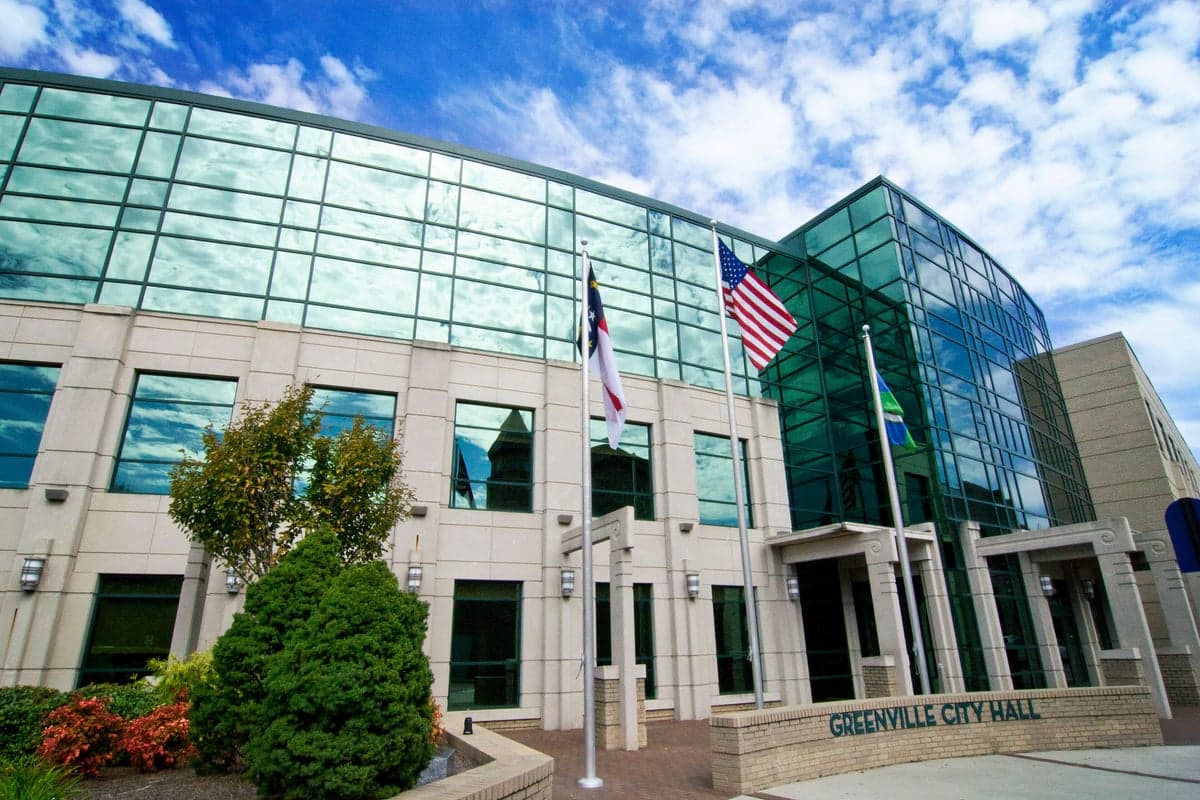
 Popular
Photo: Wikipedia
Find The Best Places To Live
in Greenville
PRO TIP! You can paste a Zillow or Redfin link to get info on that property.
What It's Like Living in Greenville, NC
Greenville, North Carolina, has a split personality in the best way. By day, it’s a bustling college town anchored by East Carolina University, where the median age hovers around 28 and the energy is young, ambitious, and a little bit scrappy. By night and on weekends, it’s a deeply rooted Southern community where high school football rivalries matter, church potlucks are a social staple, and people genuinely wave at you from their porches. If you’re a single professional or a parent looking for a place that feels both affordable and alive, Greenville offers a surprisingly balanced mix of career opportunity and small-town comfort.
The Daily Rhythm: College Town Meets Family Hub
Most mornings here start with a coffee run to Blackbeard’s Coffee & Gallery on Dickinson Avenue, where students huddle over textbooks and retirees chat with the barista. The average commute is just over 18 minutes, so you’re not spending your life in a car—you’re actually home for dinner. For families, the day often revolves around school zones and after-school sports. The Pitt County Schools system is the largest employer in the region after the university and the medical center, and it’s a major topic of conversation at playgrounds and PTA meetings. Parents tend to cluster in neighborhoods like Brook Valley or Green Springs, where you’ll find brick colonials, mature trees, and a sense that everyone knows your kid’s name.
Singles and young professionals gravitate toward the Uptown Greenville district, a revitalized stretch of Fifth Street and Evans Street lined with breweries, gastropubs, and the occasional live music venue. The median home value sits at $213,100, and with a cost of living index of 81 (well below the national average of 100), a teacher or a nurse can actually afford a three-bedroom house here—something that’s becoming rare in the rest of the state. The median household income is $50,564, which means most people live comfortably, if not lavishly. You won’t find a lot of flashy luxury cars, but you will find a lot of well-maintained homes and a community that values substance over status.
Sports, Saturdays, and the Sound of a Crowd
If you move to Greenville, you will quickly learn that ECU Pirates football is not a hobby—it’s a civic religion. From August through November, Dowdy-Ficklen Stadium turns into a sea of purple and gold, and the entire town’s rhythm shifts around game days. Tailgating starts at dawn, and the smell of smoked pork drifts across the campus. For families, this is a huge social event: kids toss footballs in the parking lots, parents set up tents, and the whole thing feels like a giant block party. High school sports are also a big deal—J.H. Rose High School and D.H. Conley High School have a fierce rivalry that fills bleachers on Friday nights. Even if you didn’t grow up here, you’ll find yourself drawn into the excitement.
Beyond the stadium, the Greenville Greenies (the local minor-league baseball team) play at Guy Smith Stadium in the summer, offering a low-key, family-friendly alternative to the college crowds. The River Park North complex on the Tar River is where you’ll find kayakers, mountain bikers, and families fishing off the pier. It’s not a flashy outdoor scene—no mountains, no ocean—but the Greenville Greenway system connects neighborhoods to parks and downtown, and it’s heavily used by runners, dog walkers, and cyclists.
What’s There to Do (and What’s Missing)
Weekends here are a mix of the predictable and the pleasantly surprising. The Uptown Greenville Farmers Market runs Saturday mornings from April through November, and it’s where you’ll find local honey, fresh produce, and the best biscuits in town. The Greenville Museum of Art is small but well-curated, and the Emerald City Music Festival in the fall brings indie and folk acts to the town common. For food, locals swear by B’s Barbecue (a no-frills pit stop that’s been serving chopped pork for decades) and Starlight Cafe & Catering for upscale Southern comfort. The bar scene is concentrated around Dickinson Avenue, where Pitt Street Brewing Company and Local Oak draw a mix of grad students and young professionals.
Now for the honest downsides. The violent crime rate is 442.8 per 100,000, which is higher than the national average. Most of that is concentrated in specific areas east of Memorial Drive, and property crime is a real concern in some neighborhoods—lock your car doors and don’t leave valuables visible. Longtime residents also gripe about the lack of a true “nightlife” beyond the college bars; if you’re looking for a sophisticated cocktail lounge or a late-night jazz club, you’ll be driving to Raleigh (about 90 minutes west). The weather is classic Eastern North Carolina: hot, humid summers, mild winters, and the occasional hurricane scare in late summer. The 39.3% college-educated population means you’ll find plenty of smart, interesting people, but the job market outside of healthcare and education is thin—many residents commute to Vidant Medical Center or ECU for work.
Pros and Cons of Living Here
- Pro: Affordability is the headline. A median home price of $213,100 and a cost of living 19% below the national average means you can actually build equity and save money.
- Con: The crime rate is a real concern, especially for families with teenagers. Stick to the western and southern neighborhoods, and be vigilant about home security.
- Pro: The sense of community is genuine. People know their neighbors, volunteer at local schools, and show up for each other during hard times.
- Con: The weather can be oppressive in July and August, and the hurricane risk is real. Flood insurance is a must if you’re near the Tar River.
- Pro: The 18-minute average commute means you actually have time for hobbies, family dinners, and weekend trips to the coast (it’s only an hour to Atlantic Beach).
- Con: The entertainment options are limited. You’ll drive to Raleigh for concerts, pro sports, or a major shopping mall.
Greenville isn’t for everyone. It’s for the person who values a slower pace, real relationships, and the ability to own a home without a six-figure salary. It’s for the parent who wants their kids to play outside until the streetlights come on, and for the single professional who doesn’t mind a quiet Tuesday night in exchange for a Saturday that feels like a small-town festival. It’s a place that rewards patience and participation—and if you give it a chance, it might just surprise you.

Similar small cities to Greenville
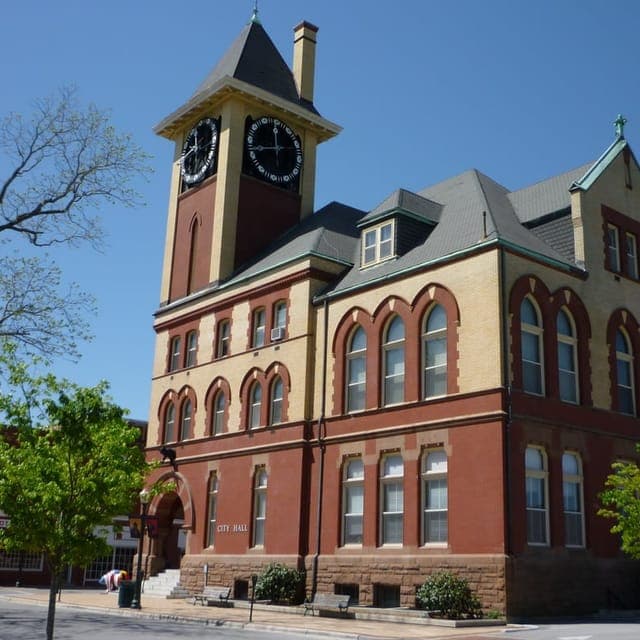
* Values derived from national, state, county, city and local statistics and may differ in a specific area. Last updated: 2026-04-21T15:14:21.000Z
Narrative content on this page is AI-generated and may contain mistakes. Verify any details that matter before acting on them.
ReloMaps may earn a commission from affiliate links at no extra cost to you.

