
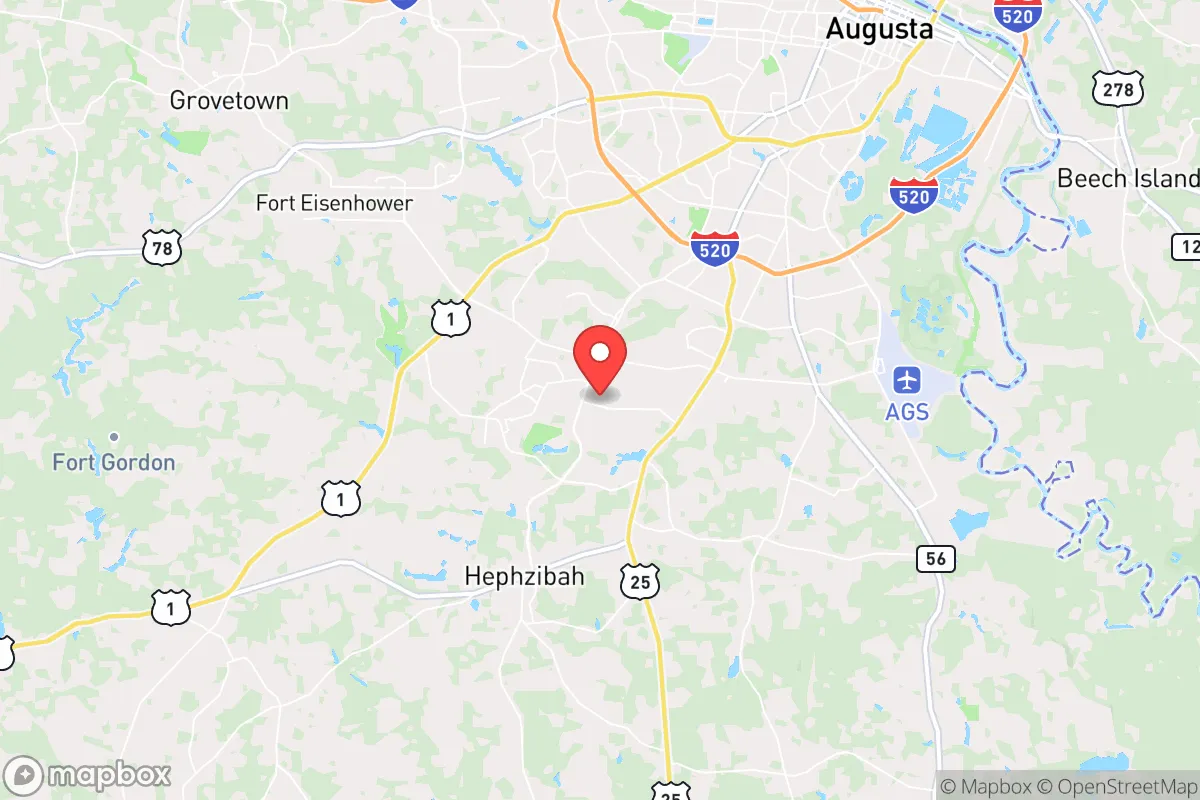
Photo: Wikipedia
Quality of Life in Augusta, GA
Above-average quality of iife. The area offers a reasonable cost of living, decent mobility, and a mix of neighborhood amenities.
What does Quality of Life tell us?
Quality of Life blends cost of living, nearby amenities, socioeconomic signals, and neighborhood character. City-level scores represent the whole municipality; individual neighborhoods can differ.
What does this tell us?
Quality of Life blends cost of living, nearby amenities, socioeconomic signals, and neighborhood character. City-level scores represent the whole municipality; individual neighborhoods can differ.
Cost of Living
21% below national average
The Real Cost of Living in Augusta, GA for 2026
| Tier | Individual | Family (4) |
|---|---|---|
| Survival | $17k | $33k |
| Comfortable | $32k | $47k |
| Luxury | $96k+ | $149k+ |
| Elite (Top 5%) | $123k+ | $190k+ |
114%
The Area Signal
A metric tracking the socioeconomic signals of the area.
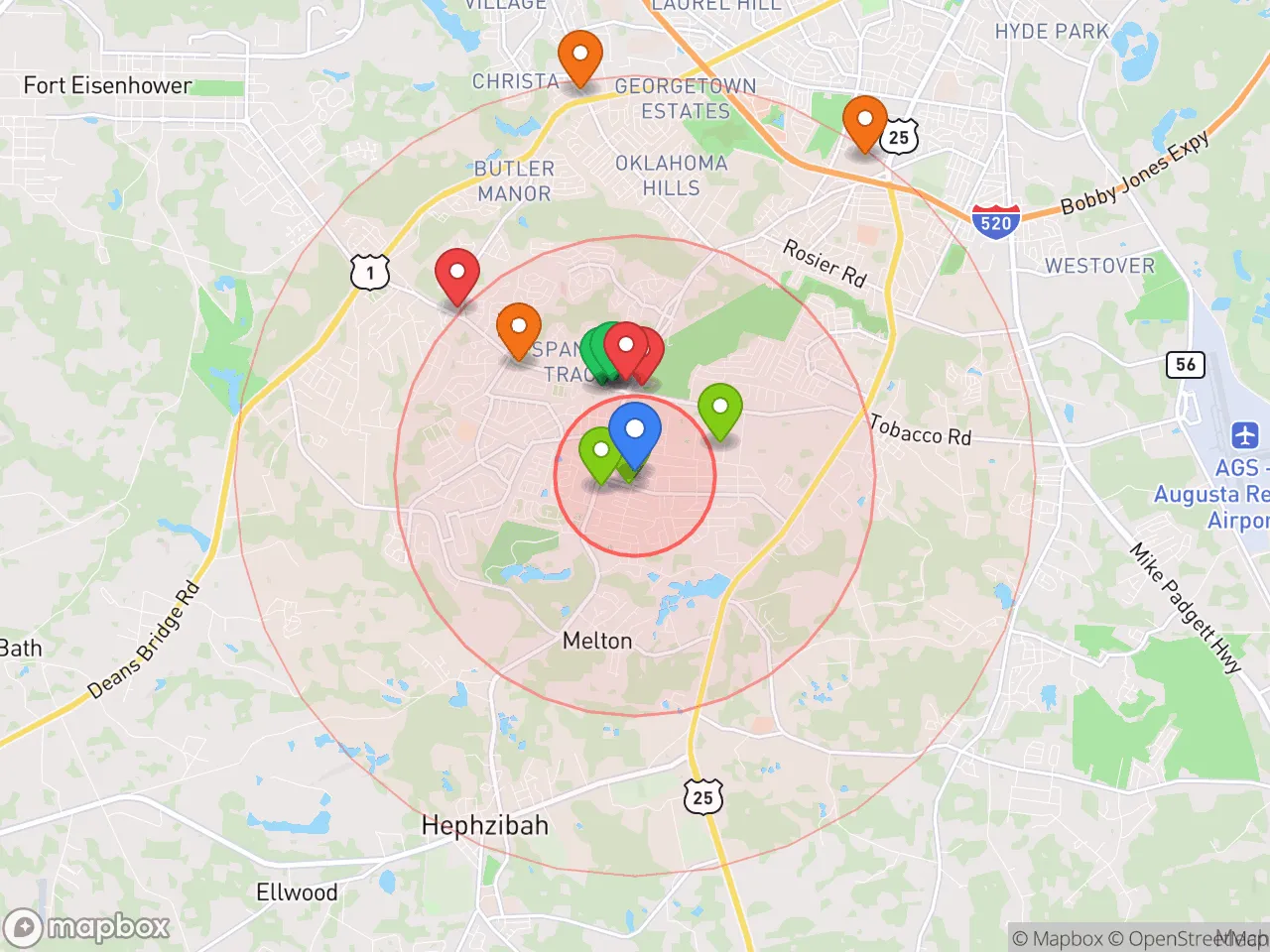
Hobbies
Explore the areaGroceries
6 within 10 miles
Gas
20 within 10 miles
Hospital
17 within 20 miles
Airport
ATL — Hartsfield–Jackson Atlanta International
Post Office
USPS — Augusta, GA
Critical Amenities
Quality-of-Life Analysis
Augusta, Georgia, offers a quality of life defined by its remarkably low cost of living and a slower, more community-oriented pace than the nearby metro hubs of Atlanta or Charlotte. The area attracts a diverse mix of residents, including medical professionals drawn by the massive Augusta University Health system, military families connected to Fort Eisenhower, and retirees seeking a warm climate with a lower tax burden. With a cost of living index of 79 (21% below the national average), Augusta provides a level of financial breathing room that is increasingly rare in the Southeast, though this affordability comes with trade-offs in public transit options and the pace of economic growth compared to faster-growing Sun Belt cities.
Cost of living, housing affordability, and how Augusta compares to nearby areas
Augusta’s housing market is its strongest draw for affordability. The median home value sits at $162,900, which is less than half the national median and significantly undercutting prices in Atlanta (where the median exceeds $400,000) and even in Savannah. Median rent is a similarly accessible $1,087, making it feasible for single-income households and young professionals to live comfortably without a roommate. The average commute of 20.6 minutes is notably shorter than the national average of around 27 minutes, meaning residents spend less time in traffic and more time at home or in the city’s many parks. However, property taxes in Richmond County are higher than in neighboring Columbia County (home to the more suburban Evans area), which can shift the calculus for families prioritizing school districts over lower tax rates. While groceries and utilities also track below the national average, the region’s reliance on personal vehicles is near-total, as public transit via Augusta Public Transit is limited in coverage and frequency.
What daily life is like for families, professionals, and retirees in Augusta
Daily life in Augusta revolves around a handful of strong anchors: the medical district, the Savannah River, and the city’s historic neighborhoods. The Augusta University Medical Center and the sprawling Fort Eisenhower (formerly Fort Gordon) are the two largest employers, creating a stable, professional-class job market that insulates the area from the boom-and-bust cycles seen in manufacturing-heavy towns. For families, the Richmond County School System offers magnet programs like the Davidson Fine Arts Magnet School (routinely ranked among the top high schools in Georgia), though many families with school-age children opt for the highly-rated Columbia County schools just across the county line. The city’s Riverwalk and the Augusta Canal provide free, accessible outdoor recreation, while the Augusta National Golf Club (home of the Masters Tournament) draws global attention each spring but remains an exclusive private club for the other 51 weeks of the year. The food scene is anchored by Southern staples and a growing number of farm-to-table restaurants in the downtown and Summerville districts, though nightlife options are more limited than in larger metros.
Augusta is best suited for people who prioritize financial stability and a relaxed pace over urban excitement or rapid career advancement. Medical professionals, military personnel, and remote workers who can leverage the low housing costs while earning a national salary will find the strongest value proposition. Retirees on fixed incomes benefit from Georgia’s retirement income exclusion and the mild winters, while families who can navigate the school district choices will find a safe, affordable environment. Those seeking a vibrant 24-hour city, extensive public transit, or a fast-growing job market in tech or finance may find Augusta too quiet. For the right resident, however, the combination of a 20-minute commute, a median home under $165,000, and a cost of living 21% below the national average creates a quality of life that is difficult to match elsewhere in the Southeast.

Crime in Augusta, GA
Generally safer than 57% of comparable U.S. locations.
Violent CrimeViolent Crime Analysis
Property CrimeProperty Crime Analysis
Crime Analysis
Augusta, Georgia, presents a crime profile that demands careful consideration from potential residents. The city's violent crime rate of 253 incidents per 100,000 residents and property crime rate of 1,189.7 per 100,000 place it above national averages, a situation exacerbated by the progressive judicial philosophy prevalent in many large metro areas, including Augusta. This approach, while well-intentioned toward offenders, often results in reduced consequences for criminal behavior, contributing to a higher number of repeat offenders on the streets and undermining public safety.
Crime in context
Augusta's violent crime rate of 253 per 100,000 is approximately 30% higher than the national average of roughly 200 per 100,000, though it sits below the Georgia state average of around 380 per 100,000. The property crime rate of 1,189.7 per 100,000 is nearly 40% above the national average of about 850 per 100,000. These figures reflect a broader trend in larger metro areas where progressive district attorneys and judges, focused on rehabilitation over incarceration, have been linked to rising recidivism. In Augusta, this judicial leniency means that property crimes like theft and burglary, as well as violent offenses, may not carry the deterrent weight they once did, directly impacting the sense of security for law-abiding residents.
What residents experience
For those living in Augusta, the elevated crime rates translate into tangible daily concerns. Property crime is the most common threat, with vehicle break-ins, package theft, and residential burglaries frequently reported. Violent crime, while less common, is concentrated in specific areas and often involves disputes among individuals known to each other. The progressive justice system's emphasis on reducing jail populations and diverting offenders from prosecution means that many criminals face minimal consequences, leading to a cycle of re-offending. Residents report feeling that the system prioritizes the rights of offenders over the safety of victims, creating an environment where crime is not effectively deterred.
Neighborhood-level variation
Safety in Augusta varies dramatically by neighborhood, a critical factor for anyone considering a move. Areas like Summerville, West Augusta, and parts of Evans (just across the county line) generally experience lower crime rates, with well-maintained homes and active neighborhood watches. In contrast, neighborhoods such as Harrisburg, Laney-Walker, and the area around the Augusta Mall see higher concentrations of both property and violent crime. The progressive judicial policies affect all areas, but their impact is most acutely felt in lower-income neighborhoods where policing is less proactive and criminal networks are more entrenched. Potential residents should prioritize visiting specific neighborhoods at different times of day and reviewing local crime maps, as the city's overall statistics can mask significant local disparities.
* Values derived from national, state, county, city and local statistics and may differ in a specific area. Last updated: 2026-04-22T01:38:06.000Z
Narrative content on this page is AI-generated and may contain mistakes. Verify any details that matter before acting on them.
ReloMaps may earn a commission from affiliate links at no extra cost to you.

