 Popular
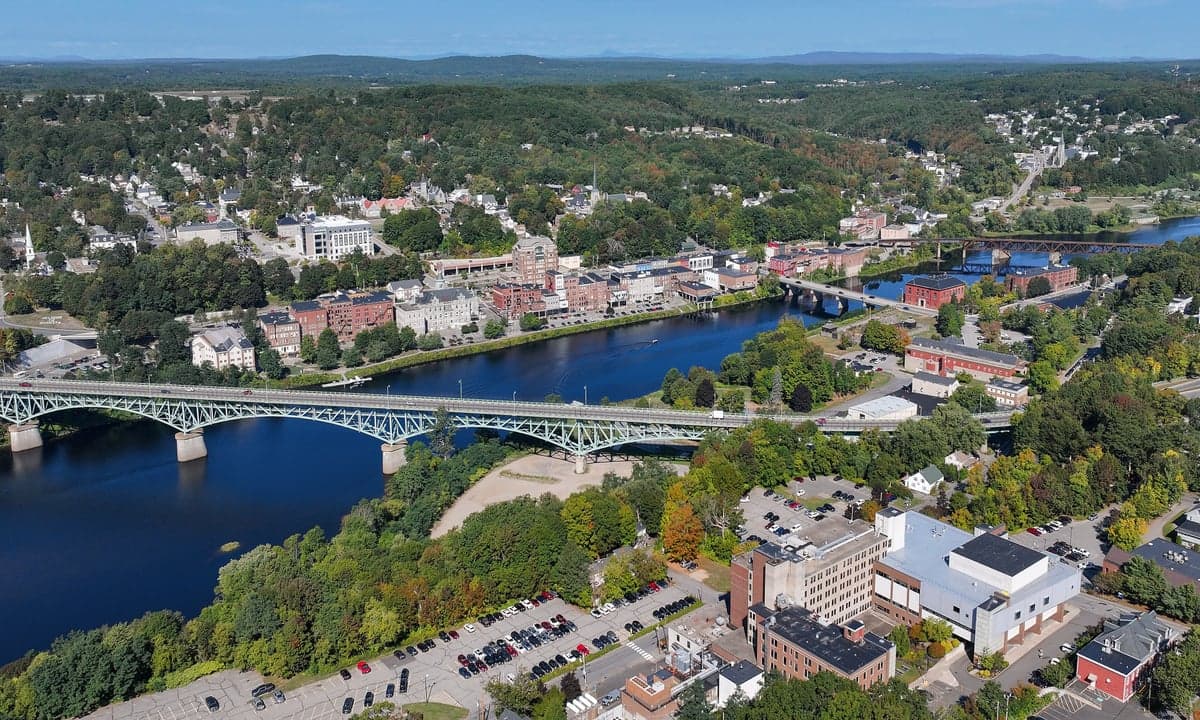
Photo: Wikipedia
Personal Sovereignty in Augusta, ME
Viable for self-reliance. Generally workable, though some barriers may limit total independence.
What does Personal Sovereignty tell us?
Personal Sovereignty measures your capacity for self-reliance and independence with minimal government friction. Higher scores mean fewer barriers between you and the way you want to live... but it assumes you have the space you need and good neighbors.
What does this tell us?
Personal Sovereignty measures your capacity for self-reliance and independence with minimal government friction. Higher scores mean fewer barriers between you and the way you want to live... but it assumes you have the space you need and good neighbors.
State Policy
Energy independence: Importer (30% of energy produced in-state)
Personal Liberty
Homesteading

Personal Liberty Analysis
Augusta, Maine, offers a notably high degree of personal sovereignty compared to much of the Northeast, but it is not a libertarian free-for-all. The city sits within a state that has a strong tradition of self-reliance, yet it is also subject to the regulatory weight of being a state capital, where government presence is felt more acutely than in rural outposts. For the strategic relocator—particularly one with a survivalist or prepper mindset—Augusta presents a mixed picture: genuine freedoms in areas like property rights and self-defense are counterbalanced by a state-level tax burden and energy policies that can feel like a slow erosion of autonomy. The key is understanding where the city’s local ordinances diverge from the state’s broader, often more restrictive, posture.
Tax burden and regulatory posture: How much does the state take?
Maine’s tax burden is among the highest in the nation, and Augusta residents feel this acutely. The state’s income tax is progressive, with a top marginal rate of 7.15% on income over $58,050 for single filers, and property taxes in Kennebec County average around 1.3% of assessed value—higher than the national median. This is a significant drag on personal sovereignty, as a larger portion of your earnings is redirected to government programs before you can allocate it to your own preparedness, land, or supplies. Sales tax is 5.5%, but it applies broadly, including to many preparedness items like camping gear and tools. The regulatory environment is also dense: Maine has stringent environmental regulations, particularly around shoreland zoning and wetland protection, which can limit what you can do on your own property near water. For the prepper, this means that while you can own land, you may face state-level pushback on building a bunker, clearing timber, or installing a septic system without extensive permitting. The city of Augusta itself adds a layer of municipal code enforcement that is more active than in unincorporated areas, so expect inspections and fees for any significant construction or land modification.
Self-defense and gun law specifics: Can you keep and bear arms without interference?
Maine is a “shall-issue” state for concealed carry permits, and Augusta does not impose any additional local restrictions beyond state law. This is a strong point for personal sovereignty. You do not need a permit to open carry, and the state has preemption, meaning cities like Augusta cannot ban firearms in most public spaces. However, the state has enacted a “yellow flag” law (not a full red flag law) that allows law enforcement to temporarily seize firearms from individuals deemed an imminent threat, but only after a medical evaluation and court order—a less intrusive approach than in many blue states. For the prepper, the key detail is that Maine does not restrict magazine capacity, and there is no state-level assault weapons ban. You can legally own suppressors, short-barreled rifles, and other NFA items with federal paperwork. The practical reality in Augusta is that gun culture is present but not as dominant as in rural Aroostook County; you’ll find a few gun shops and a local range, but the city’s proximity to state government buildings means you cannot carry in the Capitol complex or courthouses. For a family, this means you can train and store weapons without local harassment, but you must be aware of the state’s mental health reporting requirements for firearm purchases.
Self-reliance and homesteading viability: Lot sizes, zoning, and off-grid feasibility
Augusta’s zoning is a mixed bag for the serious homesteader. Within the city limits, minimum lot sizes vary by district, but you can find parcels of 1 to 5 acres in the more rural edges of the city, such as the areas near the Kennebec River or along the outskirts of the Capitol complex. However, the city’s zoning code requires connection to municipal water and sewer in many developed areas, which undermines off-grid independence. For true off-grid living—solar panels, rainwater catchment, composting toilets—you will likely need to look outside the city limits, in unincorporated areas of Kennebec County or neighboring towns like Chelsea or Vassalboro. Augusta does allow backyard chickens and small livestock in some residential zones, but with restrictions on coop placement and noise. The growing season is short (Zone 5b), limiting year-round food production, but the soil is generally good for gardens. For the prepper, the biggest hurdle is the state’s building codes: any permanent structure requires permits and inspections, and Maine’s energy code is relatively strict, meaning a simple off-grid cabin may not pass muster without significant insulation and heating upgrades. The city’s location on the Kennebec River provides a reliable water source, but accessing it for irrigation or emergency use requires riparian rights and state permits.
Personal liberties: Parental rights, medical autonomy, speech, and property
Maine has a mixed record on parental rights. The state mandates vaccination for school attendance, with only medical exemptions allowed—no religious or philosophical exemptions—which is a significant concern for families seeking medical autonomy. Homeschooling is legal but requires annual notification and submission of a curriculum plan to the local school district, which some view as government overreach. On medical autonomy, Maine has legalized recreational marijuana, but the state’s health insurance mandates and vaccine requirements for healthcare workers can feel restrictive. Free speech is protected under the First Amendment, and Augusta has not enacted any local ordinances that suppress political expression, though the presence of state government means you’ll encounter more security and surveillance around public buildings. Property rights are generally strong: Maine has no statewide rent control, and Augusta does not impose it locally. However, the state’s “right to farm” law protects agricultural activities from nuisance lawsuits, but it does not override local zoning, so your ability to raise livestock or run a small farm is subject to city approval. For the prepper, the most concerning liberty issue is the state’s emergency powers: Maine’s governor has broad authority during declared emergencies, as seen during the COVID-19 pandemic, when business closures and gathering limits were imposed. This is a reminder that even in a relatively free state, the capital city is where executive power is most visible.
Overall, Augusta offers a moderate level of personal sovereignty that is higher than in Boston or New York City but lower than in rural Maine or states like New Hampshire or Texas. The city’s tax burden and regulatory density are the main drags on autonomy, while its gun laws and property rights are genuine strengths. For the strategic relocator, Augusta works best as a compromise: you get access to state-level services and a modest job market, but you must accept that true off-grid independence and maximum personal freedom require moving further from the capital. If your priority is minimizing government overreach, look to the unincorporated townships north of Bangor or across the border in New Hampshire. But if you need a base with decent infrastructure and a legal environment that respects self-defense and property, Augusta is a viable, if imperfect, choice.

* Values derived from national, state, county, city and local statistics and may differ in a specific area. Last updated: 2026-05-02T01:26:07.000Z
Narrative content on this page is AI-generated and may contain mistakes. Verify any details that matter before acting on them.
ReloMaps may earn a commission from affiliate links at no extra cost to you.

