 Popular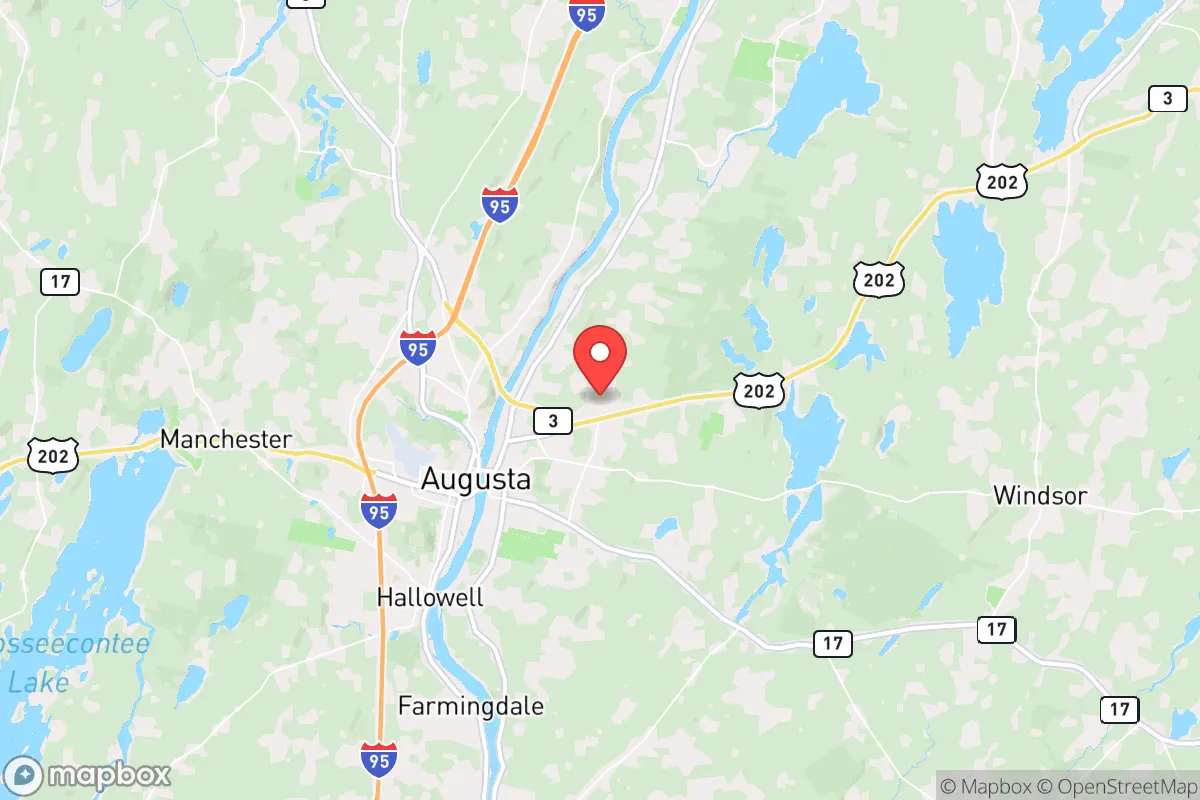
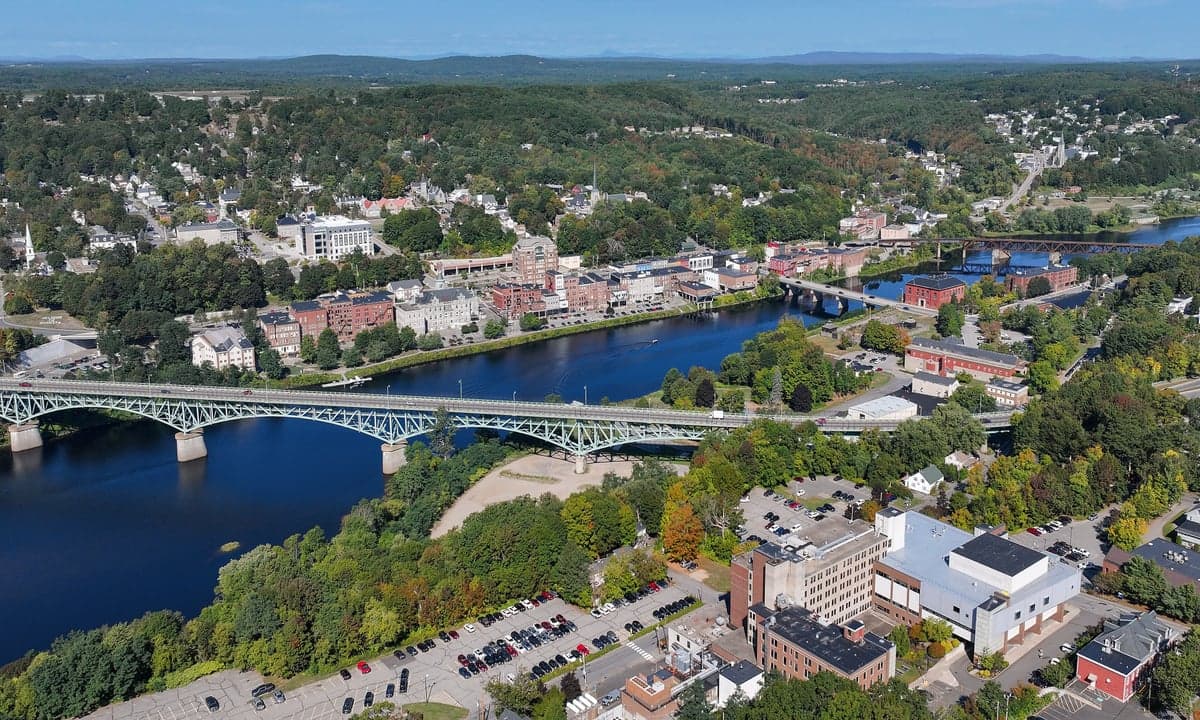
Photo: Wikipedia
Political ClimatePolitical Climate in Augusta, ME
District shown is the primary district for this city’s centroid. Cities may span multiple districts.
Local Political AnalysisPolitical Analysis of Augusta, ME
Augusta, Maine, sits in a political landscape that’s been shifting underfoot for a while now. The city itself has a Cook PVI of R+4, meaning it leans slightly more Republican than the national average, but that number doesn’t tell the whole story. Walk around the state capital and you’ll see a mix of old-school Yankee independence and newer, more progressive influences creeping in from Portland and the coast. The real story is how Augusta’s traditional, live-and-let-live character is being tested by policies that feel increasingly top-down, especially coming out of the statehouse just a few blocks away.
How it compares
To really get Augusta’s politics, you have to look at the towns around it. Drive 20 minutes north to Waterville, and you’ll find a similar blue-collar, independent streak, though it’s been trending a bit more moderate lately. Head south toward Portland, and you’re in a whole different world—that’s where the progressive agenda really takes hold, with policies on everything from energy mandates to land use that feel like they’re written for a different state. Out west, places like Winthrop and Readfield are more reliably conservative, with folks who’ve been here for generations and don’t take kindly to being told how to run their lives. Augusta sits right in the middle, a kind of political buffer zone where the old ways still have a foothold, but the pressure from the coast is real. The R+4 rating masks the fact that the city’s own local elections have seen a slow but steady push toward more government involvement in daily life—things like stricter zoning and higher fees that make you wonder who’s really in charge.
What this means for residents
For someone living here, the political climate means you’re constantly watching your back. The state government in Augusta has a habit of reaching into local affairs, whether it’s through mandates on energy efficiency that drive up your heating bills or land-use restrictions that make it harder to do what you want with your own property. There’s a growing sense that the folks in charge don’t trust you to make your own decisions. I’ve seen it firsthand—neighbors who used to just mind their own business now have to navigate a maze of permits and regulations just to put up a shed or start a small business. The shift toward progressive ideology is concerning because it chips away at the personal freedoms that made this area a good place to live. You used to be able to count on a handshake and a nod; now it feels like every move requires a form in triplicate.
Culturally, Augusta still holds onto some of that old Maine grit. You’ll find plenty of folks who hunt, fish, and heat with wood, and they’re not shy about saying they don’t need the government’s help. But there’s a tension in the air, especially as younger people move in from out of state, bringing ideas that don’t always fit the local rhythm. The city’s identity is caught between its role as a capital—where policy gets made—and its roots as a working-class river town. If the trend toward more regulation and less personal freedom keeps up, I worry Augusta will lose what made it special: a place where you could live your life without someone in an office telling you how to do it. For now, it’s still a decent spot, but you’ve got to keep your eyes open and your voice loud at town meetings.

State Political ClimatePolitical Climate in Maine
State Political AnalysisPolitical Environment in the State
Maine has long been known as a politically independent state, but over the past 10-20 years, it has shifted noticeably leftward, particularly in its coastal and southern regions. The state’s overall partisan lean is now reliably Democratic at the presidential level, with Joe Biden winning by 9 points in 2020, though its two congressional districts tell very different stories. The 1st District, anchored by Portland and the southern coast, is solidly blue, while the 2nd District, covering the vast, rural north and west, is a competitive swing seat that has trended redder in recent cycles. This split makes Maine a fascinating but increasingly challenging environment for conservative-leaning families and individuals looking for a place where traditional values and personal freedoms are respected.
Urban vs. rural divide
The political map of Maine is essentially a story of two states. The southern coastal corridor, from Kittery through Portland and up to Brunswick, is the engine of Democratic power. Portland itself is a progressive stronghold, with city council races often dominated by left-wing candidates and policies like rent control and sanctuary city status. Bangor, the state’s third-largest city, is more moderate but still leans Democratic, especially in its urban core. In contrast, the vast interior and northern reaches are deeply conservative. Presque Isle and Caribou in Aroostook County are reliably Republican, as are towns like Ellsworth and Belfast in Hancock County, though the latter has seen some in-migration from out-of-state liberals. The 2nd Congressional District, which covers most of this rural territory, flipped from Obama to Trump in 2016 and has remained competitive, with Republican Jared Golden holding the seat in 2024 despite the district voting for Biden. The divide is stark: a drive from Portland to Fort Kent is a journey from a coastal, cosmopolitan enclave to a working-class, resource-dependent region where gun rights and logging traditions are paramount.
Policy environment
Maine’s state-level policy environment has become increasingly progressive, which is a major concern for conservative newcomers. The state has a graduated income tax with a top rate of 7.15%, one of the highest in New England, and property taxes are notoriously high, especially in rural areas where services are thin. The regulatory posture is heavy, with strict environmental rules that often hamper development and land use. On education, Maine has adopted controversial “equity” and social-emotional learning frameworks that many parents view as ideological indoctrination. The state’s healthcare system is heavily regulated, with a Medicaid expansion that was pushed through by voters in 2017. Election laws are relatively open, with same-day voter registration and no voter ID requirement, which has raised concerns about election integrity among conservatives. The state also has a “clean elections” public financing system that many see as a way to entrench incumbents. For a family or individual valuing limited government, these policies create a headwind.
Trajectory & freedom
Maine’s trajectory over the past decade has been one of declining personal freedom, particularly in areas of parental rights, gun rights, and medical autonomy. In 2023, the legislature passed a strict “red flag” law (LD 2226) that allows for the temporary seizure of firearms without a criminal conviction, a move that alarmed Second Amendment advocates. The state also enacted a near-total ban on abortion at 24 weeks, but with no exceptions for parental notification for minors, which many conservatives see as an erosion of family rights. On education, Maine has resisted school choice, with no voucher program and limited charter school options, leaving parents with little recourse if their local school adopts controversial curricula. The state’s response to COVID-19 was among the most restrictive in the nation, with prolonged lockdowns and vaccine mandates that many felt overstepped government authority. While there have been some wins for liberty—like the 2024 repeal of a law that would have required gender-neutral bathrooms in schools—the overall trend is toward more government control, not less.
Civil unrest & political movements
Maine has not seen the large-scale civil unrest of bigger states, but there are visible flashpoints. Portland has been a sanctuary city since 2017, and the influx of asylum seekers has strained local resources and sparked tensions. In 2023, a protest in Portland over a proposed homeless shelter turned violent, with clashes between left-wing activists and police. On the right, the Maine Second Amendment Coalition is a well-organized force, regularly turning out hundreds of people to the State House to oppose gun control measures. The “Maine Way” of live-and-let-live is still strong in rural areas, but it’s increasingly at odds with the coastal progressive agenda. Election integrity has been a hot-button issue, with the 2020 election seeing a surge in absentee ballots and no voter ID law, leading to ongoing distrust among conservatives. The state’s unique ranked-choice voting system, used for federal elections, has been a source of controversy, with some arguing it dilutes the power of traditional party votes.
Projection
Over the next 5-10 years, Maine is likely to become more polarized, not less. In-migration from out-of-state liberals, particularly to coastal towns like Camden and Rockland, will continue to shift the southern coast leftward. Meanwhile, the rural 2nd District will likely remain a Republican stronghold, but its population is declining, reducing its political influence. The state’s aging population—Maine has the oldest median age in the nation—means that younger, more progressive voters moving in could tip the balance further. A conservative moving to Maine now should expect to find a state where their values are respected in the woods and fields but increasingly marginalized in the halls of power. The fight over parental rights, gun ownership, and local control will intensify, and the state’s high tax burden is unlikely to ease.
For a conservative family or individual considering Maine, the bottom line is this: you can find a welcoming community in the rural north and west, but you will be swimming against a strong political tide. The state’s natural beauty and independent spirit are real, but they are increasingly overshadowed by a government that is expanding its reach into your home, your wallet, and your children’s education. If you value low taxes, strong gun rights, and local control, you may find Maine’s current trajectory frustrating. However, if you are willing to engage in the political fight and build community with like-minded neighbors, places like Brewer or Farmington offer a quality of life that is hard to beat—just know that the state’s leadership is not on your side.
* Values derived from national, state, county, city and local statistics and may differ in a specific area. Last updated: 2026-05-02T01:26:07.000Z
Narrative content on this page is AI-generated and may contain mistakes. Verify any details that matter before acting on them.
ReloMaps may earn a commission from affiliate links at no extra cost to you.

