 Popular
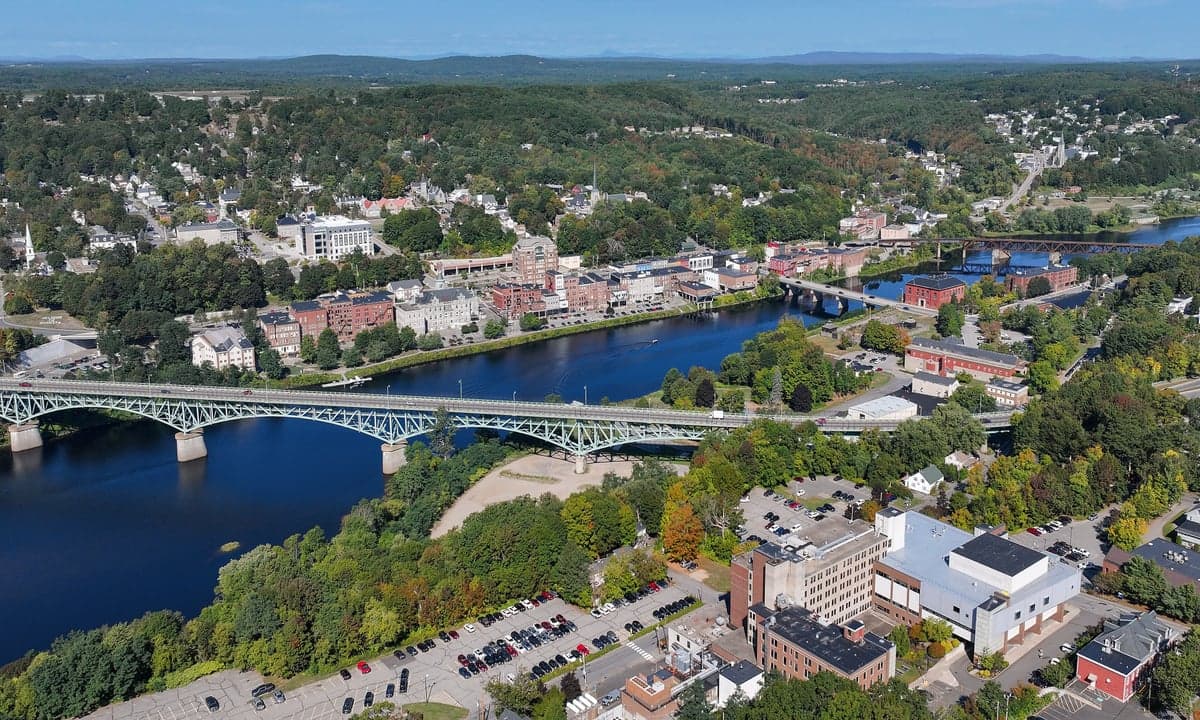
Photo: Wikipedia
Quality of Life in Augusta, ME
A high quality of life with strong walkability, manageable living costs, healthy neighborhood signals, and solid amenity access.
What does Quality of Life tell us?
Quality of Life blends cost of living, nearby amenities, socioeconomic signals, and neighborhood character. City-level scores represent the whole municipality; individual neighborhoods can differ.
What does this tell us?
Quality of Life blends cost of living, nearby amenities, socioeconomic signals, and neighborhood character. City-level scores represent the whole municipality; individual neighborhoods can differ.
Cost of Living
27% below national average
The Real Cost of Living in Augusta, ME for 2026
| Tier | Individual | Family (4) |
|---|---|---|
| Survival | $14k | $27k |
| Comfortable | $37k | $54k |
| Luxury | $88k+ | $137k+ |
| Elite (Top 5%) | $111k+ | $172k+ |
90%
The Area Signal
A metric tracking the socioeconomic signals of the area.
Hobbies
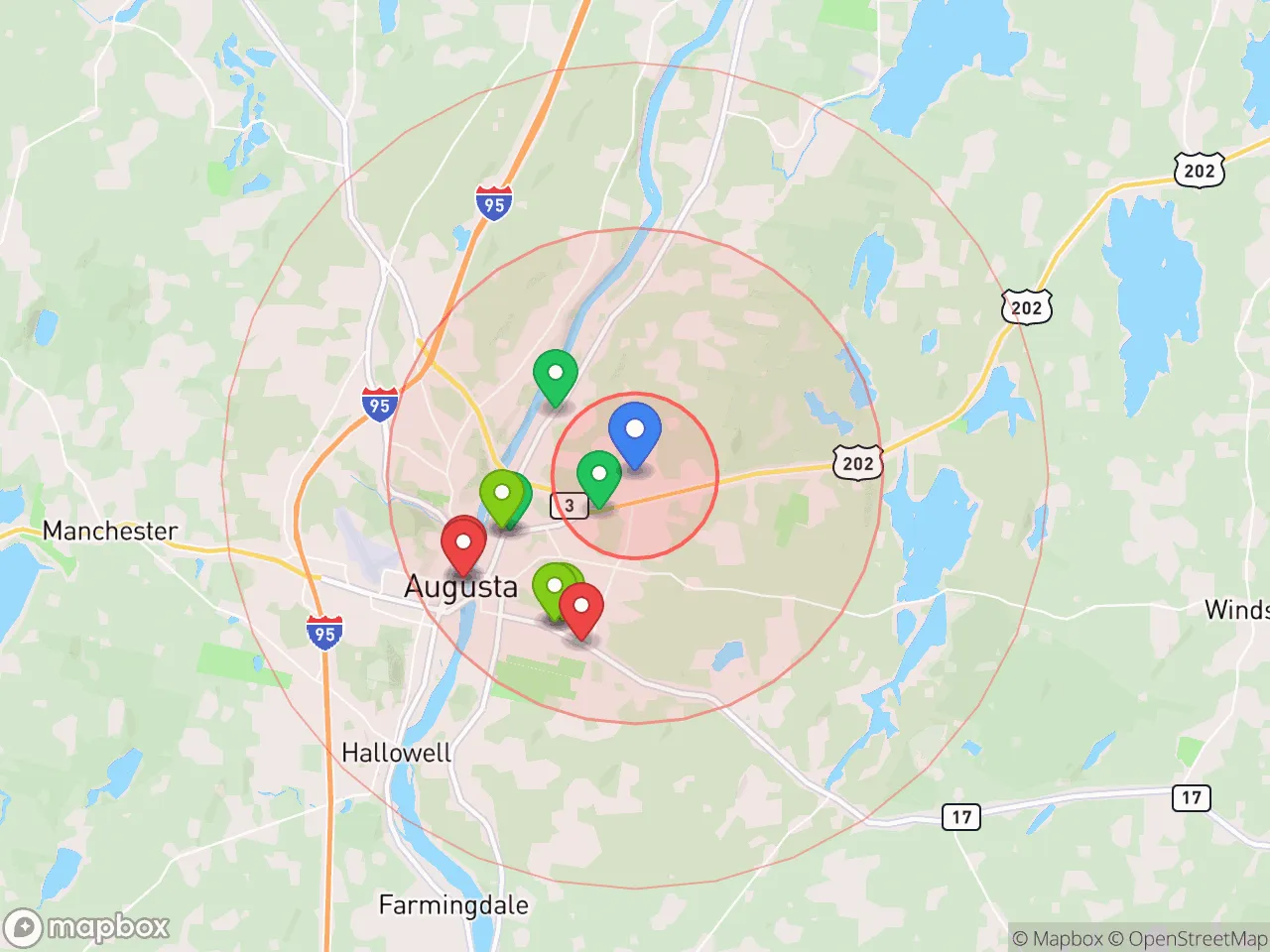
Explore the areaGroceries
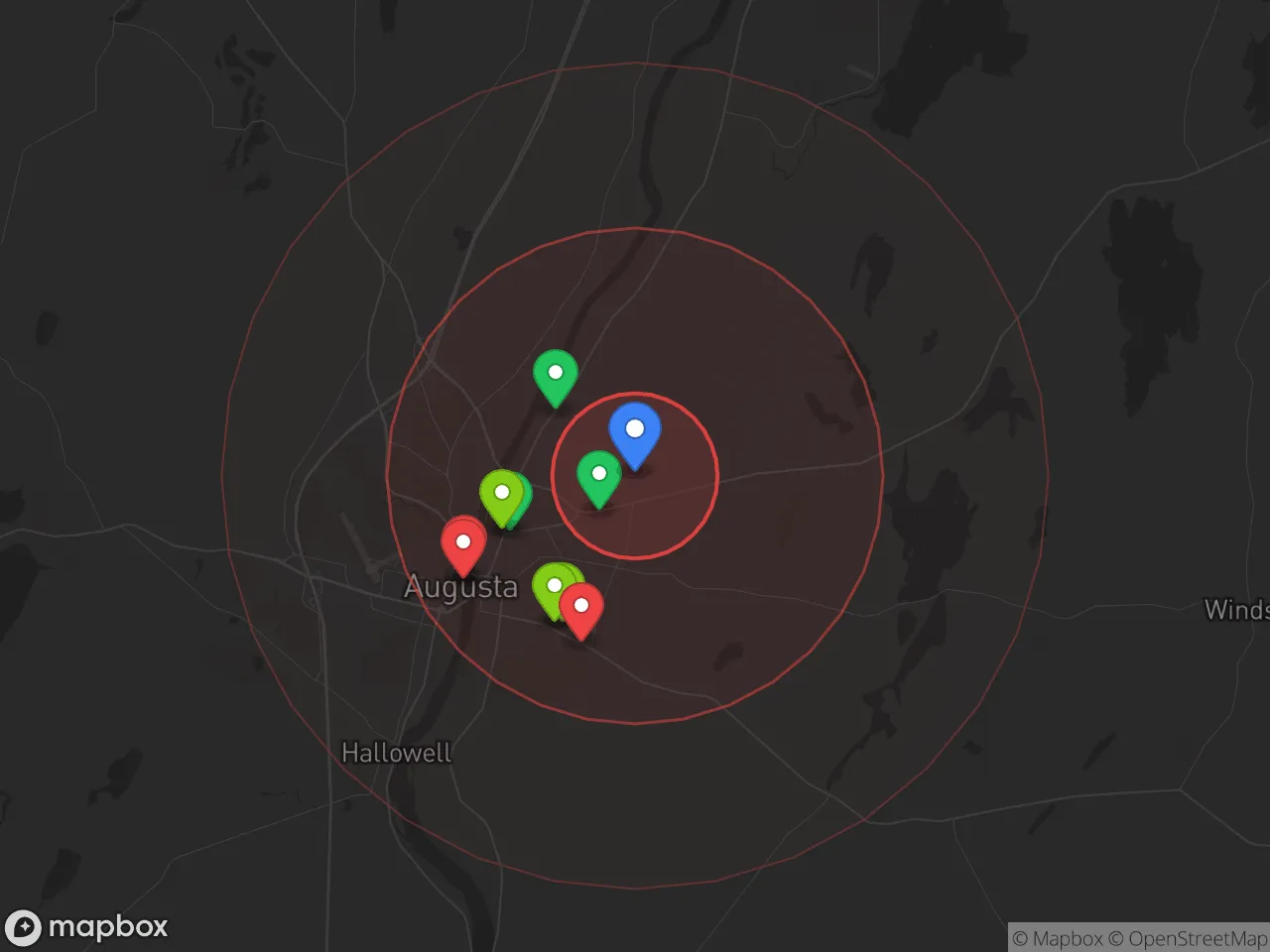
5 within 10 miles
Gas
20 within 10 miles
Hospital
7 within 20 miles
Airport
PDX — Portland International Jetport
Post Office
USPS — Augusta, ME
Critical Amenities
Quality-of-Life Analysis
Augusta, Maine, presents a quality of life defined by modest affluence and a strong sense of community, attracting a mix of state government employees, healthcare workers, and retirees seeking a lower cost of living. With a cost of living index of 73—well below the national average of 100—the city offers financial breathing room that is increasingly rare in the Northeast. The population skews slightly older and more settled than the national average, with a median age of 44, reflecting a stable, family-oriented and professional demographic rather than a transient college town.
Cost of living, housing affordability, and how Augusta compares to nearby areas
Augusta’s housing market is a standout feature for affordability, especially when compared to Portland or coastal Maine. The median home value sits at $188,900, roughly half the median in Portland ($400,000+) and significantly below the national median of $350,000. Median rent is $887, which is about 30% lower than the national median rent of $1,200. This affordability extends to utilities and groceries, both of which are below the U.S. average. The average commute time is 16.4 minutes, far shorter than the national average of 26 minutes, meaning residents save both time and money on transportation. Compared to nearby Waterville (COL index 75) or Lewiston (COL index 72), Augusta is slightly more expensive but offers a larger job market and more state-level amenities.
Schools, amenities, and the daily rhythm of life in Augusta
Daily life in Augusta revolves around a compact, walkable downtown anchored by the Maine State Capitol complex and the Kennebec River waterfront. The city’s public schools, part of the Augusta School Department, serve about 2,800 students and include Cony High School, which offers a range of Advanced Placement courses and vocational programs through the Capital Area Technical Center. For families, the Maine State Museum and the Children’s Discovery Museum provide year-round educational outings, while the Kennebec River Rail Trail offers a 6.5-mile paved path for biking and walking. Healthcare is a major local employer, with MaineGeneral Medical Center providing comprehensive services and employing over 3,000 people. The city’s dining and retail scene is modest but functional, with local staples like the Red Barn for breakfast and the Senator Inn for classic Maine fare. Grocery access is solid, with Hannaford and Walmart Supercenter within the city limits. For broader shopping and entertainment, residents drive 20 minutes to the Augusta Civic Center or 45 minutes to Portland.
Augusta is best suited for individuals and families who prioritize financial stability, short commutes, and a slower pace of life over urban excitement. State government workers, healthcare professionals at MaineGeneral, and remote workers who value low housing costs will find the city particularly appealing. Retirees on fixed incomes benefit from the low cost of living and access to quality healthcare, while families appreciate the safe neighborhoods and reasonable school options. Those seeking vibrant nightlife, high-end dining, or a fast-paced career hub will likely find Augusta too quiet, but for anyone looking to stretch a dollar further in a clean, safe, and community-oriented environment, it is a strong choice.

Crime in Augusta, ME
Generally safer than 68% of comparable U.S. locations.
Violent CrimeViolent Crime Analysis
Property CrimeProperty Crime Analysis
Crime Analysis
Augusta, Maine, reports a violent crime rate of 218.4 incidents per 100,000 residents, which is below the national average but above the statewide average for Maine. The property crime rate, however, stands at a notably high 3,468.7 per 100,000—more than double the state average and significantly above the national figure. This disparity makes property crime the primary safety concern for residents, while violent incidents remain relatively uncommon compared to the rest of the United States.
Crime in context
When compared to national benchmarks, Augusta's violent crime rate is roughly 40% lower than the U.S. average of about 380 per 100,000. However, it is approximately 60% higher than Maine's statewide violent crime rate of roughly 130 per 100,000. The property crime picture is more stark: Augusta's rate is nearly 80% higher than the national average of roughly 1,950 per 100,000 and more than double Maine's statewide property crime rate of about 1,500 per 100,000. This places Augusta among the higher-crime municipalities in Maine, though it remains safer than many comparably sized cities in other regions of the country. The elevated property crime numbers are driven largely by larceny-theft and motor vehicle theft, which are concentrated in commercial and downtown areas.
What residents experience
For daily life, the practical impact is that residents are far more likely to deal with a stolen package, a broken car window, or a burglary than to encounter a violent crime. The city's status as the state capital and a regional commercial hub brings transient traffic that contributes to these property crime totals. A significant concern for many residents is the influence of progressive criminal justice policies in Maine's court system. Liberal and progressive judges and district attorneys in the region have been criticized for prioritizing offender rehabilitation over public safety, leading to shorter sentences and more frequent pretrial releases. This approach, while sympathetic to offenders, directly results in more criminals returning to the streets quickly, negatively impacting justice for victims and the general public. Repeat property offenders are a documented issue, with many arrests involving individuals already on probation or with multiple prior charges.
Neighborhood-level variation is notable. The downtown core, particularly along Water Street and the area near the Kennebec River, sees the highest concentration of property crime and drug-related incidents. Residential neighborhoods on the east side of the river (the "East Side") and areas like the South End generally report lower crime rates. The most significant safety advice for newcomers is to secure vehicles and homes diligently, especially in central and commercial districts, and to be aware that the local justice system's leniency means that reporting a property crime may not lead to a lasting resolution for the offender.
* Values derived from national, state, county, city and local statistics and may differ in a specific area. Last updated: 2026-05-02T01:26:07.000Z
Narrative content on this page is AI-generated and may contain mistakes. Verify any details that matter before acting on them.
ReloMaps may earn a commission from affiliate links at no extra cost to you.

