 Popular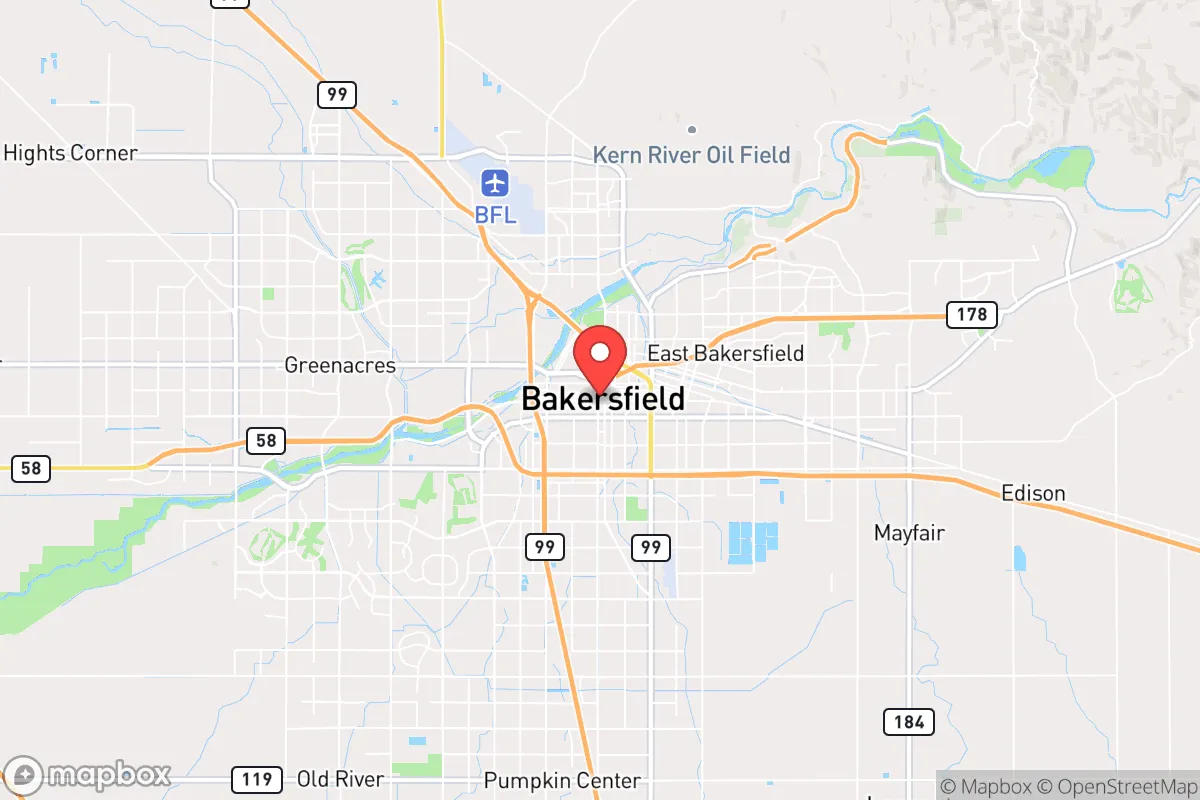
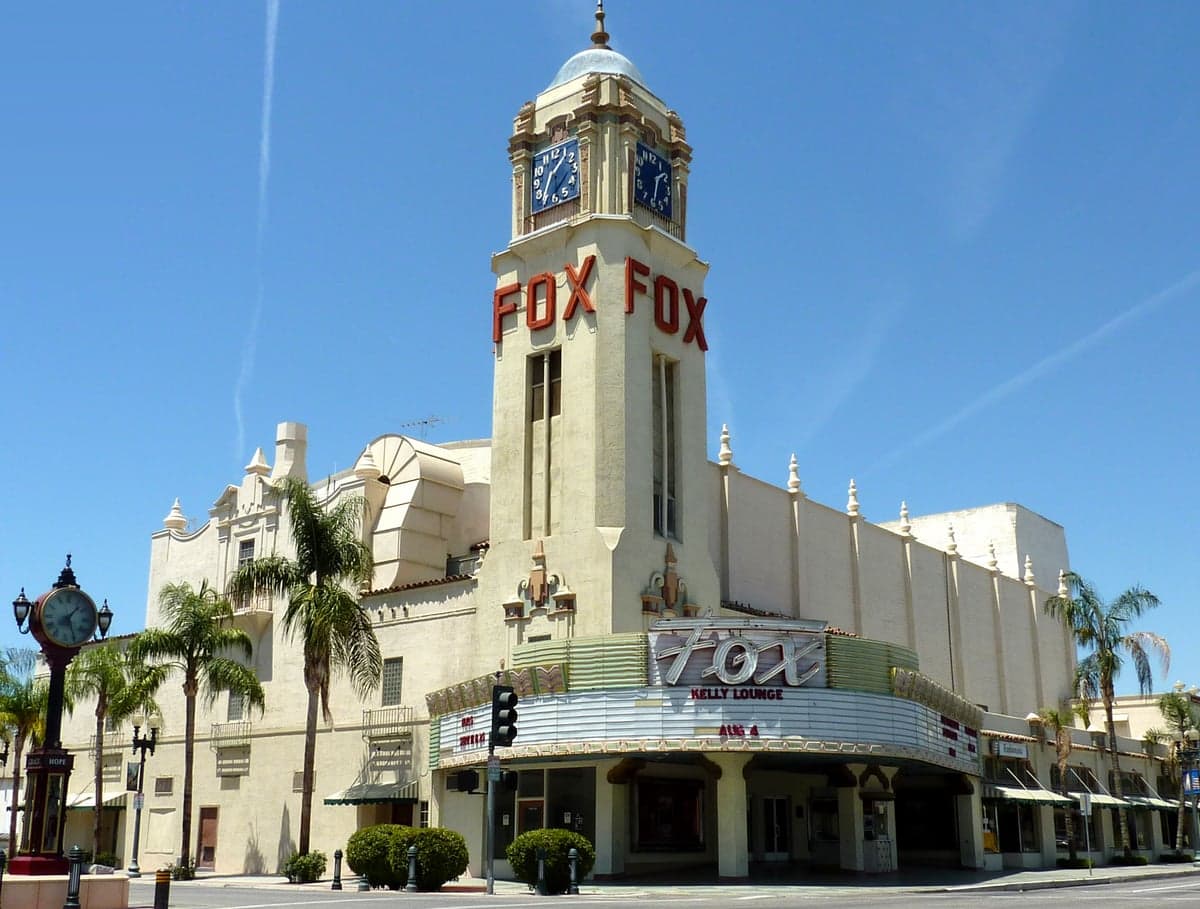
Photo: Wikipedia
Political ClimatePolitical Climate in Bakersfield, CA
District shown is the primary district for this city’s centroid. Cities may span multiple districts.
Local Political AnalysisPolitical Analysis of Bakersfield, CA
Bakersfield has long been a conservative stronghold in California, and that hasn't changed much. The Cook PVI of R+15 tells you everything you need to know about the baseline here—this is one of the most reliably Republican areas in the entire state, and it's been that way for decades. But if you've lived here as long as I have, you've seen the political winds shift in subtle ways that are worth paying attention to, especially if you're thinking about relocating and want to know what you're really getting into.
How it compares
Drive an hour west to the coast, and you're in a completely different world. Santa Barbara and San Luis Obispo are deep blue, with progressive policies on housing, taxes, and public safety that would never fly here. Head north to Fresno, and you'll find a similar conservative lean, but it's not as pronounced as Bakersfield's—Fresno County has been trending purple in recent years, while Kern County remains solidly red. Bakersfield is the anchor of the Central Valley's conservative corridor, and it stands in stark contrast to the coastal cities that dominate California's politics. Even within Kern County, the city of Delano and some smaller towns have shifted left, but Bakersfield proper holds the line.
What this means for residents
For folks who value personal freedom and limited government, Bakersfield is still a breath of fresh air compared to most of California. Property taxes are relatively low thanks to Prop 13, and the city council has resisted the kind of overreach you see in places like Los Angeles or San Francisco—no mask mandates that drag on forever, no defunding the police, no sanctuary city policies that put public safety second. The local government here generally understands that your rights don't end at the city limits. That said, there's been a creeping influence from state-level progressive policies that we can't fully shake. The high-speed rail boondoggle, for example, has been a constant headache, and state mandates on energy and housing are starting to squeeze local control. It's something to keep an eye on—if the state keeps pushing, Bakersfield's way of life could be at risk.
On the ground, you'll find a community that values self-reliance and common sense. Gun rights are respected, and you won't get sideways looks for having a Trump sign in your yard. The local economy is built on oil, agriculture, and logistics, which means most folks here are more worried about making a living than about the latest culture war trends. But there's a growing tension as younger people move in from the coast, bringing their politics with them. It's not a flood yet, but it's a trickle that could become a stream if we're not careful.
One thing that sets Bakersfield apart is its strong sense of community and tradition. The Basque culture, the rodeo, the local fairs—these aren't just tourist attractions, they're the fabric of daily life. People look out for each other here, and that's a rare thing in today's California. If you're looking for a place where you can live your life without the government breathing down your neck, Bakersfield is still one of the best bets in the state. Just keep an eye on the statehouse—that's where the real fight is.

State Political ClimatePolitical Climate in California
State Political AnalysisPolitical Environment in the State
California is a one-party Democratic state where Republicans have been effectively locked out of statewide power for nearly two decades, with Democrats holding every statewide office, supermajorities in both legislative chambers, and a 2-to-1 voter registration advantage. The state’s political trajectory over the last 20 years has been a steady march leftward—from the recall of Gray Davis in 2003 (the last gasp of competitive politics) to the current era of single-party rule where progressive priorities on taxes, regulation, and social policy are rarely challenged. For a conservative considering relocation, the bottom line is clear: California’s political climate is hostile to traditional values, fiscal conservatism, and individual liberty, and the trend lines point further in that direction.
Urban vs. rural divide
The political map of California is a tale of two worlds. The coastal urban crescent—from San Francisco and the Bay Area down through Los Angeles, San Diego, and Orange County—drives the state’s Democratic supermajority. These metros are home to the tech industry, Hollywood, and a dense concentration of progressive voters who reliably deliver 60-70% of the vote for Democrats. In contrast, the vast interior—the Central Valley, the Sierra foothills, and the far north—is deeply red. Counties like Kern (Bakersfield), Shasta (Redding), and Butte (Chico) routinely vote 60-70% Republican. Even in blue metros, there are pockets of resistance: Orange County flipped blue in 2018 but still has conservative strongholds like Yorba Linda and Huntington Beach, the latter of which has become a flashpoint for parental rights and anti-mask mandates. The rural-urban divide is so stark that a drive from Sacramento to Redding feels like crossing a political border—the billboards change from electric vehicle ads to gun shop signs.
Policy environment
California’s policy environment is a laboratory for progressive governance, and it shows in the numbers. The state has the highest income tax rate in the nation (13.3% for top earners), a state sales tax that can exceed 10% with local add-ons, and some of the highest gas taxes in the country (over 60 cents per gallon). Property taxes are capped by Prop 13, but that’s under constant attack from the legislature. On regulation, California is unmatched: the California Environmental Quality Act (CEQA) is weaponized to block housing and infrastructure, while the California Air Resources Board (CARB) sets emissions standards that effectively dictate policy for the entire nation. Education policy is dominated by the teachers’ unions, with school choice virtually nonexistent—charter schools are under siege, and parental notification laws for LGBTQ+ curriculum changes were recently vetoed. Healthcare is heavily regulated, with a state-run exchange (Covered California) and a push toward single-payer that hasn’t passed yet but remains a goal. Election laws are among the most liberal: universal mail-in voting, same-day registration, and no voter ID requirement—a system that conservatives view as ripe for fraud.
Trajectory & freedom
California is becoming less free by almost any measure, and the pace is accelerating. On gun rights, the state has some of the strictest laws in the nation: an assault weapons ban, a 10-day waiting period, a “may issue” concealed carry regime that was recently tightened further by SB 2 (2023), which effectively bans carrying in most public places. On parental rights, the legislature passed AB 1955 (2024), which prohibits school districts from requiring parental notification when a child changes their gender identity—a direct assault on family authority. On speech, the state has criminalized “hate speech” in certain contexts and allows for civil liability for “misgendering” in workplaces. On medical autonomy, California mandates COVID-19 vaccines for schoolchildren (though not yet enforced) and has a state-run vaccine database that raises privacy concerns. Property rights are under constant erosion: rent control was expanded statewide by AB 1482 (2019), and the legislature has flirted with “just cause” eviction requirements that make it nearly impossible to remove problem tenants. The only area where freedom has expanded is on recreational drugs—marijuana is fully legal—but that’s cold comfort for conservatives watching their other liberties shrink.
Civil unrest & political movements
California has been a hotspot for civil unrest and organized political movements on both sides. The 2020 George Floyd protests in Los Angeles and Oakland were among the largest and most destructive in the nation, with looting and arson that went largely unchecked by progressive district attorneys like George Gascón in LA and Pamela Price in Alameda County. The “defund the police” movement had real teeth here—Oakland cut its police budget by millions, and crime subsequently spiked. On the right, the “Recall Gavin Newsom” movement in 2021 gathered over 1.7 million signatures and came within 4 points of succeeding, driven by frustration with COVID lockdowns, business closures, and homelessness. The state’s sanctuary law (SB 54) prohibits local law enforcement from cooperating with federal immigration authorities, making California a de facto safe haven for illegal immigration. Secessionist rhetoric is alive in the “Calexit” movement (mostly a left-wing fantasy) and the “State of Jefferson” movement in the rural north, which wants to break away and form a new state. Election integrity is a constant flashpoint: the 2020 and 2022 elections saw widespread use of ballot drop boxes and mail-in voting, with no voter ID, leading to ongoing distrust among conservatives.
Projection
Over the next 5-10 years, California will likely become more progressive, more expensive, and more polarized. Demographic trends favor Democrats: the state’s growing Latino population leans left, and the white working-class base of the GOP is shrinking. In-migration from other states is overwhelmingly blue—tech workers from Texas and New York tend to be liberal. Out-migration is red: conservatives are fleeing to Texas, Idaho, and Florida, accelerating the political imbalance. The legislature will continue to pass laws that expand government control—expect a state-level single-payer healthcare push, further gun restrictions, and more rent control. The housing crisis will worsen, driving up costs and pushing more middle-class families out. The only wild card is a potential economic downturn: if the state’s budget deficit (currently estimated at $68 billion) forces severe cuts to services, it could trigger a backlash. But don’t hold your breath—California’s political machine is self-perpetuating, and the voters who remain are the ones who like it this way.
For a conservative moving to California, the practical takeaways are sobering. You will be paying the highest taxes in the nation, living under some of the strictest regulations, and raising children in a school system that actively undermines parental authority. Your vote for statewide office will be meaningless—the Democratic primary is the only election that matters. Your best bet is to find a red enclave like Huntington Beach, Yorba Linda, or Bakersfield, where local government offers some buffer. But even there, state law will override local preferences on guns, education, and taxes. If you value personal liberty, fiscal responsibility, and traditional values, California is not your state—and it’s only getting worse.
* Values derived from national, state, county, city and local statistics and may differ in a specific area. Last updated: 2026-04-19T20:55:11.000Z
Narrative content on this page is AI-generated and may contain mistakes. Verify any details that matter before acting on them.
ReloMaps may earn a commission from affiliate links at no extra cost to you.

