 Popular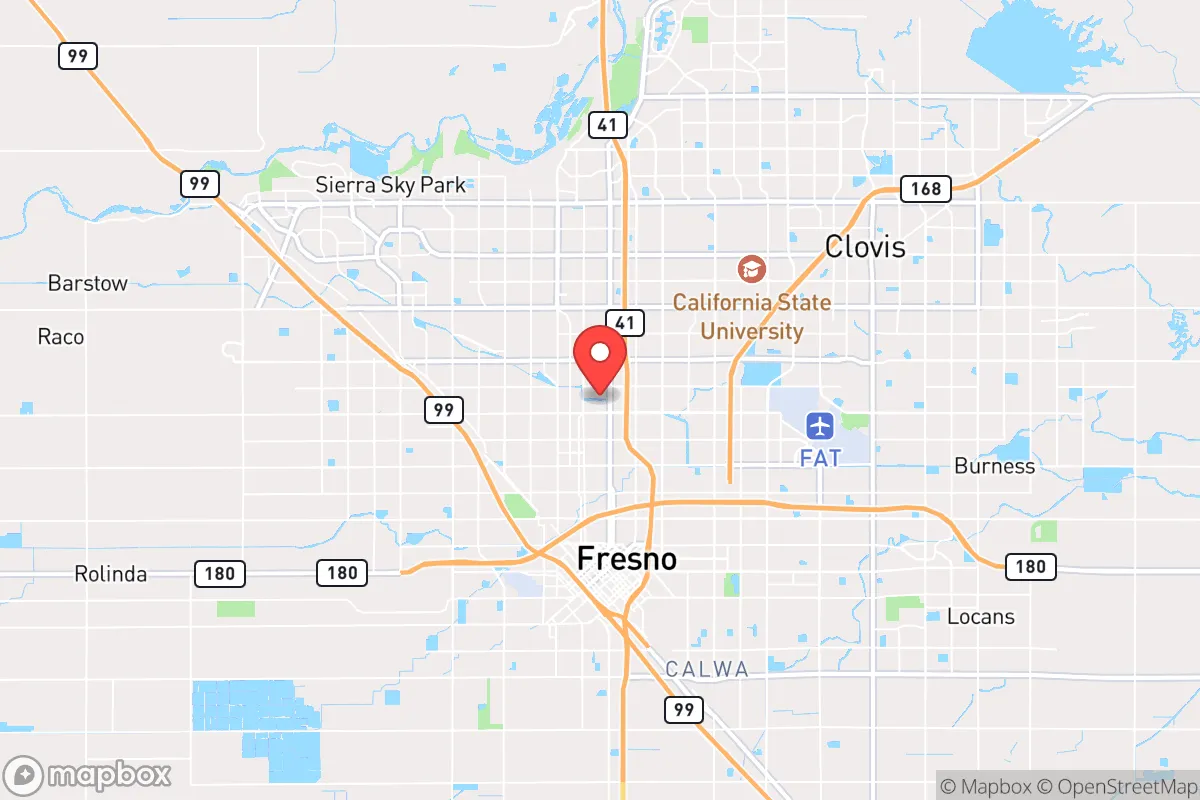
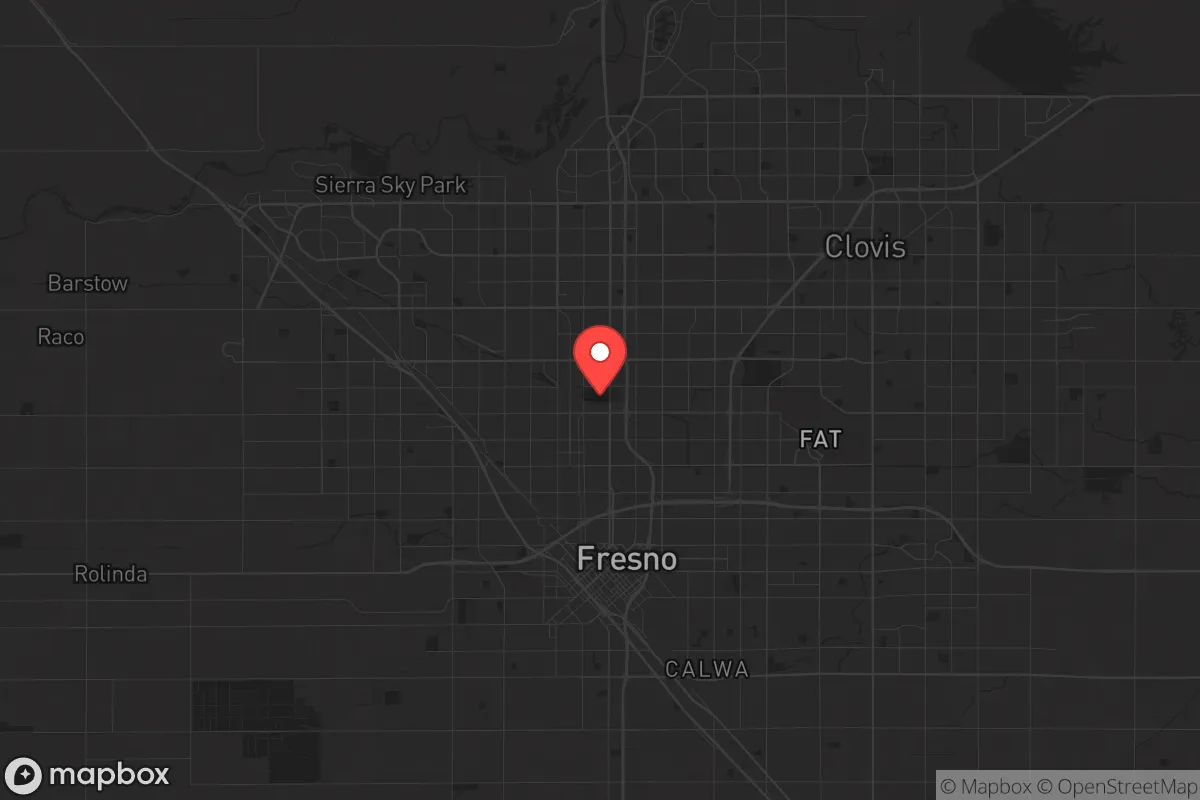
Photo: Wikipedia
Find The Best Places To Live
in Fresno
PRO TIP! You can paste a Zillow or Redfin link to get info on that property.
What It's Like Living in Fresno, CA
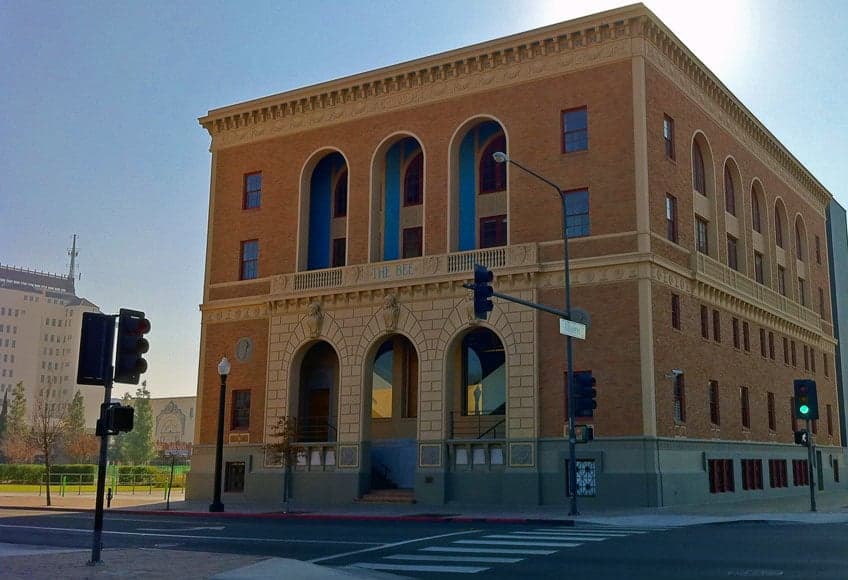
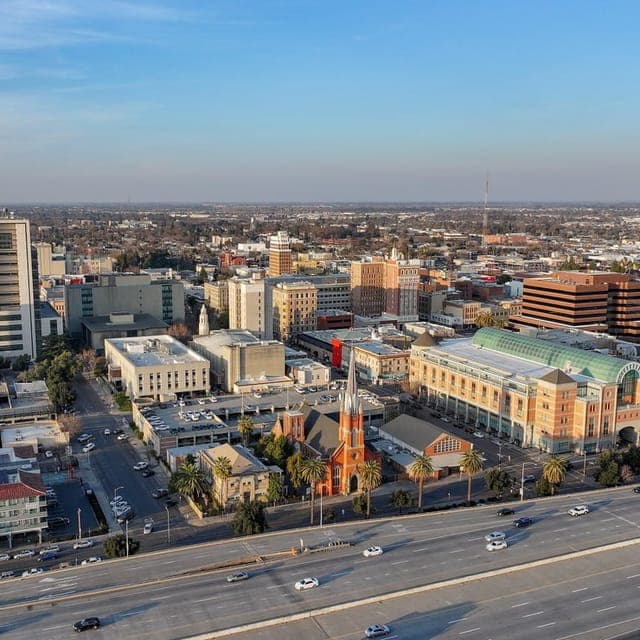
Fresno is California’s fifth-largest city, but it feels more like a sprawling, sun-baked small town where everyone seems to know someone who works in agriculture or local government. With a population just over 543,000 and a median age of 32.4, it’s a young, working-class hub that sits in the dead center of the state—close enough to Yosemite, Sequoia, and Kings Canyon for weekend trips, but far enough from the coast to have its own distinct, landlocked identity. If you’re looking for a place where the cost of living is lower than most of California but the heat is higher than almost anywhere else, Fresno might surprise you.
Daily Rhythm: What People Actually Do
Most Fresnans spend their days in the valley’s bread-and-butter industries: agriculture, healthcare, logistics, and local government. The commute is mercifully short—the average drive time is just over 22 minutes, which feels almost luxurious compared to Los Angeles or the Bay Area. People shop at chain stores like Costco and WinCo, but the real local flavor comes from the Vineyard Farmers Market on Saturdays and the Fresno State Winery, where students produce award-winning wines you can buy for under $20. Weekends often involve a trip to Woodward Park (a 300-acre green space with Japanese gardens and miles of walking trails) or a drive out to Kearney Park for a picnic under the old oaks. The Fresno Grizzlies minor-league baseball games at Chukchansi Park are a cheap, family-friendly staple—tickets run around $10, and the park’s downtown location makes it easy to grab a beer afterward at Tioga-Sequoia Brewing Company or Full Circle Brewing.
Sports & Community: High School Rivalries and Minor League Pride
Fresno doesn’t have a major professional sports team, but that doesn’t mean sports are ignored. High school football is a big deal—rivalries between Bullard, Clovis, and Edison draw thousands of fans on Friday nights, and the games are a genuine community event. The Fresno State Bulldogs (NCAA Division I) are the closest thing to a local pro team; football games at Valley Children’s Stadium and basketball at the Save Mart Center pull in solid crowds, especially when they’re playing rivals like San Diego State or Boise State. For pro sports, residents drive 2.5 hours to the Bay Area or 3.5 hours to Los Angeles, but most don’t bother—they’re content with the Grizzlies and the occasional Fresno FC soccer match. The Big Fresno Fair in October is the year’s biggest event, combining carnival rides, livestock shows, and enough fried food to feed a small army.
What’s There to Do: Festivals, Food, and the Outdoors
Fresno’s cultural scene punches above its weight for a city its size. The Fresno Art Museum and Arte Américas offer rotating exhibits, and the Rogue Festival (a fringe theater event) brings experimental performances every spring. The food scene is heavily influenced by the region’s agricultural bounty—Armenian, Mexican, and Hmong cuisines are especially strong. Try the lahmajoun (Armenian flatbread) at George’s Shish Kebab, the tacos at Don Pepe’s, or the pho at Pho 2000. For outdoor enthusiasts, the San Joaquin River Gorge offers hiking and fishing 20 minutes north, and Yosemite National Park is a 90-minute drive—meaning you can be in the world’s most famous granite valley by mid-morning. The downside? Summer temperatures routinely hit 100°F from June through September, so outdoor activities are best done early or late in the day. Air quality is also a concern during wildfire season (typically July–October), when smoke from the Sierra Nevada can settle in the valley.
Pros and Cons of Living Here
- Pros: The cost of living is a major draw—median home value is $348,500, compared to California’s statewide median of over $700,000. The cost of living index is 118 (18% above the national average), which is high for the U.S. but low for California. The median household income of $66,804 means a family can afford a modest home and still have money left for travel. The proximity to three national parks is unmatched by any other California city of this size.
- Cons: The violent crime rate is 328.5 per 100,000 residents—higher than the national average of about 380, but lower than many comparable cities (it’s roughly on par with Bakersfield or Stockton). Property crime is more of a concern, especially car break-ins and package thefts. Only 24.9% of adults hold a bachelor’s degree, which is well below the national average of 33%—this can make the job market feel limited for white-collar professionals. The heat and air quality are genuine drawbacks for anyone with respiratory issues or a preference for mild summers.
Fresno works best for people who value affordability, outdoor access, and a slower pace over coastal glamour. It’s a place where you can buy a house in your 20s, raise a family without constant financial anxiety, and still be within a few hours of world-class skiing, hiking, and surfing. The trade-offs are real—the summer heat, the crime in certain neighborhoods, and the lack of high-end cultural amenities—but for the right person, those are manageable. If you’re looking for a California city that feels more like the Midwest with palm trees, Fresno might be your spot.

Similar mid-size cities to Fresno
* Values derived from national, state, county, city and local statistics and may differ in a specific area. Last updated: 2026-04-30T07:51:53.000Z
Narrative content on this page is AI-generated and may contain mistakes. Verify any details that matter before acting on them.
ReloMaps may earn a commission from affiliate links at no extra cost to you.

