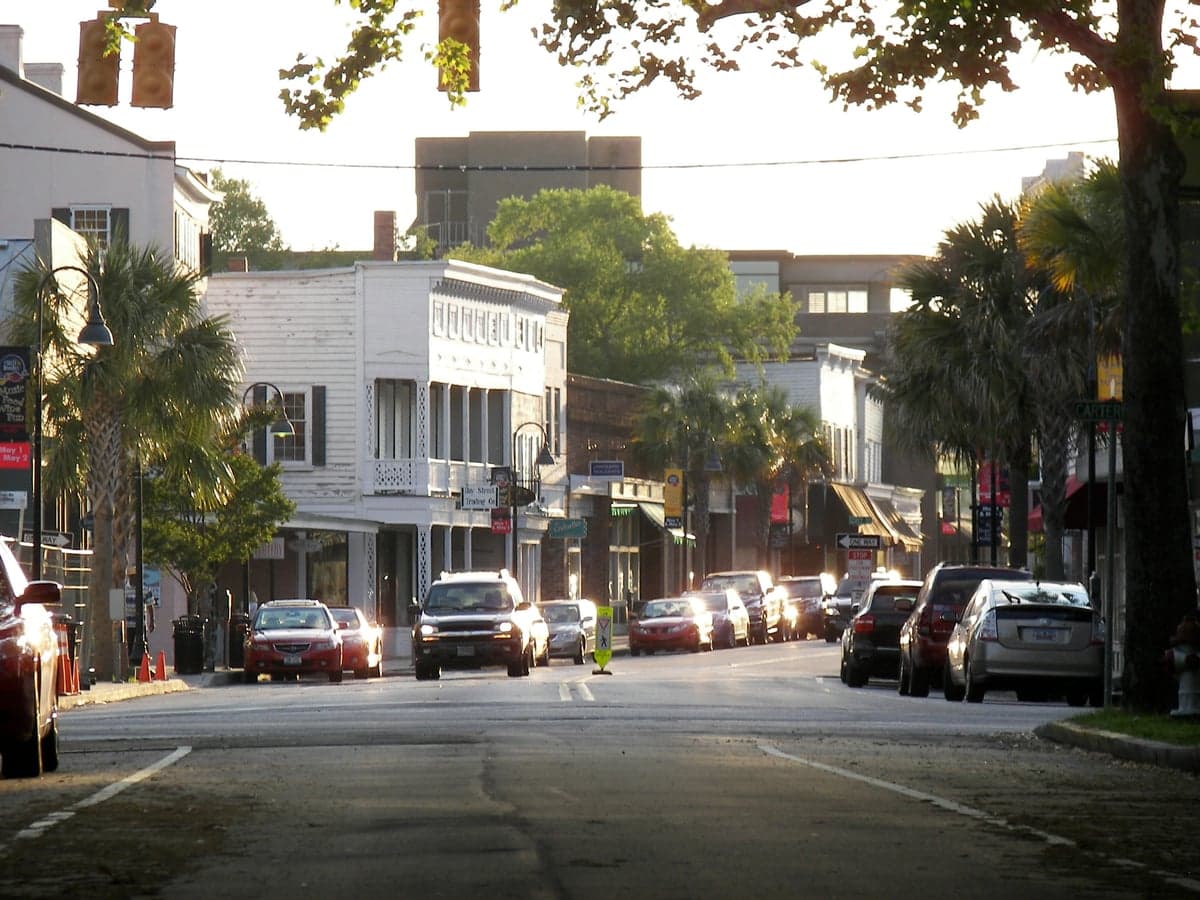

Photo: Wikipedia
Political ClimatePolitical Climate in Beaufort, SC
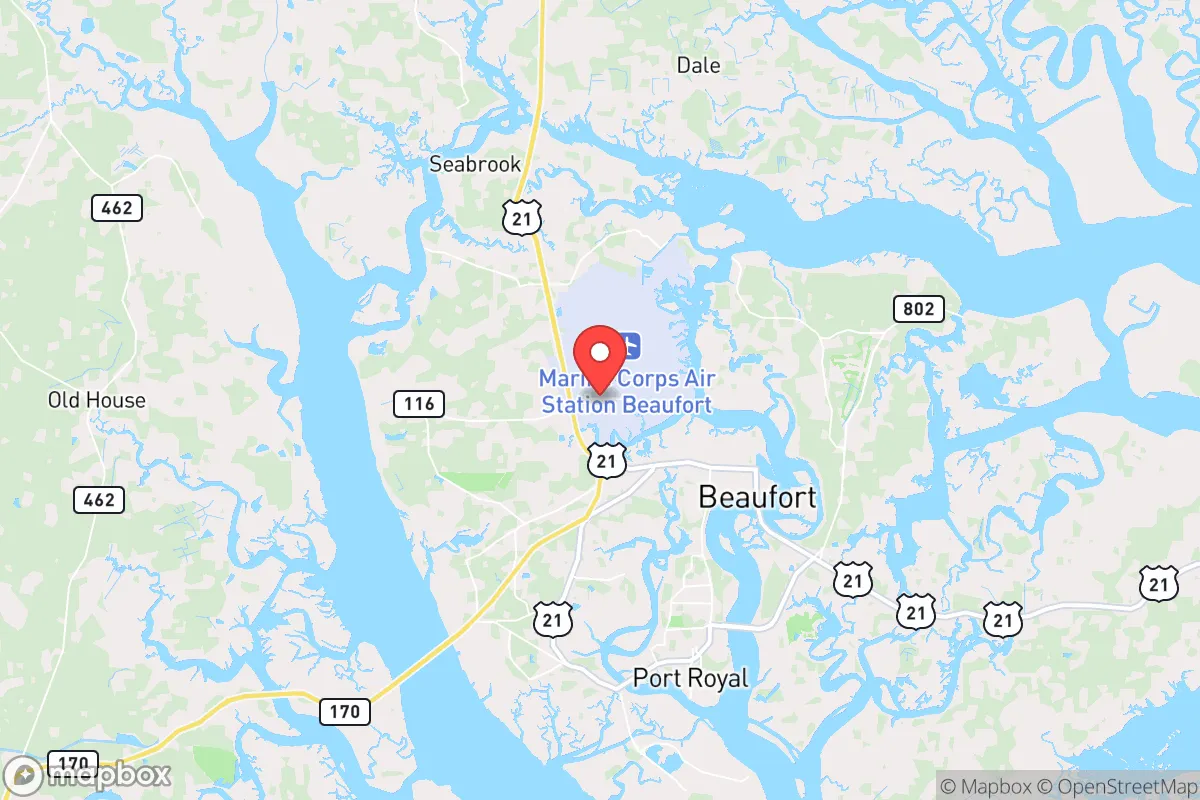
District shown is the primary district for this city’s centroid. Cities may span multiple districts.
Local Political AnalysisPolitical Analysis of Beaufort, SC
Beaufort, South Carolina, has long been a place where traditional Southern values and a deep respect for personal liberty hold strong, but like many coastal towns, it’s feeling the pressure of outside influence. The area’s political lean is solidly conservative, with a Cook PVI of R+6, meaning it’s about six points more Republican than the national average. That said, the trajectory here is a bit of a tug-of-war: the old guard, made up of military families, retirees, and folks who’ve been here for generations, still votes red, but an influx of newcomers from blue states is slowly nudging things toward the center. If you’re looking for a place where government stays out of your business and your rights are respected, Beaufort is still a good bet, but you’ve got to keep an eye on the local elections.
How it compares
Beaufort’s political climate stands in stark contrast to the surrounding areas, which gives you a real sense of the local divide. Head north to the more rural parts of Beaufort County, like the towns of Yemassee or Sheldon, and you’ll find a deeper shade of red—places where the Second Amendment is a given and taxes are kept low. But drive just a few miles east to Hilton Head Island, and you’ll hit a different world: a resort community with a more transient population that leans noticeably left, especially on environmental regulations and social issues. Then there’s Charleston, about an hour and a half up the coast, which has gone full-on progressive in recent years, with its bike lanes, zoning overlays, and a city council that seems to think it knows better than you do. Beaufort sits right in the middle—conservative enough to feel like home, but with enough coastal pressure to make you wonder if the next election might tip the scales.
What this means for residents
For those of us who’ve lived here a while, the political shift is something you feel in your daily life. Property taxes have crept up as the county tries to fund new schools and infrastructure for the growing population, and there’s been talk of stricter building codes that could limit what you can do with your own land. The real concern, though, is the slow creep of government overreach into personal freedoms—things like mask mandates during the pandemic or proposals to restrict short-term rentals that would tell you how to use your own home. On the flip side, Beaufort still has a strong sense of community where neighbors look out for each other, and the local sheriff’s office is known for respecting constitutional rights. If you value your privacy and want to live without a bureaucrat telling you how to live, this is still a decent place to be—but you’ve got to stay engaged and vote in every local race, because the school board and county council seats are where the real battles are fought.
One thing that sets Beaufort apart is its deep military roots, with Marine Corps Recruit Depot Parris Island and the Naval Hospital right here. That gives the area a no-nonsense, duty-first culture that doesn’t have much patience for progressive social experiments. You’ll also notice a strong sense of historical preservation, which is a double-edged sword: it keeps the downtown charming and protects property values, but it can also mean more red tape if you want to renovate an old house. Culturally, Beaufort is still a place where folks wave from their porches and the local barbecue joint is the center of political debate. The long-term worry is that as more people move in from places like New York and California, they’ll bring their ideas about bigger government and less personal freedom. For now, though, Beaufort remains a conservative stronghold where you can still enjoy the lowcountry lifestyle without too much interference—just don’t take it for granted.

State Political ClimatePolitical Climate in South Carolina
State Political AnalysisPolitical Environment in the State
South Carolina has been a reliably red state for decades, but the flavor of that conservatism is shifting. The state leans Republican by about 18 points in federal elections, with the 2024 presidential race seeing Donald Trump win by 17.6 points. However, the coalition that delivers those wins is changing: the old-school, low-country planter-class Republicans are being outnumbered by a wave of transplants from the Northeast and Midwest, many of whom moved here specifically for lower taxes and fewer restrictions. Over the last 10-20 years, the state has moved from a sleepy, good-ol'-boy conservative stronghold into a more dynamic, growth-oriented red state, but that growth is bringing its own tensions, especially in the fast-growing suburbs around Charleston and Greenville.
Urban vs. rural divide
The political map of South Carolina is a study in contrasts. The rural, agricultural counties of the Pee Dee region (like Dillon and Marlboro) and the Lowcountry's inland counties (like Allendale and Bamberg) are deeply Democratic, often voting +30 to +40 for the party, driven by a large African American population and persistent poverty. Meanwhile, the Upstate — anchored by Greenville and Spartanburg — has become a Republican powerhouse, with Greenville County itself delivering a +20 margin for Trump in 2024. The real battleground is the suburban ring around Charleston, particularly in Berkeley County and Dorchester County. These areas, filled with military families, tech workers, and retirees from the North, are reliably Republican but are showing cracks: Mount Pleasant and Summerville have seen a noticeable uptick in Democratic-leaning transplants who bring blue-state voting habits with them. The Columbia metro area, anchored by the state capital and the University of South Carolina, is a purple island — Richland County votes Democratic, while Lexington County across the river is deep red. The rural-to-suburban shift is the key dynamic: as people flee the coasts for places like Bluffton and Fort Mill, the political center of gravity is moving toward a more suburban, fiscally conservative but socially moderate Republicanism.
Policy environment
South Carolina's policy environment is a mixed bag for conservatives. On the plus side, the state has no state income tax on Social Security benefits and a flat income tax rate that was cut from 7% to 6.2% in 2023, with a path to 6% by 2025. Property taxes are among the lowest in the nation, thanks to a 2006 law that capped assessment increases. The regulatory climate is business-friendly, with a right-to-work law and a tort reform system that limits lawsuit abuse. However, the state's education system is a persistent weak spot: South Carolina ranks 43rd in K-12 spending per pupil, and the school choice movement has made only incremental gains — a 2023 law created education savings accounts for special-needs students, but universal school choice remains elusive. Healthcare policy is a mixed bag: the state refused Medicaid expansion under Obamacare, keeping the system lean, but rural hospital closures have been a recurring crisis. On election integrity, South Carolina has voter ID laws and no-excuse absentee voting, but the state's voter rolls have been criticized for being poorly maintained. The state's alcohol laws are famously restrictive — no Sunday liquor sales until 2024, and beer and wine can't be sold in grocery stores in many counties. For a conservative, the policy environment is generally good on taxes and regulation, but frustrating on education freedom and personal convenience.
Trajectory & freedom
South Carolina is in a tug-of-war between expanding and contracting personal freedoms. On the positive side, the state passed a constitutional carry law in 2024, allowing permitless carry of handguns — a major win for Second Amendment advocates. The state also passed a Parents' Bill of Rights in 2023, requiring schools to notify parents about curriculum changes and allowing them to opt their children out of certain materials. On the medical freedom front, the state has a broad religious exemption for vaccine mandates, and COVID-era lockdowns were minimal compared to blue states. However, the state has also seen concerning expansions of government power. The 2023 "fetal heartbeat" law bans abortion at roughly six weeks, which is a win for pro-life advocates, but the law's enforcement mechanism relies on private lawsuits against doctors, creating a chilling effect that some see as government overreach into medical practice. The state's medical marijuana bill has stalled for years, leaving patients with few options. Property rights are generally strong, but the state's coastal zone management laws give the government significant control over development near the coast, frustrating landowners in Hilton Head and Beaufort. The net trajectory is positive for traditional conservative freedoms, but the state's growth is creating pressure for more government intervention in zoning and infrastructure.
Civil unrest & political movements
South Carolina has a relatively low level of visible civil unrest compared to states like Oregon or New York, but there are flashpoints. The Confederate flag controversy, which culminated in its removal from the Statehouse grounds in 2015 after the Charleston church shooting, still simmers — you'll see the flag on trucks and in rural yards, and it remains a potent cultural symbol. The state has seen organized protests from both sides: the Black Lives Matter movement had a significant presence in Charleston and Columbia in 2020, with some protests turning destructive, particularly in the Five Points district of Columbia. On the right, the "Moms for Liberty" movement has been highly active in Lexington and Greenville counties, pushing for school board reforms and book challenges. Immigration politics are relatively quiet — South Carolina is not a border state, and the immigrant population is small, but there have been localized tensions in Myrtle Beach over H-2B visa workers in the hospitality industry. The state's election integrity was a major topic after the 2020 election, with the state GOP pushing for tighter voter ID laws and purges of voter rolls, though no widespread fraud was ever proven. A new resident would notice that political activism is more localized and less in-your-face than in many states, but the cultural divides are real, especially in the suburbs where transplants and natives mix.
Projection
Over the next 5-10 years, South Carolina is likely to become more Republican at the state level but more internally divided. The in-migration from blue states — particularly to the Greenville-Spartanburg corridor and the Charleston suburbs — is bringing in voters who are fiscally conservative but socially moderate or even liberal on issues like marijuana legalization and abortion. This will create a tension within the state GOP between the traditional evangelical base and the new suburbanites. The state's rural areas will continue to lose population and political influence, while the suburbs of Greenville, Charleston, and Columbia will become the decisive battlegrounds. Expect to see more school choice legislation pass, as the suburban parents demand options, and likely some loosening of alcohol laws. The state's tax structure will continue to shift toward lower rates, but the growth in population will strain infrastructure, leading to more government spending on roads and water systems. The biggest wild card is the coastal zone: as sea-level rise and storm surge become more pressing, the state will face pressure to restrict development in vulnerable areas, which could alienate property-rights advocates. For a conservative moving in now, the state will remain a safe bet for the next decade, but the flavor of that conservatism will become more suburban, more tech-oriented, and less culturally traditional.
For a new resident, the bottom line is this: South Carolina offers a low-tax, low-regulation environment with strong Second Amendment protections and a growing economy. You'll find a welcoming culture for traditional values in the Upstate and the rural areas, but the coastal suburbs are becoming more diverse and politically fluid. If you're looking for a place where your personal freedoms are respected and the government stays out of your life, South Carolina is a solid choice — just be prepared for the growing pains that come with being one of the fastest-growing states in the country. The key is to pick your county carefully: Greenville for a vibrant conservative economy, Lexington for solid suburban schools, or Beaufort for a slower pace with a conservative tilt. Avoid Richland County and the city of Charleston proper if you want to stay in a red environment.
* Values derived from national, state, county, city and local statistics and may differ in a specific area. Last updated: 2026-04-29T20:30:20.000Z
Narrative content on this page is AI-generated and may contain mistakes. Verify any details that matter before acting on them.
ReloMaps may earn a commission from affiliate links at no extra cost to you.

