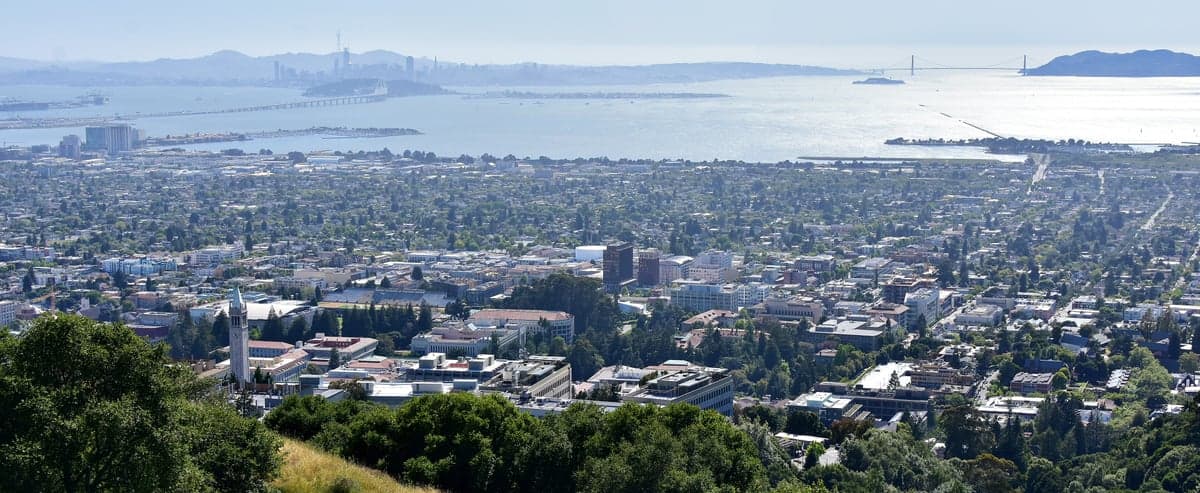
Photo: Wikipedia
Quality of Life in Berkeley, CA
Above-average quality of iife. The area offers a reasonable cost of living, decent mobility, and a mix of neighborhood amenities.
What does Quality of Life tell us?
Quality of Life blends cost of living, nearby amenities, socioeconomic signals, and neighborhood character. City-level scores represent the whole municipality; individual neighborhoods can differ.
What does this tell us?
Quality of Life blends cost of living, nearby amenities, socioeconomic signals, and neighborhood character. City-level scores represent the whole municipality; individual neighborhoods can differ.
Cost of Living
201% above national average
The Real Cost of Living in Berkeley, CA for 2026
| Tier | Individual | Family (4) |
|---|---|---|
| Survival | $34k | $64k |
| Comfortable | $169k | $248k |
| Luxury | $196k+ | $304k+ |
| Elite (Top 5%) | $291k+ | $451k+ |
44%
The Area Signal
A metric tracking the socioeconomic signals of the area.
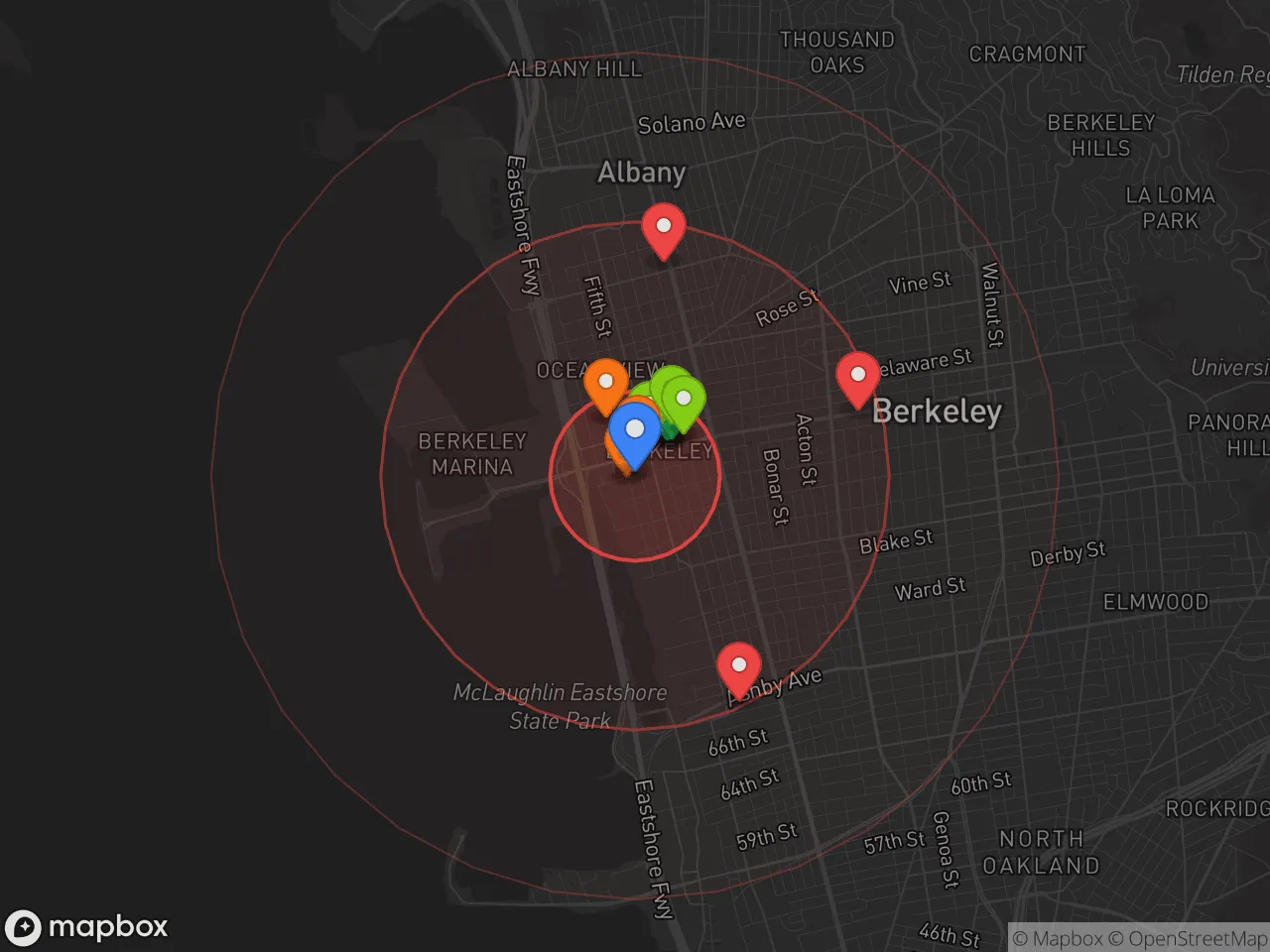
Hobbies
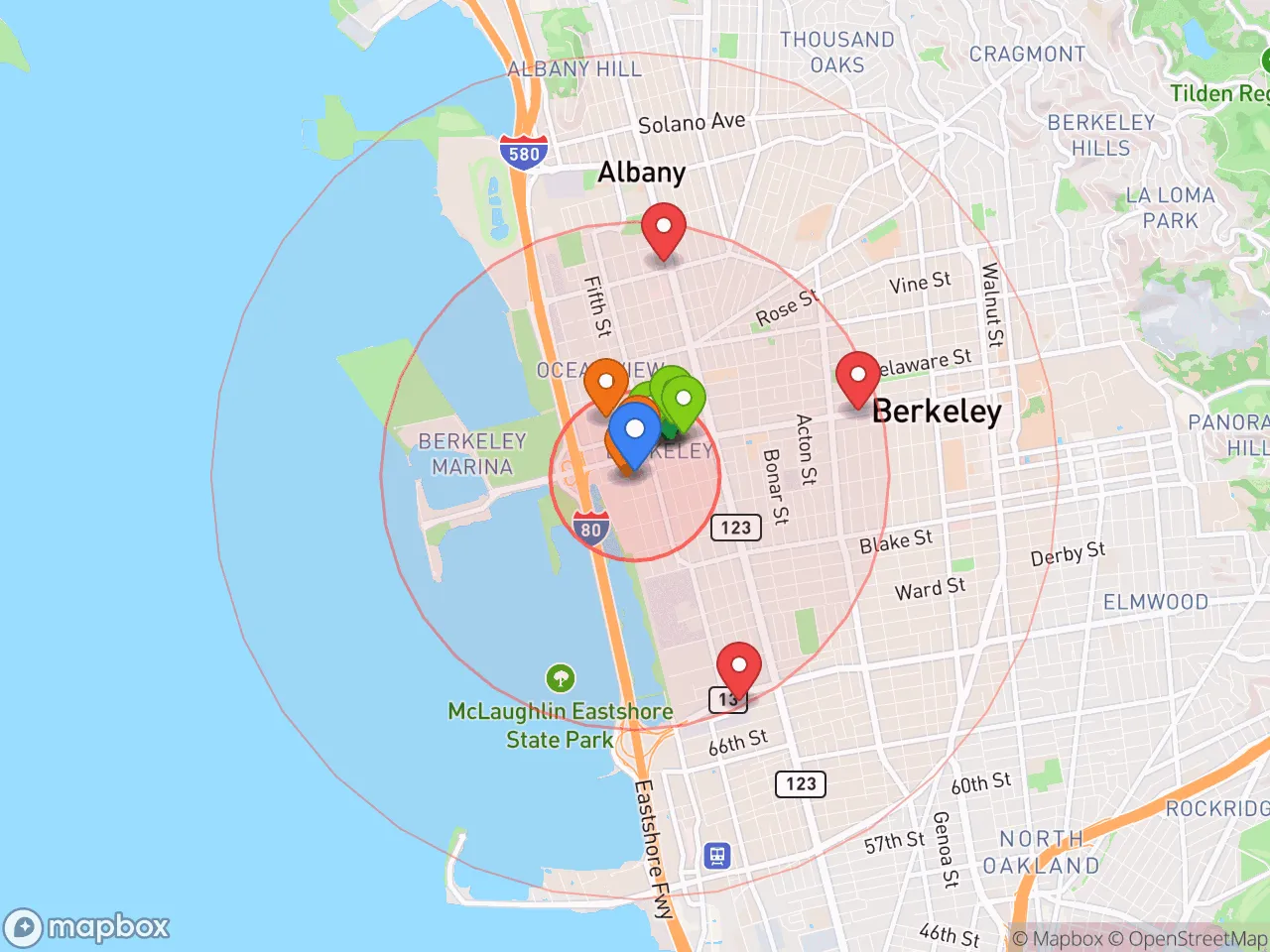
Explore the areaGroceries
5 within 10 miles
Gas
20 within 10 miles
Hospital
20 within 20 miles
Airport
SAN — Oakland San Francisco Bay
Post Office
USPS — Berkeley, CA
Critical Amenities
Quality-of-Life Analysis
Berkeley, California, is a densely populated urban hub defined by its progressive politics, world-class university, and exceptionally high cost of living. With a cost of living index of 301 (three times the national average), the city attracts a mix of tenured academics, tech professionals commuting to San Francisco and Silicon Valley, and long-term residents deeply invested in local activism and culture. The city's affluence is concentrated, creating a distinct socioeconomic landscape where high earners coexist with a significant student population and a visible homeless community.
What it actually costs to live in Berkeley vs. nearby cities
Berkeley's housing market is among the most expensive in the East Bay, though it remains slightly more attainable than its neighbor San Francisco. The median home value sits at $1,351,100, while the median rent is $2,127—a figure that often underrepresents the true market, as many rentals are rent-controlled units occupied by long-term tenants. Newer market-rate apartments in downtown or near the UC Berkeley campus frequently command $3,000+ for a one-bedroom. Compared to Oakland (median home value ~$850,000) or Richmond (~$550,000), Berkeley commands a significant premium for its schools, walkability, and political cachet. The average commute of 29.9 minutes is shorter than the Bay Area average, largely because many residents work locally at the university or in downtown Berkeley, though those heading to San Francisco face a 35–45 minute BART ride. Property taxes are capped at roughly 1% of assessed value under Proposition 13, but transfer taxes and parcel taxes for schools add to the total cost of homeownership.
What daily life is like for families, students, and professionals
Daily life in Berkeley revolves around its dense, walkable neighborhoods and a calendar packed with community events, farmers' markets, and political demonstrations. The Berkeley Unified School District is a major draw for families, with several elementary schools rated 9 or 10 on GreatSchools and Berkeley High School offering a rigorous International Baccalaureate program. For outdoor recreation, the 1,000-acre Tilden Regional Park provides hiking, a lake, and a historic steam train, while the Berkeley Marina offers waterfront trails and windsurfing. The city's dining scene is famously farm-to-table, anchored by the Gourmet Ghetto (home to Chez Panisse) and a dense concentration of Thai, Korean, and Mexican restaurants along Telegraph Avenue. Cultural amenities include the Berkeley Repertory Theatre, the Berkeley Art Museum, and the free public library system. However, the daily rhythm is also shaped by visible homelessness, petty property crime, and occasional political protests that can disrupt traffic. Parking is notoriously difficult near campus and downtown, making a bike or BART pass essential for many residents.
Berkeley is best suited for people who prioritize progressive values, intellectual stimulation, and walkable urban living over space and affordability. It is an ideal fit for UC Berkeley faculty, graduate students, and professionals in education, tech, or the nonprofit sector who can absorb the high housing costs. Families willing to pay a premium for top-tier public schools and a culturally rich environment will find a tight-knit community, though they should budget carefully for housing. Those seeking a quieter, more suburban lifestyle or a lower cost of living will likely find better value in neighboring Albany, El Cerrito, or further inland in Walnut Creek.

Crime in Berkeley, CA
Higher crime rates than 65% of comparable U.S. locations.
Violent CrimeViolent Crime Analysis
Property CrimeProperty Crime Analysis
Crime Analysis
Berkeley, California, presents a challenging safety landscape for potential residents. With a violent crime rate of 641.7 incidents per 100,000 residents and a property crime rate of 4,088.8 per 100,000, the city's crime statistics significantly exceed both state and national averages. These figures reflect a community where progressive judicial policies and a district attorney's office focused on decriminalization and alternatives to incarceration have contributed to a permissive environment for offenders, directly impacting public safety and victim justice.
Crime in context
To understand Berkeley's safety, it is essential to compare its rates to broader benchmarks. The national violent crime rate is approximately 380 per 100,000, meaning Berkeley's rate is nearly 70% higher. Property crime is even more stark: the national average hovers around 2,000 per 100,000, making Berkeley's rate more than double. The city's violent crime rate of 641.7 places it among the highest for similarly sized cities in the Bay Area. These numbers are not abstract; they are the direct result of a justice system that prioritizes offender rehabilitation over public protection, leading to repeat offenses and a sense of lawlessness that erodes community trust.
What residents experience
Daily life in Berkeley is heavily shaped by property crime, particularly car break-ins, package theft, and home burglaries. Residents often report that police response times are slow and that many property crimes go uninvestigated due to the district attorney's policy of declining to prosecute low-level offenses. The city's progressive leadership has championed measures like Proposition 47, which reclassified many thefts as misdemeanors, and a local policy that caps cash bail, resulting in the swift release of repeat offenders. For victims, this means stolen property is rarely recovered, and perpetrators face minimal consequences. The atmosphere is one of resignation, where residents invest in security cameras and steering wheel locks as a matter of course, not caution.
Neighborhood-level variation
While no area of Berkeley is immune to crime, significant variation exists. The Southside and Telegraph Avenue corridors, near the UC Berkeley campus, experience the highest rates of theft, robbery, and drug-related incidents due to dense foot traffic and transient populations. The Berkeley Hills and North Berkeley see lower violent crime but are frequent targets for residential burglaries, as homes are often isolated and perceived as wealthy. The West Berkeley industrial zone has higher rates of auto theft and vandalism. Even in safer pockets, the city's overall progressive judicial environment means that offenders apprehended in one neighborhood are often back on the streets, potentially victimizing another area. Prospective residents should research block-by-block crime maps and consider that the city's political culture actively undermines traditional law enforcement approaches.
* Values derived from national, state, county, city and local statistics and may differ in a specific area. Last updated: 2026-05-02T04:54:29.000Z
Narrative content on this page is AI-generated and may contain mistakes. Verify any details that matter before acting on them.
ReloMaps may earn a commission from affiliate links at no extra cost to you.

